University of Bari, Italy: Agrivoltaics Can Reduce Soil Temperature by Over 20°C
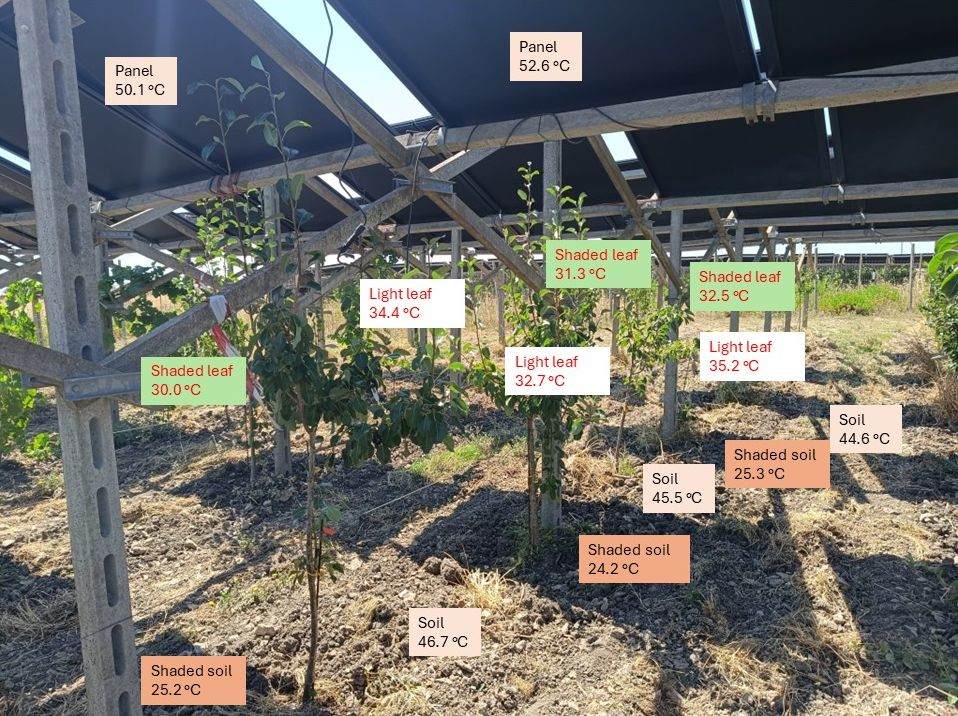
en.Wedoany.com Reported - A team led by Professor Giuseppe Ferrara at the University of Bari, Italy, has measured in agrivoltaic pilot sites that soil temperature under shade is more than 20°C lower than in areas with direct sunlight, and is studying the impact of reduced radiation on crop development.
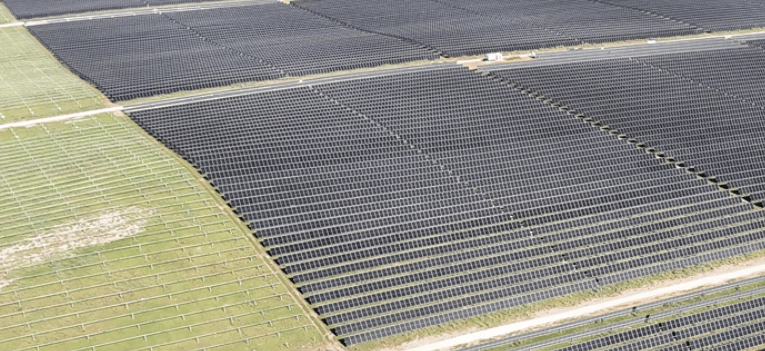
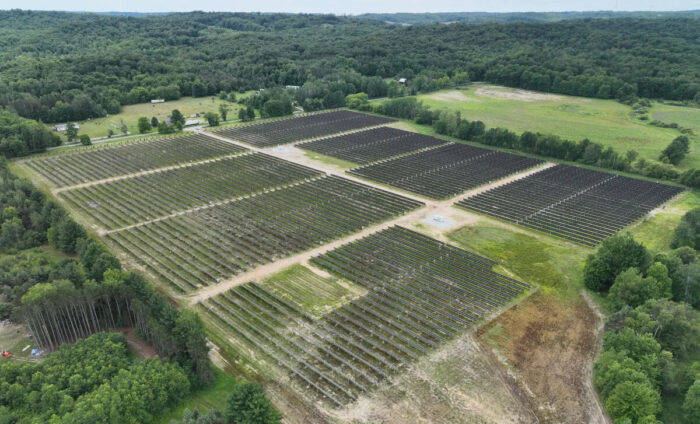
The two pilot sites are located in Laterza, Puglia, and Scalea, Calabria, in southern Italy, and were developed jointly by the University of Bari, the Italian research agency ENEA, the startup Agridatalog, and partner companies. The "Vigna Agrivoltaica di Comunità" (Community Agrivoltaic Vineyard) project in Laterza grows figs and olives; the facility in Scalea, operated by the Le Greenhouse consortium, studies lemon trees and lavender. The two sites employ different photovoltaic configurations, including fixed-tilt systems, tracking systems, and panels installed at varying heights.
Ferrara explained that the two projects were deliberately designed to be complementary, allowing the study of multiple crops under different environmental conditions and photovoltaic configurations. He believes that assessing the feasibility of agrivoltaic systems requires as much data as possible, including identifying the crops best suited to the technology and the environments where the benefits are greatest.
Measurements in Laterza showed that at around 11 a.m., soil temperature under the agrivoltaic system was more than 20°C lower than in areas with direct sunlight. Ferrara noted that this reading was recorded during a period of elevated air temperatures and does not represent the average reduction; the actual temperature difference varies with latitude, time of day, ambient temperature, and soil properties. Soil color also influences temperature, as darker soils typically absorb more solar radiation and may reach higher temperatures. The cooling effect could be particularly important in Mediterranean regions, where agricultural production is increasingly challenged by high temperatures, intense solar radiation, and limited water resources.
Reduced light is considered one of the main limitations of agrivoltaic systems. Shading can lower temperatures and alleviate water stress, but excessive shading inhibits photosynthetic activity and ultimately reduces crop yields. The sun's trajectory and, in some systems, the rotation of photovoltaic panels redistribute radiation throughout the day, providing crops with the light needed to sustain photosynthesis, growth, and yield. Ferrara's team found that crops with lower shade tolerance may experience more pronounced productivity declines, so careful evaluation is needed before introducing the system. The researchers are analyzing how the amount, timing, and duration of shading interact with crop physiology and yield.
The two pilot sites aim to accumulate data across different crops and system configurations. Ferrara believes there is no single agrivoltaic design suitable for all crops or locations, and that integrating knowledge from different fields helps examine the system from multiple perspectives, identifying both its positive and negative aspects. He also emphasized that multi-party collaboration is essential to generate comprehensive field data, rather than focusing only on the technology's potential benefits. "Research should not be marketing," he said. "It should provide useful information for decision-makers."
Ferrara believes this type of research is especially important for Mediterranean climate regions, where high temperatures and intense solar radiation often coincide with periods of water scarcity. The interaction between energy production and agriculture must be weighed individually at each site: crop selection is only part of the equation, and the system configuration must also ensure that crops receive sufficient radiation to maintain acceptable production levels. He advocates for continued field trials rather than relying on preconceived judgments. "Agriculture is changing rapidly, especially in response to drought," he said. "Agrivoltaics could become another viable path, at least under certain climatic conditions." The measurements currently underway in Laterza and Scalea are precisely aimed at providing data on under which conditions this potential can be realized and how agrivoltaic systems should be designed to balance power generation with agricultural production.
Related Products


4HS-8 High-efficiency Peanut Inverted-laying Harvester
Hebei Yongfa Hongtian Agricultural Machinery Manufacturing Co., Ltd.
714CD Series C-Band Weather Radar
Chengdu Zhongdian Jinjiang Information Industry Co., Ltd.
Industrial and Commercial Point-Type Gas Detector
Jinan Benan Technology Development Co., Ltd.