Spanish research team finds cement paste can sequester 15% of its own weight in CO2
en.Wedoany.com Reported - A research team from institutions including the Spanish National Research Council (CSIC) and the Global Energy Research Institute has published findings in Nature Energy: ordinary Portland cement paste can sequester carbon dioxide equivalent to 15% of its own weight under controlled conditions. The study was led by Matthew Hines.

The global cement industry generates approximately 4 billion tonnes of CO2 annually, making it by far the largest single industrial source of carbon emissions. Concrete is the most produced man-made material on Earth, traditionally relying on cement as its binding component, and the cement industry accounts for about 8% of global anthropogenic CO2 emissions.
The research team placed ordinary Portland cement paste under controlled laboratory conditions, with a CO2 concentration of 20%, relative humidity of 60%, and a temperature of 30°C for 30 days. The results showed that the cement paste could sequester carbon dioxide equivalent to 15% of its own weight.
Analysis of the sequestration mechanism revealed that CO2 can penetrate density-gradient layers and undergo carbonation reactions within the material. During continuous carbonation, newly formed calcium carbonate minerals precipitate in internal pores, confirming the diffusion pathways of CO2. The study also identified the key microstructural features controlling CO2 diffusion pathways—namely, the critical channels that regulate moisture absorption and carbonation reactions.
In terms of mechanical properties, the samples remained stable, with flexural strength decreasing by an average of 12% and compressive strength decreasing by an average of 10% over the 35-day curing period. The researchers consider this strength loss an acceptable trade-off.
Under current climate targets, deep decarbonization of cement production remains highly challenging. The research team believes that leveraging cement's sequestration capacity could serve as one pathway toward buildings with lower net carbon emissions. Going forward, additional factors such as the long-term effects of time and carbonation on strength under real-world conditions remain to be quantified, and this study analyzed only a portion of them.
Related Products

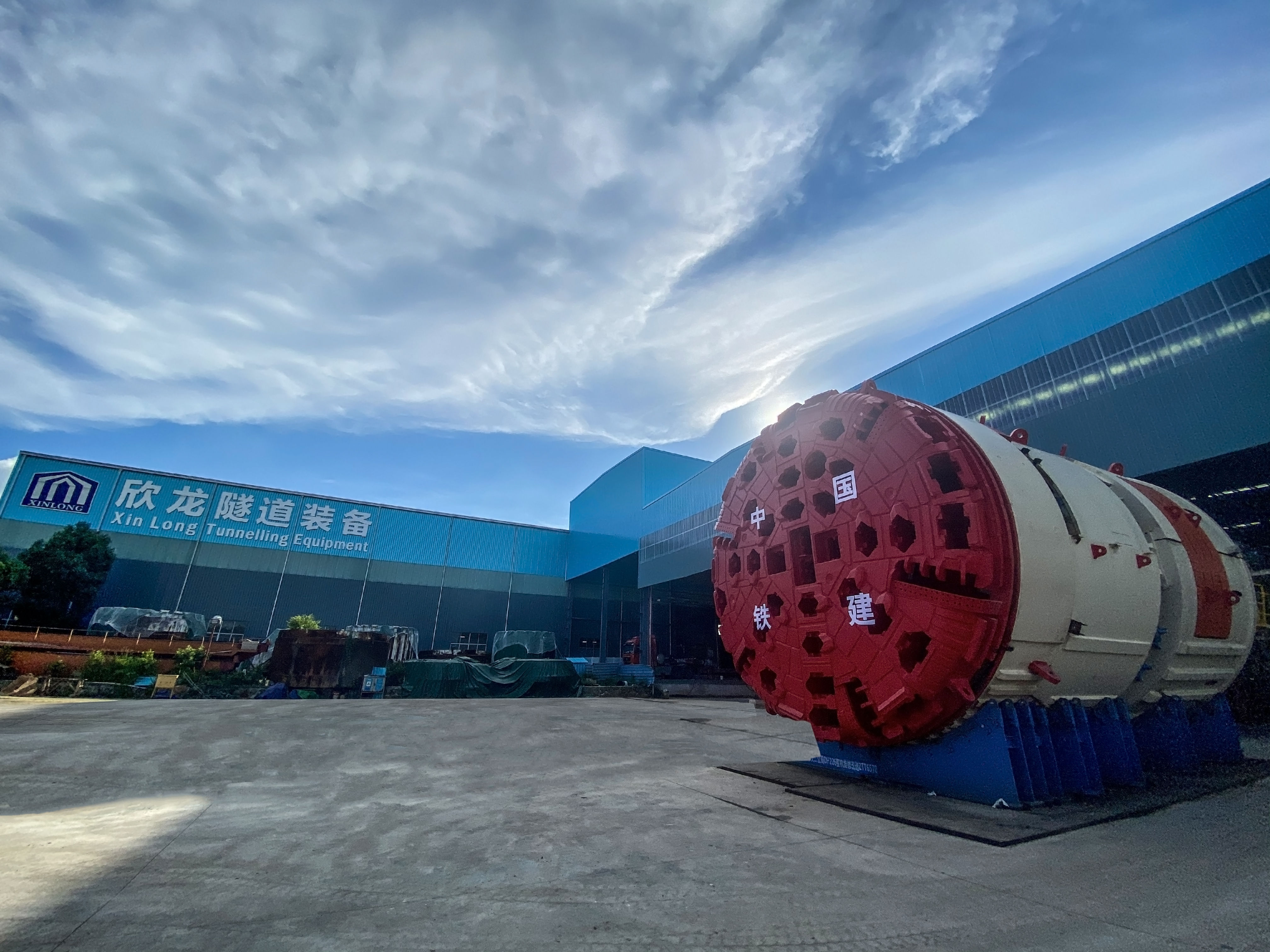
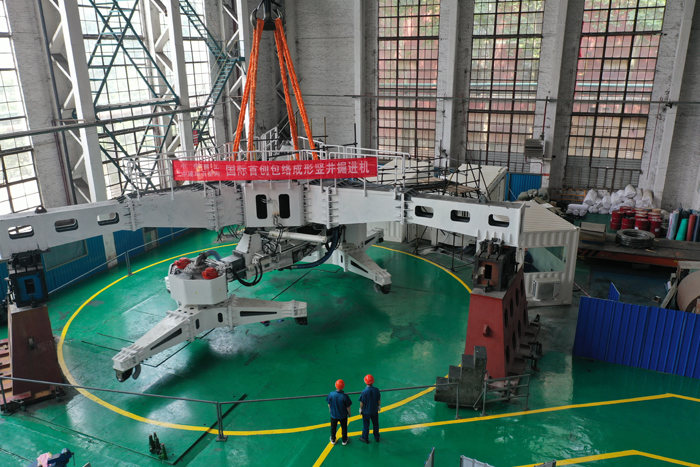
CITIC Heavy Industries Tunneling Equipment Tunnel Engineering Shield Machine
CITIC Heavy Industries Co., Ltd.
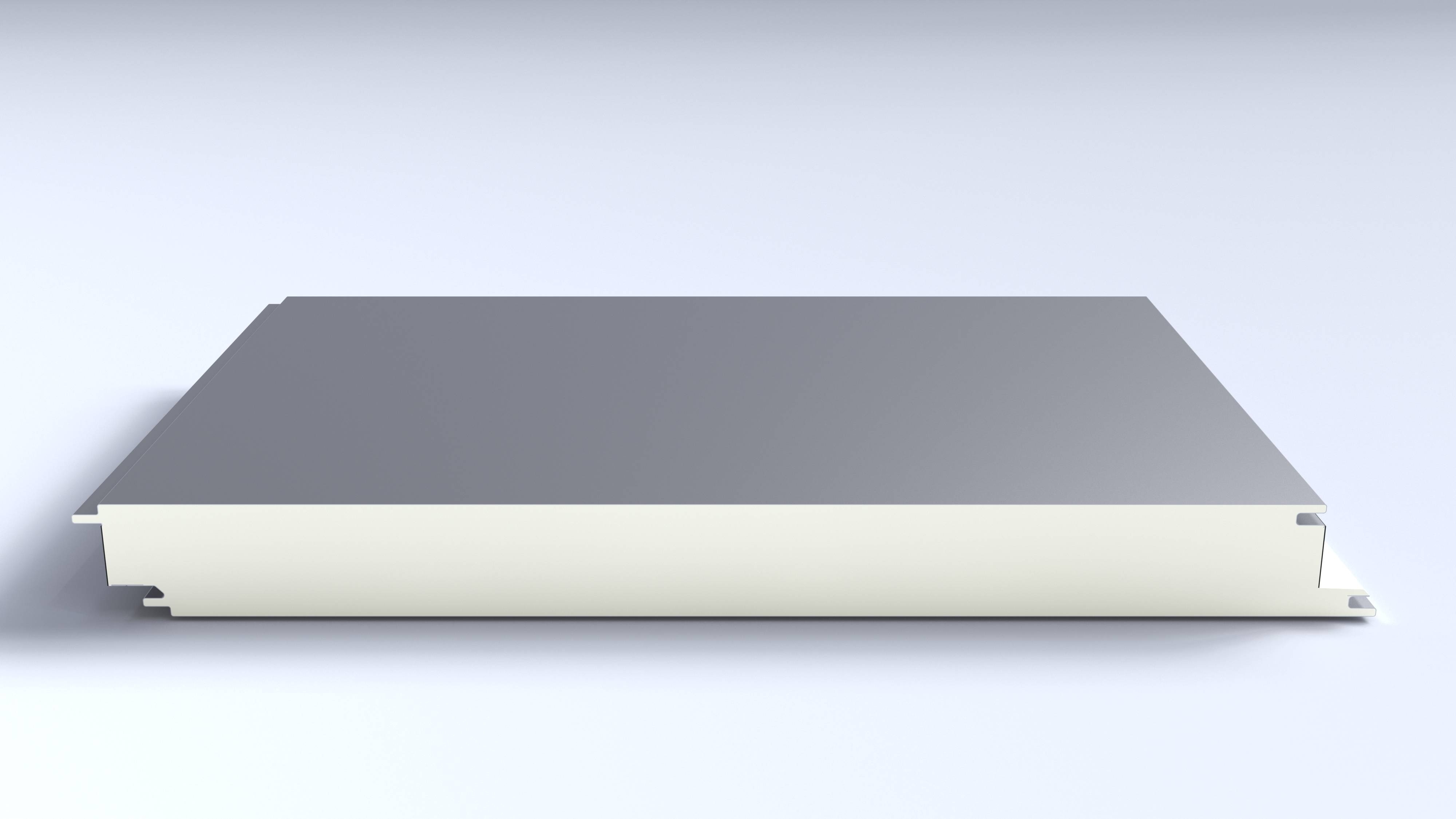
Pure Polyurethane Wall Panel BD-AEF-PIR-01
Baodu International Engineering Technology Co., Ltd.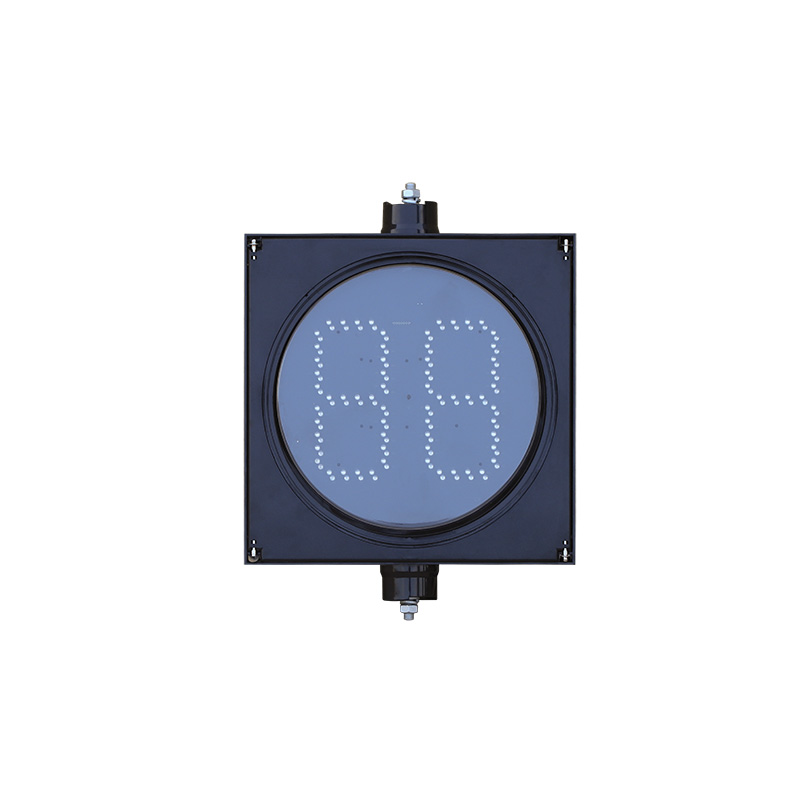
300mm Segment Type Countdown Traffic Light (Core Type)
Yangzhou FAMA Intelligent Equipment Co., Ltd.