Russian Nuclear-Powered Icebreaker Leningrad Completes Installation of Two RITM-200 Reactors
en.Wedoany.com Reported - On August 24, the Baltic Shipyard, part of the United Shipbuilding Corporation, completed the installation of two RITM-200 nuclear reactors aboard the Project 22220 nuclear-powered icebreaker Leningrad. The vessel is the sixth in the Project 22220 series, with its keel laid on January 26, 2024, at a ceremony attended by Russian President Vladimir Putin. Hull construction and equipment installation are ongoing, with delivery scheduled for December 2028.
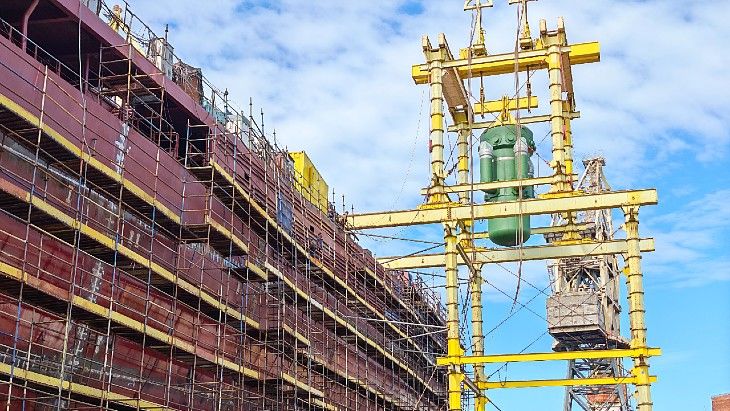
The RITM-200 reactor is a pressurized water reactor with steam generators integrated into the reactor pressure vessel. Each reactor has a thermal power of 175 MW and a propulsion power of 30 MW; each unit weighs over 147 tons, with a height of 7.3 meters and a diameter of 3.3 meters. The reactor has a design life of 40 years and a refueling interval of 7 years. The Baltic Shipyard stated that, compared to traditional designs with external steam generators, the integrated layout reduces the risk of coolant leakage, decreases the reactor's size and weight, and simplifies installation and dismantling operations. The reactor design can withstand a 45-degree roll.
The two reactors were manufactured by the ZiO-Podolsk plant, part of the mechanical engineering division of Rosatom. In May of this year, the plant completed the fabrication of the first RITM-200 reactor unit for the Leningrad; on July 29, the second reactor unit was also completed, marking the completion of all major equipment manufacturing for the vessel's reactor compartment. The Afrikantov OKBM Design Bureau is responsible for the design, overall supply, and fabrication of the RITM-200 reactor internals. The two completed reactor units have been named "Iskra" and "Grom," corresponding to the operations that broke and ultimately lifted the Siege of Leningrad between 1943 and 1944. On April 8 of this year, the propulsion motors had already been installed on the Leningrad.
The Project 22220 icebreaker is 173 meters long and 34 meters wide, with a displacement of 33,500 tons. It can break through ice up to 3 meters thick, has a speed of 22 knots in open water, a crew of 53, and a service life of 40 years. The vessel is equipped with two RITM-200 reactors that supply power to three electric motors, with each reactor driving one propeller.
Four vessels of the Project 22220 series are currently in operation: Arktika (delivered in 2020), Sibir (delivered in December 2021), Ural (sea trials in October 2022), and Yakutia (commissioned in December 2024). The fifth vessel, Chukotka, is under construction at the Baltic Shipyard, with construction 88.4% complete, and is undergoing mooring trials, with delivery to Atomflot, a subsidiary of Rosatom, planned before the end of 2026. The Leningrad is scheduled for delivery in December 2028, and the seventh vessel, Stalingrad, is scheduled for delivery in December 2030. According to the plan, all seven Project 22220 nuclear-powered icebreakers will be fully operational by the early 2030s.
The RITM-200 is Russia's new-generation marine reactor. Compared to the previously used KLT-type propulsion reactors, it is half the weight, half the volume, and delivers 25 MW more power. To date, Russia has completed the fabrication of 15 RITM-200 reactors, with another 13 currently in production. In addition to nuclear-powered icebreakers, RITM-series reactors are also planned for use in floating nuclear power plants and land-based small modular reactor projects, including small nuclear power plants in Yakutia and Uzbekistan. Furthermore, the larger Project 10510 nuclear-powered icebreaker Rossiya is under construction, which will be equipped with two RITM-400 reactors, providing 120 MW of propulsion power and capable of breaking ice up to 4.3 meters thick, with delivery planned for 2030.
Nuclear-powered icebreakers are a core component of Russia's strategic plan to develop the Northern Sea Route. In 2018, the Russian government authorized Rosatom to operate the infrastructure of the Northern Sea Route. In December 2024, Russia approved the federal project "Greater Northern Sea Route," planning the construction of a transport corridor from St. Petersburg and Kaliningrad to Vladivostok. The Project 22220 icebreakers are designed to ensure year-round navigation in the western Arctic. Together with four older vessels built in the 1980s and 2000s that are currently in operation, Russia is building the world's largest fleet of nuclear-powered icebreakers.
Related Products


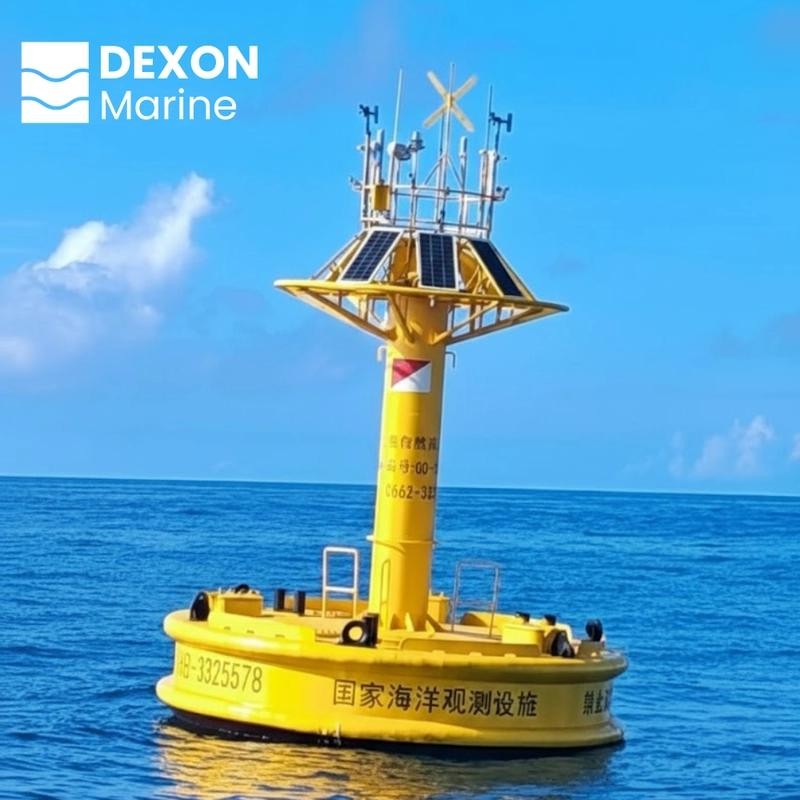
3m intelligent buoy combining navigation safety and real-time marine monitoring integrated navigation and marine monitoring system for real-time maritime data
Chengdu Dixin Technology Co., Ltd.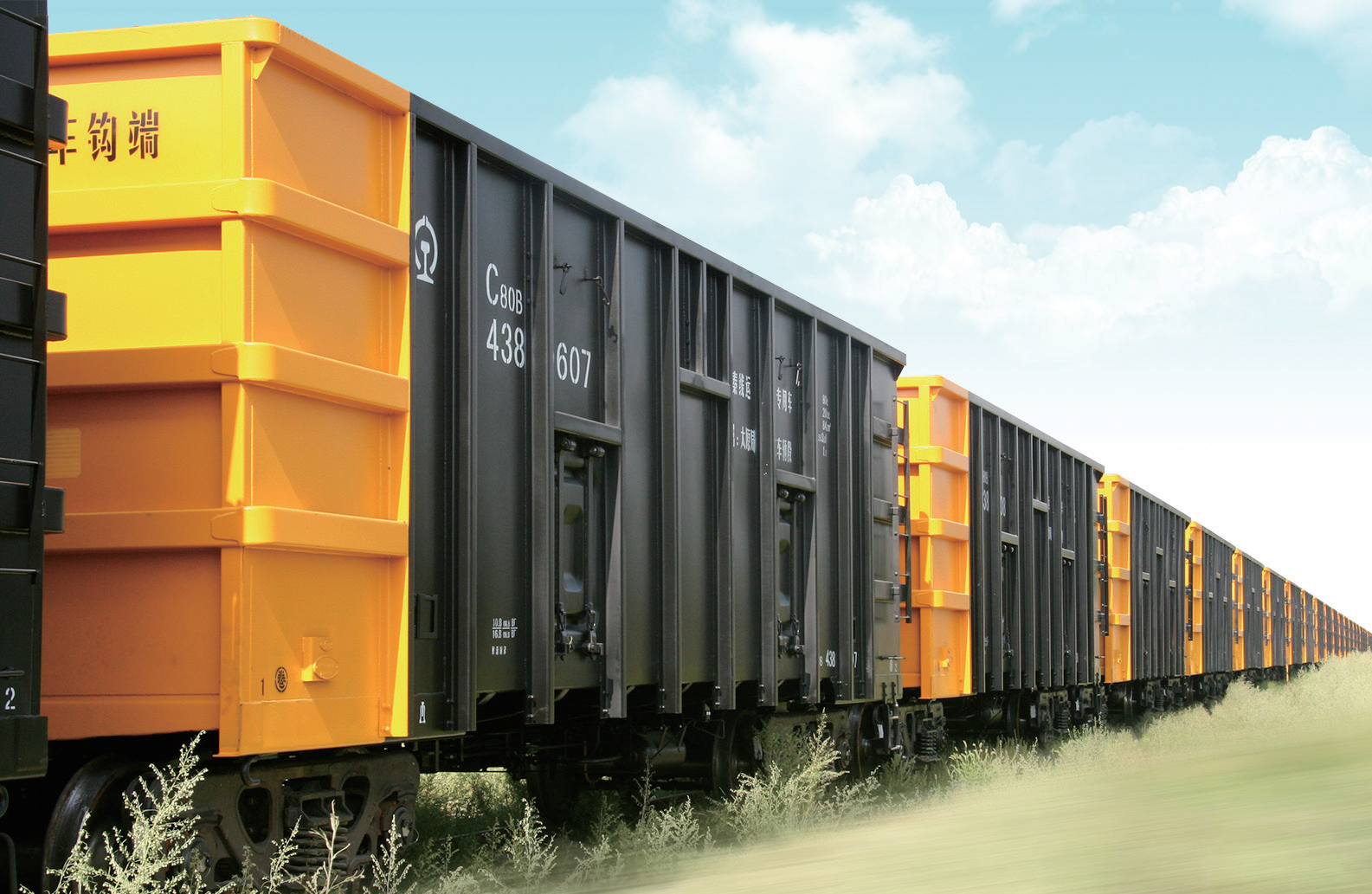
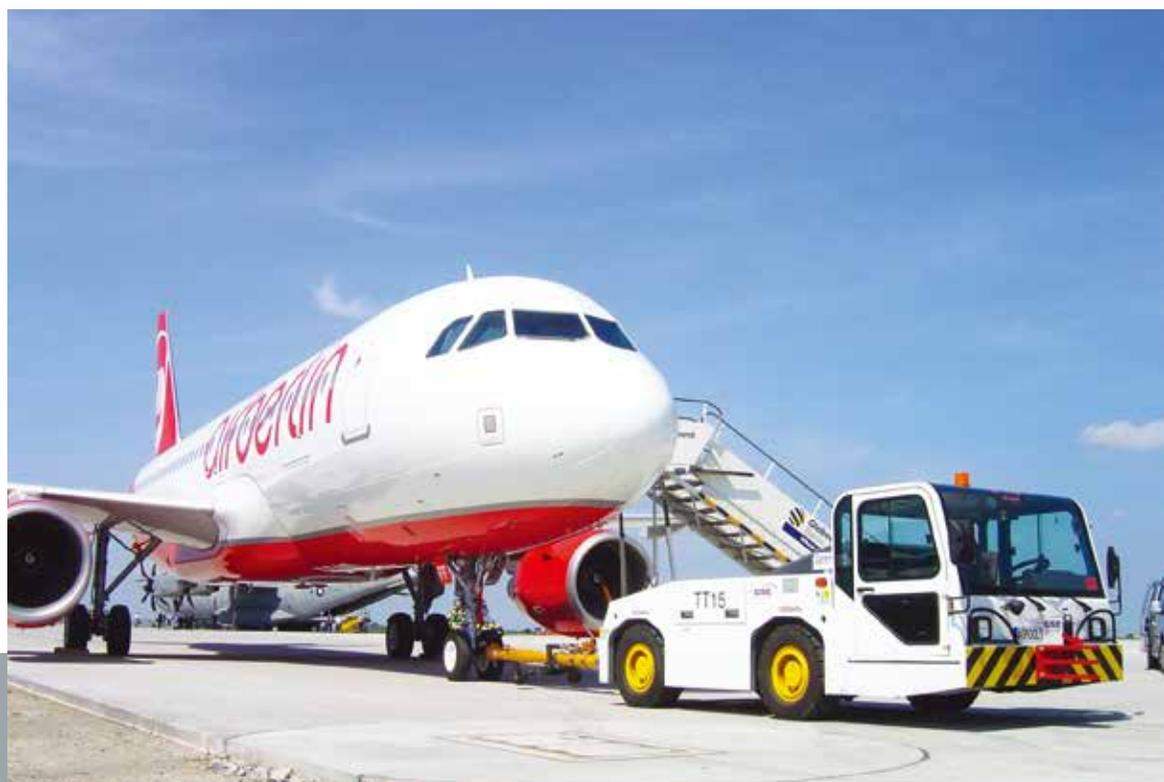
WGQY Series Aircraft Tow Tractor-WGQY15, WGQY27
Weihai Guangtai Airport Equipment Co., Ltd.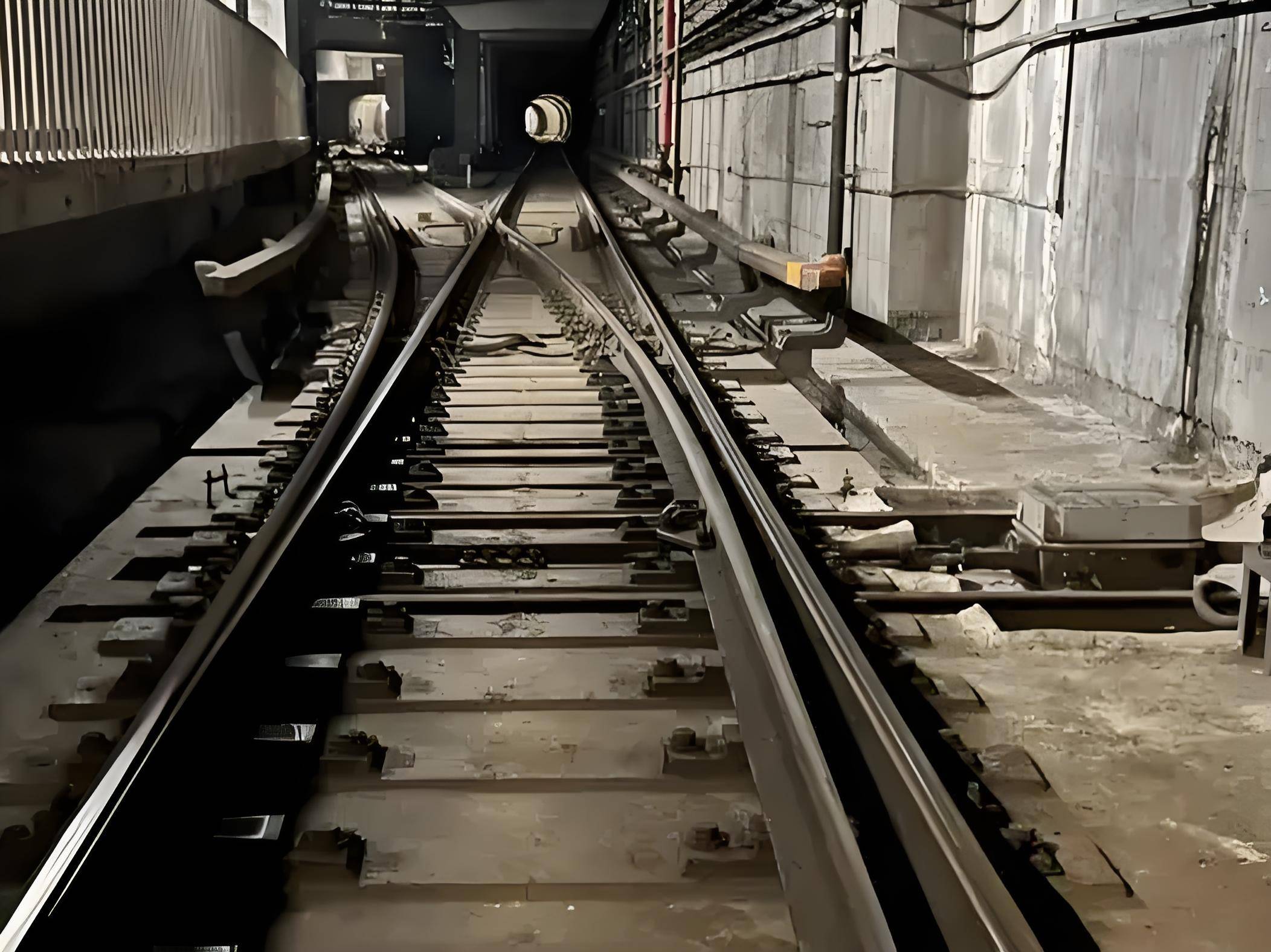
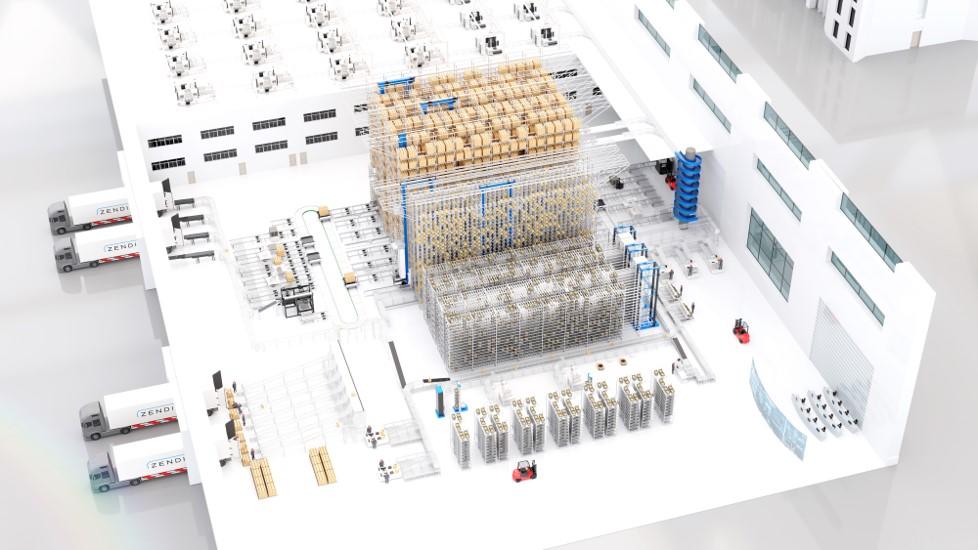
One-Stop Steward Service for the Entire Logistics System Integration Chain
Zhongding Intelligent (Wuxi) Technology Co., Ltd.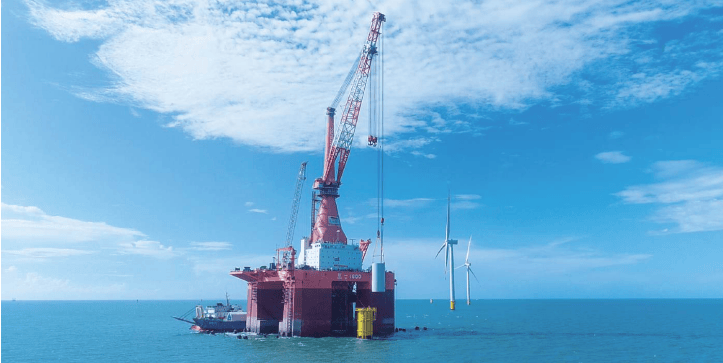
"Shunyi 1600" Deep-submerging Bottom-sitting Multi-functional Wind Power Engineering Vessel
Zhengli Offshore Engineering Co., Ltd.