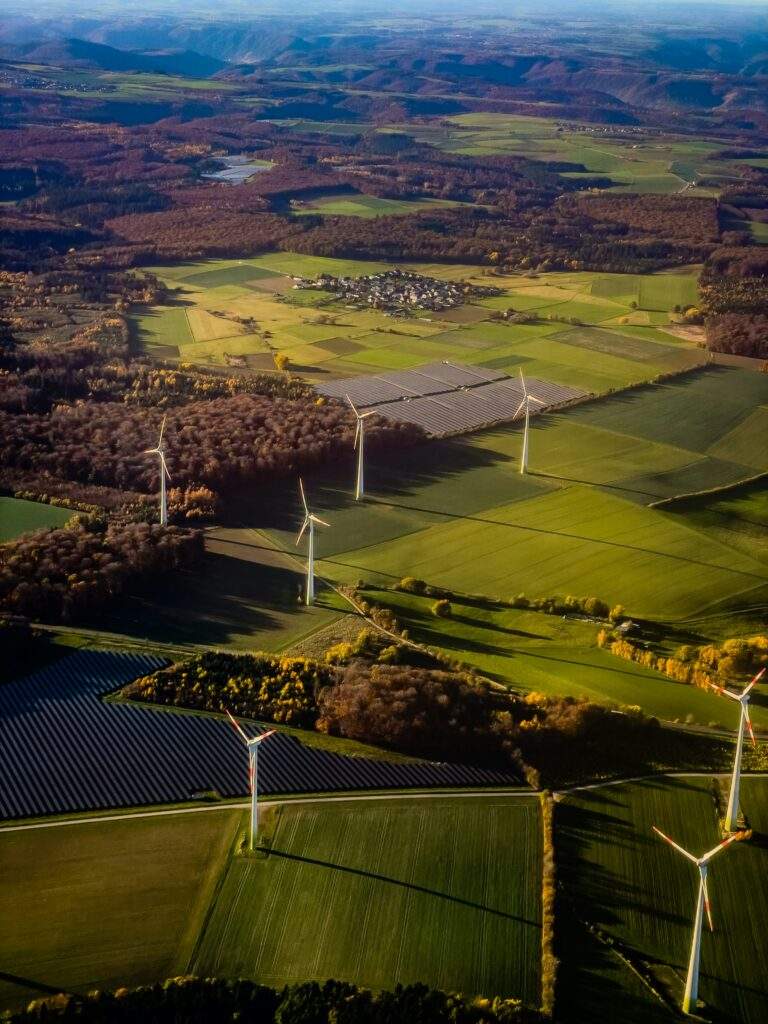
Norway adds 43 MW of new PV in January-July
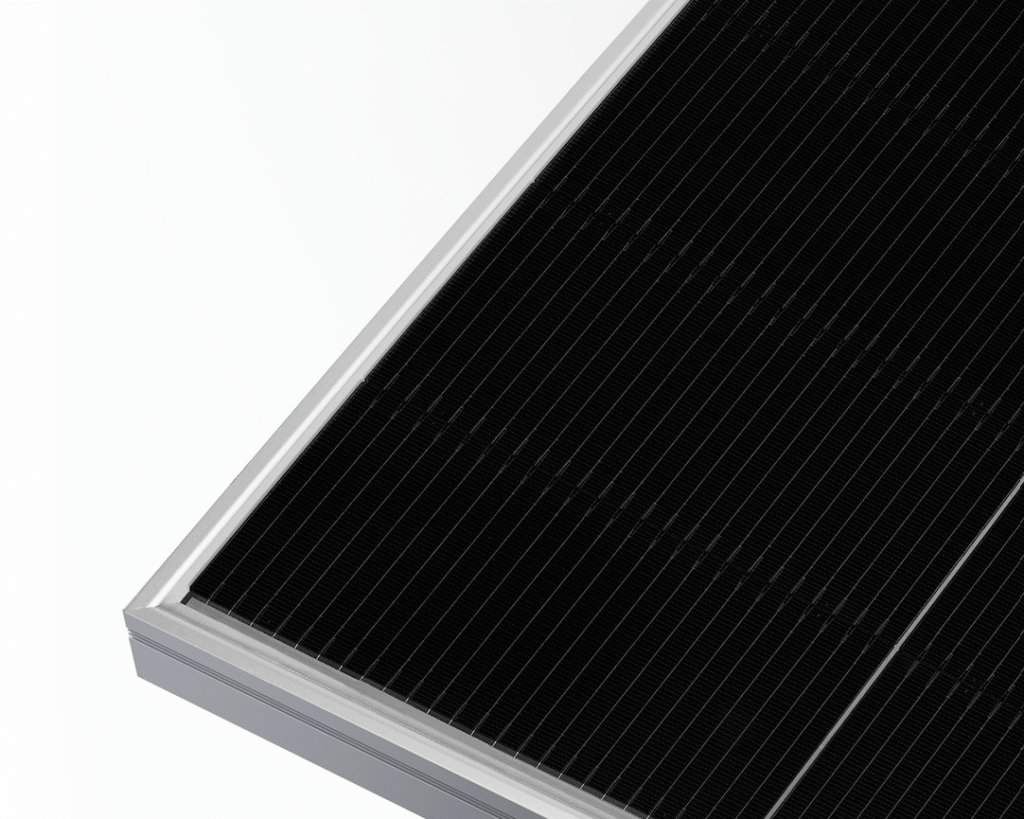
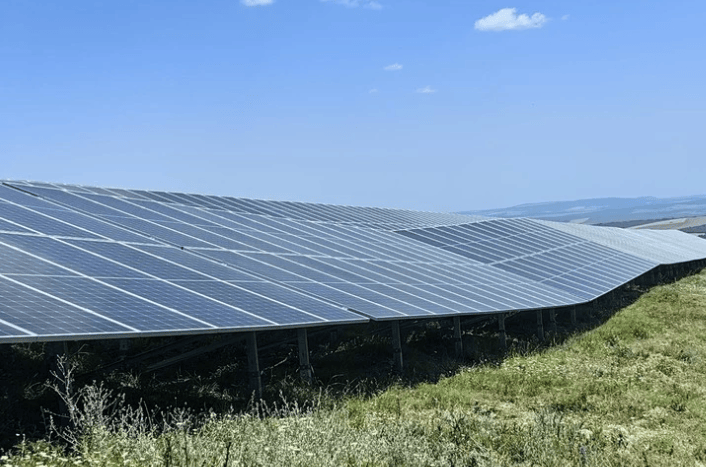
en.Wedoany.com Reported - Provisional data from the Norwegian Water Resources and Energy Directorate (NVE) shows that Norway added 43 MW of new PV capacity between January and July this year. As of the end of July, the country's cumulative PV capacity reached 964 MW.

Hassan Gholami, senior advisor for solar and storage at Multiconsult, said the 43 MW total could rise by around 10% to 15% as the NVE continues to register installation data from previous months, but this year's market growth is still the slowest since the country began keeping records in 2021. Of the installations so far this year, around 60% come from solar systems sized between 100 kW and 1 MW, which are typically installed on commercial and industrial (C&I) rooftops.
Gholami said the most obvious success in Norway's solar market right now is that the C&I segment continues to function without direct subsidies. Self-consumption projects remain the only bankable cases in the market, so they underpin the entire market. Commercial properties, logistics and retail, agriculture, and municipal buildings all have substantial daytime loads, and at current module price levels, the full electricity delivery costs avoided per kilowatt-hour of self-consumption are sufficient to justify the investment without subsidies. Given that commercial projects typically take 9 to 18 months from decision to grid connection, the C&I share should hold, or even grow, next year.
By contrast, Norway's residential solar market has effectively stalled: only around 2 MW were installed over seven months, totaling 172 PV systems, compared with roughly 1,200 newly registered residential systems in all of 2025. Gholami said Norway's fixed electricity price scheme for households, "Norgepris," has eliminated most of the payback benefits of residential PV. There is still no minimum compensation for exported electricity, leaving generation beyond self-consumption fully exposed to low summer daytime prices and the cannibalisation effect, while financing costs remain high by European standards.
Gholami believes the residential market will not recover unless concrete support measures are introduced, such as a guaranteed minimum price for exported electricity, restoring support from the state-owned enterprise Enova at meaningful levels, or exempting installations from VAT. A study commissioned by the Norwegian parliament on a guaranteed minimum price for rooftop solar electricity exported to the grid is expected to be completed this year.
Views differ on the appropriate minimum price level. Before its collapse, leading residential supplier Solcellespesialisten argued that a minimum price of NOK 0.50 (around $0.054) per kWh would not be enough to revive the industry; a representative proposal in March suggested a price of NOK 1.00 per kWh. Gholami said whether it can ultimately be implemented is another question, but this is the first serious movement on the demand side in years.
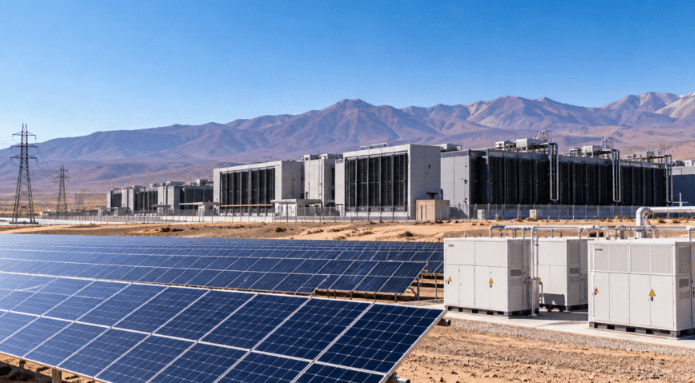
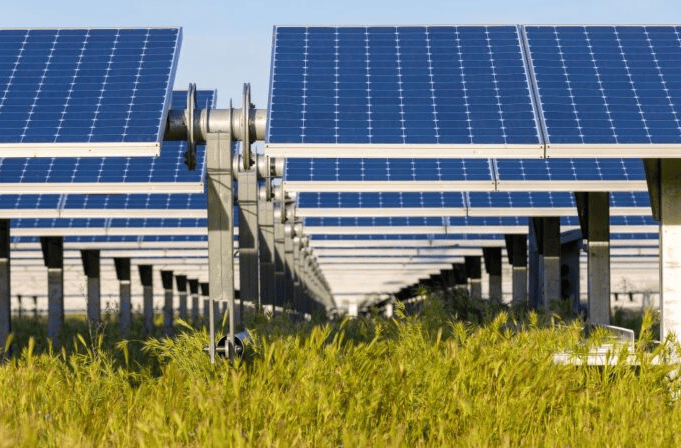
Norway's utility-scale solar market remains relatively early-stage, but projects are moving from the permitting phase into construction. The NVE approved a 31.4 MW PV project in June, developed by Norwegian company Energeia in the municipality of Østre Toten. It is the country's second-largest project under construction, behind only the 46 MW agrivoltaic project developed jointly by Energeia and Norwegian utility Eidsiva.
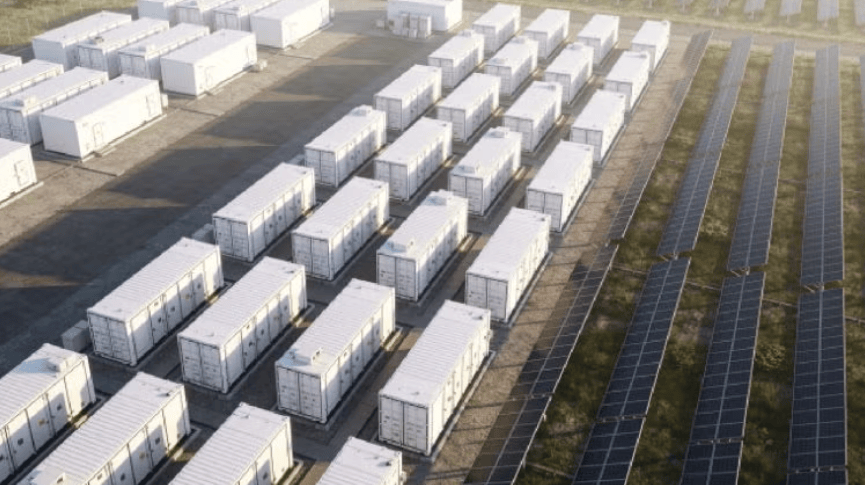
Norway is also approving its first co-located storage facilities: the 7 MW Furuseth solar plant has been approved for an additional 5 MW/13.5 MWh battery storage system, while the Energeia and Eidsiva agrivoltaic project will integrate 6 MW/12 MWh of battery storage.
The permitting exemption threshold introduced last year is also affecting the development pipeline for ground-mounted PV projects. Gholami explained that plants below 10 MW now only need approval from their respective municipality, without an NVE permit, which in most cases means going through a zoning process or obtaining an exemption.
Gholami forecasts installations this year will land between 80 MW and 100 MW, compared with 132 MW in 2025 and 172 MW in 2024. But he said the utility-scale market could quickly change the picture within a few years. A single 20 to 30 MW plant, if connected within one year, would exceed half of the current annual national additions, so if two or three approved projects come online in 2027 to 2028, annual installation figures will rise substantially.
Beyond installations, Norway's solar industry is losing capacity across the value chain. Following Solcellespesialisten's bankruptcy in December, solar companies Sesol and Solintegra AS have also entered insolvency proceedings. Gholami added that beyond job losses, this means a loss of trained installation capacity, leaving customers with only manufacturer warranties and no installer warranties. Rebuilding this capacity will take longer than rebuilding demand.
Regulatory changes taking effect this year include corporate energy sharing agreements and a new grid connection obligation requiring local distribution companies to build the final grid connection lines (up to 22 kV) for new plants, meaning developers no longer need to apply for separate grid line permits from the NVE. Gholami commented that both measures are useful, but they build the pipeline rather than directly delivering megawatts in the current year.
During this year's Intersolar trade show, pv magazine spoke with Mette Kristine Kanestrøm of Multiconsult about the latest developments in Norway's solar and storage industry.
Related Products
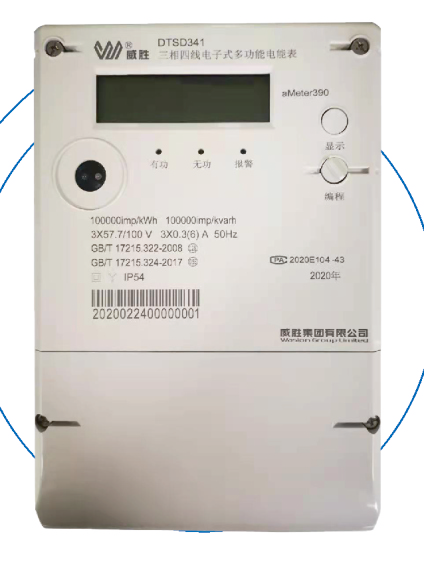

Overseas IEC Gateway Energy Meter - DTSD341/DSSD331-aMeter390
Wasion Group Limited Co., Ltd.
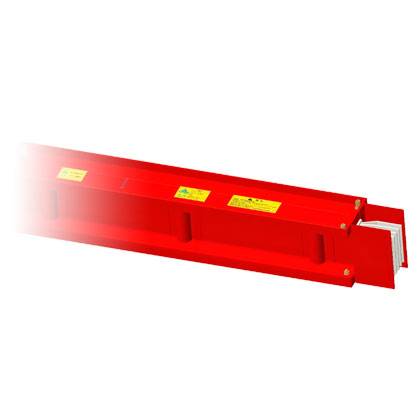
Mineral-insulated Compact Busway (Fire-resistant Busduct)
Zhuhai Guangle Electric Busway Co., Ltd.
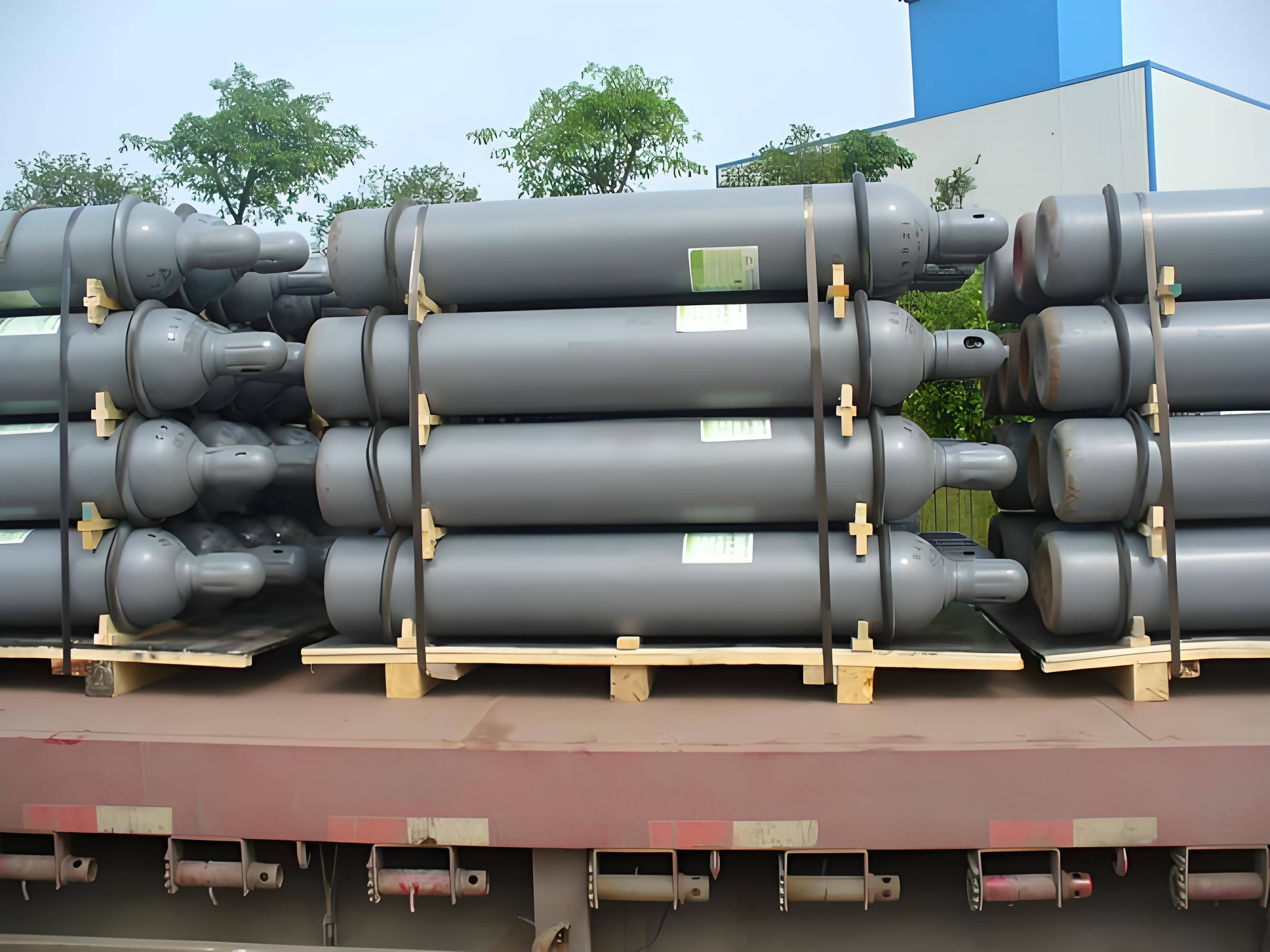
Global Sulfur Hexafluoride Gas Supply and Cylinder Export
Foshan Yuexin Industrial Gas Co., Ltd.

Off-Grid Fuel Cell Supercharging Station (180kW Configuration)
Shanghai REFIRE Group Limited