Italian National Research Council Unveils 4T Spectrum-Splitting Bifacial Photovoltaic Tile
en.Wedoany.com Reported - A research team at the Italian National Research Council (CNR) has demonstrated a four-terminal (4T) photovoltaic tile designed around spectrum-splitting technology that processes the solar spectrum by band: visible light is directed to a gallium arsenide (GaAs) cell, while infrared radiation enters a bifacial silicon cell, with each cell type performing its dedicated role.
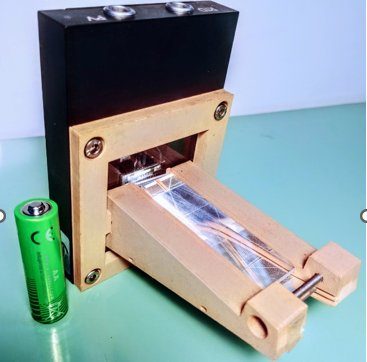
The optical core of the system is a wedge-shaped right-angle glass prism. First author of the paper, Floriana Morabito, told pv magazine that the optical core combines total internal reflection (TIR) at the top surface with dichroic reflection on mirrors, functioning as a light guide. Corresponding author Silvia Maria Pietralunga added that the bifacial narrow-bandgap (NBG) silicon cell in the design faces south on its rear side, facilitating the collection of albedo radiation from the ground; the wide-bandgap (WBG) gallium arsenide cell is arranged at a 90-degree orientation, keeping both land occupation and self-shading of the module at low levels.
The findings were published in the journal Solar Energy under the title "Experimental validation and numerical assessment of a 4T spectrum-splitting photovoltaic tile with unconventional bifacial capability and minimized shading." The prototype was built around a right-angle wedge prism made of Schott N-BK7 glass, integrating a 2.0 cm × 2.0 cm gallium arsenide cell with 20% efficiency, as well as a bifacial silicon heterojunction (HJT) cell measuring 6.8 cm × 2.0 cm with approximately 24% efficiency and a bifaciality factor of 90%; anti-reflective coatings were applied to the prism's bottom and rear surfaces.
Spectral splitting is handled by complementary long-pass and short-pass dichroic mirrors. The two mirrors are positioned at a 45-degree angle of incidence with a cutoff wavelength of 805 nm, a value that falls near the intersection of the external quantum efficiency curves of the silicon and gallium arsenide cells, thereby routing each spectral segment to its target cell.
The researchers used resin 3D printing to create a two-piece holder that integrates the prism, mirrors, silicon cell, and encapsulated gallium arsenide cell. Since air gaps between the prism, mirrors, and cells are unavoidable, the assembled prototype deviates from the ideal optical design, manifesting as additional optical losses.
Outdoor performance testing was conducted at the CNR-IMM laboratory in Catania, Italy, on a ceramic-floor terrace. Measurements largely followed the principles of the IEC 60904-2 standard, but the team noted that the 4T structure, unlike conventional modules, cannot fully comply with it. The experiments were carried out on four sunny days from late May to mid-July 2025, with an observation window from 9:00 a.m. to 5:00 p.m. Three pyranometers recorded horizontal global irradiance, tilted front-side irradiance, and reflected irradiance reaching the rear side at 5-second intervals; two spectroradiometers measured horizontal global spectral irradiance and direct normal spectral irradiance over the 300 nm to 1100 nm wavelength range.
The researchers also compared the prototype's measured data with simulations under ideal conditions. The ideal device maintained an optical power ratio exceeding 90% over a wide range of incidence angles, while the manufactured prototype reached only about 62% at best. In outdoor measurements, the normalized current of the silicon cell remained fairly stable throughout the day, peaking around solar noon, with a slight increase when the tile was positioned closer to the ground; the gallium arsenide cell was insensitive to height above ground, but due to its narrower angular tolerance, its output varied more over the day, also peaking around noon.
Morabito stated that under outdoor conditions, for a bifacial silicon cell with 23% efficiency, the measured photocurrent showed a notable increase of approximately 7% in the morning and evening around the summer solstice at latitude 37°30' N. The maximum photocurrent did not vary with height above ground, and the optimal gain for bifacial operation corresponded to a height of 19 cm above ground. The test results point to a conclusion: the 4T architecture can reduce self-shading while making fuller use of ground-reflected radiation, with bifacial operation yielding greater benefits at relatively low installation heights.
Pietralunga indicated that, from a global perspective, this 4T solution may offer economic sustainability—higher output per unit area combined with low-impact mechanical support. She believes the prospects for resolving current challenges are promising, with considerable room for further improvement, and that viable market opportunities could emerge in the near future.
Related Products

TAI Slew-drive Single-axis Independent 1P Tracking Bracket System
ANTAI TECHNOLOGY CO., LTD.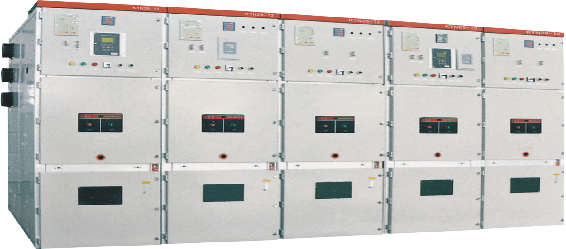
KYN28-12/24 Indoor High-Voltage Metal-Clad Removable Switchgear
Shenzhen Zhaoyang Hui Technology Co., Ltd.
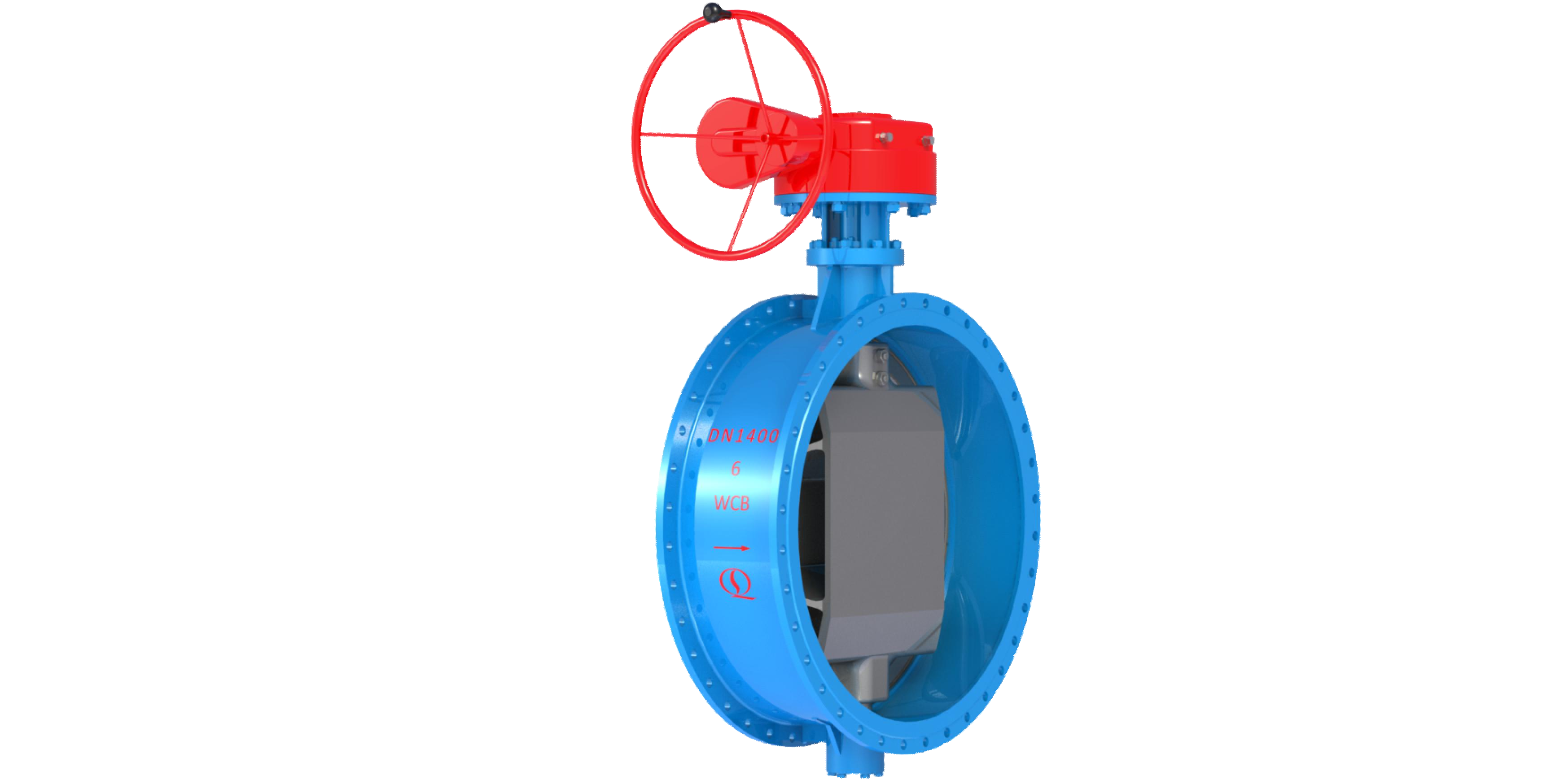
Bidirectional Metal Hard Sealed Seawater Butterfly Valve
Henan Quanshun Flow Control Science & Technology Co., Ltd.
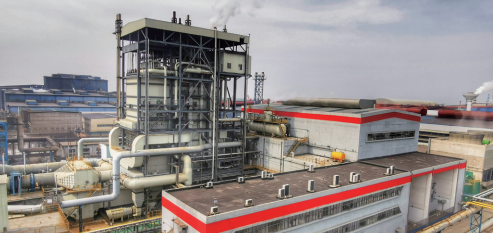
Jiujiang Pinggang 125MW Subcritical Gas Power Generation Project
Capital Engineering & Research Incorporation Limited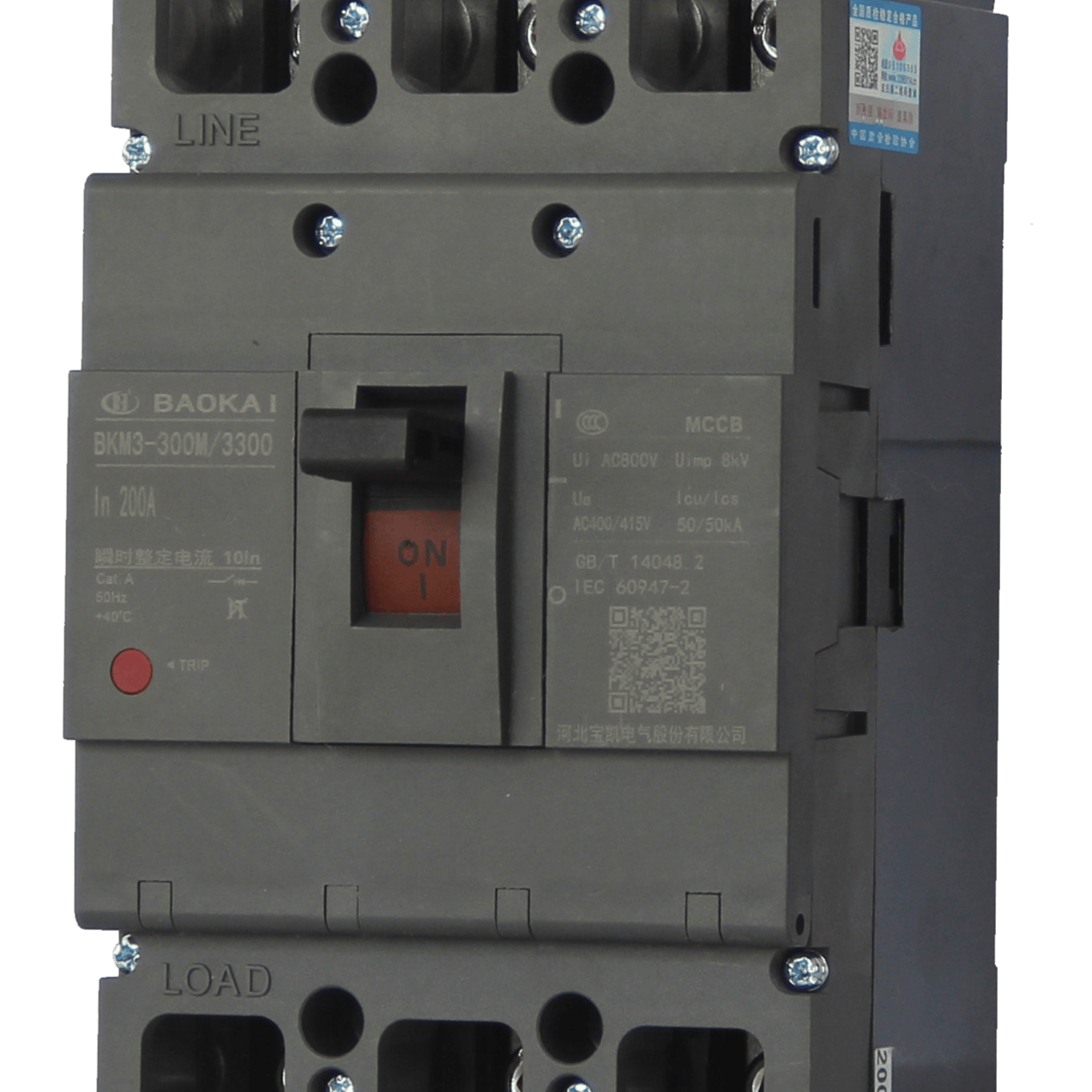
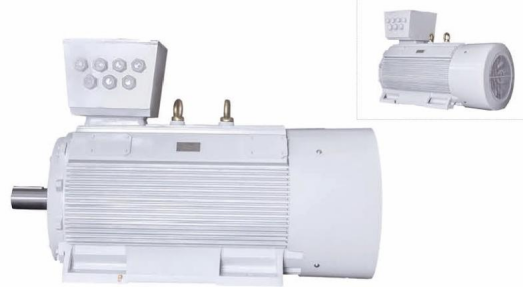
YE3 Series Low Voltage High Power Three-Phase Asynchronous Motor
Shandong Lijiu Electrical Machinery Co., Ltd.