Germany's LIKAT Produces First Ten-Kilogram Batch of CO₂-to-Fuel Catalyst in Pilot Run
en.Wedoany.com Reported - Chemists at the LIKAT Technical Center in Rostock have, for the first time, produced a new Fischer-Tropsch catalyst on a pilot scale, with the initial ten-kilogram batch delivered to research partners in Hamburg and Vienna. Developed in an earlier LIKAT collaborative project, the catalyst is used for CO₂-neutral fuel production in Vienna and to verify its practical suitability in large-scale plants. It is the core material of modern Fischer-Tropsch Synthesis (FTS). Unlike the traditional process developed by two German chemists a century ago, the new version of FTS no longer liquefies coal and natural gas but instead uses the greenhouse gas CO₂ as a feedstock.
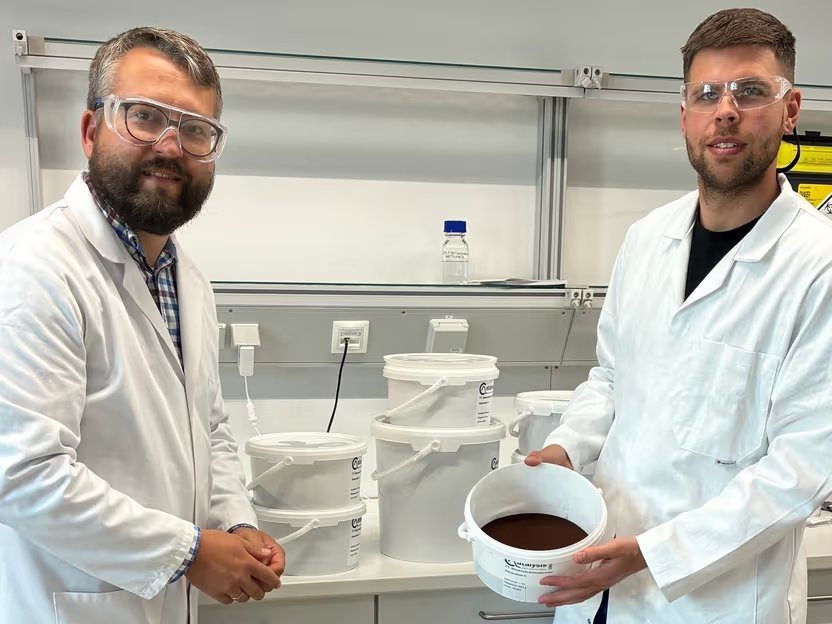
This new version of the Fischer-Tropsch catalyst was developed at the Leibniz Institute for Catalysis, and the process converts CO₂ and sustainably produced hydrogen (H₂) into synthetic fuels. Such fuels can power conventional internal combustion engines and contain none of the sulfur or nitrogen compounds found in gasoline or diesel. Dr. Christoph Wulf, head of the research group at the LIKAT Transfer Technical Center, stated that the goal is to achieve sustainable, CO₂-neutral mobility, which is also a key focus of the national High-Tech Agenda.
As with the traditional process, the modern method is carried out in a bubble column reactor, but under much milder reaction conditions. In a long vertical tube, the participating substances pass from bottom to top through a viscous liquid: on one side are the gaseous feedstocks CO₂, H₂, and subsequently formed carbon monoxide (CO); on the other side are liquid intermediates and final products, along with the catalyst in the form of fine iron-oxide-based beads.
The catalyst was developed in the federally funded InnoSyn consortium project (part of the "Hydrogen Republic of Germany" initiative) in combination with an AI model for CO₂-FTS, under the guidance of LIKAT chemist Dr. David Linke. Partners at the Engler-Bunte Institute at the Karlsruhe Institute of Technology (KIT) have already demonstrated the feasibility of the process on a gram scale in multiphase reactor systems. The follow-up project "Green Fuel and Chemicals" will advance the industrial application of the process, including kilogram-scale demonstration at the pilot plant of Bioenergy and Sustainable Technologies GmbH (BEST) in Vienna. By early 2027, the plant will convert several kilograms of CO₂ into sustainable fuels and chemicals.
New catalysts typically leave the laboratory in quantities of only a few milligrams; scaling up to kilogram quantities and solution volumes of up to 100 liters requires a different formulation, a process chemists call "scale-up." The goal of the new research collaboration is to find suitable methods, a task undertaken by Dr. Christoph Wulf and Dr. Simon Haida at the LIKAT Transfer Technical Center. According to the two chemists, this also involves developing practical catalyst production techniques. The catalyst is produced via a precipitation reaction of metal salts, yielding a rust-red iron oxide "filter cake," which is then spray-dried and heat-treated to obtain nearly spherical particles. Since the particles vary in size, they must be classified by size through a sieving or sorting step.
Simon Haida noted that catalyst behavior cannot be directly predicted on a large scale. Mixing 100 milliliters of solution is simple, but at the 50-liter scale, specific processing steps—especially the separation and filtration of the crude product from the reaction solution—become challenging, making systematic experiments with gradually increasing reaction volumes necessary. This work is carried out in close collaboration with the catalyst's original developer, LIKAT chemist Dr. Aleksandr Fedorov, who re-adjusts the catalyst and tests its performance after each scale-up step before planning the equipment for the next stage.
The experiments progressed from batches of a few milliliters to the 50-liter scale, sufficient to supply the pilot plant. During this process, it was found that particle size significantly affects catalyst performance. Dr. Wulf explained that the iron oxide beads must not be too large, so that they remain suspended in the subsequent bubble column reactor; however, if they are too small, they tend to agglomerate, clog the reactor outlet filter, or even enter and contaminate the product.
LIKAT is one of the first research institutions in Germany capable of producing new catalysts for research purposes on a pilot scale. Other institutes have pilot plants for testing catalysts but lack the equipment to produce test materials in the required quantities. At LIKAT, thanks to funded projects and research collaborations, the Catalysis2Scale technical facility is now fully equipped with state-of-the-art instrumentation. With the first ten-kilogram batch of iron oxide catalyst produced for the new Fischer-Tropsch synthesis, Dr. Wulf and Dr. Haida hope to attract the attention of potential research partners.
Related Products

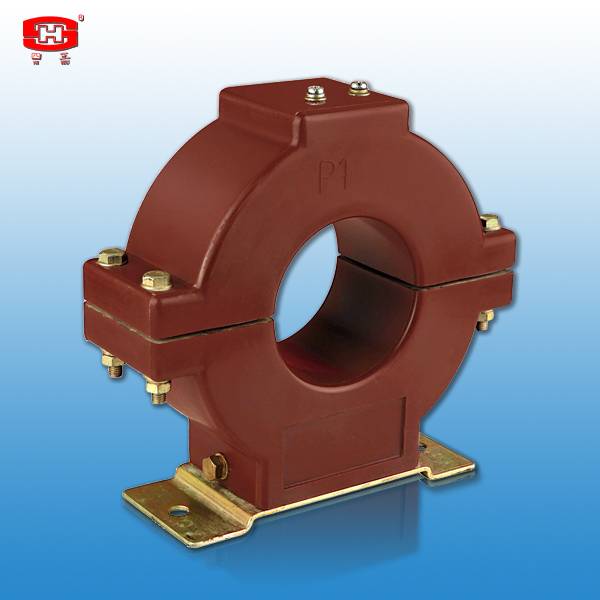
0.66kV Power Supply Instrument Transformer
Guangdong Sihui Instrument Transformer Works Co., Ltd.
72.5kV 1250A 31.5kA SF6 free Gas-insulated Metal-enclosed Switchgear
Zhejiang Juhonkia Intelligent Electric Co., Ltd.
Prefabricated Houses and Electrical Energy Boxes
Chengdu Ruilong Machinery Manufacturing Co., Ltd.
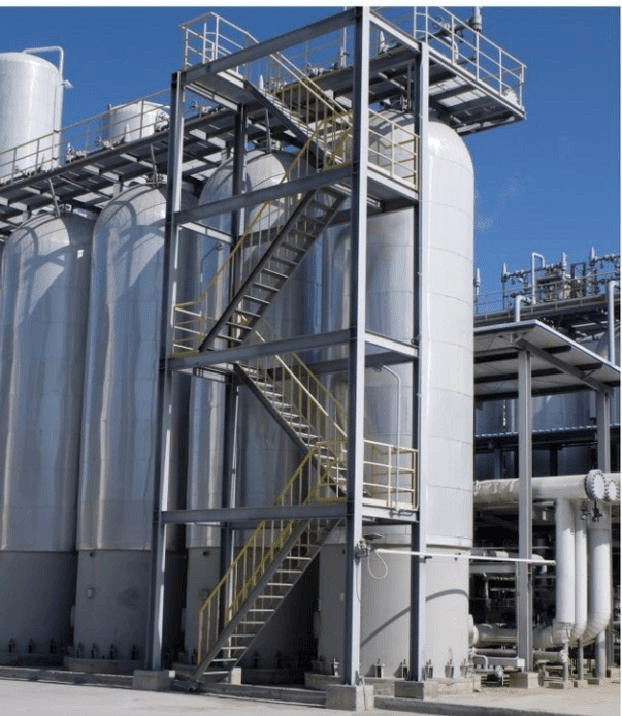
Hydrogen Production Technology: Hydrogen Purification by Pressure Swing Adsorption
Chengdu Yizhi Technology Co., Ltd.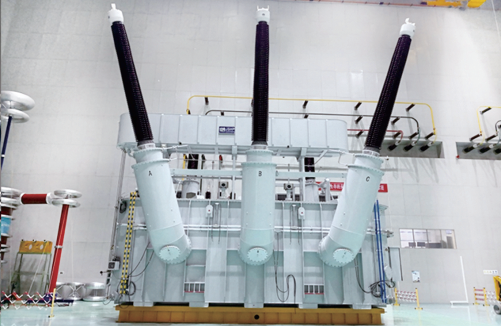
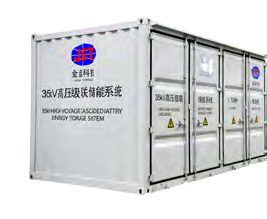
6kV-35kV Medium and High Voltage Direct-Connected Energy Storage System
Hainan Jinpan Smart Technology Co., Ltd.