Fraunhofer and South Korea's SGC Energy Collaborate on CO₂ Electrolysis Technology
en.Wedoany.com Reported - Fraunhofer Institute for Environmental, Safety, and Energy Technology (Fraunhofer UMSICHT) and South Korea's SGC Energy have signed a memorandum of understanding to collaborate on the development of carbon dioxide (CO₂) electrolysis technology and its industrial scale-up. SGC Energy, one of South Korea's leading companies in the energy and carbon capture sector, will assume the role of industrial partner and plans to build an electrolysis platform using existing CO₂ capture facilities and industrial infrastructure to produce sustainable fuels and basic chemicals. Leveraging its carbon capture infrastructure, energy supply experience, and engineering capabilities, the company will create conditions for early assessment of the new technology's technical feasibility and economic potential, while driving it toward industrial application.
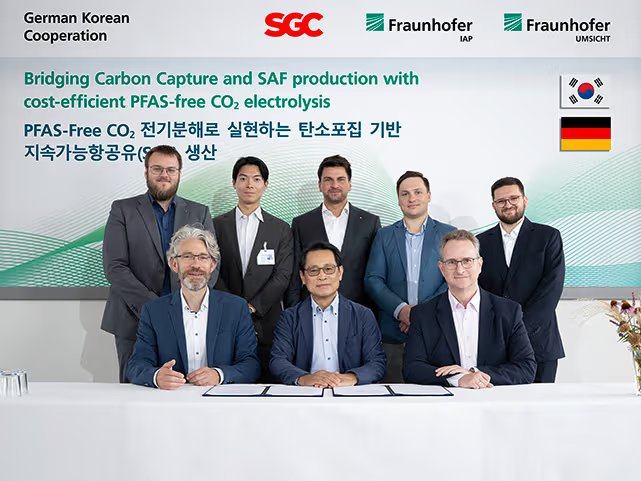
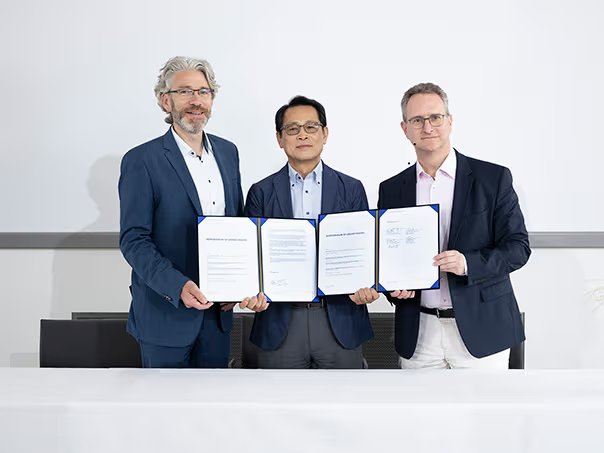
In this collaboration, Fraunhofer UMSICHT will contribute its many years of experience in CO₂ electrolyzers, stack concepts, and the integration of electrochemical processes into industrial plants; Fraunhofer Institute for Applied Polymer Research (Fraunhofer IAP) will provide expertise in the development of high-performance polymer energy materials and their scale-up to near-industrial levels. Prof. Dr.-Ing. Christian Doetsch, Director of Fraunhofer UMSICHT, stated that the transformation of industrial energy systems requires the interconnection of new materials, electrochemical processes, and scalable plant concepts, and that this collaboration combines process and system capabilities with materials science research and industrial needs.
CO₂ electrolysis is one of the key focus areas of the collaboration. This process uses renewable electricity to convert captured CO₂ into precursors for basic chemicals or synthetic fuels, with the production of Sustainable Aviation Fuels (SAF) regarded as a promising application. The two parties will build on SGC Energy's existing CO₂ capture infrastructure to further develop and scale up electrochemical technologies for producing sustainable fuels and basic chemicals, advancing the technology from pilot scale toward commercial application.
High-performance materials are key to the economic viability of electrochemical systems. Fraunhofer IAP will contribute its development capabilities in polymer energy materials, encompassing PFAS-free high-performance membranes for electrolyzers, as well as polymer solid-state electrolytes and binders for batteries. Membranes perform core functions in electrochemical processes, directly affecting system efficiency, selectivity, and service life. Prof. Dr. Alexander Böker, Director of Fraunhofer IAP, stated that this collaboration framework takes materials development, system integration, and practical application into account from the outset, and that a climate-neutral industry requires high-performance materials, robust components, and partners who continuously drive research toward application.
The combination of Fraunhofer UMSICHT's electrolyzer expertise, Fraunhofer IAP's materials and membrane development capabilities, and SGC Energy's industrial infrastructure forms a pathway from research to large-scale application. The two parties believe that converting captured CO₂ into fuels and chemical products can contribute to a climate-neutral industry in the future. Ken Yoon, Chief Strategy Officer of SGC Energy, stated that this collaboration goes beyond isolated research, combining SGC Energy's experience in energy systems and process integration with Fraunhofer's strengths in electrochemical CO₂ conversion and scale-up to conduct integrated technology demonstrations that reflect real industrial conditions. Both South Korea and Germany recognize that decarbonizing the chemical industry requires not only new catalysts and electrolyzer cell designs, but also credible technology pathways from laboratory to pilot scale. The two parties view this collaboration as the beginning of a long-term technology alliance and have defined shared milestones and clear division of responsibilities, with the goal of building competitiveness in the emerging global market for sustainable carbon-based products.
Following the signing of the memorandum of understanding, the two parties will launch joint research and development projects covering the entire value chain, extending from materials development and electrochemical systems to industrial implementation. In the coming months, they will identify specific collaborative projects in the fields of CO₂ utilization, hydrogen technology, and battery and fuel cell systems.
Related Products

Modular Multifunctional Water Supply and Drainage Vehicle (18T)
Changsha Dewater Machinery Technology Co., Ltd.
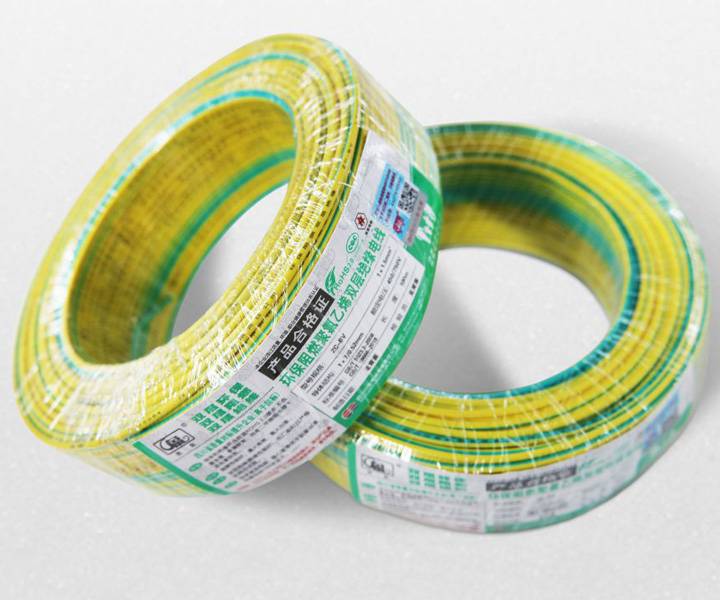
Environmentally Friendly Flame-retardant PVC Double-layer Insulated Wire
Sichuan Chndo Cable Co., Ltd.
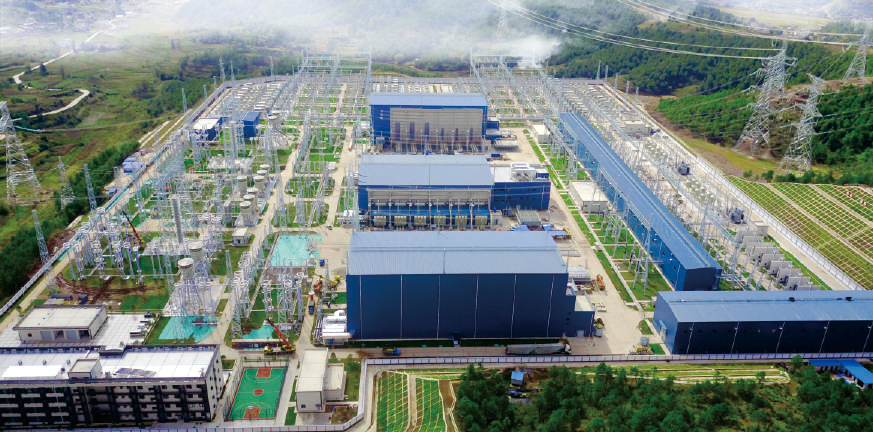
High-voltage Direct Current (HVDC) Transmission System Research and Integrated Design
XI'AN XD POWER SYSTEMS CO., LTD.