China Fusion Energy Releases Roadmap for 25T High-Field Magnet Development
en.Wedoany.com Reported - On August 25, the Yangtze River Delta High-Temperature Superconducting Magnet Technology Innovation Consortium released a roadmap for the development of high-temperature superconducting magnets for fusion reactors at the 2026 Nuclear Fusion Energy Conference held in Shanghai. Led by China Fusion Energy Co., Ltd., the consortium plans to complete the construction of a 25T high-temperature superconducting high-field magnet development and testing line by 2028, and complete the development of prototype magnets by 2030.
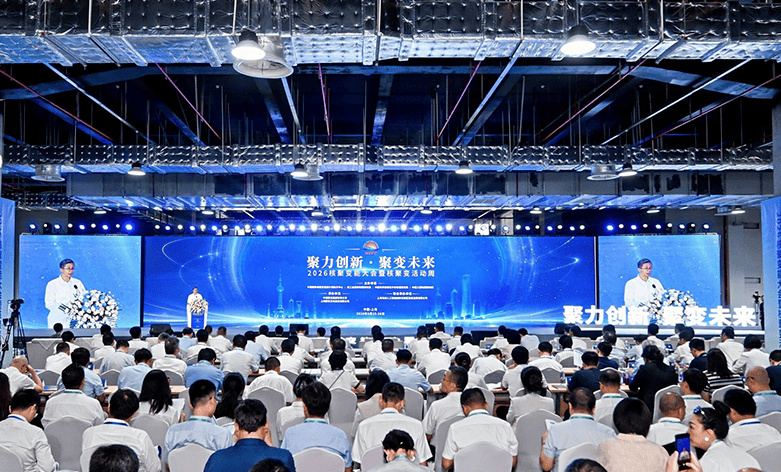
The consortium comprises nine member organizations. In addition to China Fusion Energy Co., Ltd., they include Shanghai Superconductor, Eastern Superconductor, Shanghai Jiao Tong University, Shanghai Electric Nuclear Power Group, SuperMag New Energy, Energy Singularity, Hangyang Group, and Yixi Technology. The parties will work collaboratively to establish high-temperature superconducting high-field tokamak magnet development capabilities and an engineering technology system, aligned with the requirements of the China Loop No.4 device.
The conference also unveiled the target design of the China Loop No.4 device. The device is positioned to become the world's first high-temperature superconducting high-field steady-state burning plasma fusion experimental platform, intended to verify the reliability of 25T high-temperature superconducting high-field magnets in the complex fusion environment, and to conduct validation of full-domain intelligent control and long-duration steady-state operation for fusion reactors. China Fusion Energy Co., Ltd. is advancing the device's development through its R&D systems in Shanghai and Chengdu.
High-field magnets are responsible for generating the magnetic field required to confine the plasma in a tokamak, and their material properties, coil manufacturing, cryogenic systems, and operational reliability directly affect the device's parameters. According to this roadmap, the consortium will first establish magnet development and testing conditions, then complete prototype manufacturing. Once the prototype magnets meet the predetermined specifications, they will proceed to the relevant validation phase of the China Loop No.4.
The high-temperature superconducting high-field approach has already been adopted in several international fusion devices. The United States' SPARC project uses high-temperature superconducting magnets to build a compact tokamak, and its R&D team previously completed a demonstration of a 20T large-aperture magnet; the United Kingdom's STEP program plans to adopt rare-earth barium copper oxide coated conductors in most of its magnet systems, and is conducting validation of superconducting performance under irradiation environments, AC losses, and magnet protection.
Related Products


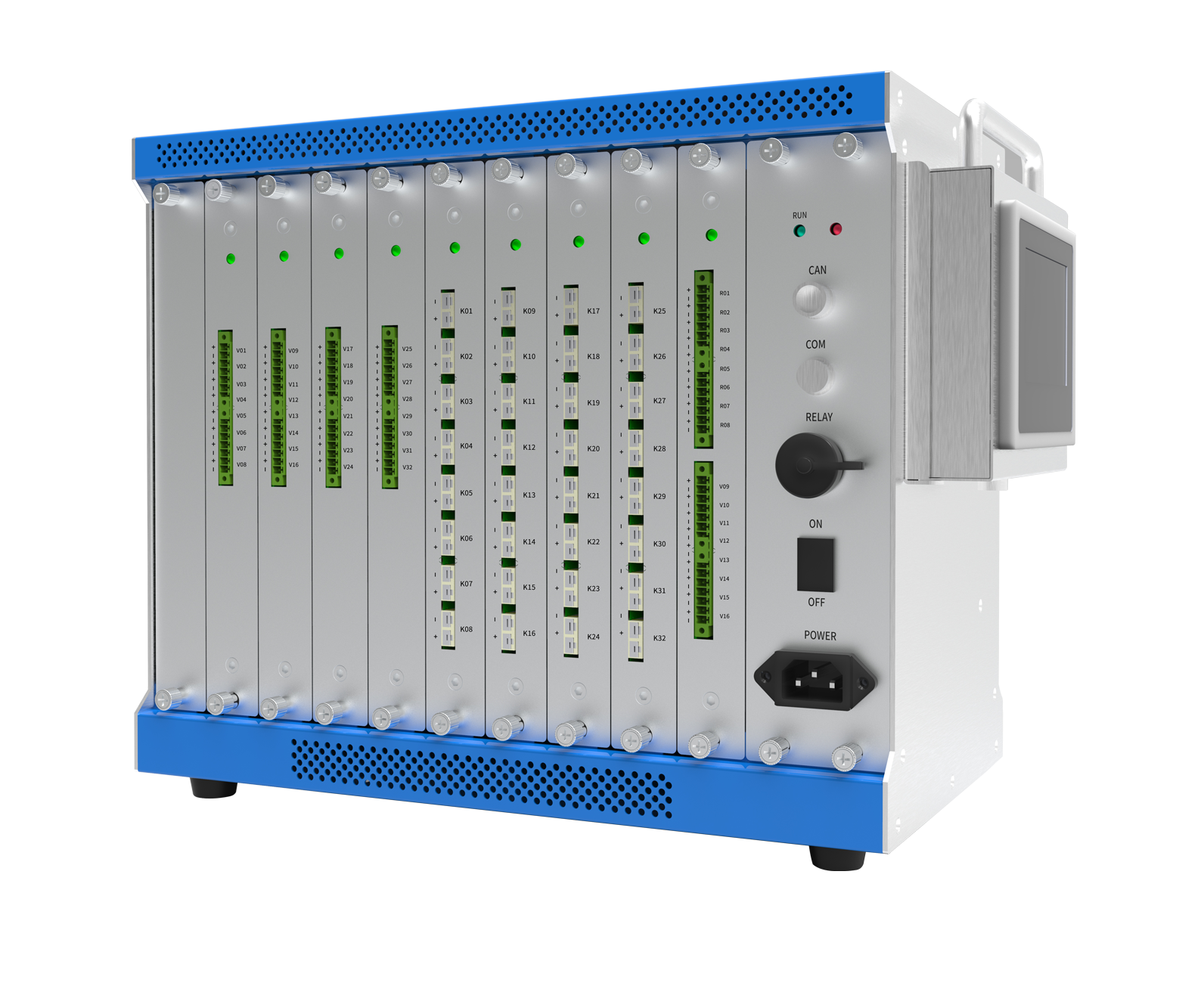
Optional Accessory - Auxiliary Sampling Module
Beijing Soaring Electric Technology Co., Ltd.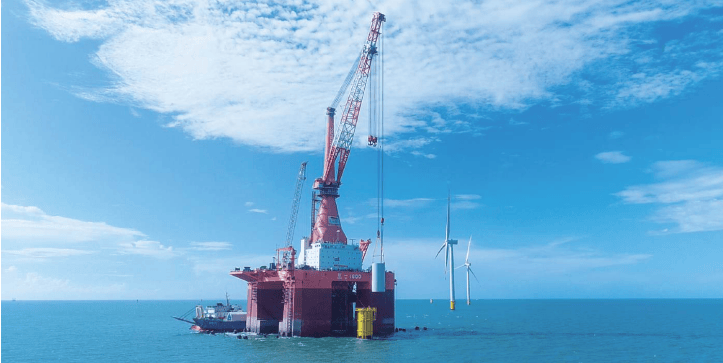
"Shunyi 1600" Deep-submerging Bottom-sitting Multi-functional Wind Power Engineering Vessel
Zhengli Offshore Engineering Co., Ltd.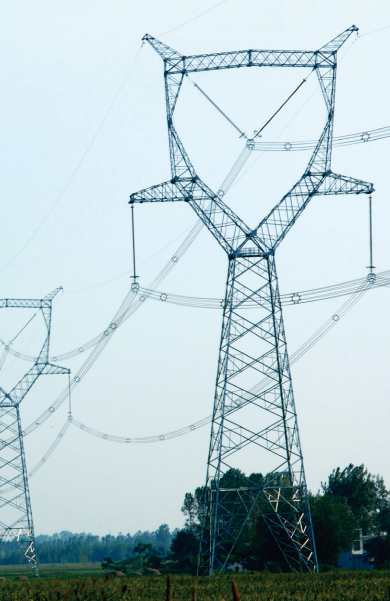
1000kV Jin Southeast-Nanyang-Jingmen UHV AC Transmission and Transformation Pilot Demonstration Project
Anhui Hongyuan Steel Tower Co., Ltd.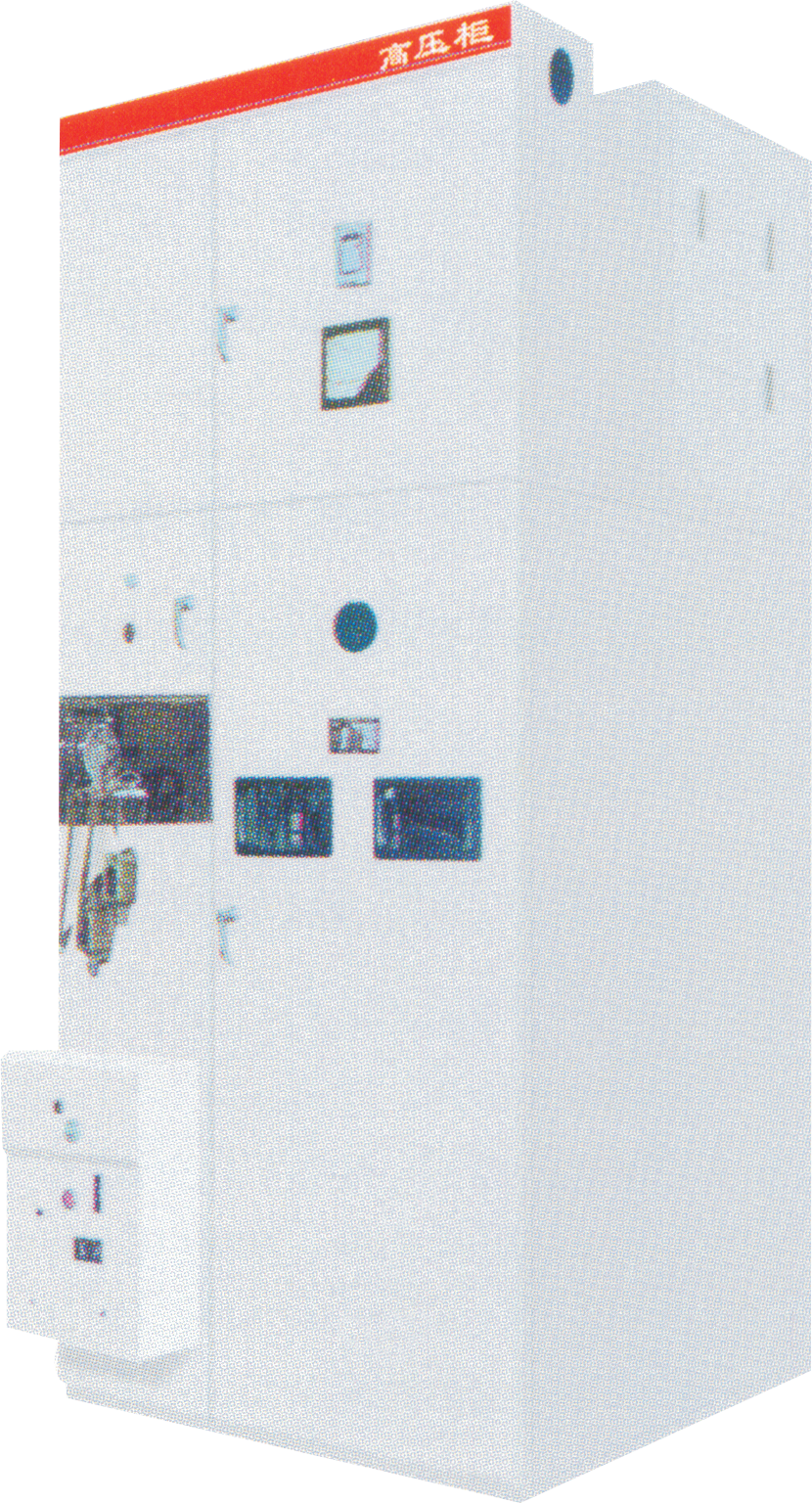
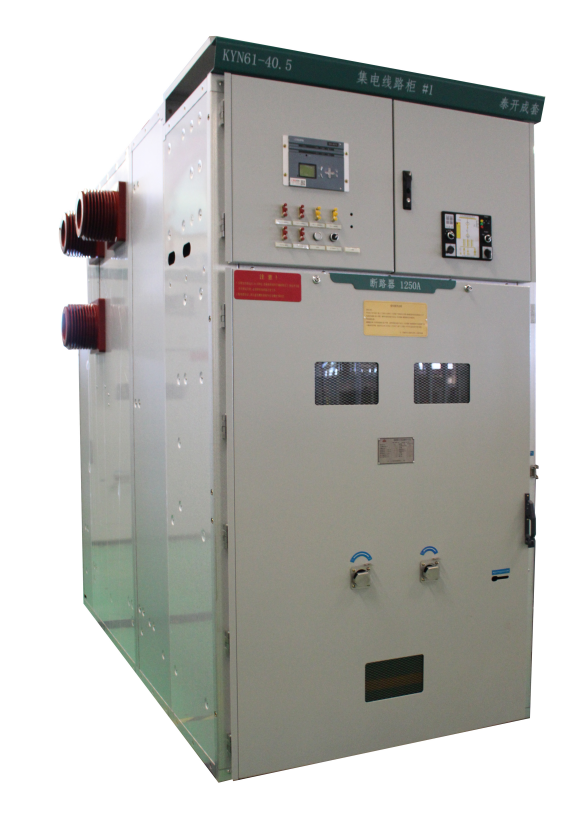
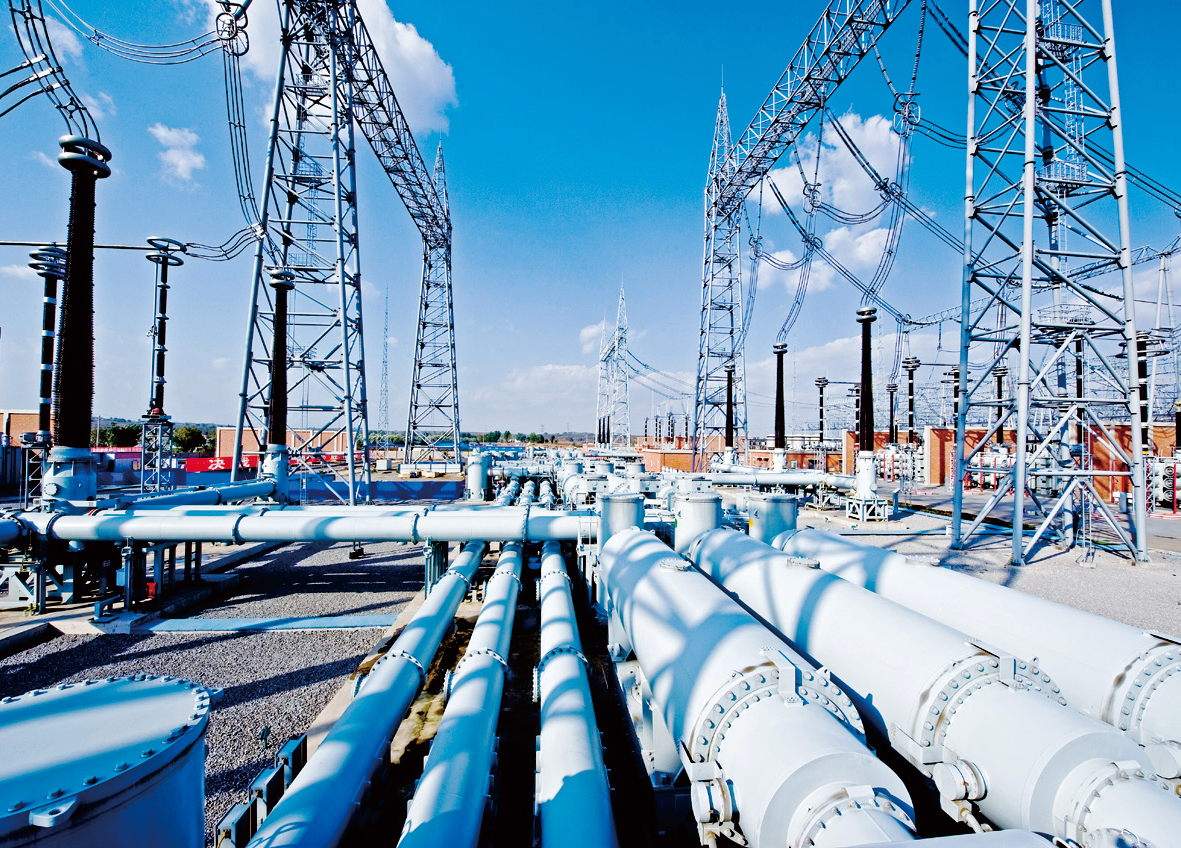
40.5kV-1100kV Gas Insulated Metal-Enclosed Switchgear (GIS)
Henan Pinggao Electric Co., Ltd.