US Westinghouse eVinci Microreactor Completes Criticality Test
en.Wedoany.com Reported - On August 24, Westinghouse completed a zero-power criticality test of its eVinci microreactor at the Nevada National Security Site in the United States, validating key assumptions in the reactor physics model and core design. The test was conducted at 10:39 a.m. local time at the National Criticality Experiments Research Center (NCERC), with participation from Los Alamos National Laboratory and Idaho National Laboratory.
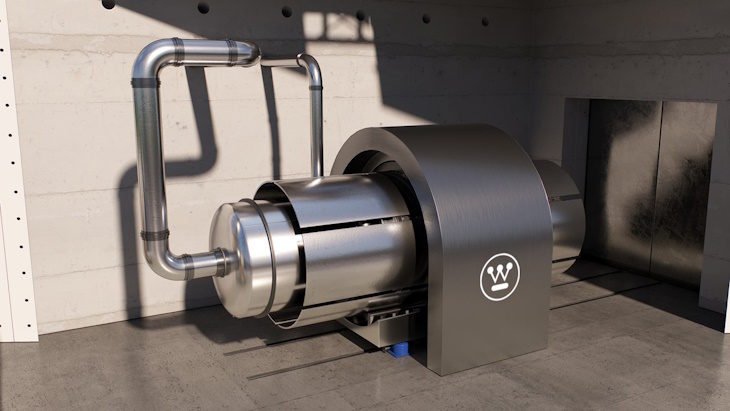
The test brought the eVinci core to a critical state capable of sustaining a controlled self-sustaining nuclear fission chain reaction, though it did not proceed to power generation operation. The data obtained from the test is primarily used to calibrate core calculation models, nuclear design parameters, and subsequent prototype designs. In the next phase, Westinghouse will continue to validate system performance, operability, and manufacturing feasibility through prototype testing and demonstration efforts.
The eVinci employs heat pipe cooling technology, with a commercial design thermal power of 15 MW and a maximum electrical power of 5 MW, and utilizes TRISO fuel, graphite core materials, and control drum structures. The reactor is designed to operate continuously at full power for more than 8 years on a single fuel load, and features a factory-fabricated and assembled design that can be transported to project sites for deployment. Target application scenarios cover remote areas, mines, industrial facilities, data centers, and defense installations.
In addition to this zero-power criticality test, Westinghouse is also advancing the eVinci fueled reactor experiment. The National Reactor Innovation Center (NRIC) has included eVinci in the DOME microreactor test platform project at Idaho National Laboratory. Its test reactor adopts an approximately one-fifth scale design, with a thermal power of 3 MW and an electrical power of about 1 MW, to validate key technologies for the commercial version of eVinci. The DOME facility completed construction in March 2026 and can accommodate fueled reactor experiments with a thermal power of up to 20 MW.
Commercial deployment licensing efforts are also progressing in parallel. As of August 2026, the U.S. Nuclear Regulatory Commission still lists eVinci as a pre-application review project for advanced reactors. Regulators have previously completed reviews of technical documents such as its principal design criteria, but eVinci has not yet obtained a construction or operating license for a commercial nuclear power project. Therefore, this criticality test should be classified as a technical R&D and design validation milestone, rather than the commissioning of a commercial unit.
Westinghouse and Pennsylvania State University are advancing another eVinci deployment plan. The university has submitted an intent letter to the U.S. Nuclear Regulatory Commission, planning to construct a new nuclear research facility at its University Park campus and install a 15 MW thermal power eVinci microreactor. Existing project documents target reactor startup for 2028–2029, but the project remains in the licensing and preliminary development stage.
With the completion of this zero-power criticality test, eVinci has progressed from individual heat pipe, material, and component validation to fueled core physics validation. The subsequent DOME fueled reactor test, regulatory licensing progress, and the Pennsylvania project construction schedule will serve as key milestones in its transition from an R&D platform to commercial deployment.
Related Products


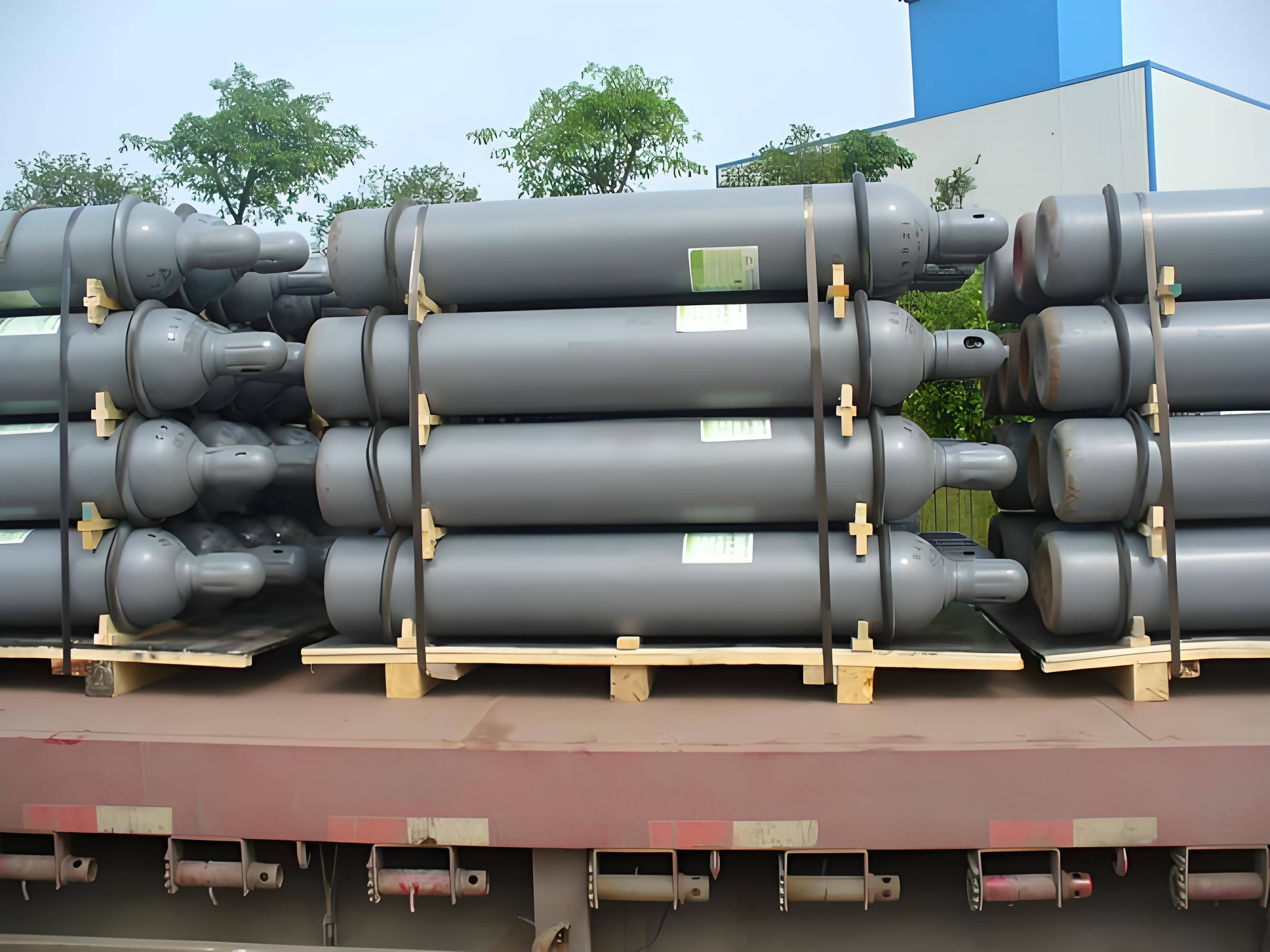
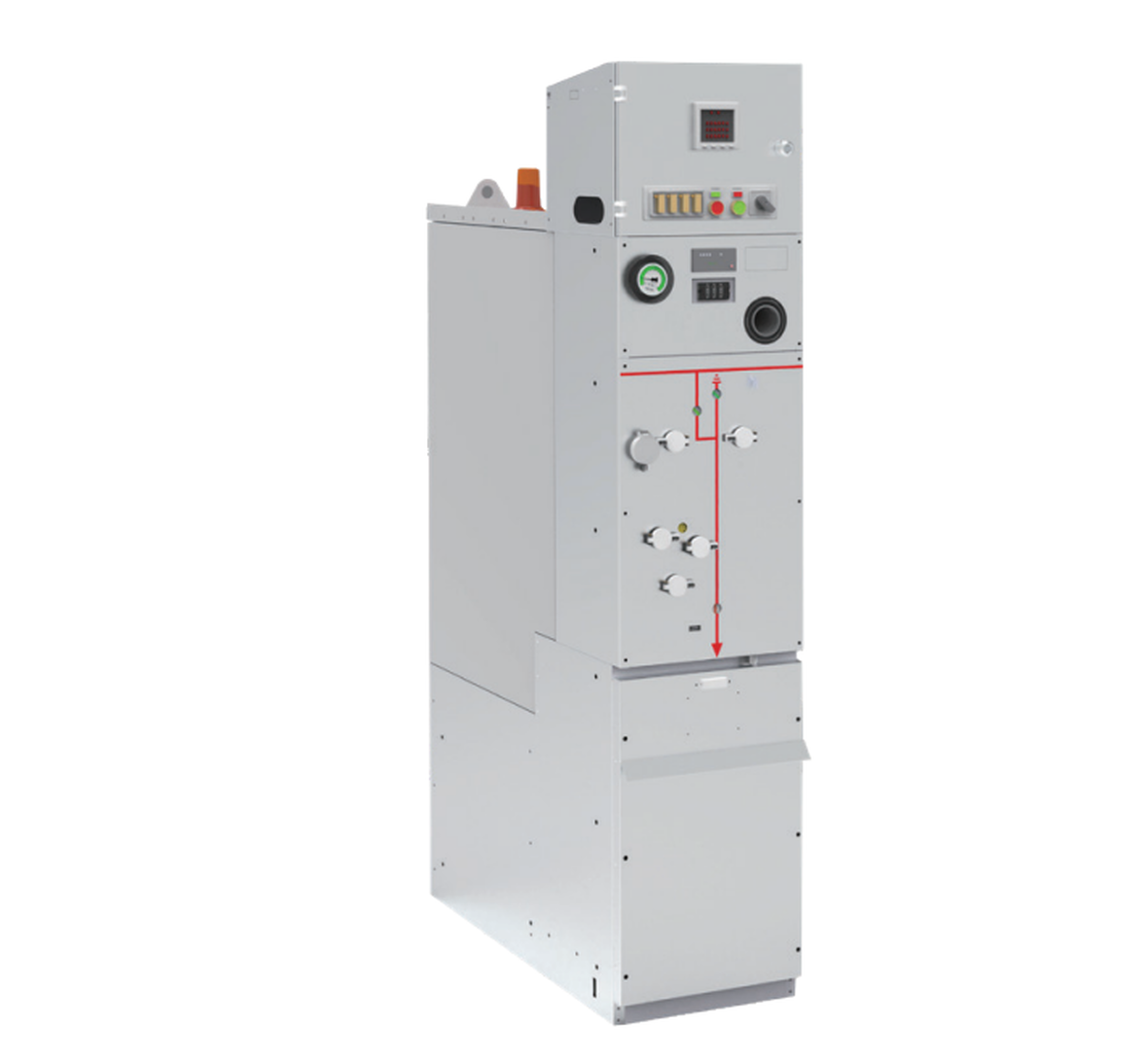
Global Sulfur Hexafluoride Gas Supply and Cylinder Export
Foshan Yuexin Industrial Gas Co., Ltd.
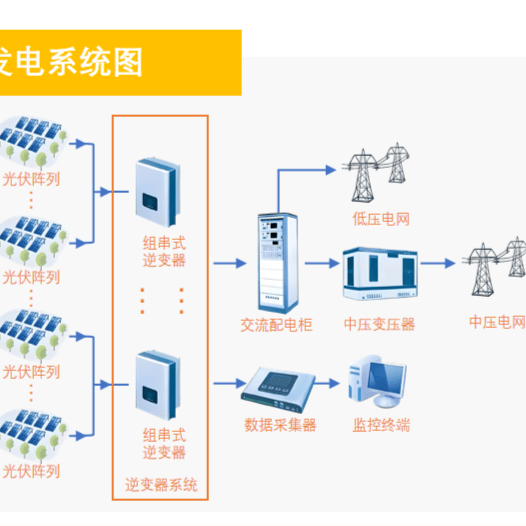
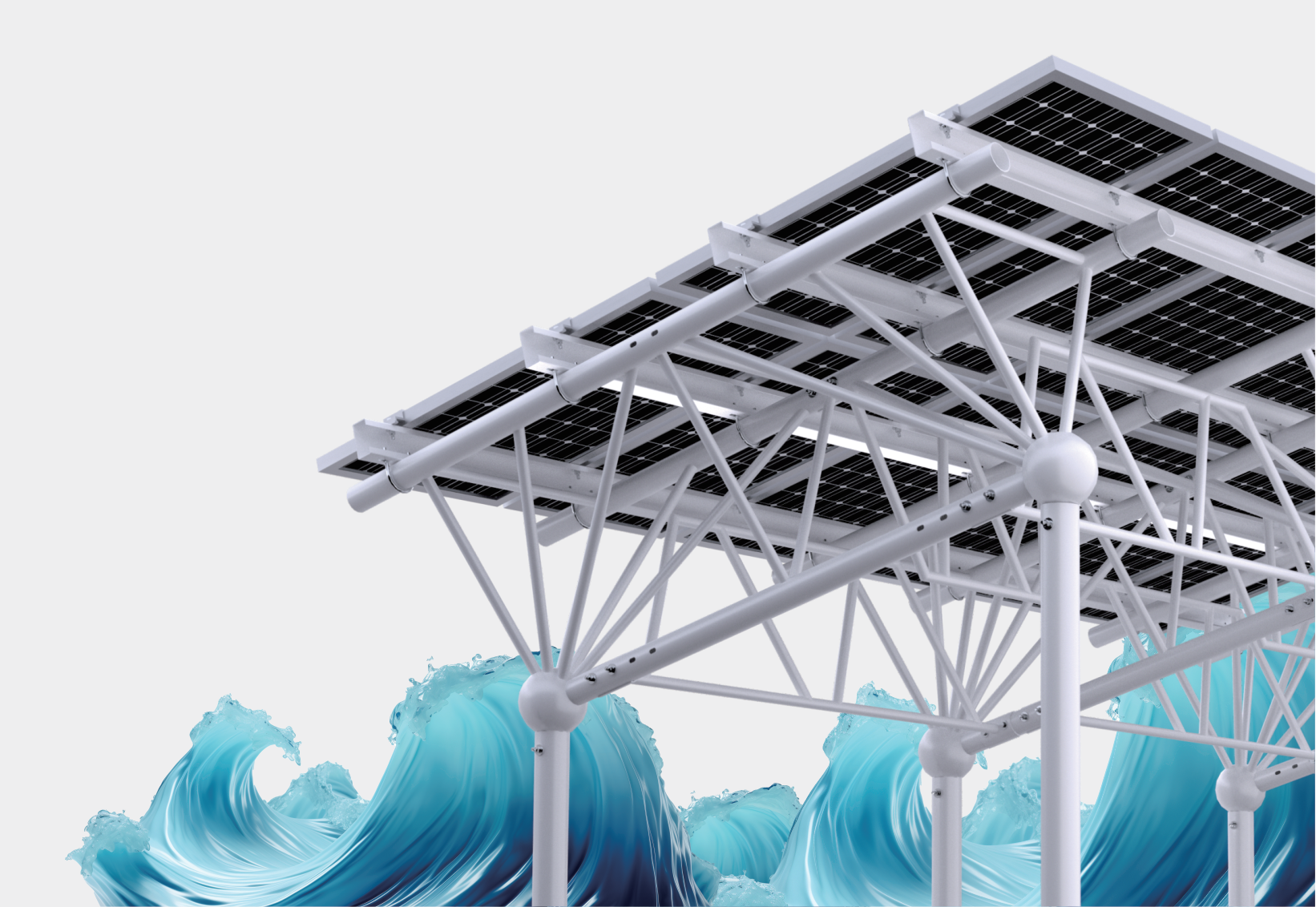
Photovoltaic and Wind Power Generation Technology
Beijing Boqi Electric Power SCI-TECH Co., Ltd.
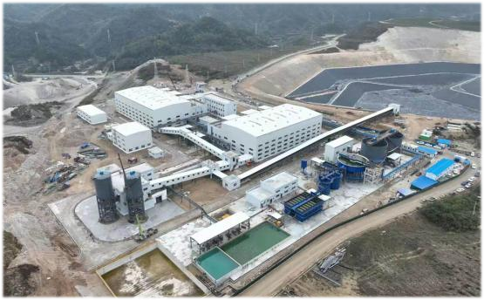
Yingping Mining Section Open-pit Tailings Backfill Treatment of Goaf Ecological Restoration EPC Project
China Bluestar Lehigh Engineering Corporation