U.S. Beehive Develops Turbojet Engine with 3D Printing, Reducing Parts to 40
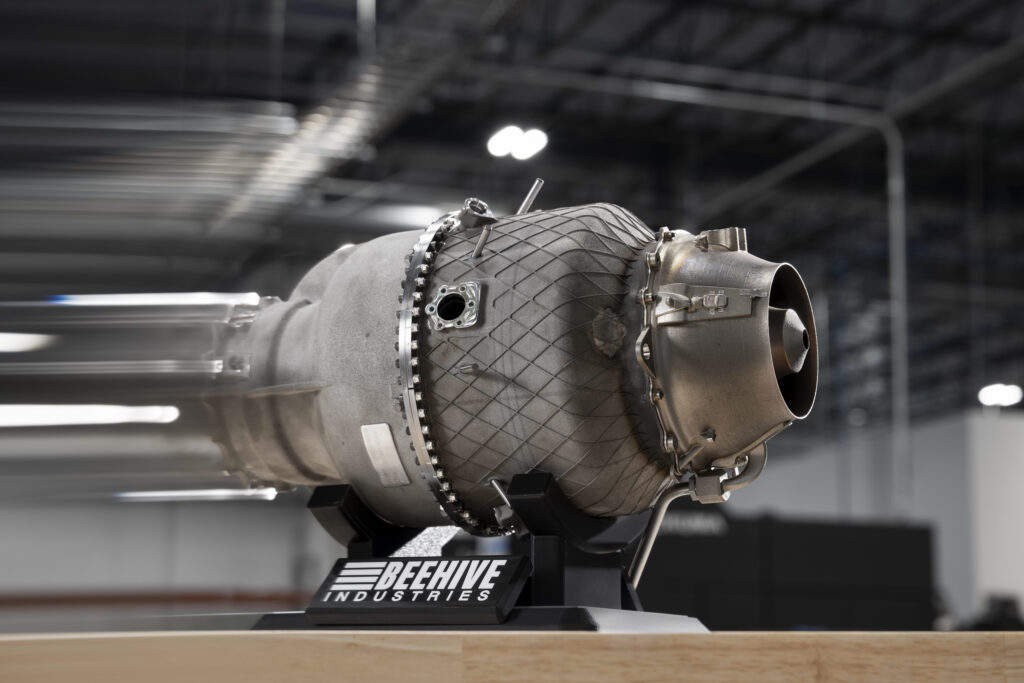
en.Wedoany.com Reported - U.S. additive manufacturing company Beehive Industries is developing turbojet engines for one-way flight platforms such as drones, with 3D printing technology at its core. In a recent interview, Chief Product Officer Gordie Follin revealed that the turbomachinery section of its flagship Frenzy turbojet engine consists of only 5 parts, compared to roughly 200 in conventional designs; the entire engine, including bolts and washers, has about 40 parts, a significant reduction from the more than 400 found in traditional configurations.
Follin spent over two decades at GE Aerospace and Pratt & Whitney, contributing to the development of the GE Catalyst engine, before joining Beehive Industries five years ago. According to him, the team early on surveyed fields such as industrial gas turbines, rockets, dental, and medical devices, ultimately selecting aerospace and defense as the primary focus based on a balanced trade-off of performance, weight, cost, and schedule. They subsequently narrowed their focus further to unmanned systems to simplify certification processes and accelerate iteration speed.
The Frenzy is not Beehive's first product. The company initially built and tested multiple demonstration engines, with some designs inspired by the X-61 Gremlin program. Follin noted that the first demonstration engine went from a blank sheet to first test in just seven months. Subsequently, driven by funding opportunities from programs such as the Extended Range Attack Munition (ERAM) and the Affordable Massive Missile Family (FAMM), Beehive entered the smaller-class engine market. Follin recalled that three years ago, customers said they needed to see a product within three years but believed no one could develop an engine that fast—a expectation the company's actual pace shattered.
Beehive Industries is not purely a print shop. In its early days, the company printed parts on demand for other industries, and it still produces parts for companies in power generation, aerospace, and defense. Some of these parts are printed directly via powder bed fusion, while others are completed through additive casting—directly 3D printing ceramic molds for pouring, replacing the traditional multi-step wax pattern process. The company recently added metal casting capabilities to choose the more economical route between additive manufacturing and conventional casting depending on production volume. Follin stated that cast parts perform identically to printed ones; currently, the cost of in-house printed turbines and cast turbines is roughly the same, but sourcing cast turbines externally would cost far more than printing them in-house.
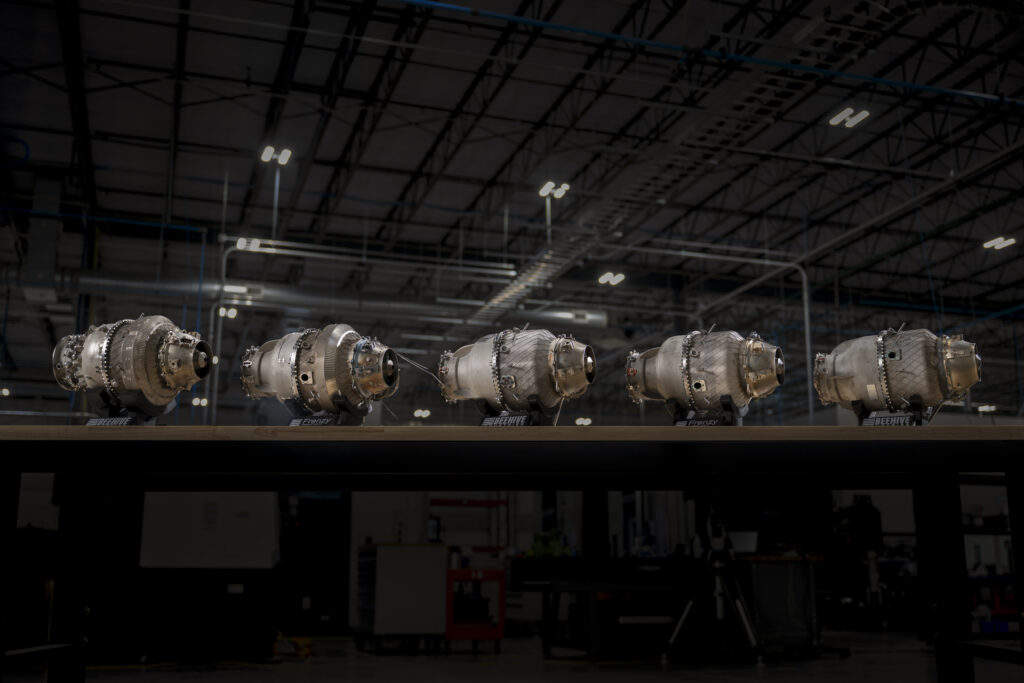
In design and manufacturing, Beehive has fully adopted a Design for Additive Manufacturing (DfAM) approach. The Frenzy engine's center frame integrates the compressor diffuser, combustor casing, combustor liner, bearing housing, first-stage turbine nozzle, fuel nozzle, and fuel manifold, printed as a single monolithic part. Follin stated that this structure is impossible to achieve with conventional manufacturing. In terms of efficiency gains, Beehive does not focus on reducing the surface roughness of printed blades but instead captures benefits by eliminating leak paths and optimizing aerodynamic design. For areas with extremely tight tolerances or high stress, such as turbine blade tips and shaft interfaces, machining operations are retained, but the printed parts are not subjected to overall finish machining.
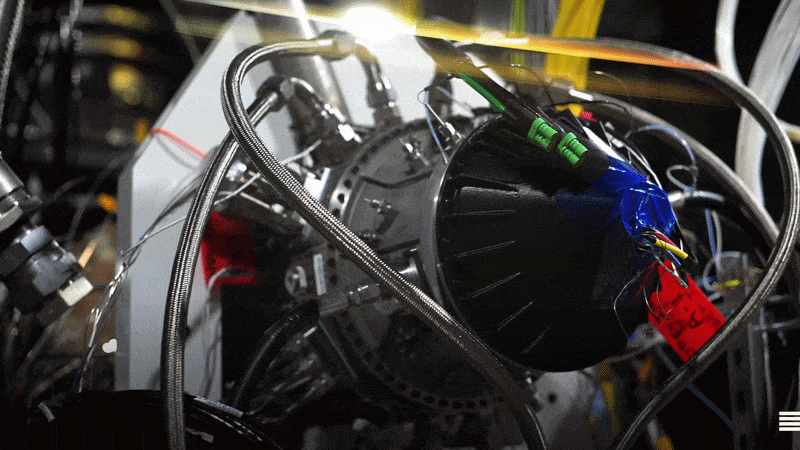
Follin stated that the Frenzy is 20-30% more efficient than comparable conventionally manufactured engines. The company is currently ramping up production capacity, planning to trial-produce a large number of engines in just one to two weeks through a "manufacturing demonstration" approach in preparation for volume production. Beehive expects to build hundreds of engines this year, thousands by 2027, and possibly around 10,000 the following year. In terms of hiring, the company prefers engineers with industry experience in additive manufacturing or jet engines, and involves machinists in design reviews to avoid designing parts that cannot be manufactured.
Regarding whether the company would use printers from Chinese additive manufacturing equipment suppliers BLT or Farsoon, Follin made clear it would not be considered. He explained that the issue is not the printers' technical capability but data security. The company works on military applications and will continue to use components manufactured in the U.S. or allied countries. He noted that information leakage is possible during equipment maintenance, so caution is essential; the application scenario's impact on the process flow is as important as other factors.
Related Products

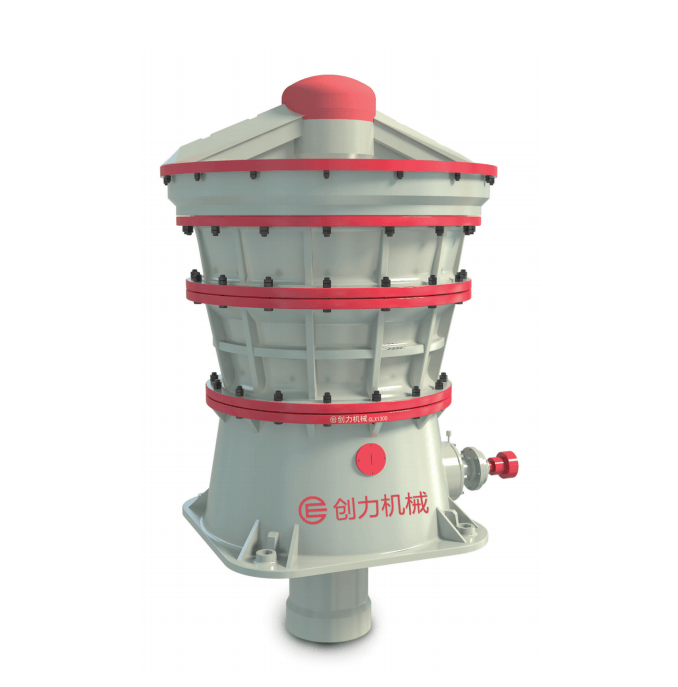
CLX Series Intelligent Hydraulic Gyratory Crusher
Guangdong CHUANGLI intelligent machinery Equipment Co., LTD
CAP1400 main feedwater flow nozzle flowmeter.
Jiangsu Hongda Instrument Technology Co., LTD.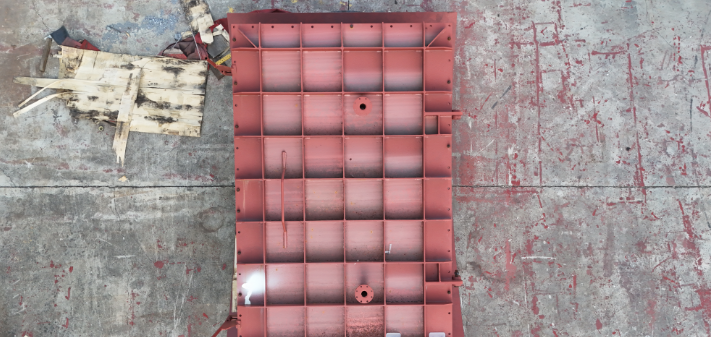
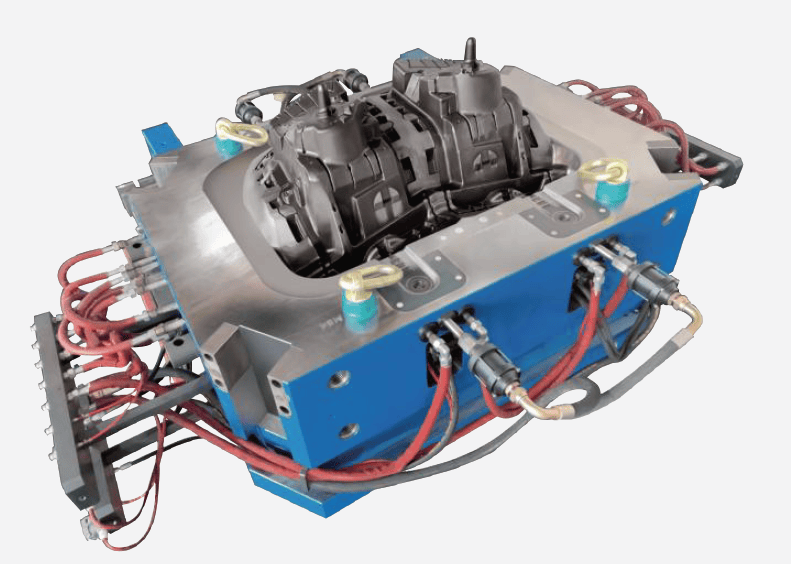
Aluminum-Magnesium Alloy High-Pressure Die-Casting Molds
NINGBO HELI TECHNOLOGY CO., LTD.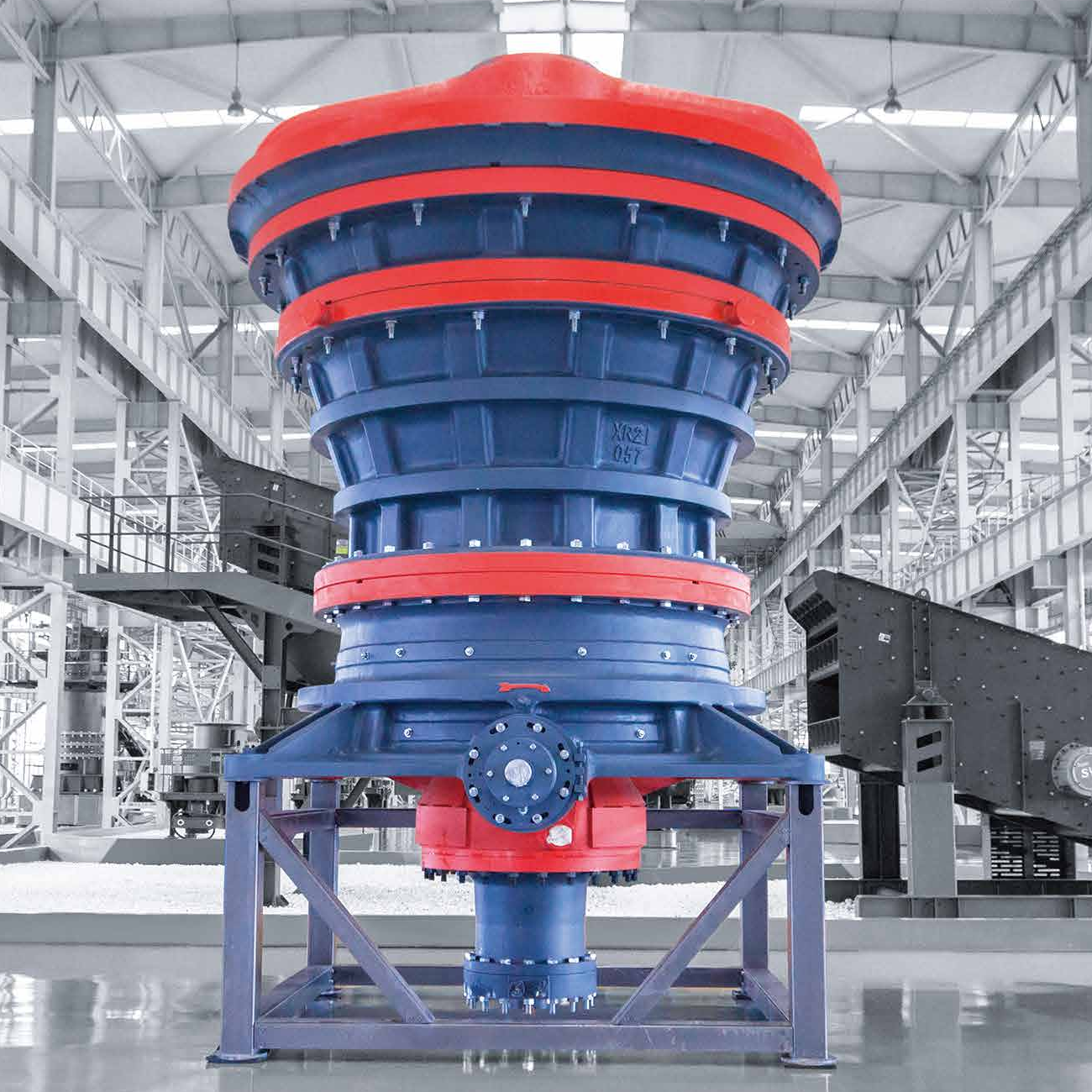
QLZNGJ Intelligent Steel Reinforcement Trolley
Luoyang China Railway Qiangli Machinery Co., Ltd.