Approximately 3-meter opening confirmed at bottom of reactor pressure vessel of Unit 3 at Japan's Fukushima Daiichi Nuclear Power Station
en.Wedoany.com Reported - On August 27, Tokyo Electric Power Company (TEPCO) released the latest analysis results of the internal investigation of the reactor containment vessel of Unit 3 at the Fukushima Daiichi Nuclear Power Station. After establishing three-dimensional point cloud data based on images captured by a micro drone in March this year, an elliptical space with a maximum diameter of approximately 3 meters was identified at the bottom of the reactor pressure vessel. TEPCO's measurements found that the structure previously judged in the images to be the bottom of the reactor pressure vessel matches the original design drawings in both position and thickness, leading to the assessment that it is highly likely to be the bottom of the reactor pressure vessel.
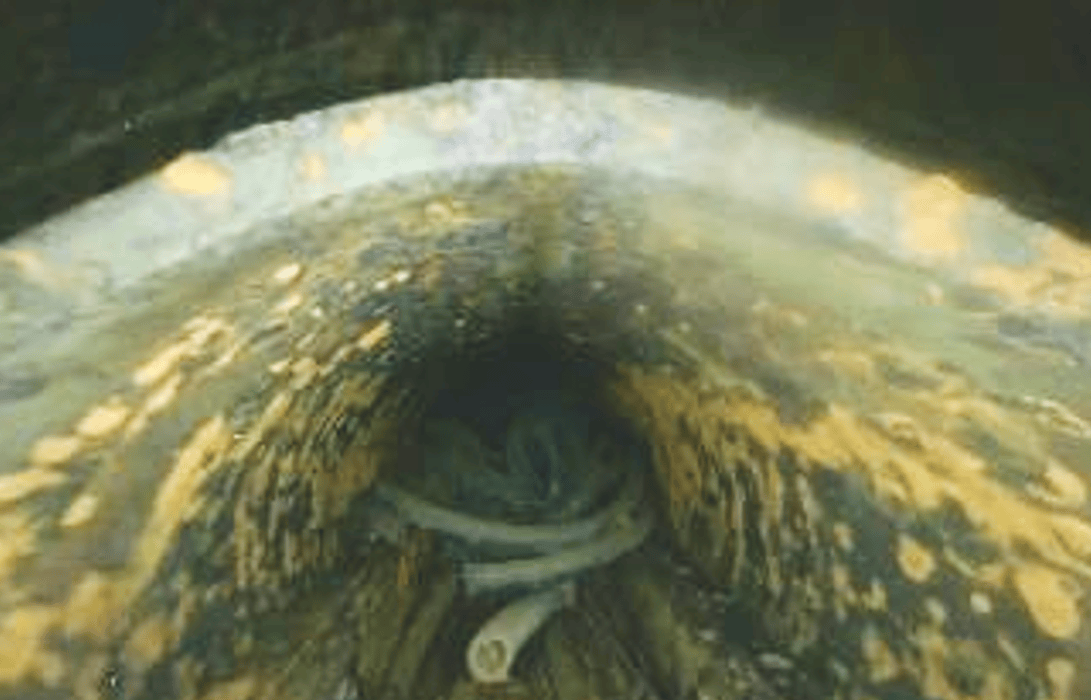
Three-dimensional analysis shows that the reactor pressure vessel has a diameter of approximately 5.5 meters, with the maximum diameter of the bottom opening being approximately 3 meters. During this investigation, the drone flew up to a position approximately 9.4 meters from the bottom of the pedestal, and TEPCO determined that it briefly entered the interior of the reactor pressure vessel during its flight. The survey images also recorded the fall of original structures inside the reactor pressure vessel, as well as the presence of deposits and adhered materials near the bottom, but whether these materials constitute fuel debris still requires confirmation through subsequent investigations.
The micro drone used in this investigation measures 130 × 120 × 40 mm, weighs approximately 95 grams including the battery, has a single-flight duration of approximately 13 minutes, and is equipped with a 2.7K camera and LED lighting. The drone entered the containment vessel through the X-53 penetration with an inner diameter of approximately 140 mm, and the captured images were subsequently processed using Structure from Motion technology to generate three-dimensional point cloud data. TEPCO further estimated radiation dose rates based on radiation noise in the images, with readings inside the pedestal ranging from approximately 1.5 to 7.5 Gy/h, of which the estimated value near the bottom of the reactor pressure vessel was the highest.
TEPCO plans to conduct a second micro drone investigation within fiscal year 2026, focusing on the distribution of fuel debris and deposits in the basement level of the containment vessel. The company will improve the drone's communication functions and attempt to enter the southeast area outside the pedestal and the area above the bottom of the reactor pressure vessel, which could not be reached during previous flights. The basement level, which was still submerged during the March investigation, has now emerged above water as the water level in the containment vessel has declined.
The total amount of fuel debris in Units 1 to 3 at the Fukushima Daiichi Nuclear Power Station is estimated at approximately 880 tons, comprising 279 tons in Unit 1, 237 tons in Unit 2, and 364 tons in Unit 3. TEPCO is currently advancing a large-scale retrieval plan for Unit 3 that involves entering from above the reactor pressure vessel and recovering fuel debris from the side of the containment vessel. Preparations are expected to take 12 to 15 years, with large-scale retrieval scheduled to begin in fiscal year 2037 or later.
Related Products

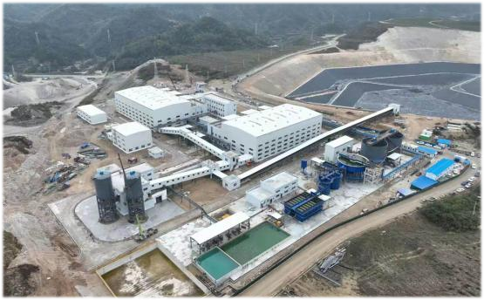
Yingping Mining Section Open-pit Tailings Backfill Treatment of Goaf Ecological Restoration EPC Project
China Bluestar Lehigh Engineering Corporation
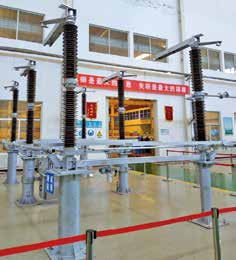
GW4-40.5/72.5/126/145/170/252/363/420 Series Double-column Horizontal Rotary High-voltage AC Disconnect Switch
SHANDONG TAIKAI DISCONNECTORS CO., LTD.
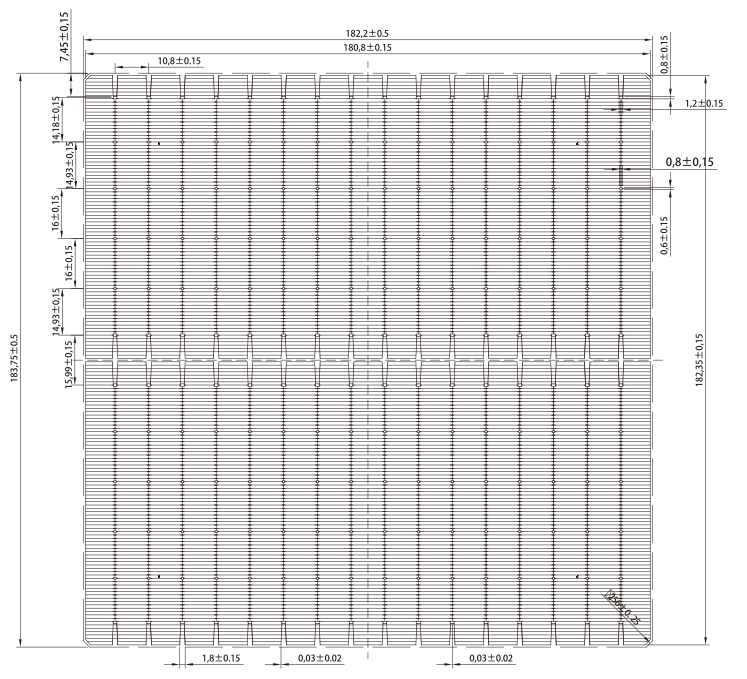
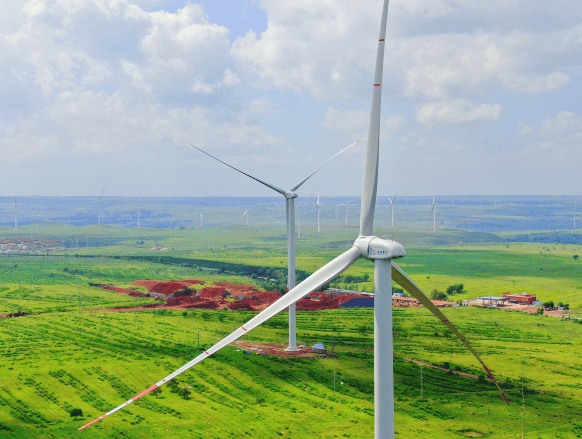
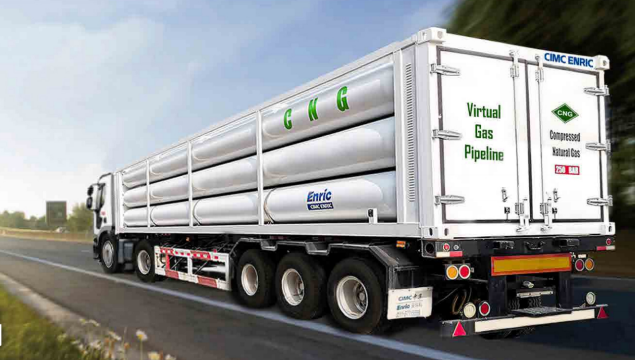
TAI Slew-drive Single-axis Independent 1P Tracking Bracket System
ANTAI TECHNOLOGY CO., LTD.