Lisbon's 16E Tram Project Consultation Open Until September 30, €160 Million Investment
en.Wedoany.com Reported - The public consultation window for Lisbon's 16E tram line project remains open until September 30. The planned route, connecting Terreiro do Paço to Parque Tejo, proposes four alternative alignments in addition to the reference route, one of which may pass along Avenida Dom João II.
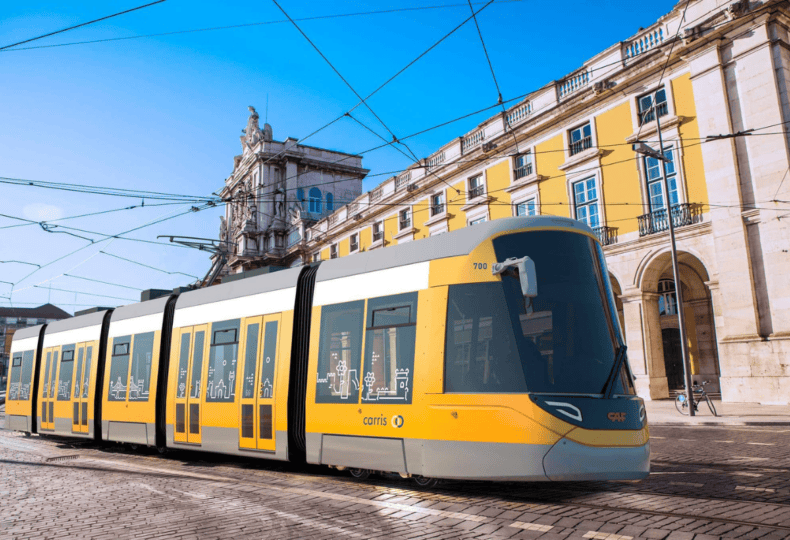
The 16E tram project, unveiled in April 2025, aims to strengthen connections between Parque Tejo, the city's easternmost area, and central Lisbon using a rapid tram operating in a surface light rail (metro ligeiro de superfície) mode. The planned route spans approximately 11 kilometers and includes 17 stops.
The municipal company Carris is responsible for defining the route. Its proposal is based on the reference alignment of the Eastern Sustainable Intercity Line (LIOS) project, incorporates the study area surrounding the route, and extends the analysis to identify zones where potential conflicts may arise when inserting the tracks into the urban landscape. In the Environmental Impact Assessment (EIA) published on the Participa website, both the reference route and the four alternatives are deemed feasible "from a technical and environmental standpoint."
The construction of the 16E line involves three interconnected projects: extending the existing 15E line from Campo das Cebolas to Santa Apolónia; rebuilding and redesigning Santa Apolónia square due to works under Lisbon's General Drainage Plan (PGDL); and extending the 16E line northward from Santa Apolónia along Avenida Infante Dom Henrique to Parque Tejo. The 15E line currently operates between Praça do Comércio/Praça da Figueira and Algés in the municipality of Oeiras.
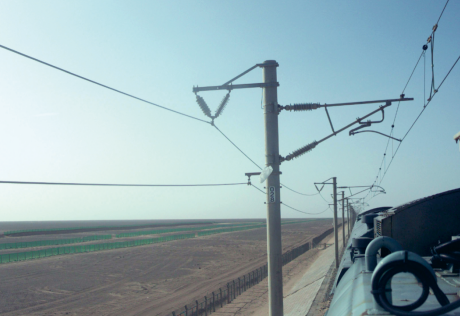
Under the plan, the 16E tram would connect Praça do Comércio to the southern part of Parque das Nações in 15 minutes, with a 22-minute journey to the central area of Parque das Nações. The line operates entirely on a 100% dedicated right-of-way, independent of traffic and with no barriers along the route, with an average reference operating speed of 25 km/h. The entire line is designed with an overhead catenary system.
The project plans to deploy 28 trams, each with a maximum capacity of 220 passengers. The vehicles are the same model as those recently procured by Carris from the Spanish company CAF, featuring a five-module articulated structure with a total length of 28.5 meters.
The total investment in the project amounts to €160 million, with European co-financing. According to a report by TIS, the project's benefits are estimated at €298 million when accounting for travel improvements and positive environmental impacts, with an expected reduction of 4,800 vehicles per day and a decrease of 124,000 tonnes of CO₂ emissions.
The 16E reference route departs from Santa Apolónia square, runs along Alameda dos Oceanos, and terminates at the transport interchange in Sacavém (in the neighboring municipality of Loures). Along this section, each tram track will occupy one existing lane of road traffic, with the route alternating between single-track and double-track segments.
The four alternative routes follow the same alignment as the reference route. One of the alternatives requires the prior demolition of the Avenida Marechal Gomes da Costa viaduct and adjustments to the new Jardim Ribeirinho in the area of the old Matinha line canal; another alternative runs along Avenida Dom João II, operating on a side-mounted single track up to the intersection with Avenida da Peregrinação, north of Moscavide, where it becomes double-track.
The EIA identifies the reference route as the "most favorable option," stating that it presents the "best overall balance" between enhancing beneficial effects and mitigating negative impacts. All route options involve tree transplantation, with the affected areas concentrated mainly along Avenida Infante Dom Henrique, Avenida Dom João II, and Alameda dos Oceanos. The EIA states that these negative impacts "may be significant but are compensable/minimizable during the subsequent detailed design phase." Additionally, the project plans to build a depot and workshop under the Vasco da Gama bridge, with 15 parking spaces for the fleet's maintenance and cleaning operations.
Related Products


3m intelligent buoy combining navigation safety and real-time marine monitoring integrated navigation and marine monitoring system for real-time maritime data
Chengdu Dixin Technology Co., Ltd.



Pantograph-Catenary Comprehensive Detection Device (1C)
CHENGDU TANGYUAN ELECTRIC CO., LTD.
GSR6-27.5kV SF6 Free Gas-insulated Metal-enclosed Switchgear
Zhejiang Juhonkia Intelligent Electric Co., Ltd.