U.S. Refinery Utilization Hits 97.4%; Reduced Q4 Turnarounds Support Product Tanker Market
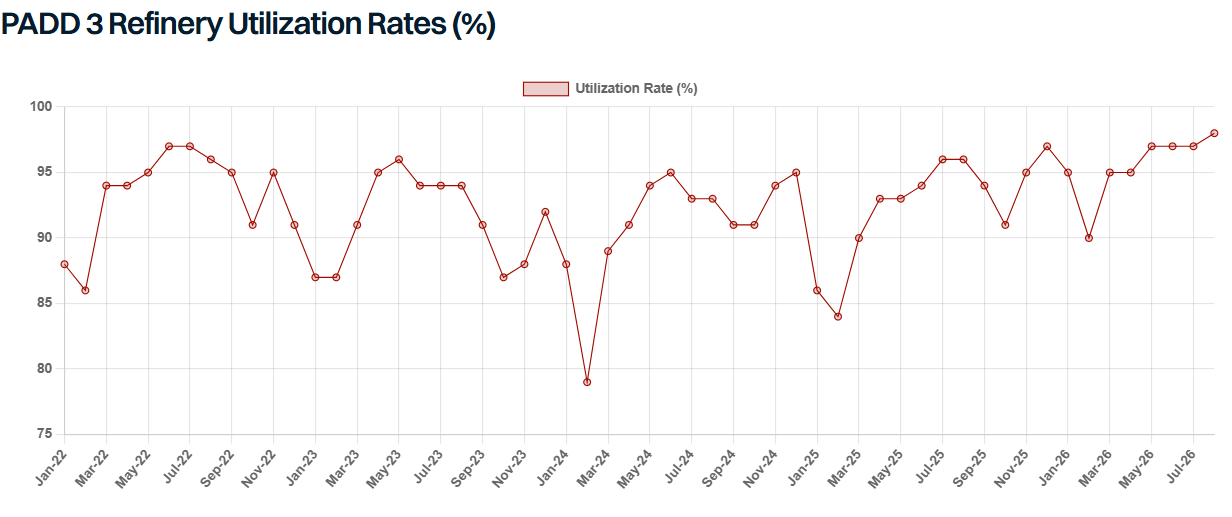
en.Wedoany.com Reported - Shipbroker Gibson, in its latest weekly report, stated that U.S. refineries have confirmed significantly fewer turnaround plans this fall than usual, with strong profit margins making them reluctant to shut down during the traditional maintenance season. Citing data, Gibson noted that U.S. refinery utilization rose to 97.4% last week, the highest level since 2018. October is typically the peak period for refinery turnarounds, a phase that has historically weighed on freight rates, but this year the situation differs. Should an unexpected twist occur during the turnaround season, the product tanker market could face limited cargo availability. This scenario is expected to support product tanker rates in the U.S. Gulf region during the fourth quarter.
In PADD 3, the only confirmed turnaround currently comes from Exxon's Beaumont refinery: a fluid catalytic cracking (FCC) unit and at least two hydrotreating units will undergo maintenance, lasting approximately 45 days, from early December to mid-January. With such minimal FCC turnaround activity, gasoline exports from PADD 3 are likely to remain elevated in the fourth quarter.
Distillate supply also appears ample. The concentrated crude distillation unit (CDU) turnarounds that typically pressure the market in October and November are largely absent this year. PBF has postponed the CDU and coker turnaround at Chalmette to 2027, and CITGO has made similar arrangements for its coker at Lake Charles. Valero expects Gulf Coast processing rates to remain in a robust range of 1.78 million to 1.83 million barrels per day in the third quarter. The International Energy Agency (IEA) projects that North American refinery throughput will decline from 20.5 million barrels per day in August to 18.8 million barrels per day in October, a drop of about 8%, before recovering to 19.5 million barrels per day in November. Gibson also cautioned that not all turnaround plans are publicly disclosed, and some units may opt for light maintenance under the current commercial environment.
On the freight front, based on current fundamentals, the impact on the U.S. Gulf-to-Latam short-haul routes and the U.S. Gulf-to-Europe routes is limited. Fewer turnaround projects can curb market disruptions in the fourth quarter, but this may simply push deferred maintenance into the first half of 2027. With limited turnarounds in the U.S. Gulf and sustained export flows, the U.S. Gulf-to-Europe diesel arbitrage window could remain open longer than usual; while high Gulf Coast utilization supports export supply, it also suppresses Latin American import parity.
The primary risk is not planned outages but unplanned shutdowns. Deferred turnarounds leave the system running near full capacity, with little spare capacity to absorb unexpected disruptions; the Atlantic hurricane season lasts until November 30. This year's El Niño conditions typically help suppress storm activity, but the probability of a disruption this season is not zero and remains a major concern.
The Panama Canal is another major variable. Transit restrictions are tightening and could worsen further, and if so, freight rates on the U.S. Gulf-to-West Coast South America (WCSA) route could rise rapidly. WCSA's clean petroleum product (CPP) imports rely heavily on the U.S. Gulf, with limited alternative suppliers. The allocation of transit rights is tightening available tonnage for product tankers, and combined with supportive trade economics, this could generate strong bullish sentiment on the route. As disruption effects spread and freight rates on alternative routes rise, other regional routes may also gain support.
Gibson also raised a follow-up question: when will the deferred maintenance ultimately materialize, and freight rates may feel the corresponding impact at that time. If postponed long enough, a concentrated turnaround period is likely in early 2027; however, refineries can manage this by staggering maintenance on individual units rather than shutting down entire plants at once. Whether staggered turnarounds can be executed depends on profit margins remaining strong into the new year—possible, but not certain. In any case, the fundamentals remain unchanged: a significant portion of U.S. refining capacity will eventually require maintenance, and when that day comes, the impact on the product tanker market could be substantial.
Meanwhile, diesel inventories in PADD 3 and PADD 1 are at historically low levels, and local demand could rise in the coming months. This may limit the volume of distillates available for export, especially if domestic prices increase. With U.S. midterm elections scheduled for November, the political sensitivity of domestic prices could come into focus. As a result, both diesel arbitrage and export volumes could face a ceiling, capping the upside potential for the region.

The Russia factor adds uncertainty to the outlook. Restrictions on Russian clean petroleum product exports remain in place, and market speculation of a "possible easing as early as September" has yet to be confirmed. Sustained export restrictions have the greatest impact on South America: the local planting season is approaching, which will boost diesel demand, and U.S. Gulf supplies are well positioned to fill that gap. This is expected to keep the arbitrage economics on the TC18 route firm, benefiting MR tankers on that route. Overall, PADD 3 refineries are likely to maintain high utilization through year-end, supporting gasoline exports and transatlantic diesel arbitrage. The current risk is not the turnaround calendar but unplanned outages hitting a system with virtually no spare capacity—in short, there is no room for error.
Related Products
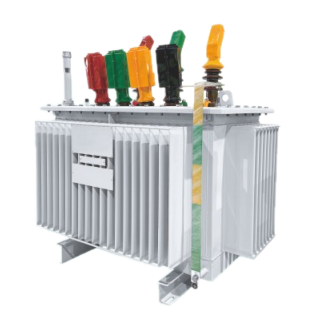

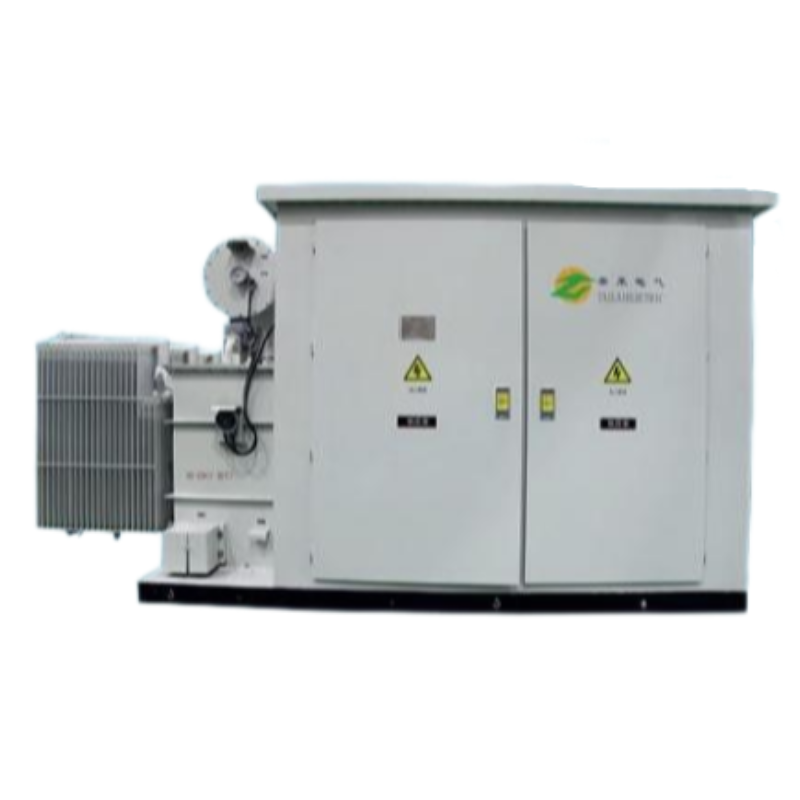
IS(B)□-M·RL Series Oil-immersed 3D Transformer (Planar / 3D Wound Core)
Guangdong Kehua Electric Power Technology Co., Ltd.
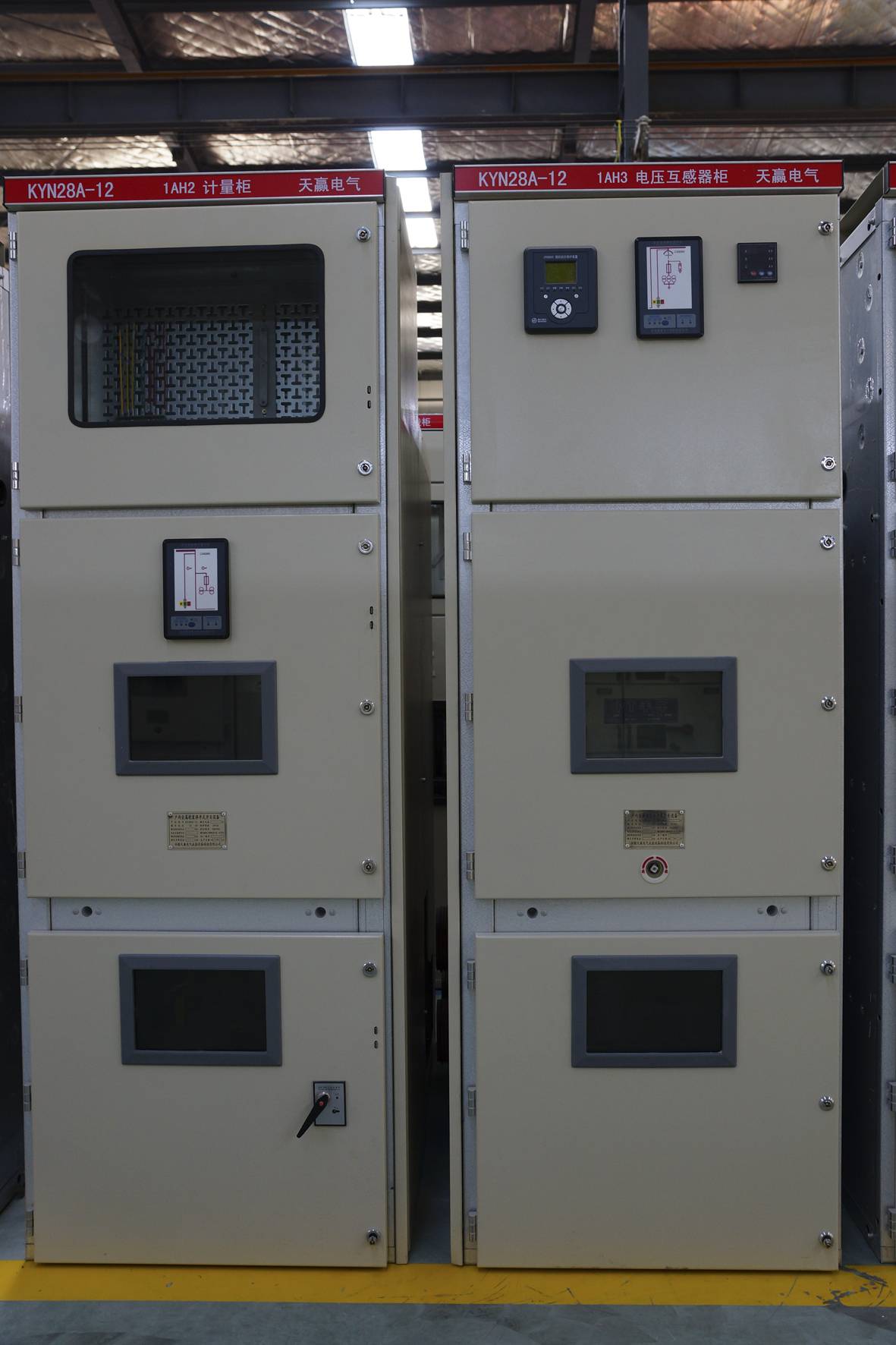
KYN28 - High Voltage Switchgear
Anhui Tianying Electrical Equipment Manufacturing Co., Ltd.
TAI Slew-drive Single-axis Independent 1P Tracking Bracket System
ANTAI TECHNOLOGY CO., LTD.
HI-Pro Green Hydrogen High-efficiency Production System-HI-PRO-AEM
Hydrizon Technology (Beijing) Co., Ltd.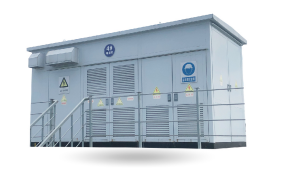
Smart Photovoltaic Prefabricated Substation
Shanghai Jinyou Jinhong Intelligent Electric Co., Ltd.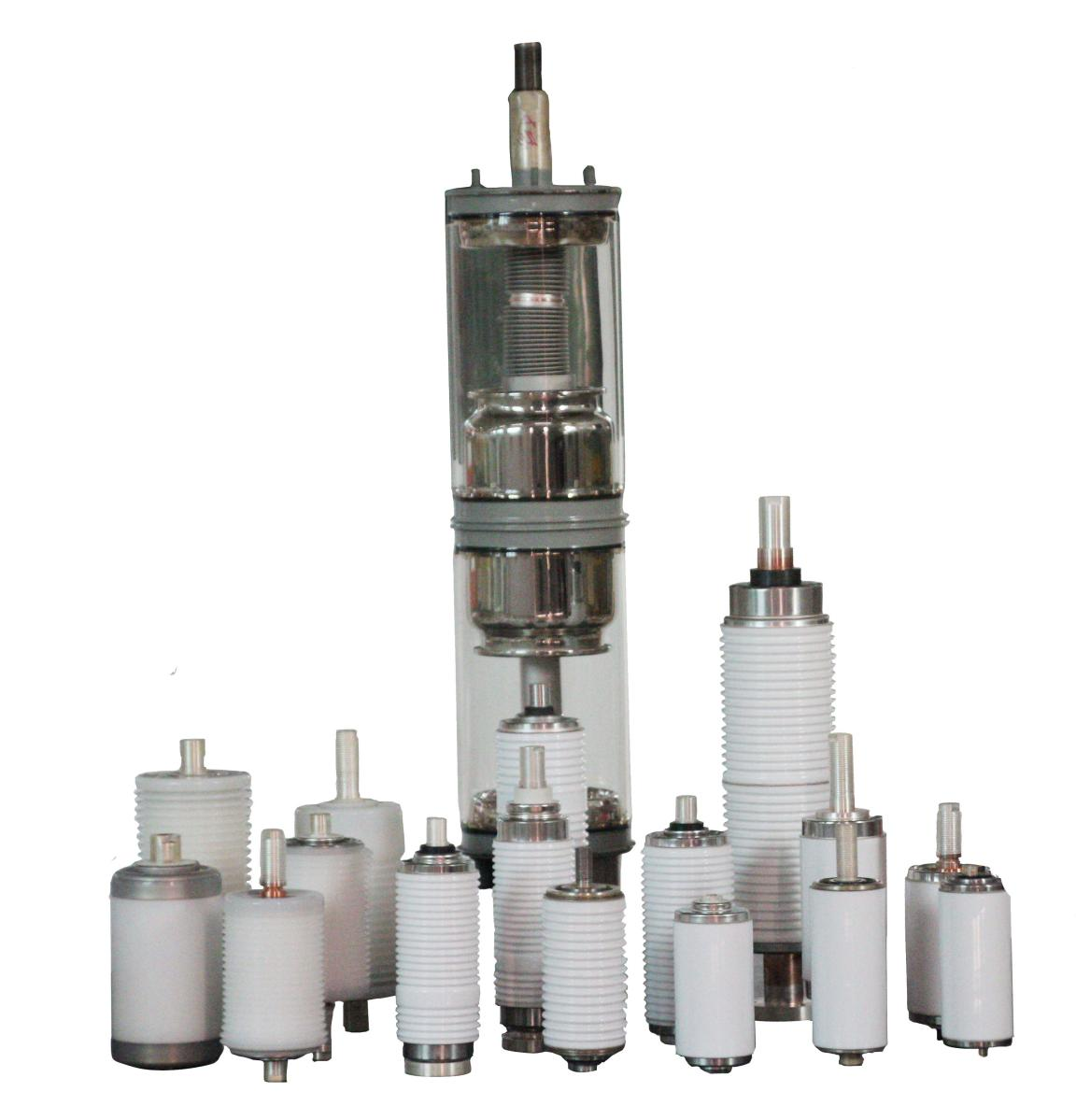
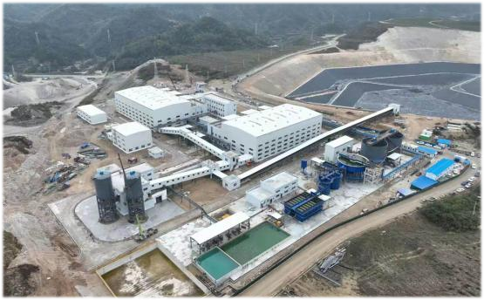
Yingping Mining Section Open-pit Tailings Backfill Treatment of Goaf Ecological Restoration EPC Project
China Bluestar Lehigh Engineering Corporation

Pneumatic high-pressure wear-resistant ball valve
Zhejiang Deca Control Valve Meter Co., Ltd.
Double-slide Triple-sealed Hot Air Isolation Door
Xi'an Yingchuan Electric Power Equipment Co., Ltd.