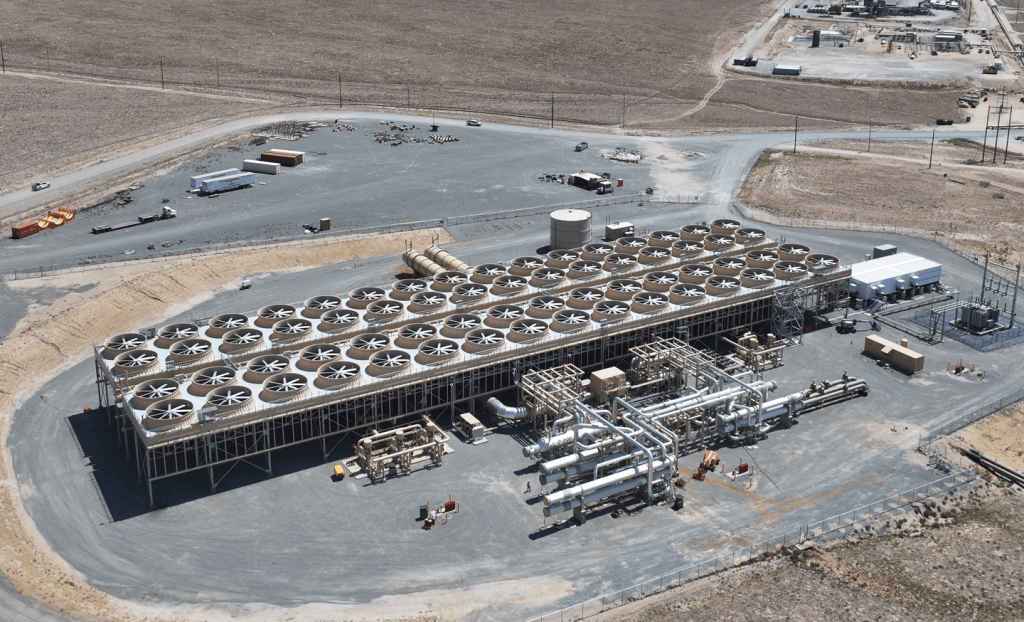
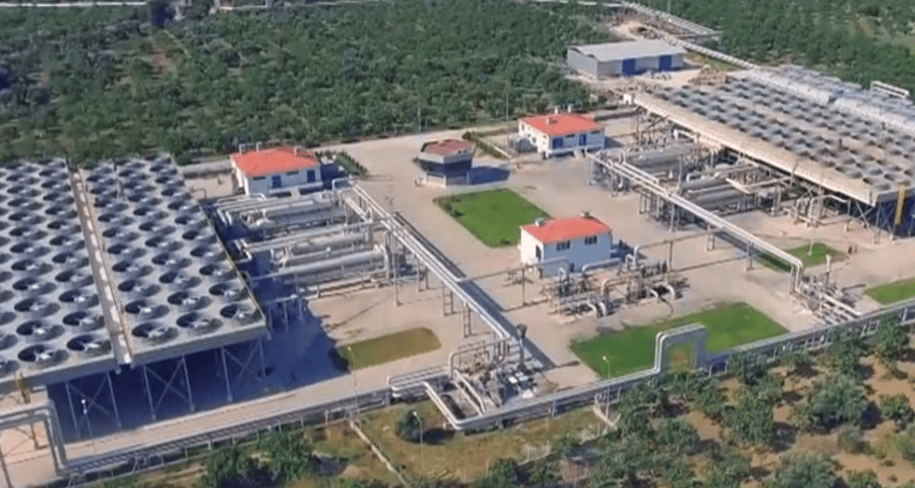
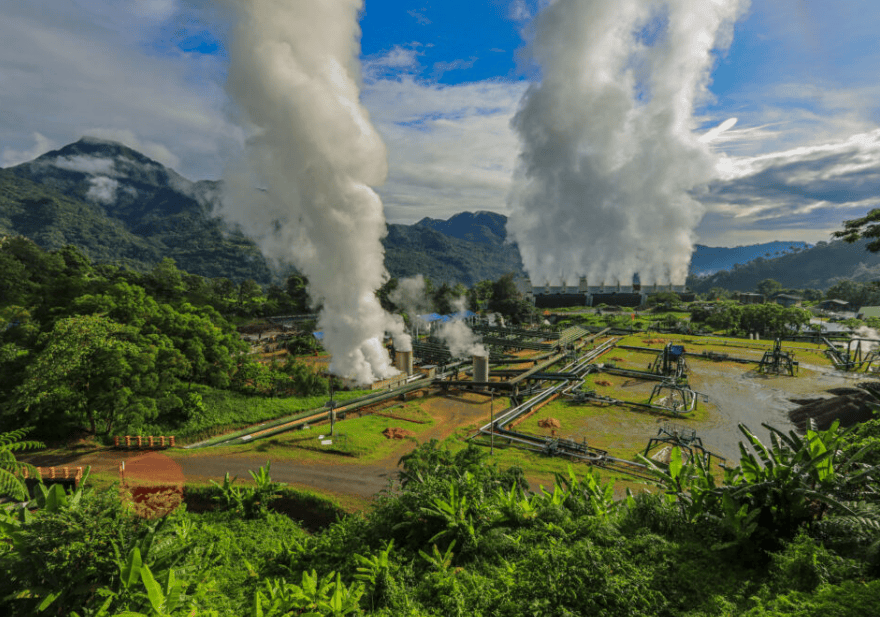
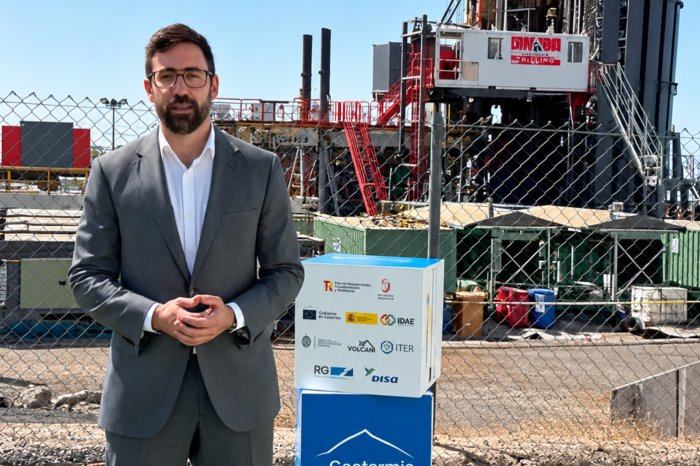
Cascade Institute: Canada's geothermal potential exceeds demand by a million-fold, with less than 6 MW developed
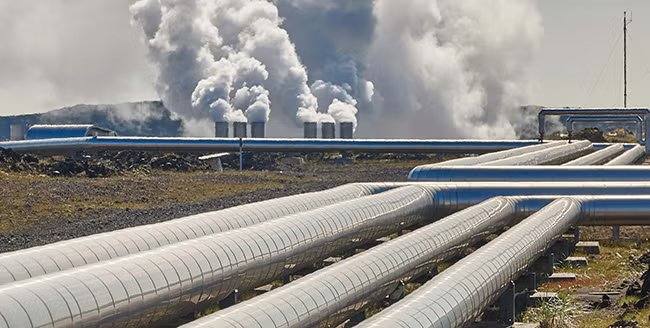
en.Wedoany.com Reported - The RBC Climate Action Institute writes that the country's developed geothermal power capacity is less than 6 megawatts, roughly equivalent to the power supply of a small town. Citing data from Natural Resources Canada, the Cascade Institute notes that Canada's geothermal potential exceeds the country's current total energy demand by a factor of one million, yet only 40% of the nation's territory has been mapped for geothermal resources. Globally, geothermal energy is already used for around-the-clock power generation and building heating, with near-zero emissions during generation and no ongoing fuel costs, yet it remains almost entirely absent from Canada's energy landscape.
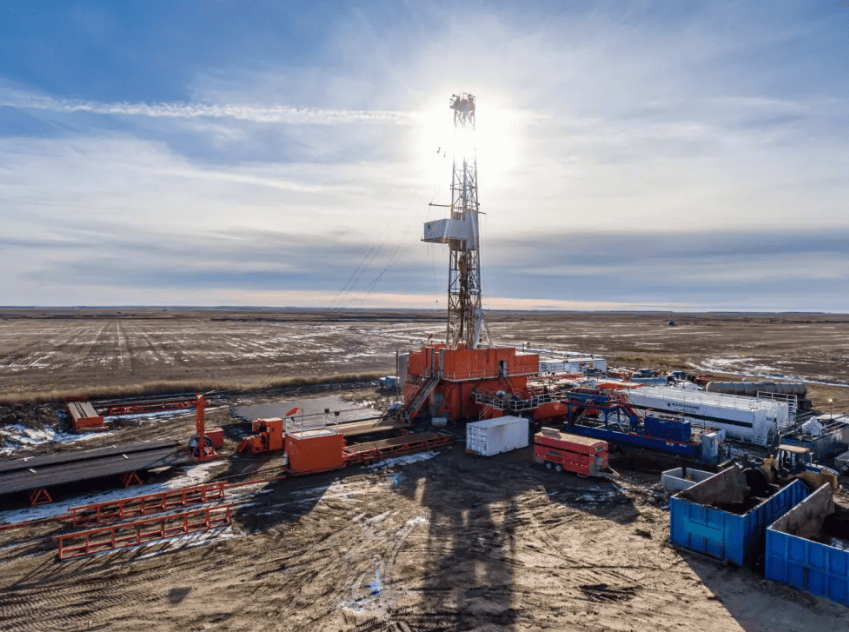
Compared with the pace of global geothermal development, Canada is clearly lagging behind. The European Geothermal Energy Council Market Report 2024 shows that Europe already has nearly 150 geothermal power plants and over 400 geothermal district heating and cooling systems, with another 500 district energy projects in the planning stage. The Philippines has dozens of geothermal power plants in operation, capable of powering nearly 8 million households, while China and Indonesia are also expanding their deployments. Global geothermal investment exceeded CA$25 billion in 2025, and the International Energy Agency projects that, assuming progress in next-generation geothermal technologies, this figure could reach CA$3.5 trillion by 2050; investment in next-generation geothermal has grown at an average annual rate of over 90% since 2018. The U.S. Department of Energy has invested hundreds of millions of dollars in the Enhanced Geothermal Shot initiative, aiming to reduce the cost of new geothermal projects to less than half that of nuclear or natural gas, and even below the cost of existing natural gas plants. Google, Meta, and Microsoft are investing in geothermal partnerships to power their data centers.
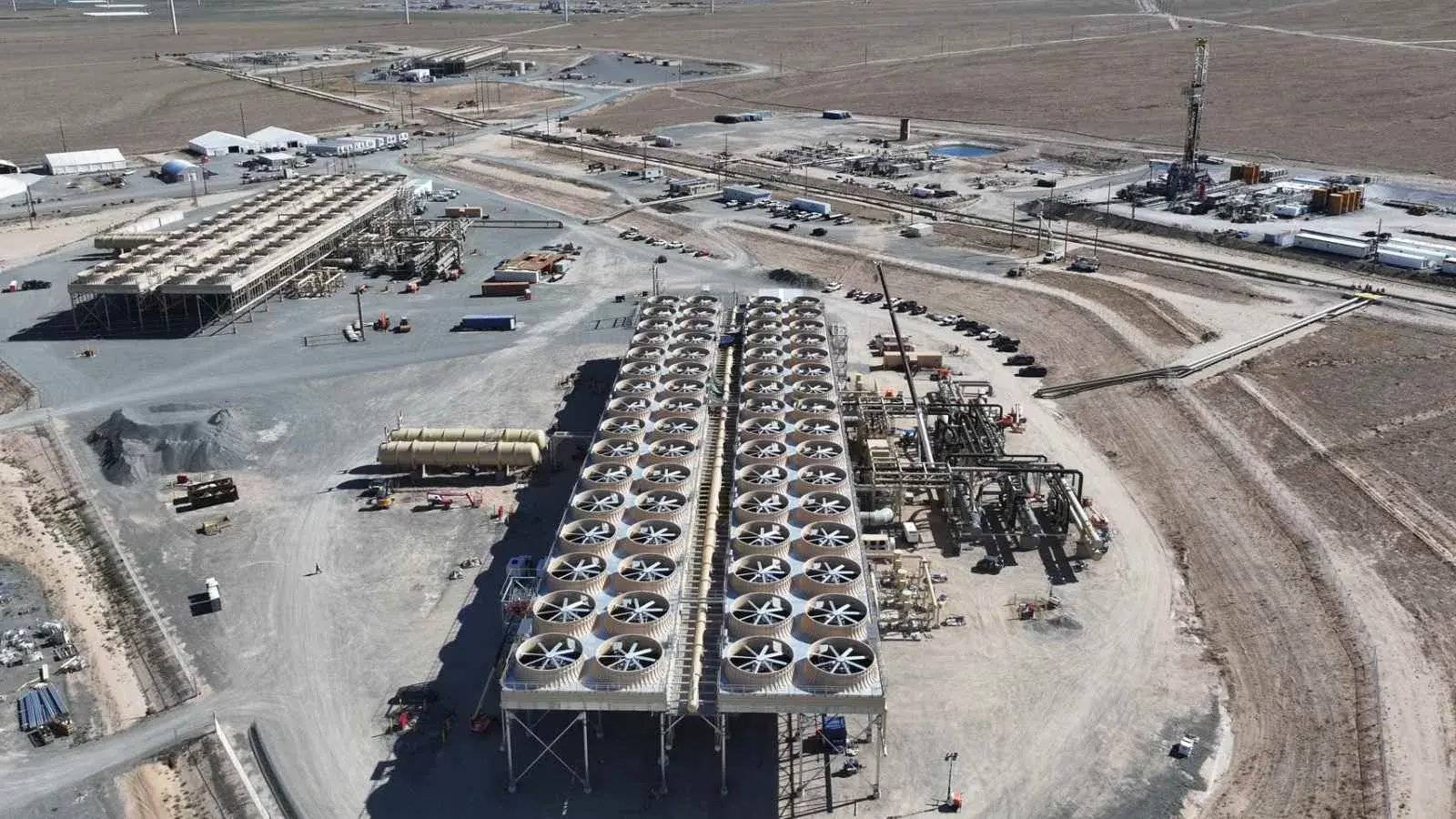
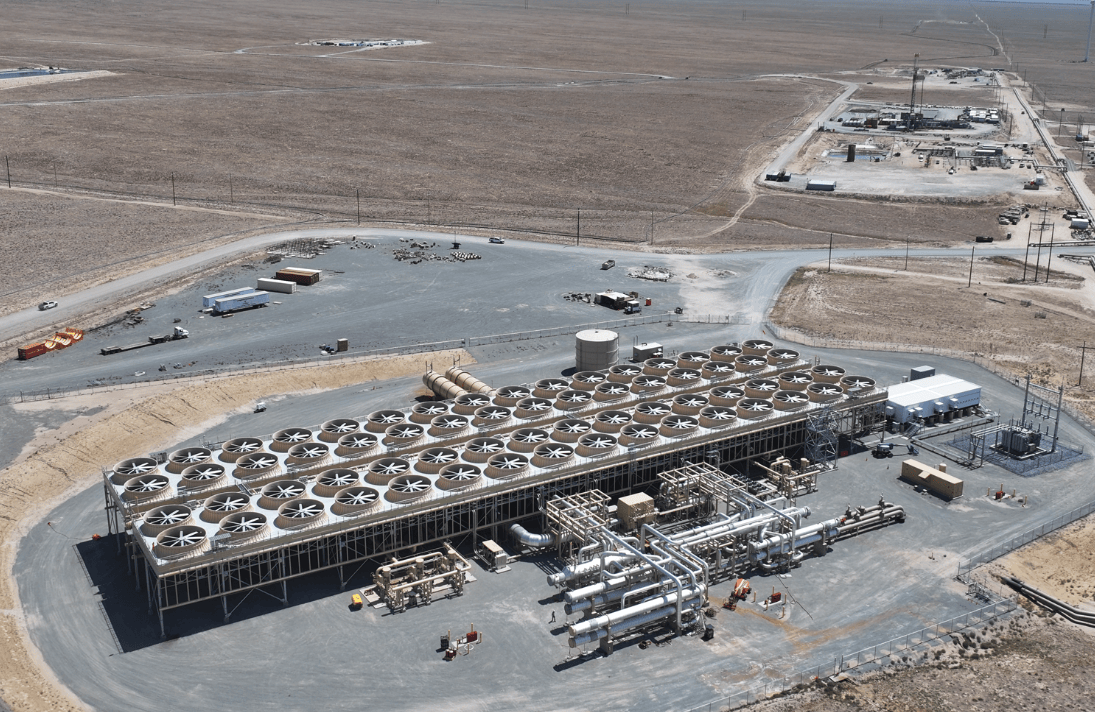
Geothermal development in Canada is not starting from zero. DEEP Earth Energy Production Corporation, based in southern Saskatchewan, is developing a facility that will extract hot brine from 3,500 meters deep in the Williston Basin, as reported by Climate Insider; Terrapin Geothermics' No. 1 geothermal project in Alberta will produce 10 MW of clean baseload power and 985 terajoules of heat per year, as described in documents from the Alberta Energy Regulator; Tu Deh-Kah Geothermal, wholly owned by the Fort Nelson First Nation, is developing British Columbia's first commercial geothermal power plant, which can serve 10,000 households currently reliant on fossil fuel power. These projects all use conventional geothermal technology, which harnesses heat from underground hot water or brine, with heating temperatures ranging from approximately 40°C to 150°C and power generation temperatures from approximately 150°C to 350°C—a classification first proposed by geothermal pioneer Baldur Lindal in 1973, as discussed by Hungarian researcher Tamas Miklovicz.
Enhanced Geothermal Systems (EGS) are bringing hydraulic fracturing technology into the clean power generation sector: water is injected into deep rock, heated in a closed loop, and returned to the surface, without consuming groundwater or using chemical fracturing fluids, potentially expanding the usable resource base by several orders of magnitude. The Cascade Institute—whose ultra-deep geothermal project is one of the primary efforts exploring the technology's application in Canada—believes that with continued innovation, the cost of enhanced geothermal power could fall below that of nuclear, gas peaker plants, and in some cases even wind and solar. According to Mongabay, the U.S. Congress is considering legislation to streamline permitting for enhanced geothermal projects, following estimates that EGS could power 65 million American households by 2050. Ground-source exchange systems for buildings are also entering the application pipeline; this technology uses ground-source heat pumps (GSHP) to leverage stable temperatures below the surface, providing heating in winter and cooling in summer with steady year-round electricity consumption. A U.S. Department of Energy analysis projects that widespread deployment of ground-source exchange systems could reduce U.S. winter peak demand by more than 40 gigawatts by 2035, saving approximately US$4 billion annually in grid costs. Ontario-based Diverso Energy has supplied such a system for a 66-story apartment building in Mississauga, making it the tallest ground-source exchange building in North America.
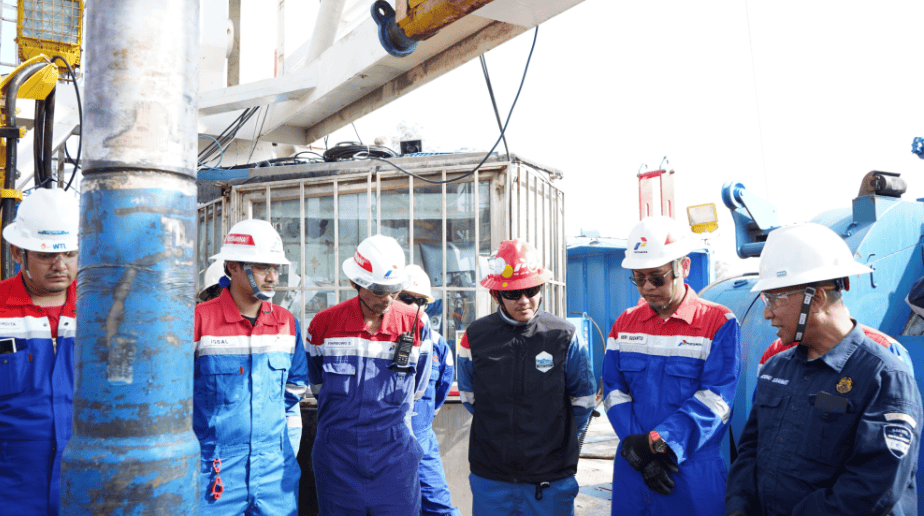
Workforce transition is one of the feasibility conditions for this path. The International Energy Agency estimates that approximately 80% of oil and gas industry skills are transferable to the geothermal sector. Tim Weber, co-founder and CEO of Diverso Energy, notes that 90% to 95% of workers on its sites come from the oil and gas industry. Calgary-based Eavor Technologies was founded by petroleum engineers, and its closed-loop geothermal technology employs drilling methods developed in Alberta's oil and gas sector; according to Careers in Energy, citing Eavor's estimates, further development of Canada's geothermal industry could create more than 5,000 new jobs for unemployed oil and gas drilling contractors and oilfield service workers. The Centre for Civic Governance's report Jobs for Today estimates that building 8,000 MW of geothermal power on Canada's grid would create 51,000 person-years of construction employment and 3,000 permanent operations jobs. Streamflow and Pro-Pipe have already begun exporting high-temperature tools originally developed for oil sands extraction to geothermal projects abroad.
In terms of operational performance, the Cascade Institute writes in its position paper on geothermal energy that geothermal power plants achieve capacity factors above 90%, operating near maximum output almost continuously, whereas wind and solar are below 30%. Once built, geothermal plants have virtually no fuel costs. Regarding construction timelines, the three most recent nuclear plants in North America took at least nine years to build; according to information on the website of utility company HS Orca, Iceland's 100 MW Reykjanes plant went from concept to operation in three years—and that was roughly two decades ago; a geothermal heating plant in France took just 18 months from groundbreaking to heating 9,000 households. Data from Canada's Envirotech Geothermal shows that customers switching from natural gas systems to geothermal typically save 40% to 70% on annual utility bills; for a household spending $3,000 per year on heating, that translates to annual savings of $1,200 to $2,100.
Remote communities are among the direct beneficiaries of geothermal applications in Canada. Electricity rates in northern Indigenous communities are typically 5 to 10 times higher than in urban areas, and diesel power generation relies on fuel transported long distances by truck or plane, leaving it vulnerable to weather, road closures, or supply chain disruptions. The West Coast Climate Action Network states that federal and provincial governments have committed over $50 million to the Tu Deh-Kah project in Fort Nelson. Alberta has the most comprehensive geothermal regulatory framework in the country, and the province's energy regulator projects that, even without an accelerated national plan, the province's geothermal power generation will achieve a compound annual growth rate of 26% by 2034. Canada currently has no national geothermal strategy, coordinated research agenda, or dedicated financial instruments, with only three provinces—Alberta, British Columbia, and Nova Scotia—having enacted geothermal-related legislation. In June 2026, the federal government announced $500,000 to identify geothermal technology opportunities and support R&D for next-generation geothermal development. The International Energy Agency projects global geothermal investment could reach CA$3.5 trillion by 2050. Canada is considered to possess the technology, engineering talent, and geological endowment to participate in this market not only as a consumer of geothermal power but also as an exporter of technology and expertise.
Related Products

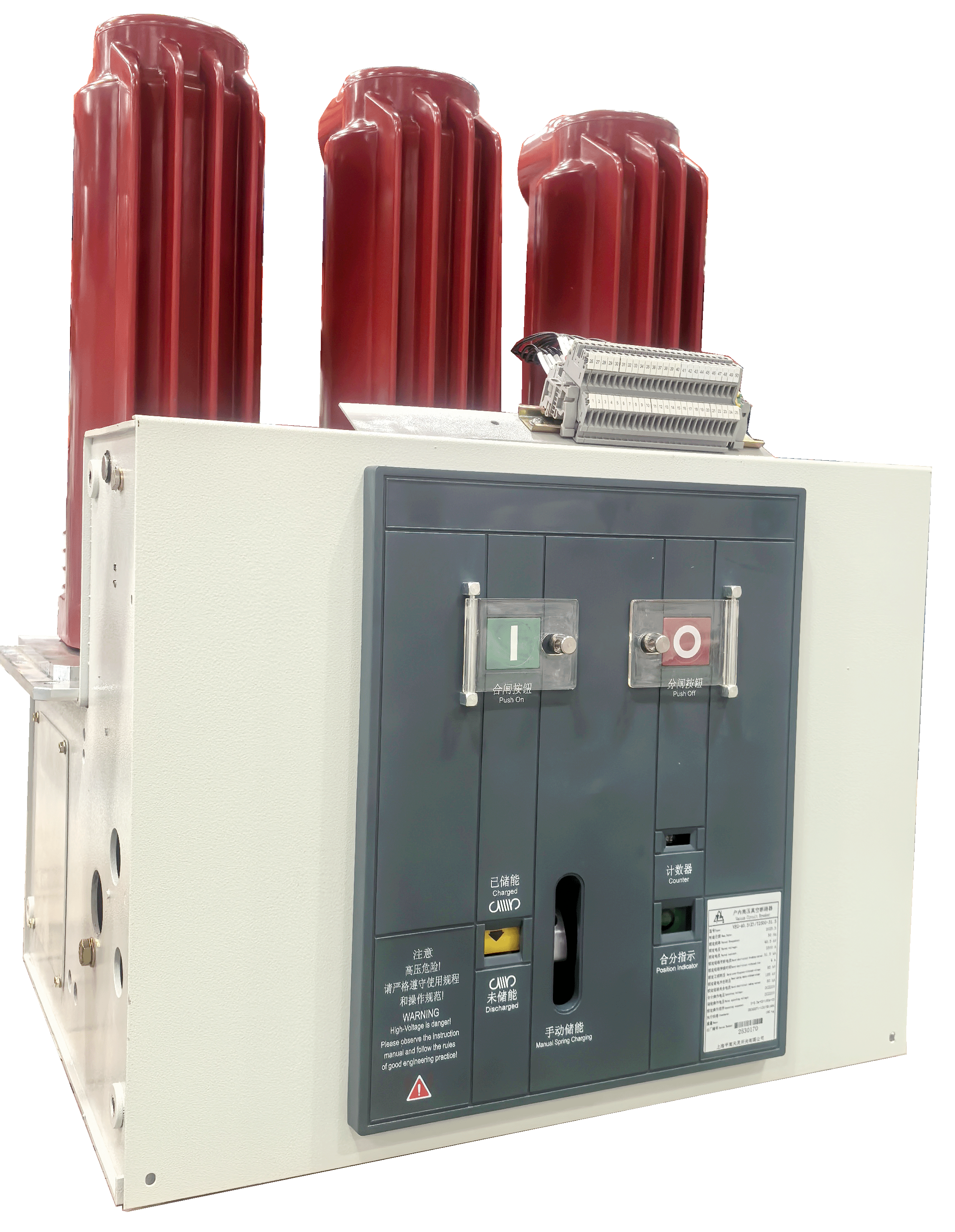
VEG-12/24/40.5 Series Vacuum Circuit Breaker
SHANGHAI PINGGAO TIANLING SWITCHGEAR CO., LTD.
Hydraulic Turbine Genset
Dongfang Electric Corporation Dongfang Electric Machinery Co., Ltd.
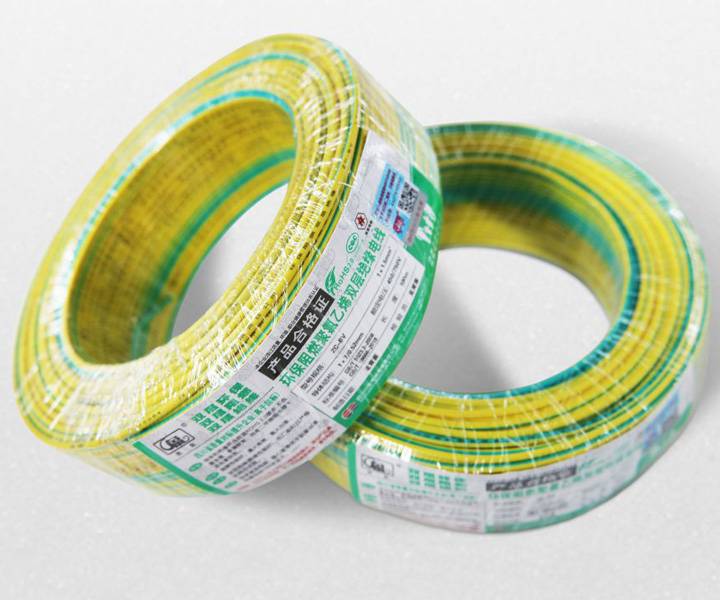
Environmentally Friendly Flame-retardant PVC Double-layer Insulated Wire
Sichuan Chndo Cable Co., Ltd.