U.S. Department of Energy Awards $5.5 Million to Accelerate Hydropower Licensing Process
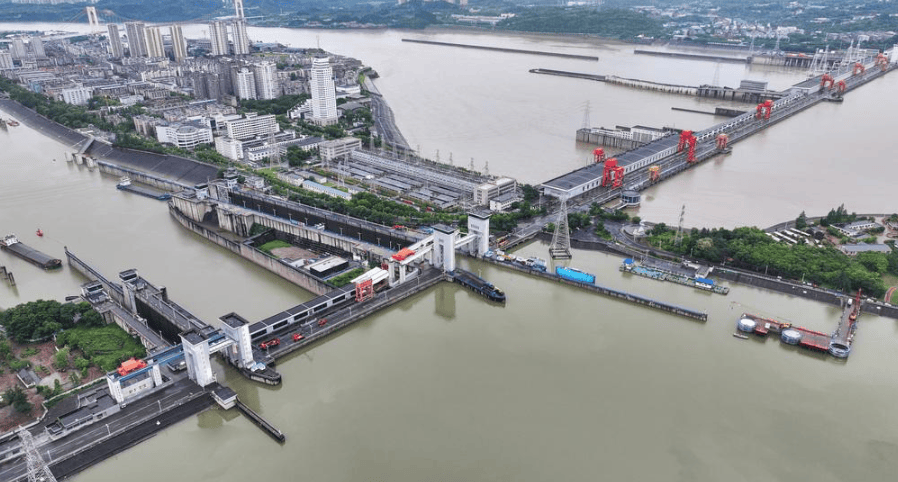
en.Wedoany.com Reported - The U.S. Department of Energy's (DOE) Hydropower and Marine Energy Office (H2O) has awarded a total of $5.5 million to 11 U.S. national laboratory projects to accelerate and reduce the cost of licensing and relicensing hydropower facilities in the United States.
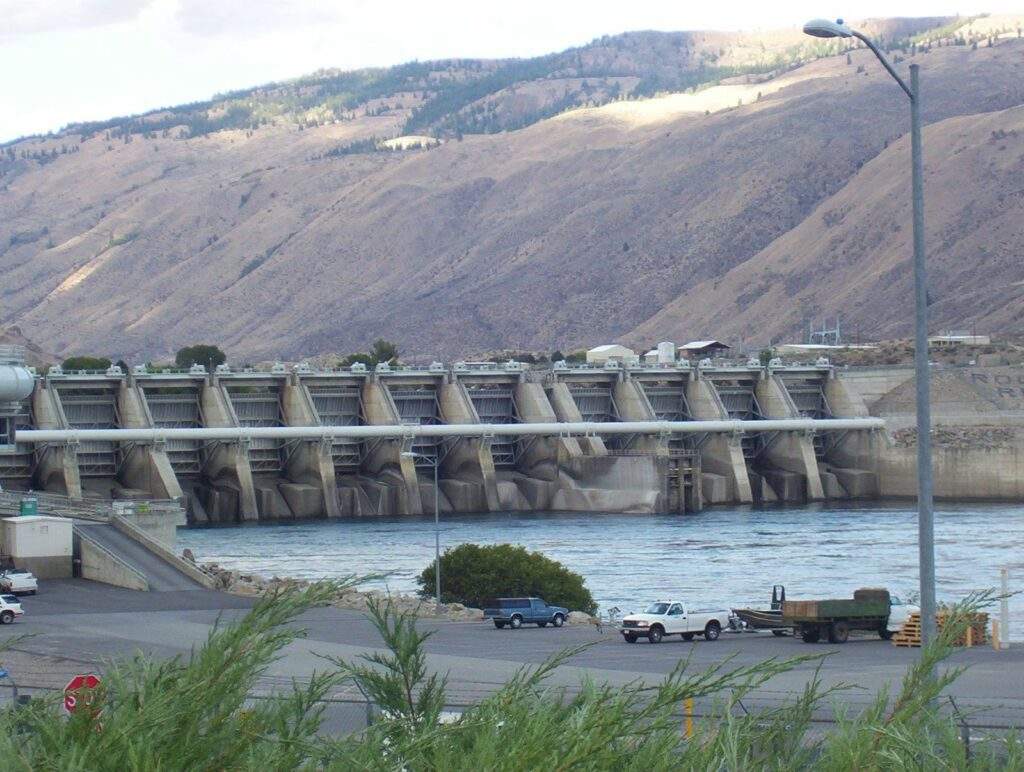
The laboratory call, issued earlier in 2026, focused on projects that could shorten the time needed for stakeholders to reach consensus when discussing specific projects. H2O Director Nichole Fitzgerald stated that hydropower has been a cornerstone of America's energy for a century, providing reliable, affordable electricity nationwide; these projects not only help ensure the continued operation of U.S. hydropower plants but also reduce licensing and relicensing costs for operators, allowing them to pass savings on to consumers.
Projects selected under the "Hydropower Licensing Acceleration" laboratory call have performance periods of one to three years and cover topics such as fish passage innovation, environmental monitoring, and effective mitigation technologies, aiming to help streamline licensing and relicensing at critical junctures through tools, datasets, and accessible information resources. DOE noted that hydropower facility licenses issued by the Federal Energy Regulatory Commission (FERC) typically last 30 to 50 years, but obtaining and maintaining a license requires "rigorous and costly impact and assessment studies"; the selected projects can help address these processes through improved tools, thereby helping to overcome related barriers.
At the legislative level, lawmakers seeking to improve U.S. hydropower production have commonly targeted the cumbersome processes caused by bureaucracy. The House and Senate have recently introduced several bipartisan bills primarily aimed at addressing the licensing and permitting processes that cause frustration and delays for hydropower practitioners. Matthew Allen, Senior Director of Legislative Affairs at the National Hydropower Association (NHA), stated that it is rare to see so many lawmakers from different parties and regions unite for a common cause, but that is what makes hydropower unique; hydropower's reliable electricity and critical infrastructure help lower electricity bills for Americans and provide jobs for generations of families, yet the current outdated licensing process is slowing new construction and threatening the relicensing of approximately 16 gigawatts (GW) of hydropower over the next decade.
One of the selected projects focuses on "add-on" pumped storage hydropower. "Add-on" pumped storage is a retrofit approach that adds a second reservoir to an existing dam to increase water storage capacity. Idaho National Laboratory (INL) will partner with Pacific Northwest National Laboratory (PNNL) to produce a report defining the concept, identifying relevant and similar potential impact categories across different designs, and providing a process for evaluating the potential environmental impacts of "add-on" pumped storage. The project aims to create a citable resource that serves as a starting point for site-specific assessments. The National Hydropower Association and the Tennessee Valley Authority (TVA) will provide in-kind support for the project.
Pacific Northwest National Laboratory will develop fish passage risk screening tools and methods for identifying monitoring and mitigation solutions. The project will help hydropower plants address fish species of concern, providing a pathway to scale site-specific information to the level regulators consider when setting fish passage survival requirements. The team will leverage the U.S. Army Corps of Engineers' (USACE) fish monitoring investments in the Federal Columbia River Power System to develop low-cost tools for the nation that do not require extensive monitoring investments. Grant County Public Utility District, FirstLight Power Services, Eagle Creek Renewable Energy, the Technical University of Munich, Carleton University, and ANDRITZ Hydro will provide additional in-kind support for the project.
Pacific Northwest National Laboratory, in collaboration with the U.S. Army Corps of Engineers, aims to significantly improve the computational efficiency of USACE's HEC-ResSim and related modeling tools. The project will apply novel AI tools to optimize power generation and demonstrate how to better meet operational constraints to achieve more accurate generation estimates and faster ensemble-based reservoir operation analyses.
Rocky Mountain National Laboratory (NLR) will collaborate with the Norwegian University of Science and Technology (Renew Hydro) to leverage NLR's pumped storage hydropower (PSH) modeling tool, combined with Norwegian data, to identify development opportunities and best practices for siting pumped storage projects. The work focuses on refining standardized, data-driven methods and analytical pathways to support clear and efficient licensing pathways in both countries. The team believes collaboration with Norway is critical because the PSH modeling tool can be tested in a low-risk environment with U.S. PSH owners, operators, and developers.
Pacific Northwest National Laboratory will synthesize research data on juvenile Pacific lamprey collected over the past six years in the lower Snake River and Columbia River hydropower systems. Pacific lamprey is a species of concern with tribal cultural significance. The research will identify fish migration bottlenecks, quantify fish survival and predation risk, and provide the U.S. Army Corps of Engineers, tribal partners, and regional non-federal hydropower managers with a system-level, decision-ready action plan that supports tribal interests. USACE, the Columbia River Inter-Tribal Fish Commission, and the Yakama Nation will provide in-kind support for the project.
Related Products


Rated Voltage 6-35kV Cross-linked Polyethylene Insulated Power Cable
TONGDING INTERCONNECTION INFORMATION CO., LTD.
Global Sulfur Hexafluoride Gas Supply and Cylinder Export
Foshan Yuexin Industrial Gas Co., Ltd.
72.5kV 1250A 31.5kA SF6 free Gas-insulated Metal-enclosed Switchgear
Zhejiang Juhonkia Intelligent Electric Co., Ltd.
Perfluorinated Ionic Membrane-CM-10N Series Membrane
Guizhou Juneng Century Technology Co., Ltd
220kV Composite Outdoor Cable Terminal
Shenyang Guolian Cable Accessories Manufacture Co., Ltd.
Hydrogen Production Technology: Hydrogen Purification by Pressure Swing Adsorption
Chengdu Yizhi Technology Co., Ltd.
KYN28-12/24 Indoor High-Voltage Metal-Clad Removable Switchgear
Shenzhen Zhaoyang Hui Technology Co., Ltd.
Optional Accessory - Auxiliary Sampling Module
Beijing Soaring Electric Technology Co., Ltd.