NASA Advances Artemis III Rocket Stacking, Crewed Docking Test in Low Earth Orbit Planned for 2027
en.Wedoany.com Reported - In early September, NASA continued integrating the Space Launch System (SLS) rocket for the Artemis III mission at the Kennedy Space Center. NASA imagery shows that technicians completed the integration of the forward center segment with the center segment of the left solid rocket booster on September 1. Each of the two solid boosters used for Artemis III consists of five major segments, manufactured by Northrop Grumman, and will provide more than 75% of the SLS's total thrust at liftoff.
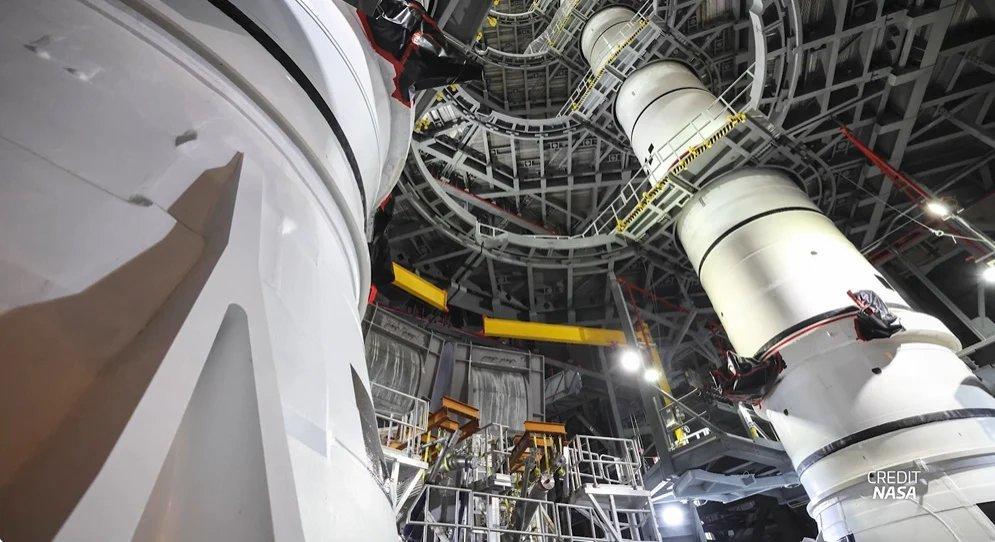
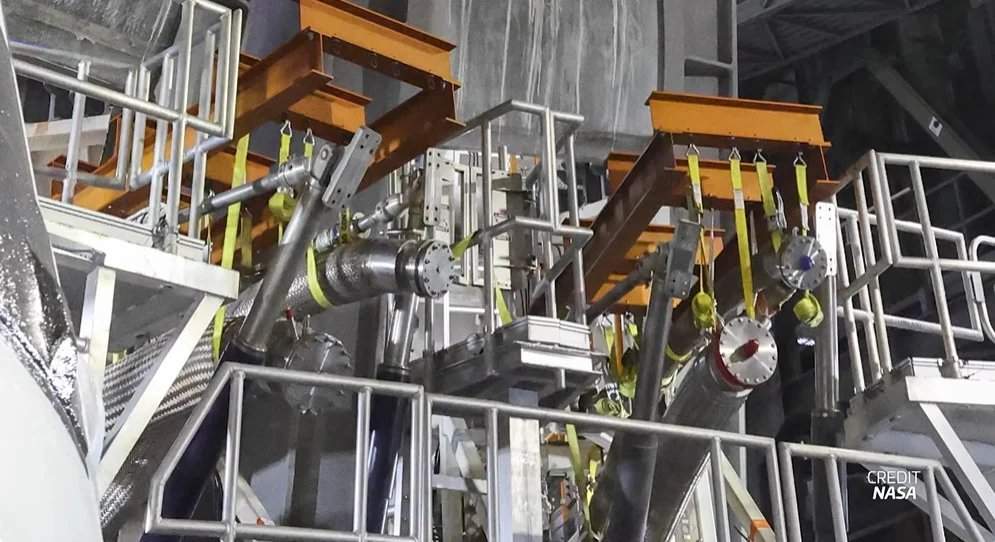
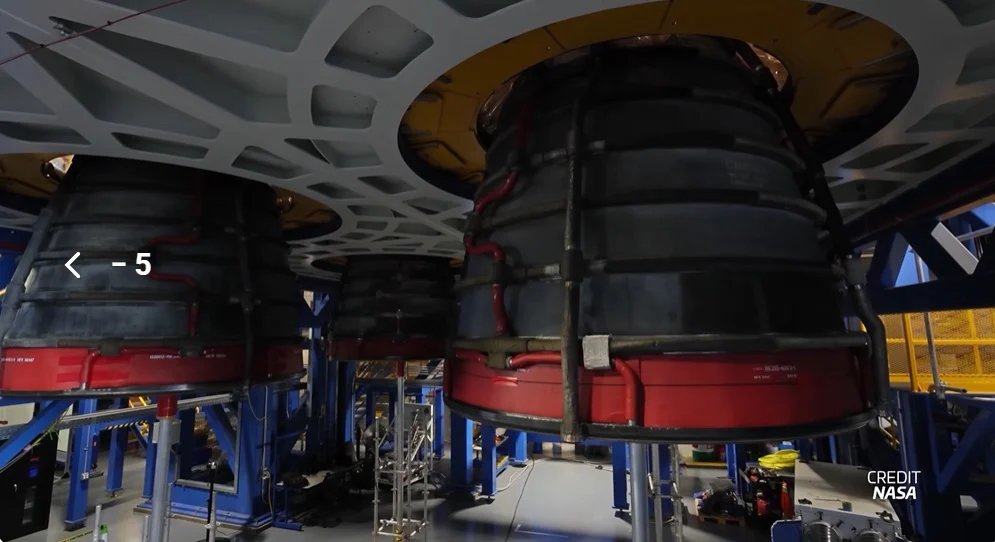
Stacking of the Artemis III solid boosters began in July inside the Vehicle Assembly Building at the Kennedy Space Center. NASA confirmed on August 27 that integration of the two boosters was then more than half complete; meanwhile, the SLS core stage had also entered the engine installation phase. Installation of the four RS-25 engines began on August 24, and by September 1, all four engines had been mounted on the work stand, ready for further integration with the Artemis III core stage. The four RS-25 engines together can provide more than 2 million pounds of thrust during the liftoff phase.
The Orion spacecraft for Artemis III has also entered the full spacecraft integration phase. NASA completed the connection of the crew module and the European Service Module on July 30, then installed the umbilical interfaces linking the electrical, data, and fluid systems between the two modules, and powered on the combined spacecraft for the first time to check electrical connections and subsystem communications between the modules. Orion's thermal protection system has adopted an improved Avcoat ablative material manufacturing process tailored for subsequent crewed missions, enhancing material uniformity and permeability consistency.
The mission profile for Artemis III has now diverged from earlier plans. NASA currently plans to execute the mission in 2027, with four astronauts launching aboard SLS and Orion into low Earth orbit, followed by rendezvous and docking tests with one or both of the crewed lunar landing system test vehicles developed by Blue Origin and SpaceX. The first crewed lunar south pole landing has been adjusted to Artemis IV, targeted for 2028.
To accommodate the new low Earth orbit mission profile, Artemis III will no longer use the Interim Cryogenic Propulsion Stage (ICPS) for deep space propulsion. Instead, a non-propulsive structural spacer segment will be installed between the SLS core stage and Orion. This spacer maintains the overall dimensions and interface locations of the original upper stage, allowing the existing SLS structure to remain largely unmodified; the remaining ICPS has been reassigned to Artemis IV. NASA is also inspecting and modifying the Orion stage adapter and the launch vehicle stage adapter previously used for structural testing, for use on the Artemis III flight.
NASA also plans to formally debut rendezvous, proximity operations, and docking capabilities on the Artemis III Orion for the first time. This system will be used for Orion to dock with commercial crewed lunar landing system test vehicles. According to NASA's published mission profile, after Orion completes orbital insertion and system checks, it will rendezvous with the relevant test vehicle and conduct approximately two days of system and technology validation while docked.