BMI forecasts Australia's mining output value to fall to USD 164 billion by 2035
en.Wedoany.com Reported - On September 7, BMI released an industry risk assessment for Australia, projecting that the country's mining output value will decline from USD 172 billion in 2026 to USD 164 billion by 2035, with weaker coal and iron ore production being the main contributing factors. The report also identified foreign investment scrutiny, labor costs, bushfire risks, and policy uncertainty as the primary operational risks currently facing Australia's mining sector.
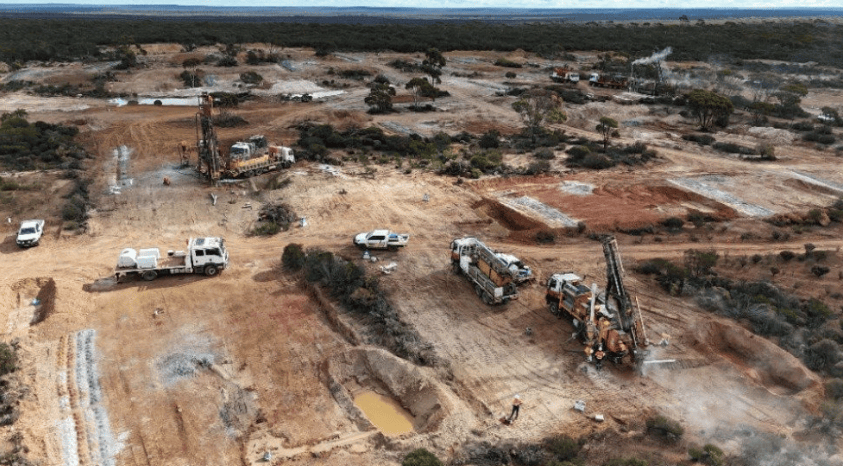
BMI data shows that Australia's mining climate risk score is expected to rise from 64.5 in 2026 to 65.4 by 2050. Among these, nearly 90% of land in Western Australia is exposed to bushfire risk, leaving mining assets with a relatively high climate risk exposure. BMI expects related costs to be reflected more in increased insurance expenses and corporate capital expenditure rather than directly causing a decline in mining output.
Labor supply remains a significant constraint on mining operational costs. BMI believes that Australia's mining labor costs continue to be higher than those in several major competing mining regions, and wage disputes also pose ongoing operational risks. With tighter immigration policies, companies face further restrictions in accessing overseas skilled workers; mine automation is expected to alleviate some staffing shortages but will not fully offset labor cost pressures within the next decade.
Foreign investment review is another risk listed in the report. Australia is strengthening national security reviews involving critical minerals, and mining projects face more stringent regulatory procedures in foreign capital entry, project approvals, and infrastructure access. BMI also noted that Australia's government procurement scale currently equals approximately 17.9% of GDP; as of May 2026, the National Anti-Corruption Commission had 34 investigations underway.
The approval environment for coal projects is also changing. New South Wales stopped accepting new greenfield coal mine applications in March 2026, but existing coal mine expansions and life-extension projects can still continue to receive federal-level approvals. BMI expects that while coal and iron ore production gradually weakens, critical minerals project expansion will continue to sustain some mining investment activity.
BMI also forecasts that fossil fuels will still account for more than 86% of Australia's total energy consumption by 2035, while the share of non-hydro renewable energy in the power generation mix is expected to rise to 66%. The report lists mining automation, critical minerals investment, energy mix changes, and labor supply as the main variables shaping Australia's future mining operating environment.
Related Products

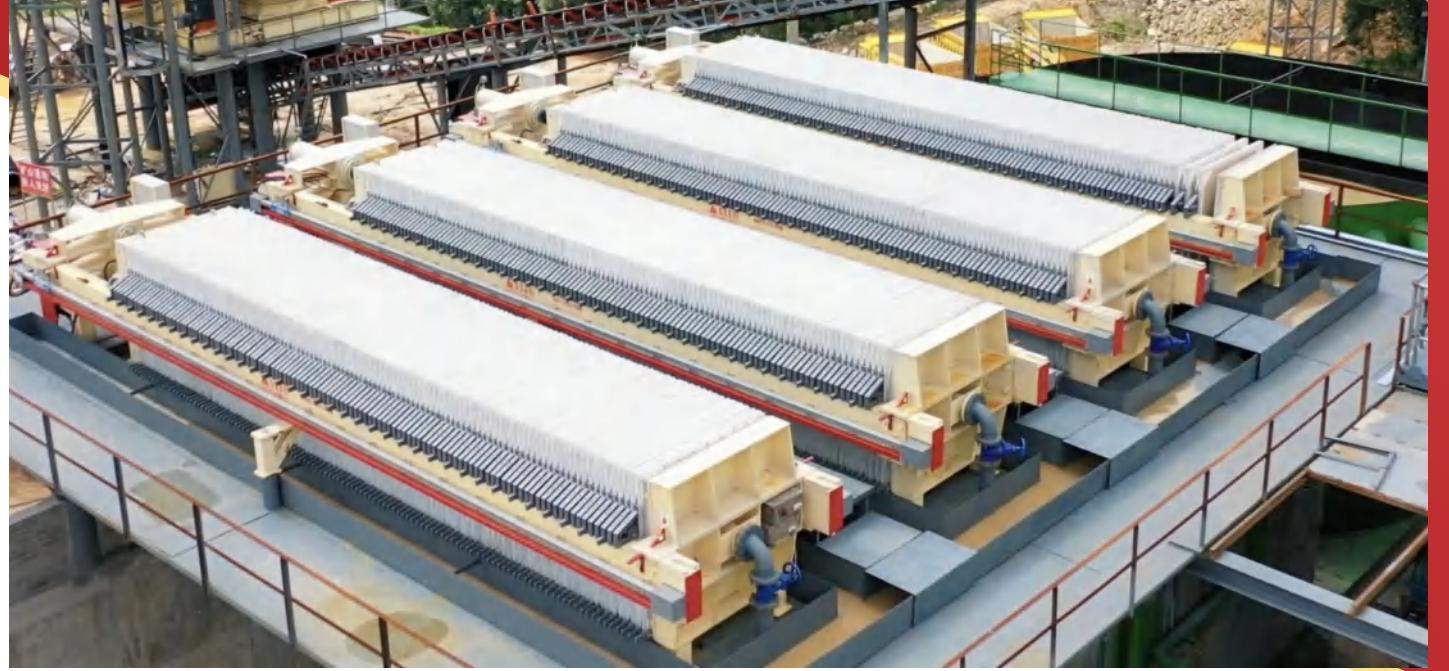
Hydraulic Plate and Frame Filter Press
Guangdong Leimeng Intelligent Equipment Group Co., Ltd.
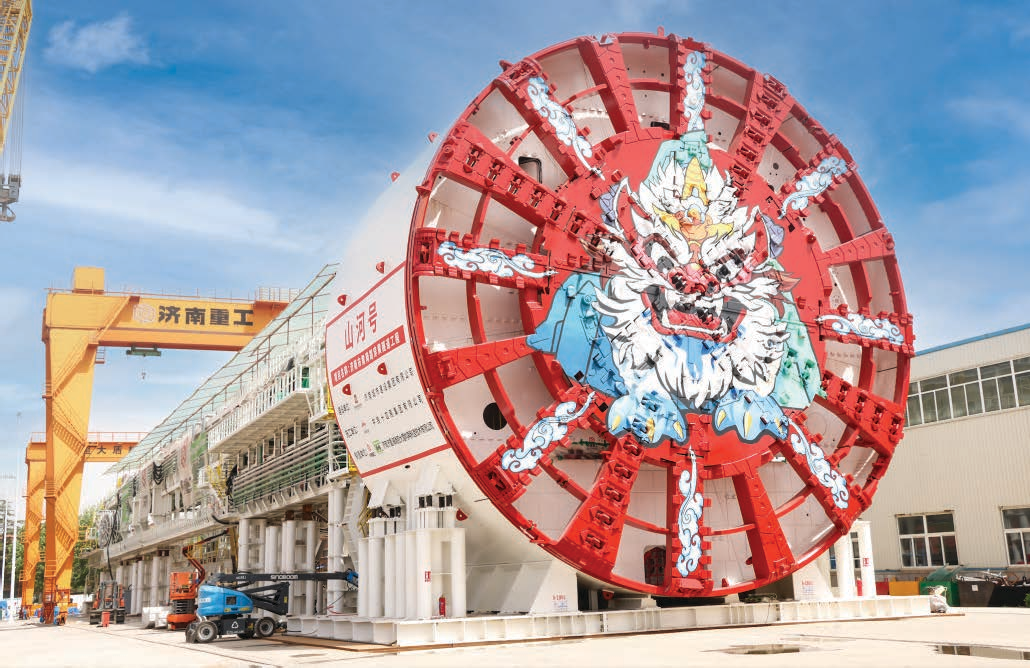
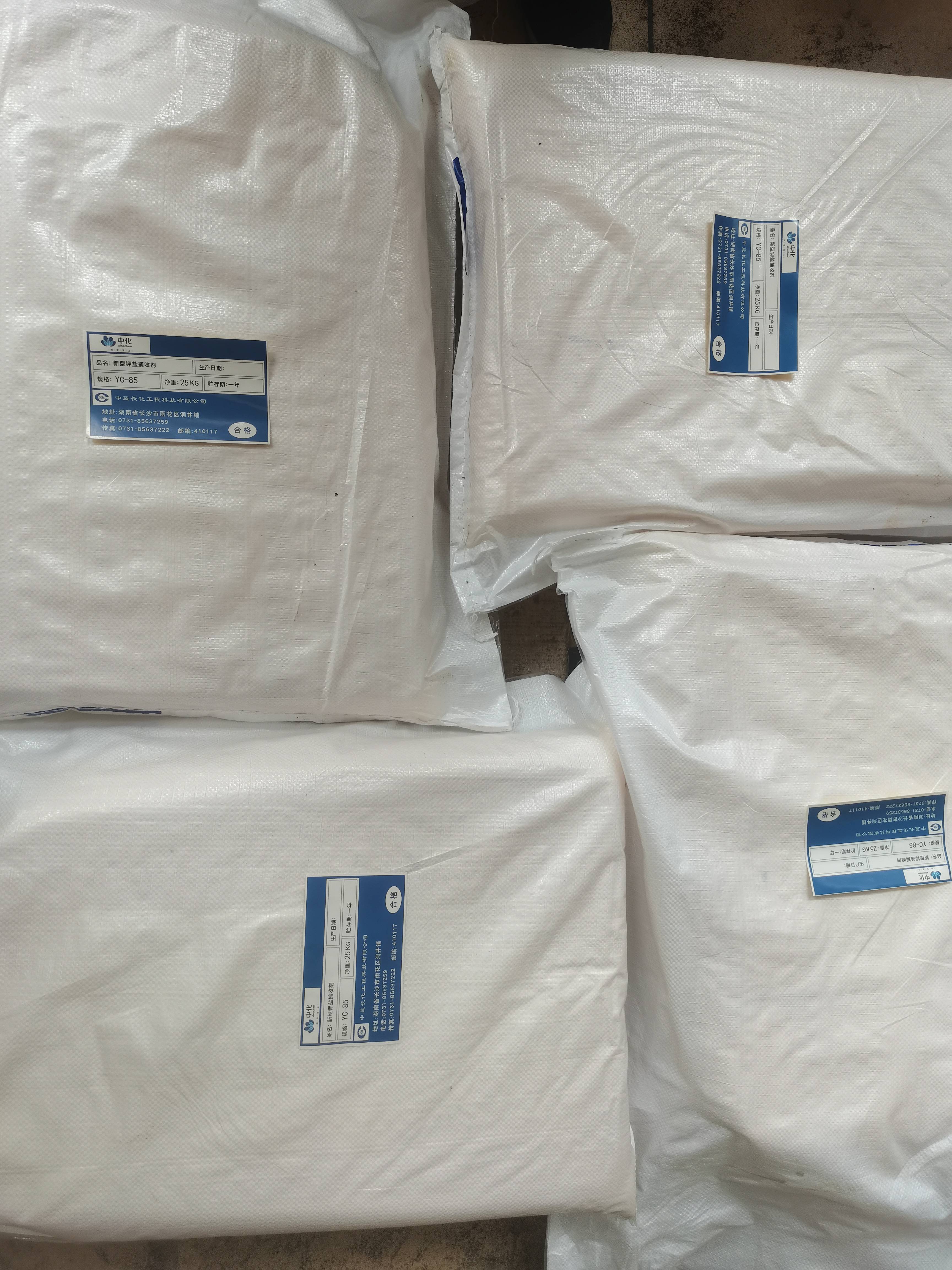
New Environmentally Friendly Green Potassium Salt Collector
Chonfar Engineering and Technology Co., Ltd.
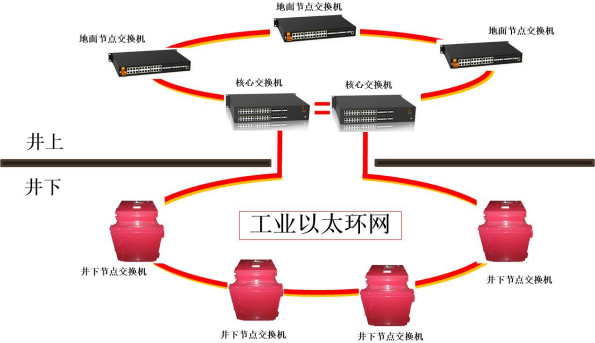
Mine Explosion-proof and Intrinsically Safe Industrial Ethernet Ring Network (10 Gigabit/Gigabit)
Chongqing Mas Sci&Tech Co., Ltd.
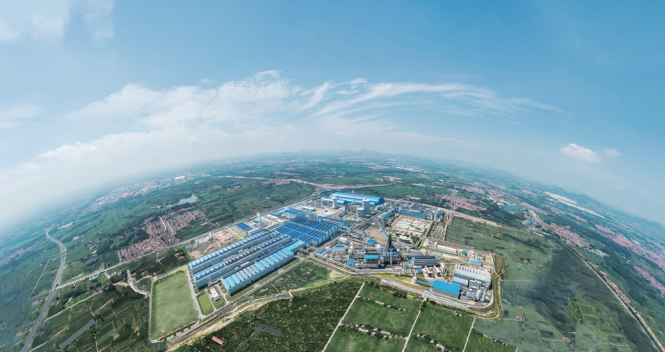
Linyi Steel Investment Special Steel 2.7 Million Tons per Year High-quality Special Steel Project
Capital Engineering & Research Incorporation Limited