U.S. Department of Transportation Releases National Strategy for Automated Vehicles, Focusing on Fiscal Years 2026–2030
en.Wedoany.com Reported - The U.S. Department of Transportation (DOT) has released a national strategy report on automated vehicles, specifying that the Federal Motor Carrier Safety Administration (FMCSA) must revise operational safety regulations and adjust rules related to the ground transport of hazardous materials to support the broader deployment of commercial vehicles such as automated trucks. U.S. Transportation Secretary Sean Duffy signed off on the strategy, stating that it aims to enable innovators to advance related technology development faster, smarter, and safer.
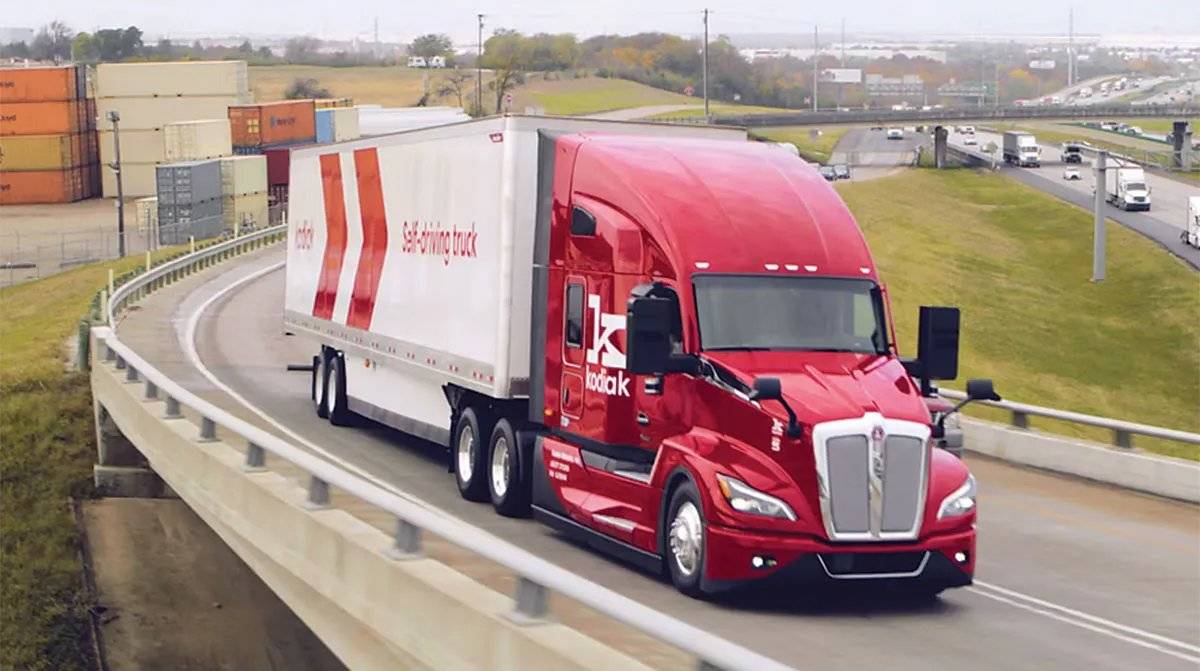
The 12-page report, titled America Leads: DOT’s National Strategy for Automated Vehicles, outlines the Department’s current and future key activities spanning fiscal years 2026 through 2030. The document summarizes actions the Department is taking to clear redundant rules, update critical regulations, and ensure safety to promote the broader deployment of automated vehicles. In a statement, Duffy noted that new technologies such as automated vehicles hold promise in reducing roadway fatalities, improving mobility accessibility, and reshaping how people travel.

To facilitate the deployment of automated commercial motor vehicles, FMCSA is revising the Federal Motor Carrier Safety Regulations to ensure that commercial motor vehicles equipped with automated driving systems are safely introduced and regulated on roadways. According to the report, many existing standards under FMCSA jurisdiction remain applicable, such as passenger seat belt requirements; however, certain regulations were developed under the assumption of a human driver in the vehicle, and applying them to automated vehicles creates regulatory barriers that are not safety-driven and are unnecessary.
FMCSA is also required to develop an Emergency Response Framework for commercial motor vehicles equipped with automated driving systems (ADS). Related research will determine how emergency responders can safely and effectively interact with such vehicles, with the goal of establishing a standardized set of emergency response protocols.
The National Highway Traffic Safety Administration (NHTSA) will continue to assess potential safety defects associated with automated vehicles operating on roadways, including through crash reporting and recall mechanisms, and will work collaboratively with manufacturers, developers, and operators to address issues. NHTSA Administrator Jonathan Morrison stated that this strategy will provide rigorous safety oversight while unlocking the potential for safe deployment of automated vehicle technology on U.S. roads.
Increased automation in transportation raises new issues involving surface transportation systems and hazardous materials transport. The Pipeline and Hazardous Materials Safety Administration (PHMSA) has issued a notice of proposed rulemaking seeking stakeholder input on potential changes to the Hazardous Materials Regulations to facilitate the safe transport of hazardous materials using highly automated transportation systems.
The report also addresses the digitalization and modernization of the Interstate Highway System. DOT proposes exploring a seamlessly integrated transportation network that uses real-time data connectivity to transform how people and goods move across the country. Specific initiatives include collaborating with stakeholders to enable real-time data sharing of information such as emergency road closures and temporary roadway adjustments along the Interstate Highway System. Roadway improvements, enhanced digital infrastructure, and vehicle-to-everything (V2X) communications are viewed as complementary technologies. The report also notes that automated vehicles do not and will not rely on third-party information or intelligent infrastructure for safety-critical activities, that infrastructure and telecommunications upgrades are not prerequisites for deploying automated vehicles, and that infrastructure owners and operators are not expected to invest in automated-vehicle-specific physical or digital infrastructure prior to vehicle rollout.
Related Products

China - Alashankou/Khorgos - Europe Full Range Transportation (Mala/Hamburg/Duisburg/Budapest, etc.)
Shenzhen Neptune Logistics Co., Ltd.
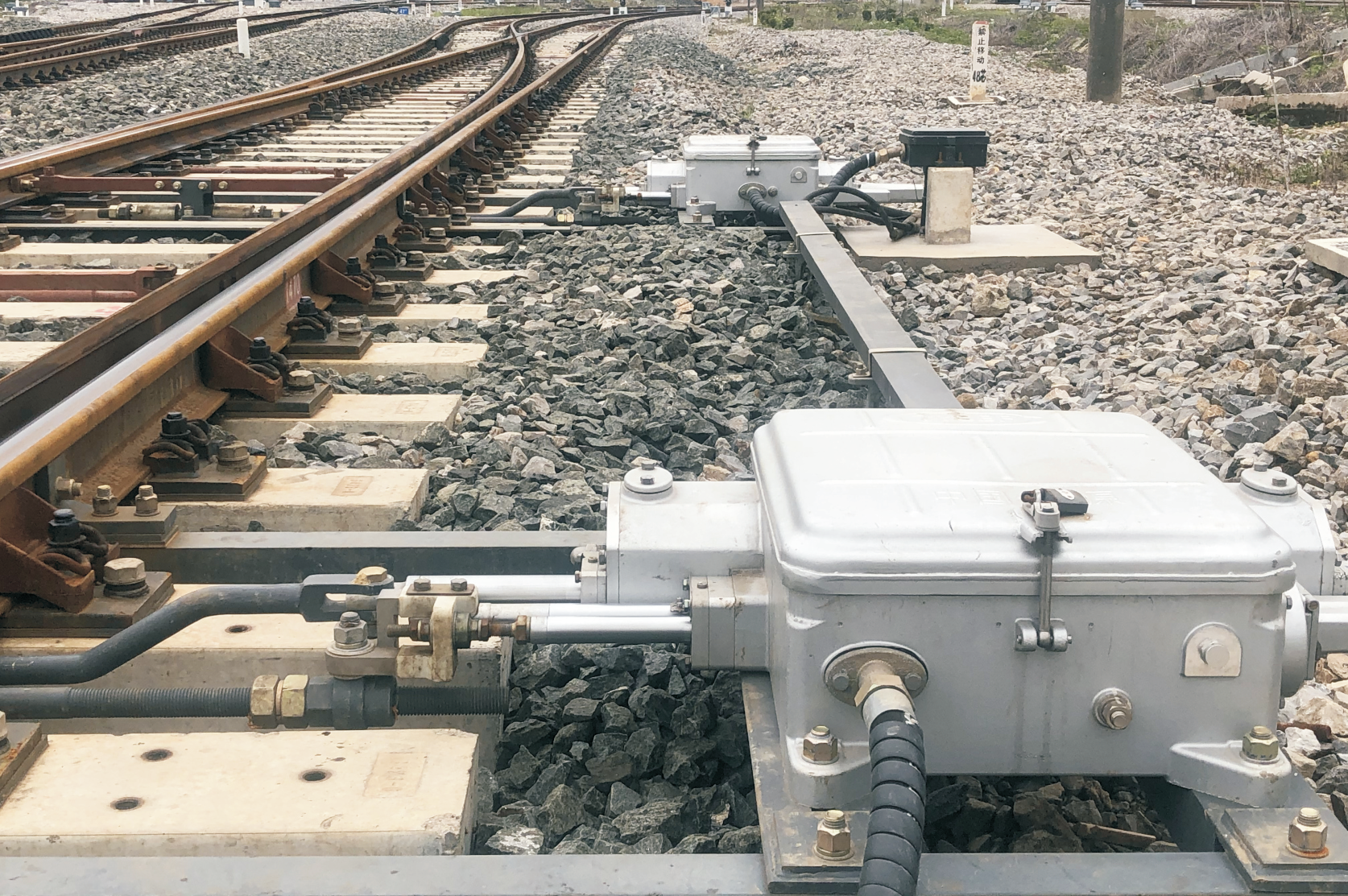
ZY(J)7(M) Sealed Type Electro-Hydraulic Turnout Machine
TAIYUAN CR JINGFENG EQUIPMENT TECHNOLOGY CO., LTD.

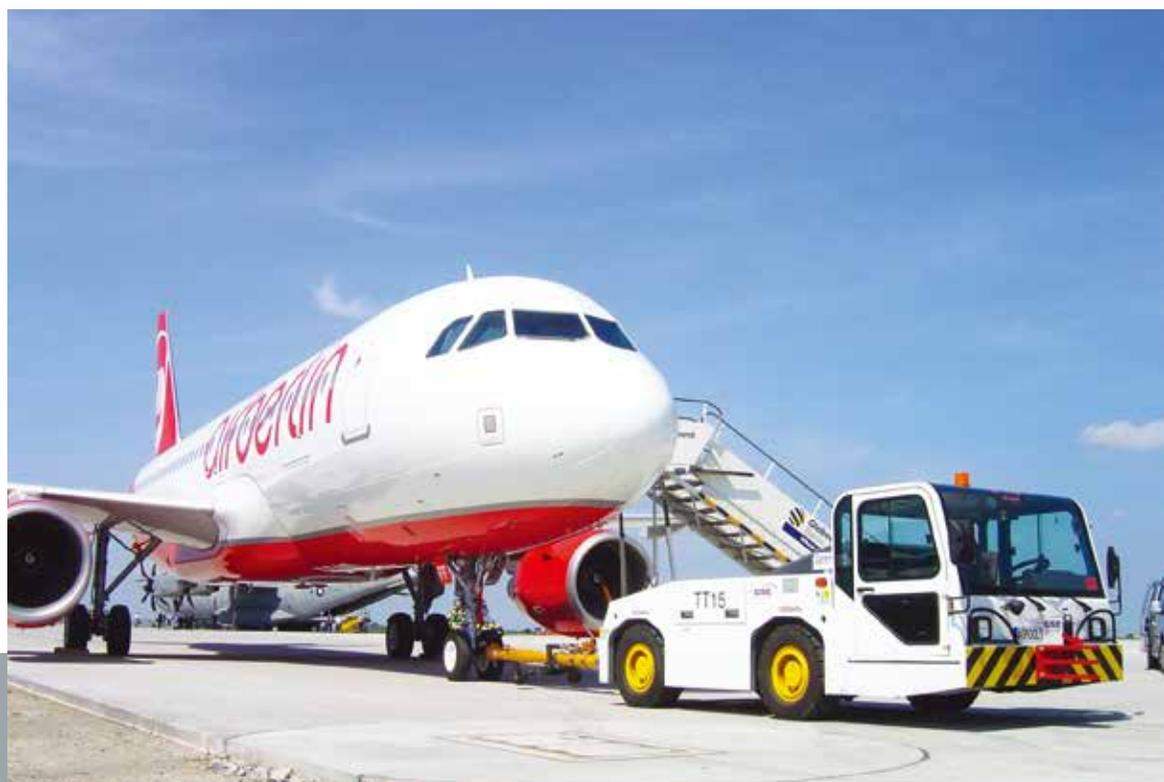
WGQY Series Aircraft Tow Tractor-WGQY15, WGQY27
Weihai Guangtai Airport Equipment Co., Ltd.

ERW Welded Pipe (Black Pipe and Hot-dip Galvanized Steel Pipe)
Handan Zhengda Steel Pipe Co., Ltd.
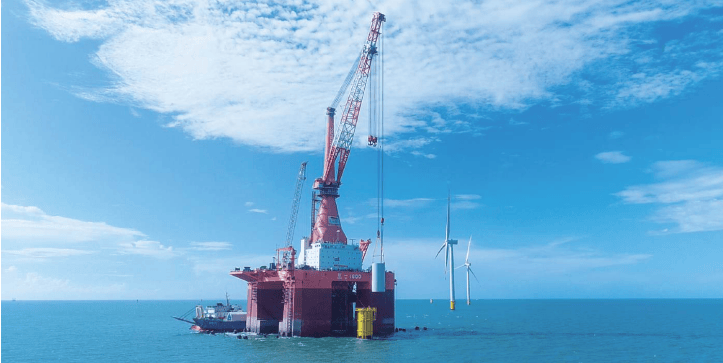
"Shunyi 1600" Deep-submerging Bottom-sitting Multi-functional Wind Power Engineering Vessel
Zhengli Offshore Engineering Co., Ltd.