PMET Collects Over 2.5 Tonnes of Pollucite Pegmatite Samples at CV13
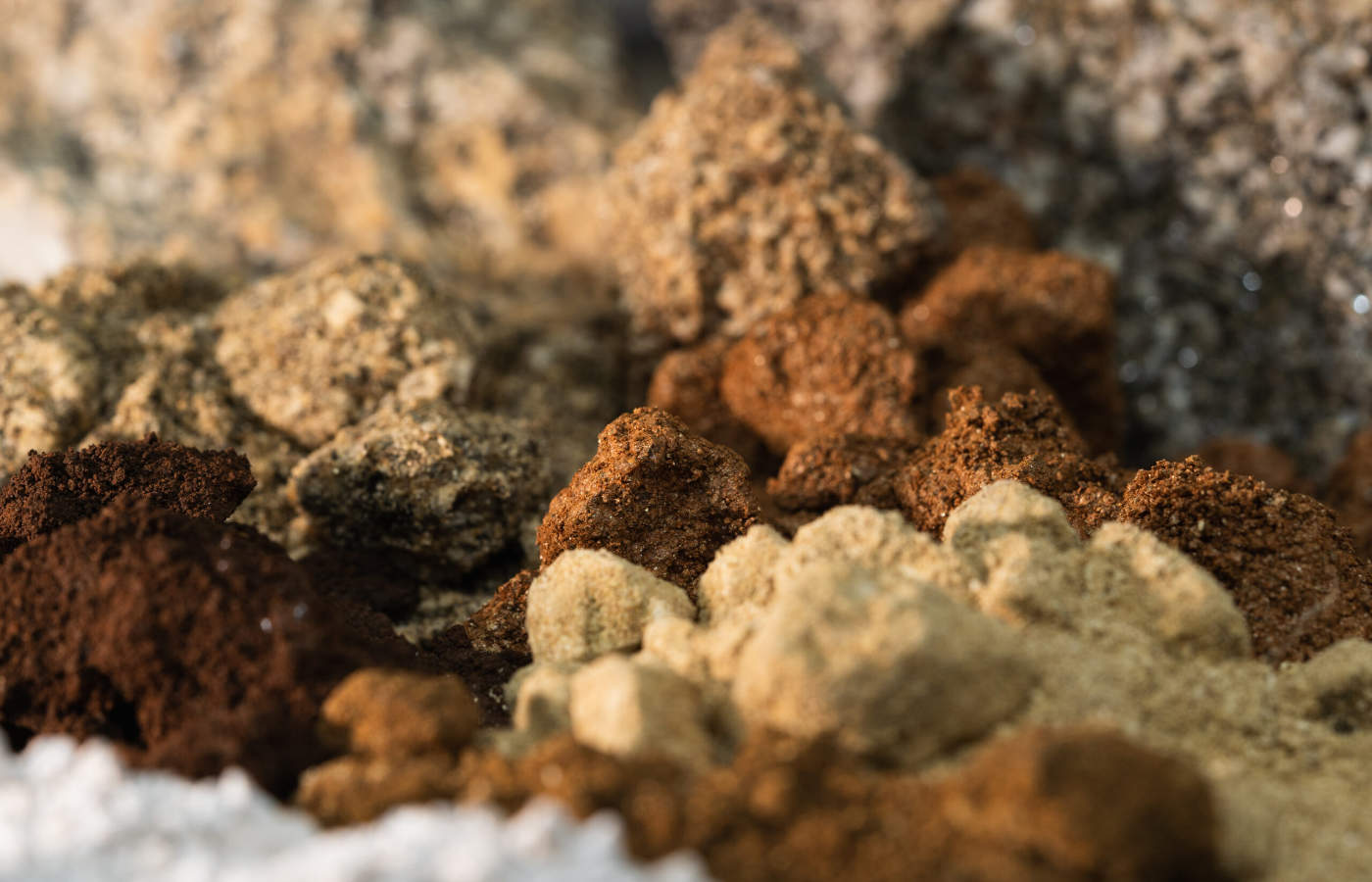
en.Wedoany.com Reported - PMET Resources Inc. (TSX: PMET; ASX: PMT; OTCQX: PMETF; FSE: R9GA) reports the latest progress on its previously announced BerryPick project. The project has collected multi-tonne pollucite pegmatite samples from the outcropping Vega zone of the CV13 pegmatite to support ongoing test work for concentrate production and downstream development. This outcrop previously returned 3.0 m @ 9.43% Cs2O from trench sampling (see news release dated April 9, 2025). To date, the project has accumulated over 2.5 tonnes of pollucite pegmatite samples.
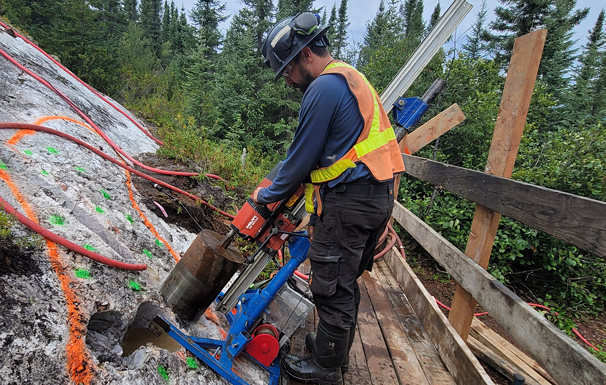
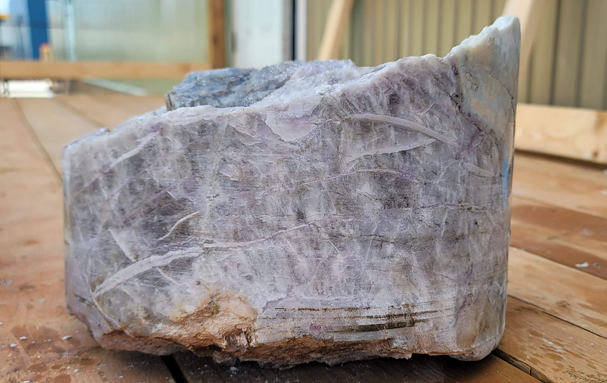
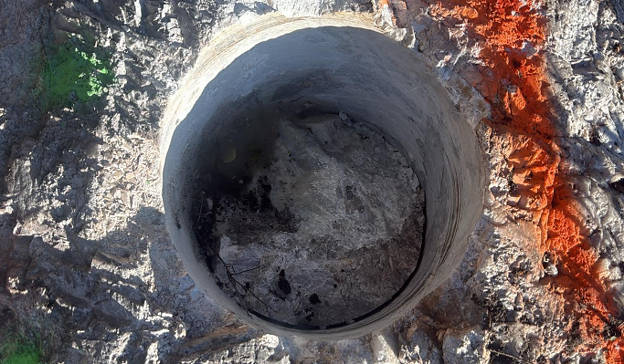
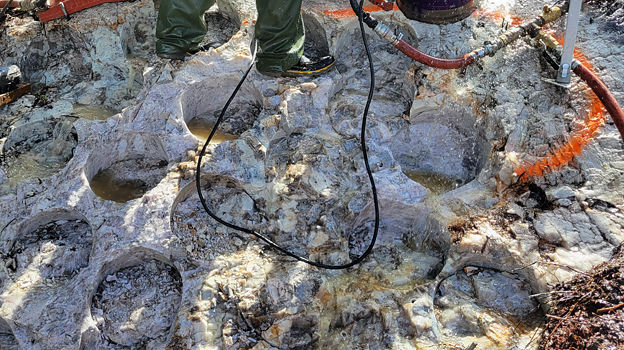
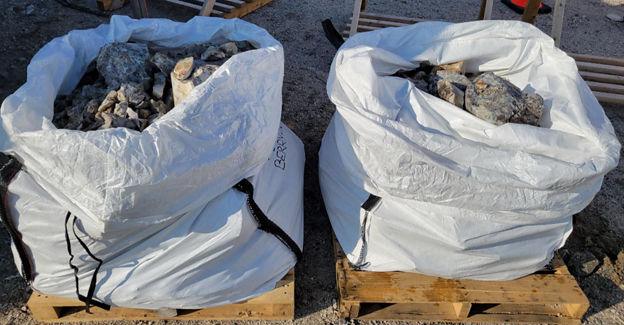
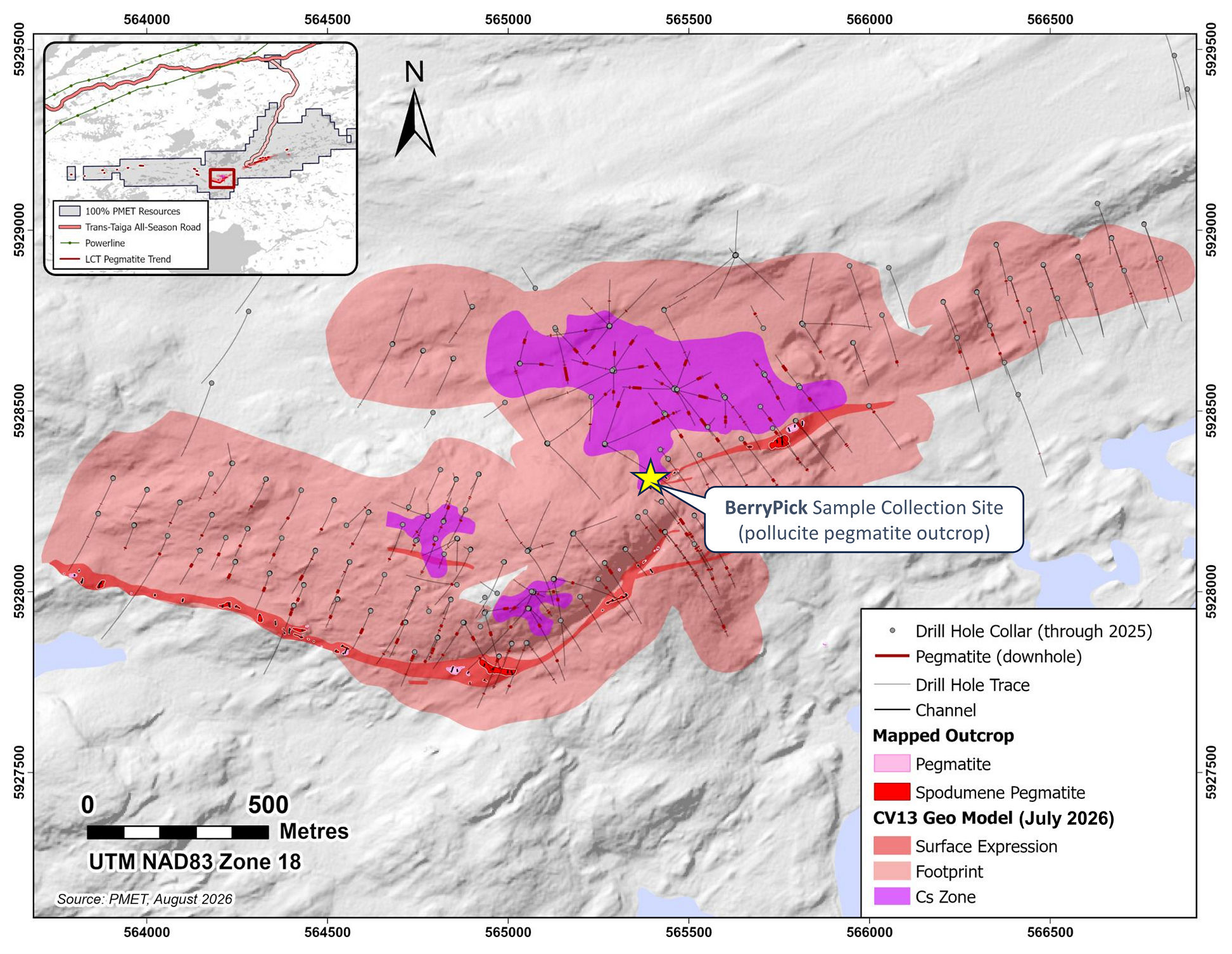
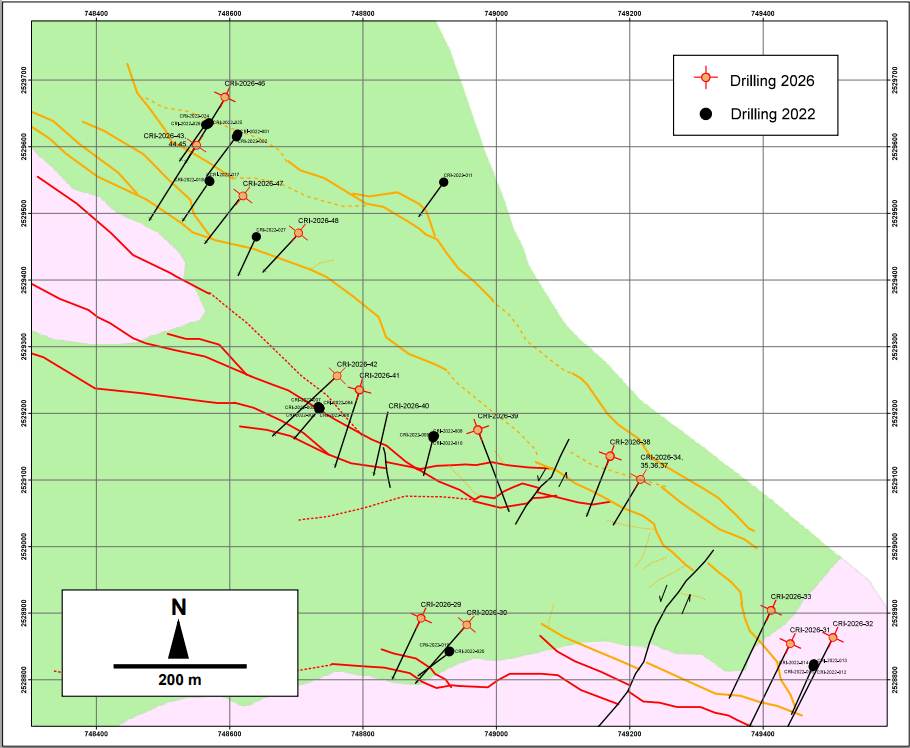
The BerryPick project employs shallow large-diameter core drilling, with shallow holes of less than 60 cm depth arranged on a grid across the mineralized outcrop surface, yielding core of approximately 30 cm diameter. The combined core samples will be submitted for ore sorting tests and geochemical analysis. Compared to the NQ (4.8 cm) and HQ (6.4 cm) core used in previous test work, the large-diameter samples provide larger-size and larger-volume material for more advanced ore sorting tests.
Pollucite in the samples was identified based on visual recognition, field portable XRF readings, and previous sampling and geochemical analysis of the outcrop (see news release dated April 9, 2025). The Company also cautions that visual estimates of mineral abundance should not be considered a substitute for laboratory analysis, particularly where concentration or grade constitutes a primary economic consideration; visual estimates may also not provide information regarding impurities or deleterious physical properties relevant to an assessment.
Pegmatite fragments exceeding 30 cm in size are required to obtain feasibility-level data, as such samples, after crushing, more closely resemble blasted run-of-mine material than drill core, thereby enabling more accurate assessment of recovery behavior in actual mining operations. Previous test work was limited by material size, with only NQ and HQ core available, a size considered sufficient to support the preliminary test program; BerryPick project samples will provide larger fragments suitable for feasibility-level assessment. Compared to alternative methods of collecting large fragments at sufficient scale, such as blasting or PQ core drilling (8.5 cm), this sampling method also avoids higher costs and can generate large quantities of representative pollucite concentrate samples in a shorter time frame.
The primary objective of the BerryPick project is to produce 500 to 1,000 kg of pollucite concentrate to support ongoing development of pollucite concentrate production and downstream cesium chemical testing. Subsequent work may include a chemical testing program conducted in collaboration with Koch Technology Solutions, and the Company continues to advance discussions with strategic downstream partners in the cesium industry (see news releases dated April 15, 2026, and July 12, 2026).
The Company will continue to collect pollucite pegmatite samples through the fall, wherever possible. Ore sorting tests are expected to commence in Q4 2026, with results expected to be received and announced in H1 2027; final grades of the composite samples will be disclosed once test results are received and compiled.
The property hosts one of the world's largest lithium-tantalum pegmatite mineral resources and lithium pegmatite ore reserves, as well as the world's largest in-situ pollucite-bearing cesium pegmatite mineral resource, with resources comprising 0.69 Mt @ 4.40% Cs2O in the indicated category and 1.70 Mt @ 2.40% Cs2O in the inferred category. The cesium resource is hosted within the CV13 pegmatite, which is located less than 3 km along strike from the CV5 pegmatite; CV5 is situated approximately 13 km south of the Trans-Taiga Highway and power transmission line infrastructure corridor, and the site is accessible year-round by road.
Related Products


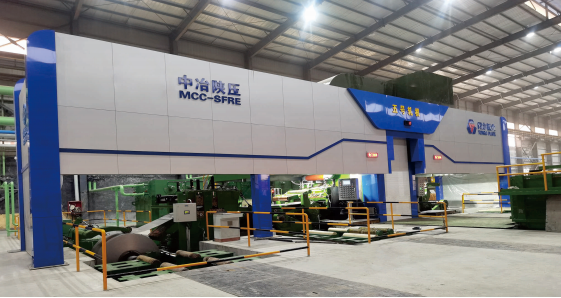
1050-1750mm Steel Strip Single-stand Reversible Cold Rolling Production Line
MCC-SFRE HEAVY INDUSTRY EQUIPMENT CO., LTD.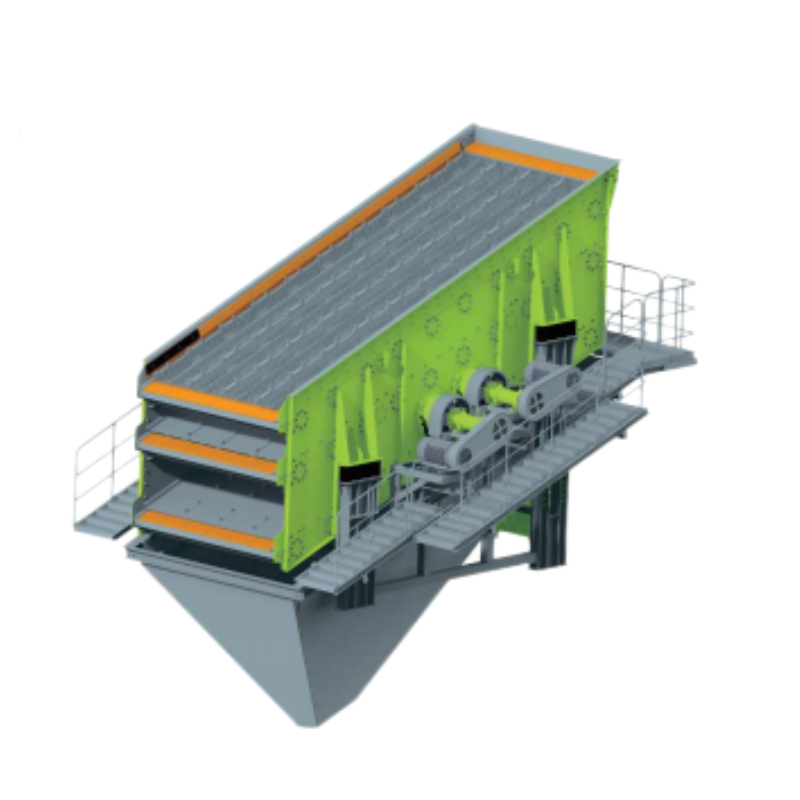
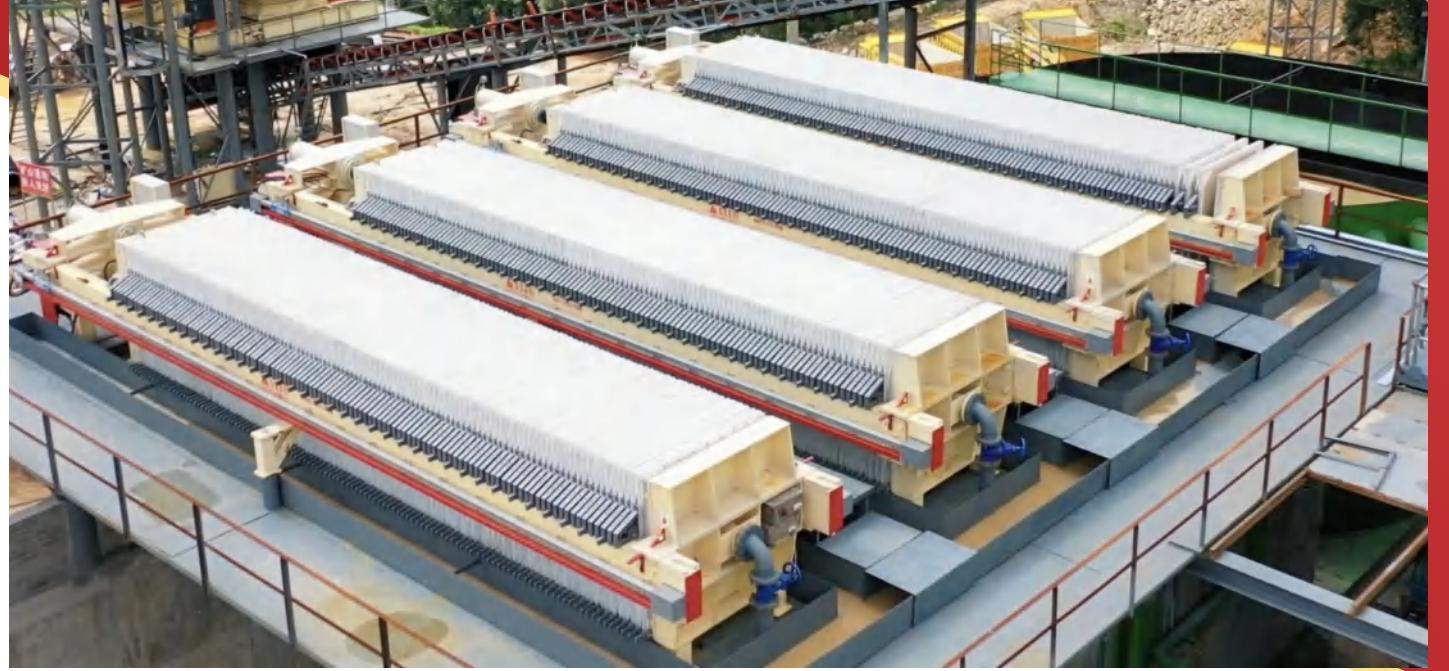
Hydraulic Plate and Frame Filter Press
Guangdong Leimeng Intelligent Equipment Group Co., Ltd.

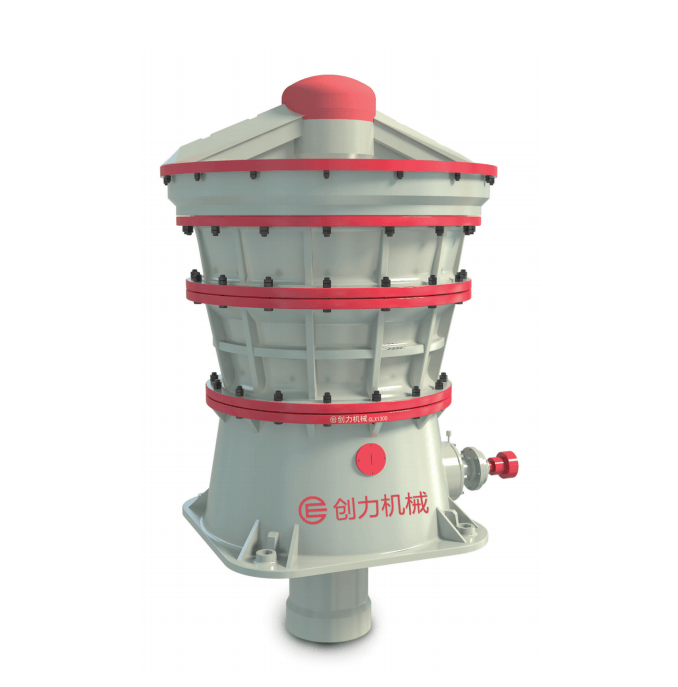
CLX Series Intelligent Hydraulic Gyratory Crusher
Guangdong CHUANGLI intelligent machinery Equipment Co., LTD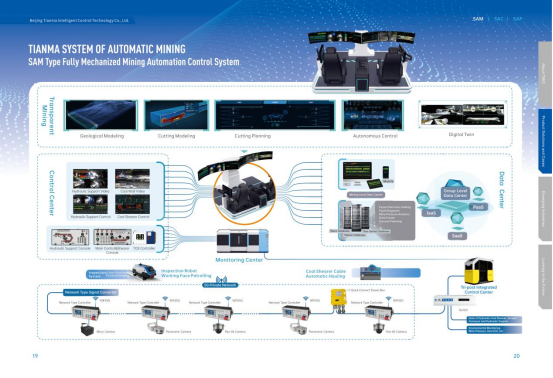
Comprehensive Mining Automation Control System
Beijing Tianma Intelligent Control Technology Co., Ltd.
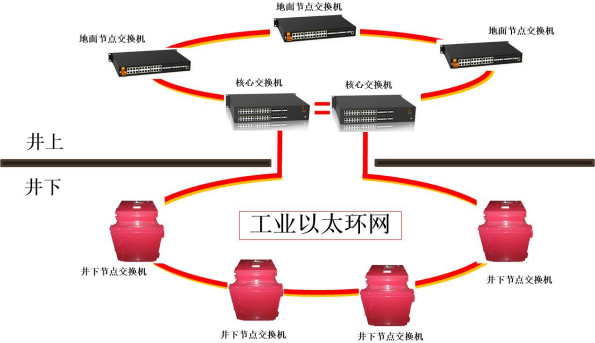
Mine Explosion-proof and Intrinsically Safe Industrial Ethernet Ring Network (10 Gigabit/Gigabit)
Chongqing Mas Sci&Tech Co., Ltd.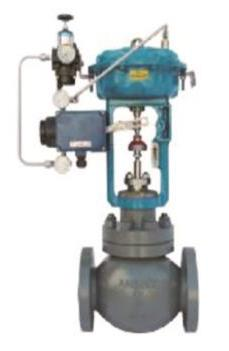
Quick-Change Single-Seat Control Valve / Quick-Change High-Pressure Single-Seat Control Valve
Beijing Consen Automation Technology Co., Ltd.