South Korea Reassesses New Nuclear Power Plant Construction Amid Rising AI Electricity Demand
en.Wedoany.com Reported - On September 8, South Korea's Minister of Climate, Energy, and Environment, Kim Sung-hwan, stated in an interview that due to the expansion of the artificial intelligence industry, South Korea's future electricity demand is expected to increase by 25 to 30 gigawatts. The government is reassessing the possibility of constructing new nuclear power plants and plans to announce the 12th Basic Plan for Long-Term Electricity Supply and Demand next month.
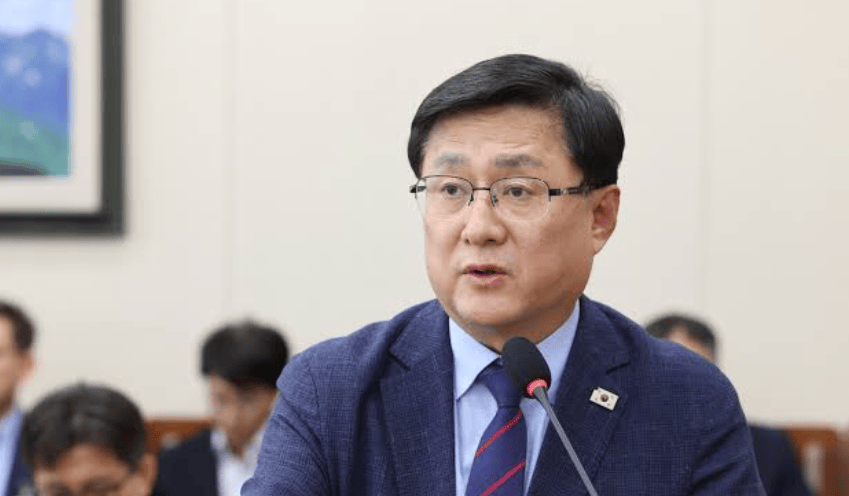
Kim Sung-hwan said that the aforementioned additional demand primarily stems from Samsung Electronics and SK hynix expanding semiconductor production, as well as the construction of new AI data centers. As internal combustion engine vehicles transition to electric vehicles and the scope of electric heating replacing gas heating expands, South Korea's overall electricity demand will continue to grow.
The 12th Basic Plan for Long-Term Electricity Supply and Demand, which the South Korean government intends to release, is expected to cover long-term electricity supply and demand arrangements through 2040 and include a decision on whether to build new nuclear power plants. Kim Sung-hwan did not disclose specific details regarding the scale of new nuclear power construction, stating only that the matter is currently being evaluated by experts. He also noted that nuclear power is "an important factor that must be considered" in South Korea's energy mix.
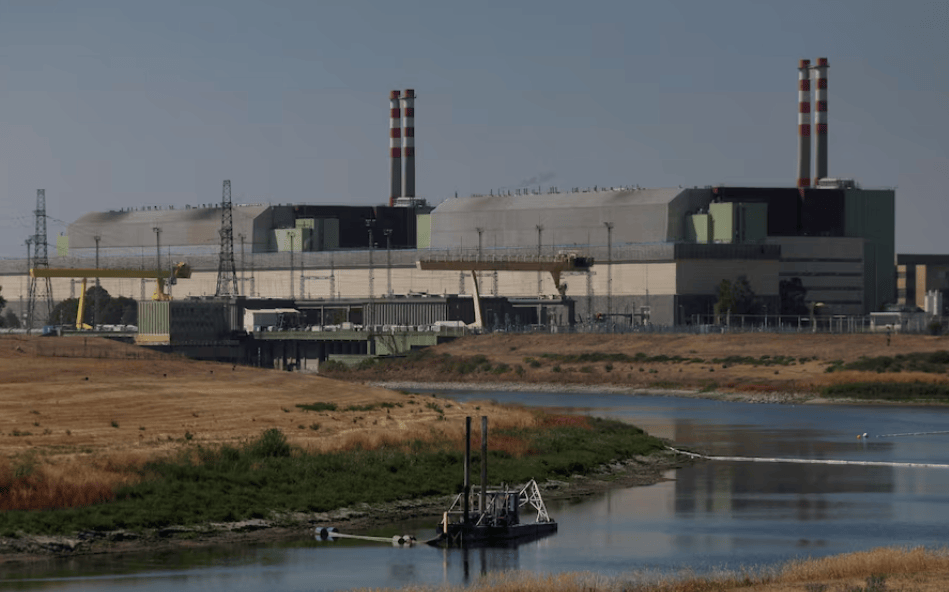
If nuclear power were to fully meet the 25 to 30 gigawatts of additional electricity demand related to AI, it would equate to the generating capacity of approximately 20 Korean-style nuclear power units. Currently, South Korea has 26 nuclear power units in operation, with nuclear power meeting about one-third of the country's electricity demand.
The semiconductor industry is one of the key drivers of South Korea's growing electricity demand. Samsung Electronics and SK hynix are advancing the construction of new production facilities in line with the approximately 800 trillion won southwestern semiconductor mega-project announced by the South Korean government this year. Kim Sung-hwan stated that some projects originally scheduled for completion around 2045 have been significantly accelerated, with targets adjusted to be completed by the early 2030s.
Kim Sung-hwan also mentioned the possibility of overseas major tech companies investing in data centers in South Korea. He noted that given the relatively stable electricity supply in South Korea, several American tech companies, including NVIDIA Corporation (NVIDIA), have expressed interest in building data centers in the country.
The South Korean government also plans to expand the use of renewable energy. Currently, renewable energy accounts for approximately 11% of South Korea's electricity supply, coal 29%, and natural gas 27%. South Korea plans to gradually phase out coal-fired power plants by 2040. However, among the 60 coal-fired power plants currently in operation, approximately 20 have a design lifespan extending beyond 2040, and the government is considering retaining some facilities as emergency backup power sources. Kim Sung-hwan stated that such arrangements could serve as a "safety reserve" to respond to unexpected power supply risks.
Related Products



Pneumatic high-pressure wear-resistant ball valve
Zhejiang Deca Control Valve Meter Co., Ltd.

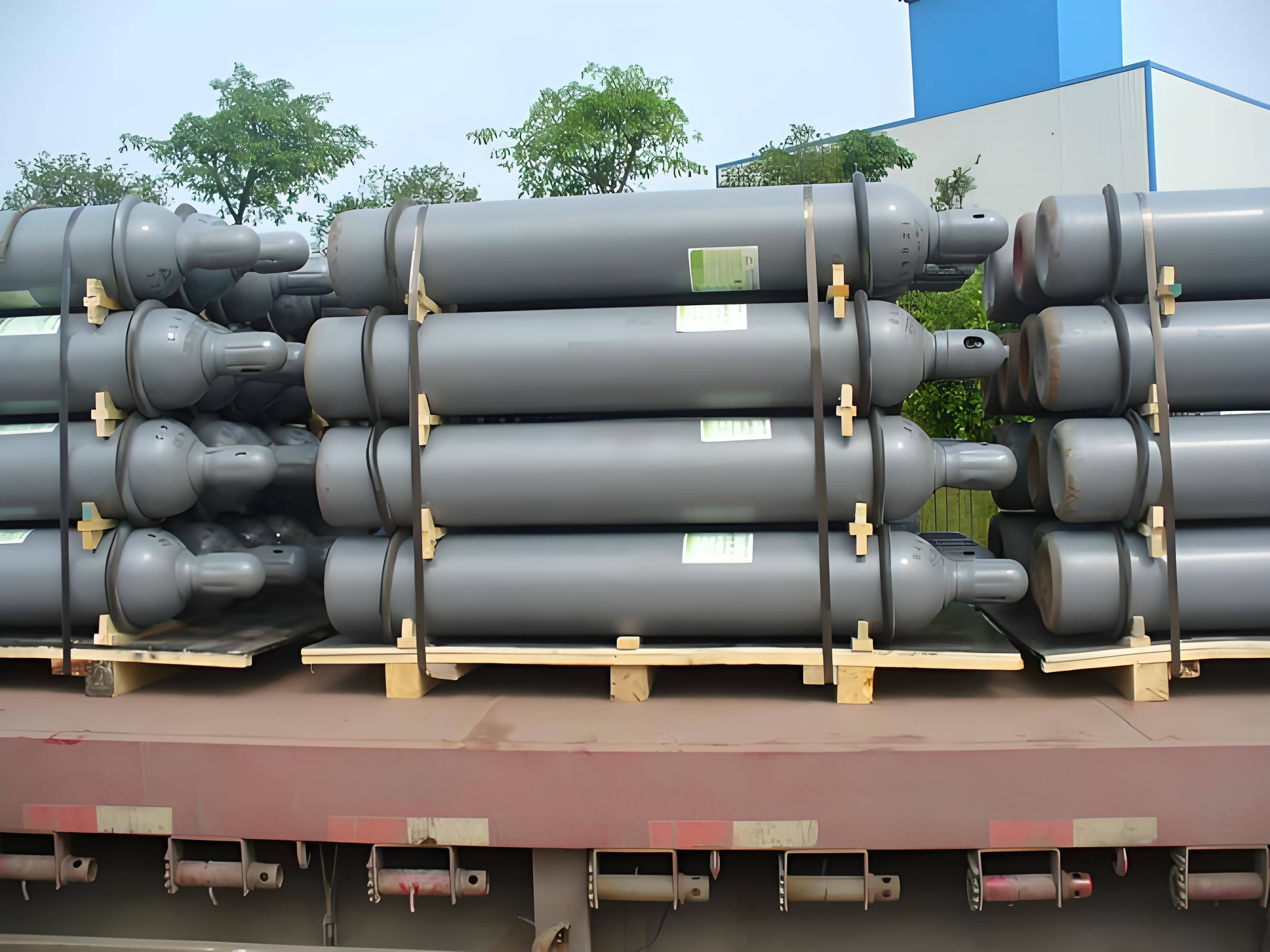
Global Sulfur Hexafluoride Gas Supply and Cylinder Export
Foshan Yuexin Industrial Gas Co., Ltd.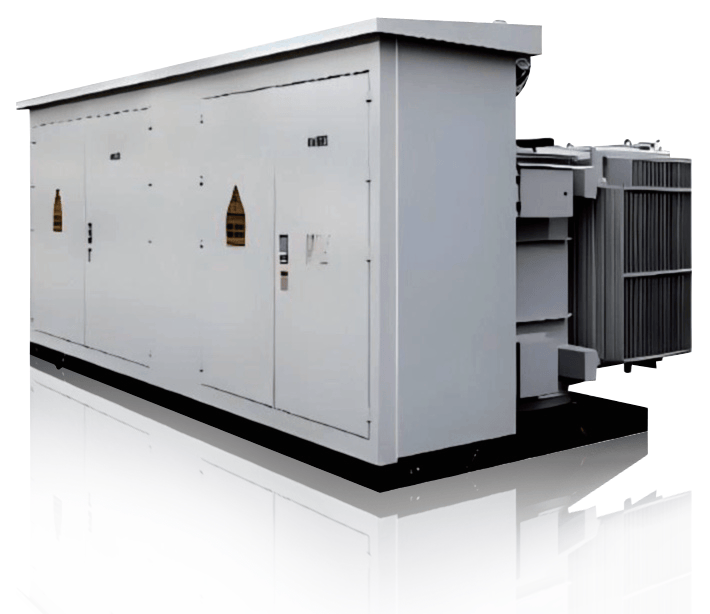
H-40.5/0.4~1.14kV New Energy Power Generation Dedicated High Voltage/Low Voltage Prefabricated Substation
XJ (Xiamen) Intelligent Power Equipment Co., Ltd.