Yazaki America Develops Bamboo Fiber Composite with 50% Carbon Footprint Reduction
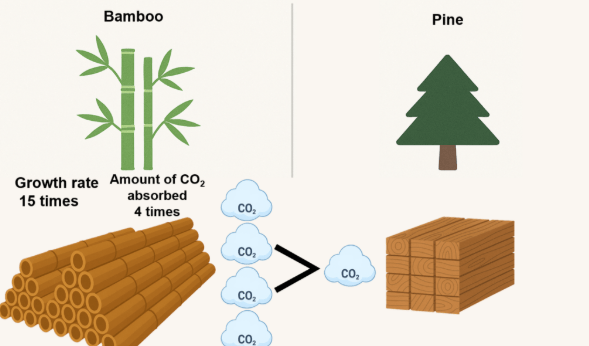
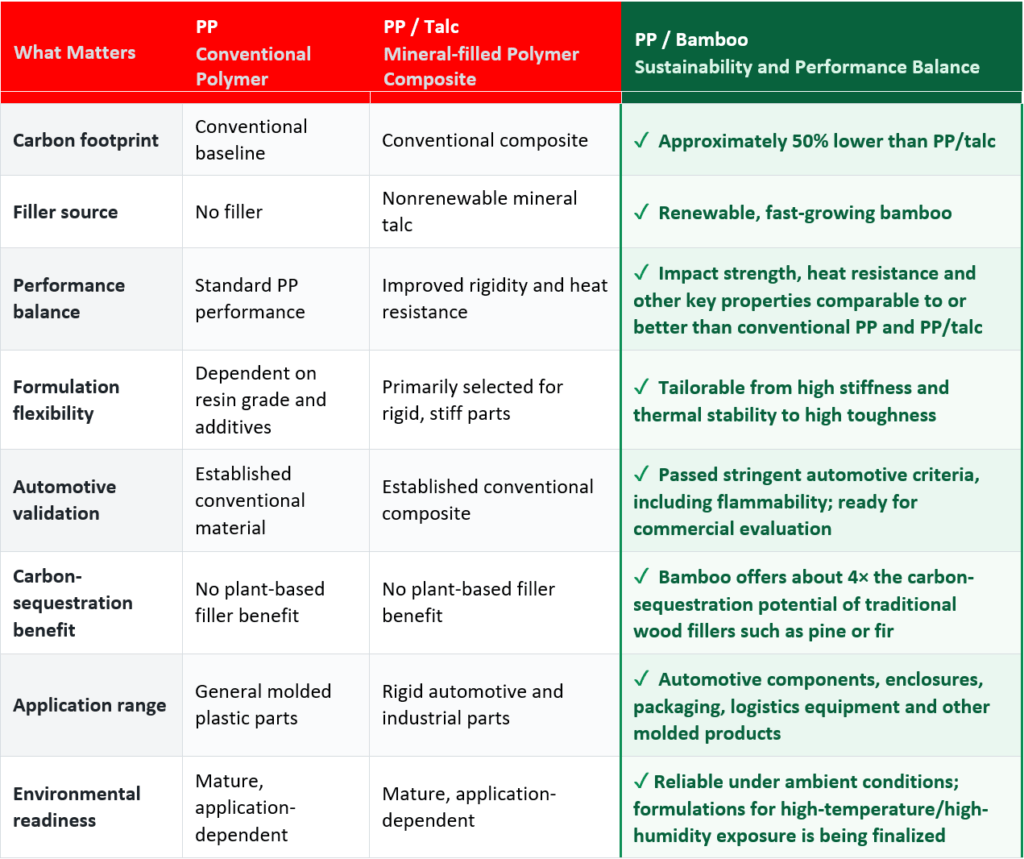
en.Wedoany.com Reported - Yazaki America, the wholly owned U.S. subsidiary of Japan's Yazaki Corporation, has newly developed a composite material containing natural fibers. The material matches the performance of conventional polypropylene (PP) and PP/talc composites while reducing carbon footprint by 50%.
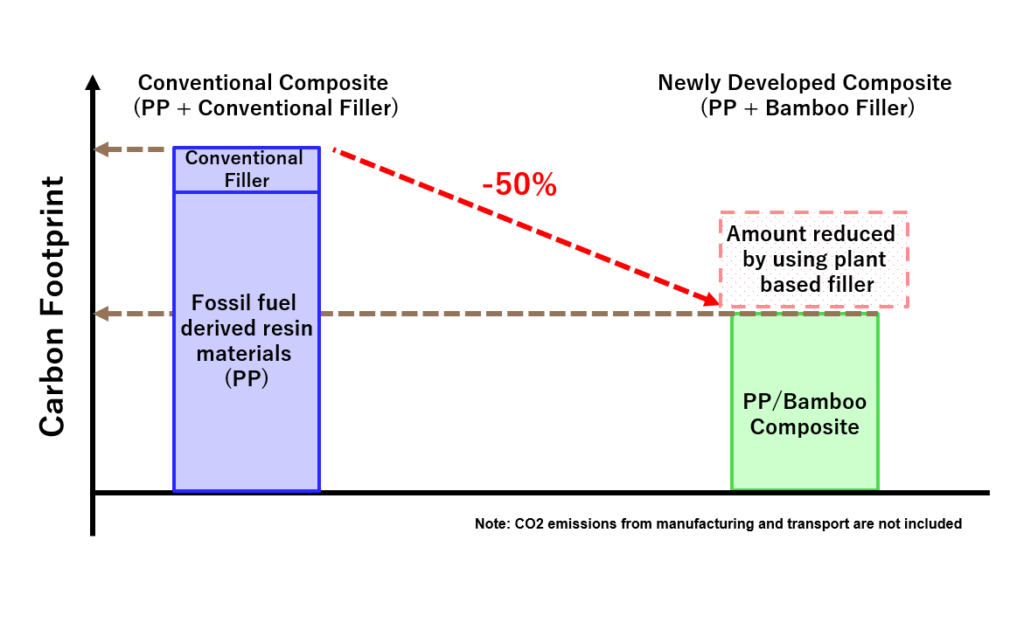
The natural fiber in this composite is derived from bamboo. Yazaki America was drawn to bamboo for its environmental friendliness and mechanical properties: bamboo grows quickly, and its estimated carbon sequestration potential is four times that of traditional wood fillers such as pine and fir. In terms of mechanical properties, the PP-bamboo composite can be formulated according to specific application requirements—achieving either high stiffness and thermal stability for rigid structural components, or high toughness for more flexible and resilient parts.
On the application side, this PP/bamboo composite has passed stringent automotive standards including flammability standards. It can be used for relay housings, protective covers and other similar molded components, and is ready for immediate commercial evaluation. Beyond automotive, it is also suitable for electrical and electronic equipment components, protective enclosures and housings, industrial packaging and reusable containers, material handling and logistics equipment (such as warehouse storage systems), and other molded plastic products seeking low-carbon alternatives. Other material formulations for high-temperature and high-humidity environments are still under development.
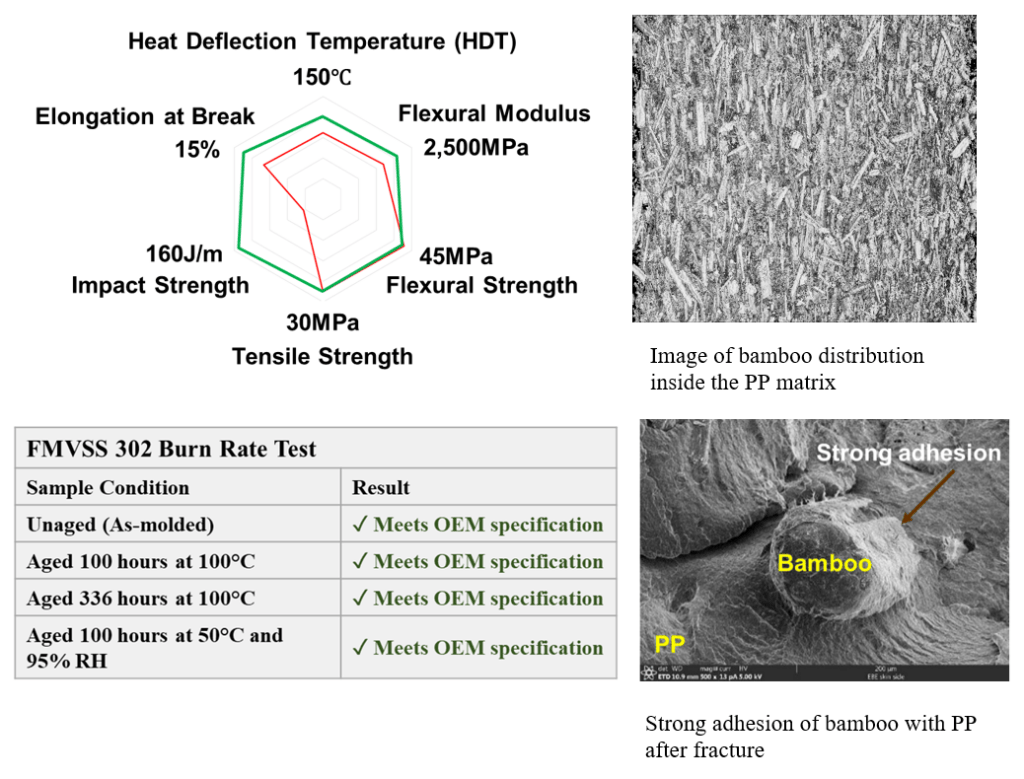
Dr. Rajkiran Tiwari, Manager of Polymer Materials R&D at YTCA, said the team's goal was not just to make a more sustainable material, but to make a material that customers can truly use to replace existing solutions. According to him, by combining meaningful carbon footprint reduction with performance verified through independent testing, this technology has the potential to support innovation in the automotive sector as well as in numerous industries that use molded plastic components.
Related Products


Steel Pipes for Refining and Coal Chemical Industries
YANGZHOU LONTRIN ENERGY EQUIPMENT CO.,LTD.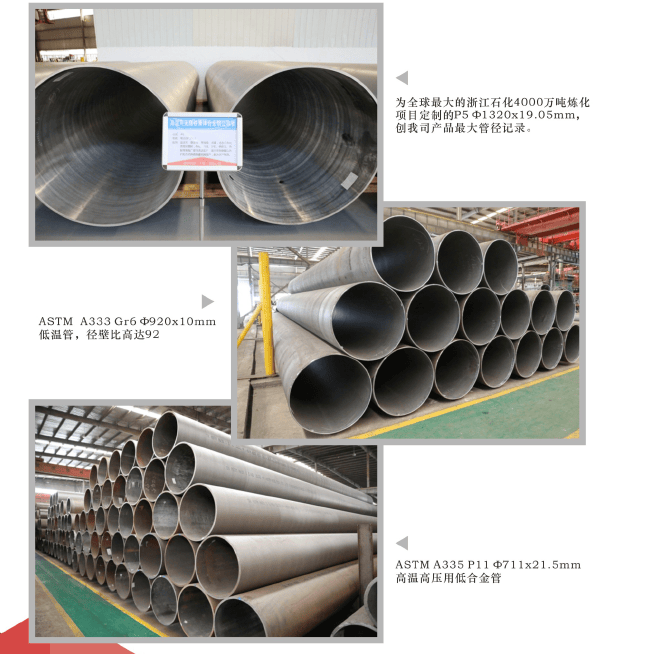
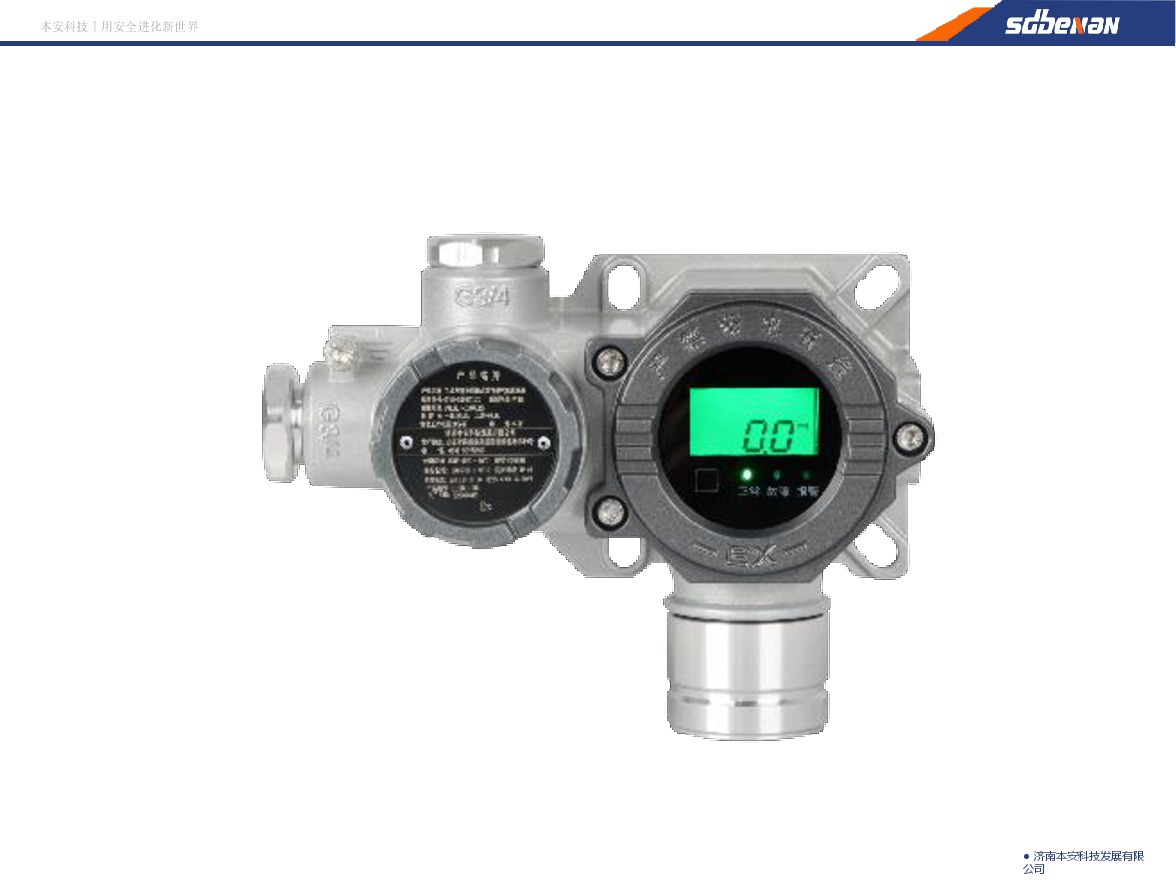
Industrial and Commercial Point-Type Gas Detector
Jinan Benan Technology Development Co., Ltd.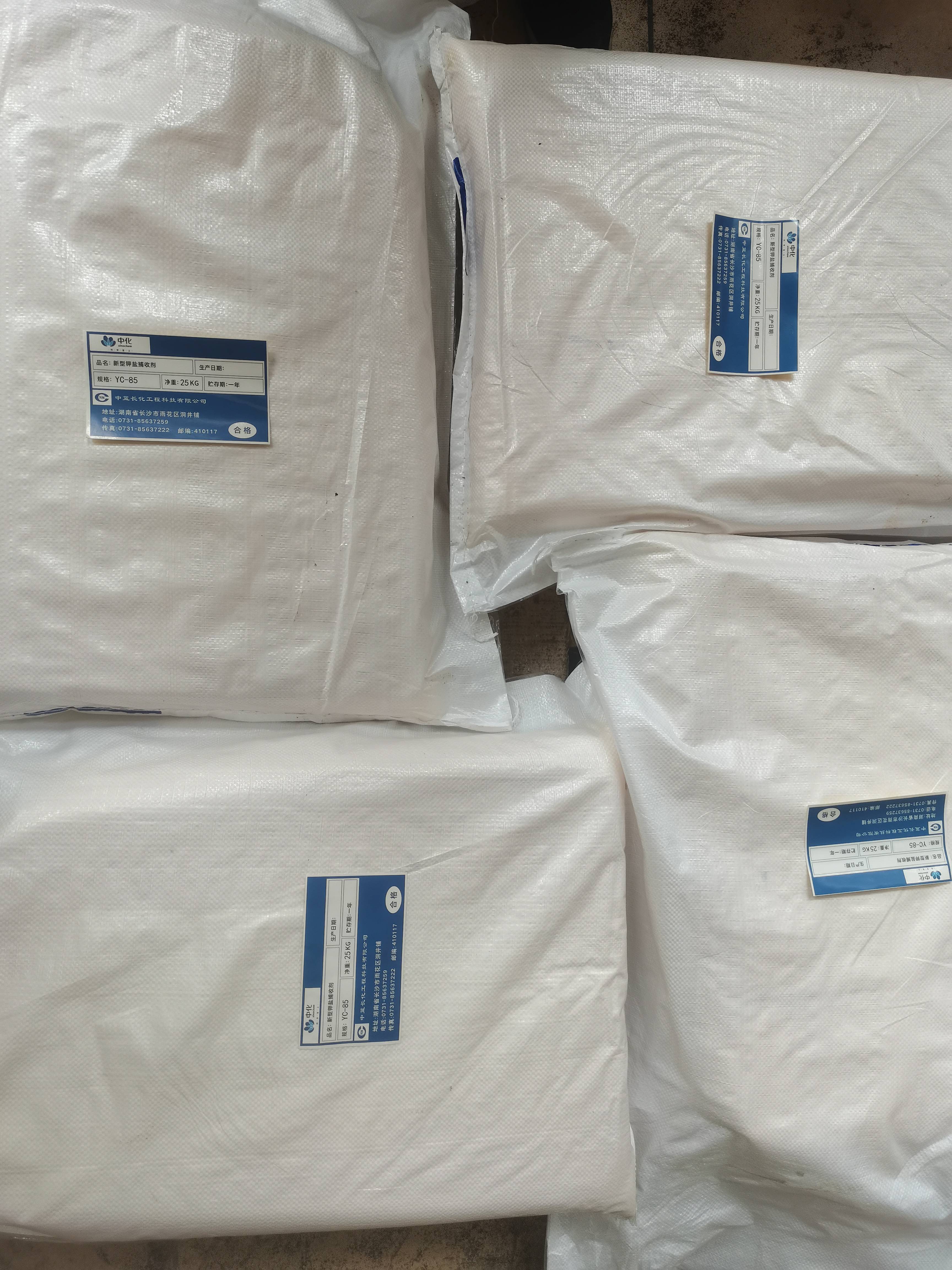
New Environmentally Friendly Green Potassium Salt Collector
Chonfar Engineering and Technology Co., Ltd.
High Thermal Conductivity Encapsulating Resin
Nantong BESALL Sealing Technology Company.,Limited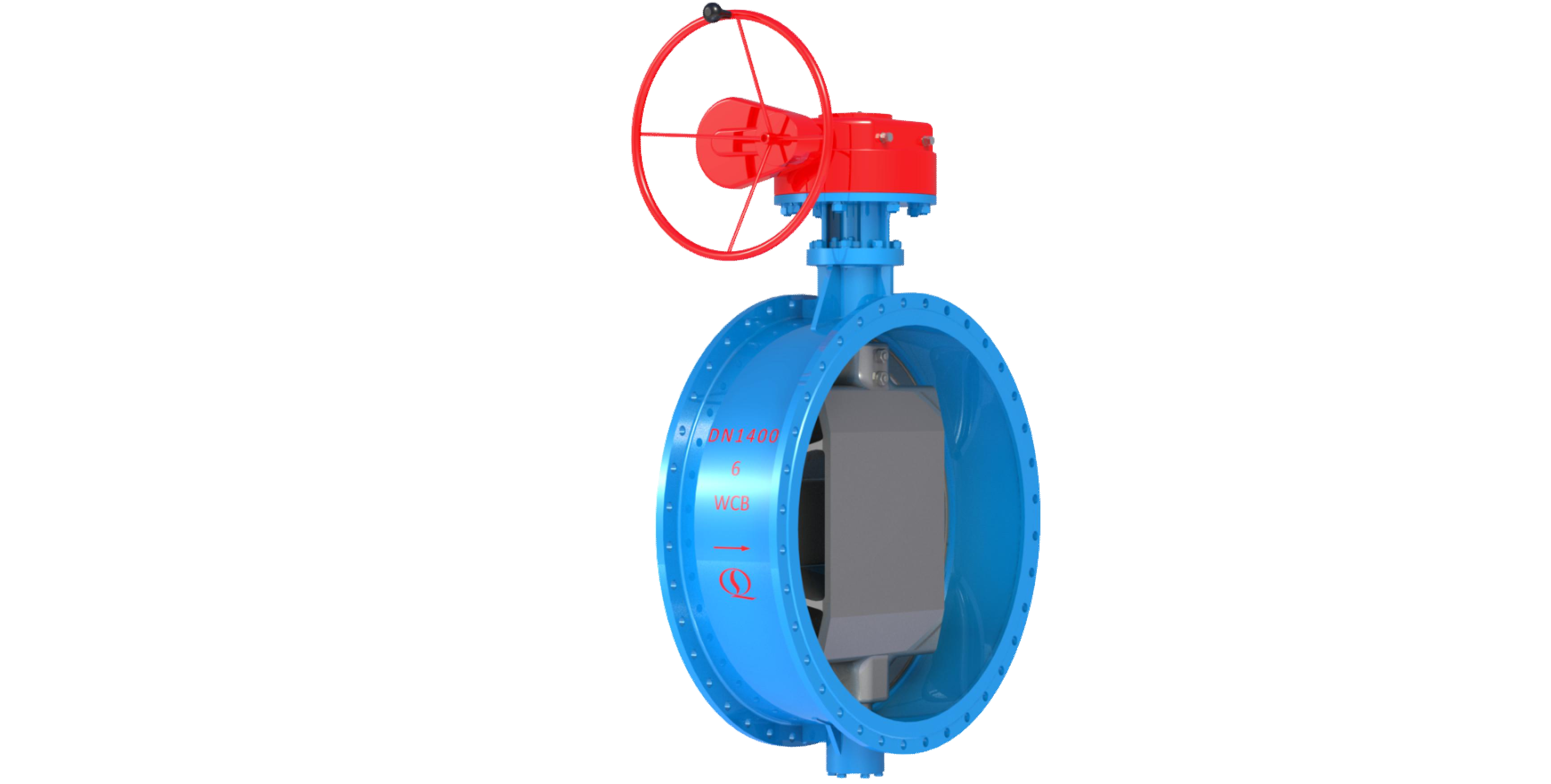
Bidirectional Metal Hard Sealed Seawater Butterfly Valve
Henan Quanshun Flow Control Science & Technology Co., Ltd.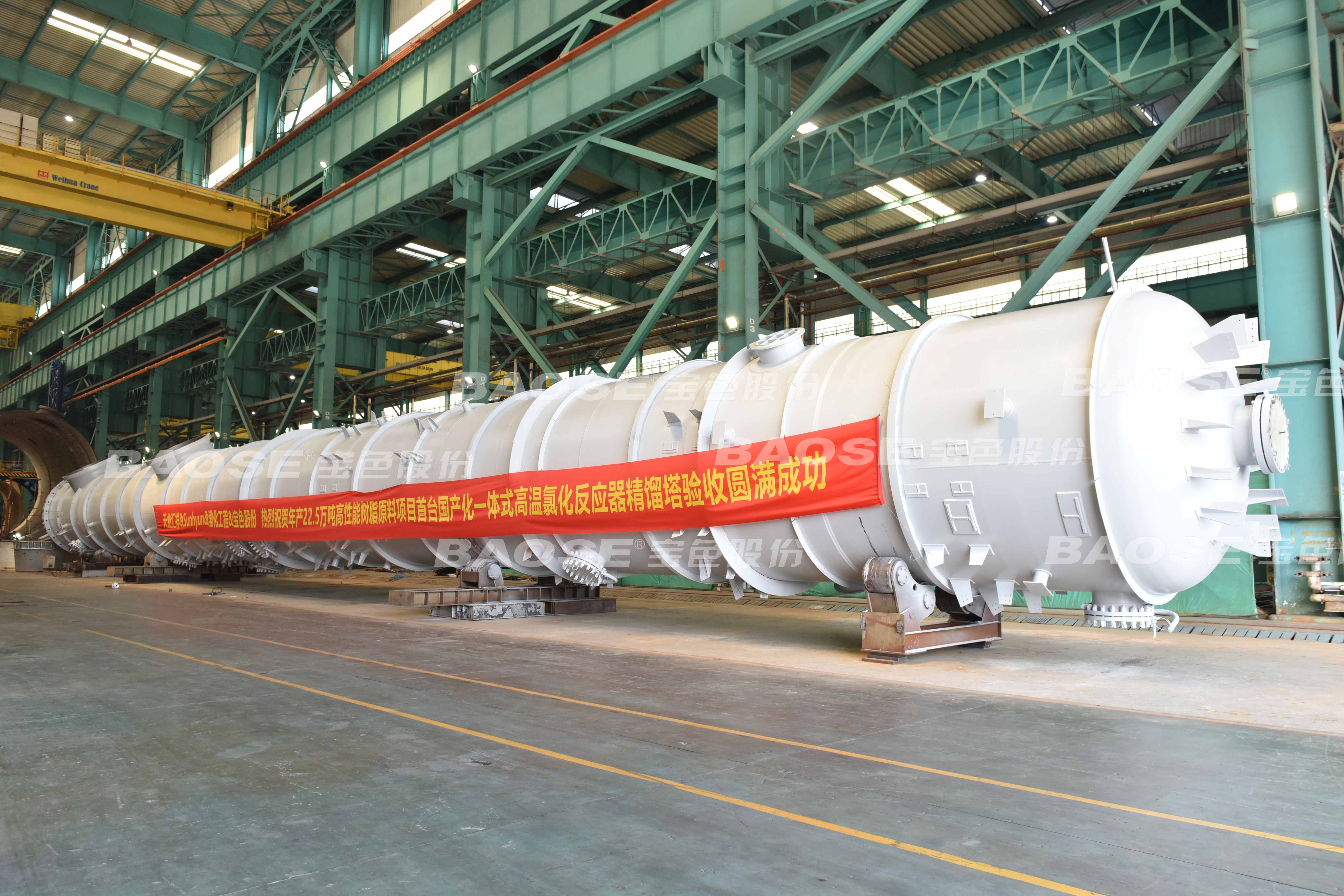
Integrated High-Temperature Chlorination Reactor Rectification Column
Nanjing Baose Co., Ltd.