New Electrode Design from Germany's Fraunhofer Boosts Battery Energy Density by Up to 15%
en.Wedoany.com Reported - A consortium led by Germany's Fraunhofer Institute for Solar Energy Systems (Fraunhofer ISE) has developed thicker battery electrodes that increase cell-level energy density by 10% to 15% without adding cell weight.
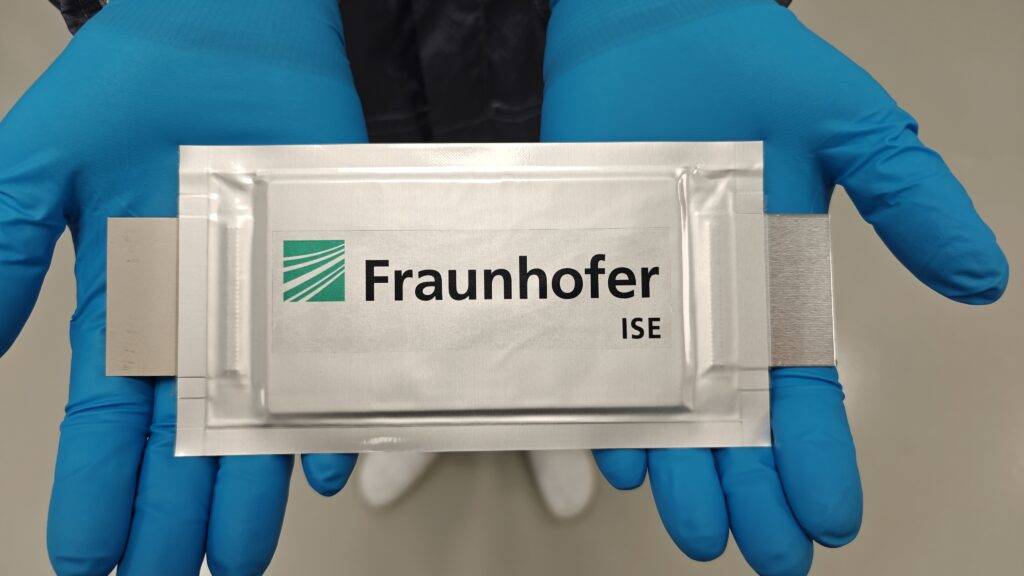
The research team has validated this approach in lithium-ion, sodium-ion, and zinc-ion cells, and has produced a prototype lithium-ion pouch cell.
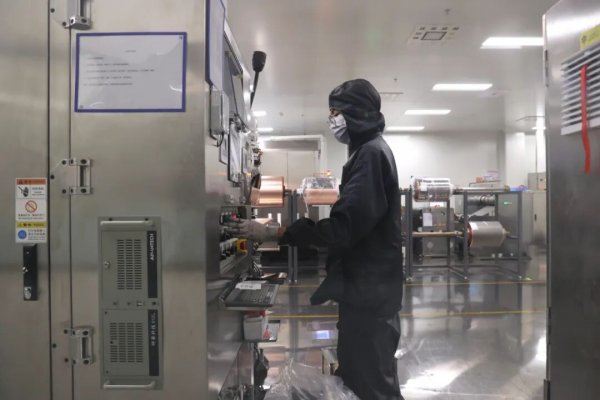
Fraunhofer ISE explains that the new cell architecture was designed with future large-scale production in mind from the R&D stage. Compared with current state-of-the-art wet-coating systems, its electrode production line has significantly lower process complexity, which in turn reduces capital costs; because it requires less space and energy, operating costs are also lower. The institute believes this technology opens up the possibility of establishing battery cell production facilities in Germany, especially for small and medium-sized enterprises.
Oliver Fitz, head of the institute's battery cell technology team, explains that researchers increased the electrode coating thickness from the conventional 100 to 200 micrometers to as much as 800 micrometers. With thicker electrodes, fewer current collectors are needed inside the cell, freeing up more space and weight for active energy-storage materials.
The resulting battery cells are free of per- and polyfluoroalkyl substances (PFAS) and do not use toxic solvents in the manufacturing process. PFAS are a large class of synthetic chemicals that are highly persistent in the environment and are often referred to as "forever chemicals."
The electrode and cell designs were completed in three projects: "VORAN – Innovative Sodium-Ion Battery Storage for Stationary and Mobile Applications," "INFAB – Zinc-Ion Batteries for Stationary Energy Storage – Manufacturing and Assembly," and "WinZIB2 – Globally Deployable, Innovative Zinc-Ion Battery System."
Project partners include Acp systems, Helmut Hechinger, the University of Stuttgart's Institute for Photovoltaics (ipv), and the Karlsruhe Institute of Technology/Ulm Helmholtz Institute.
Andreas Bett, director of Fraunhofer ISE, says that in a climate-neutral energy system with fluctuating energy sources such as solar and wind power, stationary battery storage is an indispensable component for covering morning and evening peak electricity demand. Germany would be well advised to build up manufacturing capacity to meet growing battery demand and create value domestically.
Related Products

72.5kV 1250A 31.5kA SF6 free Gas-insulated Metal-enclosed Switchgear
Zhejiang Juhonkia Intelligent Electric Co., Ltd.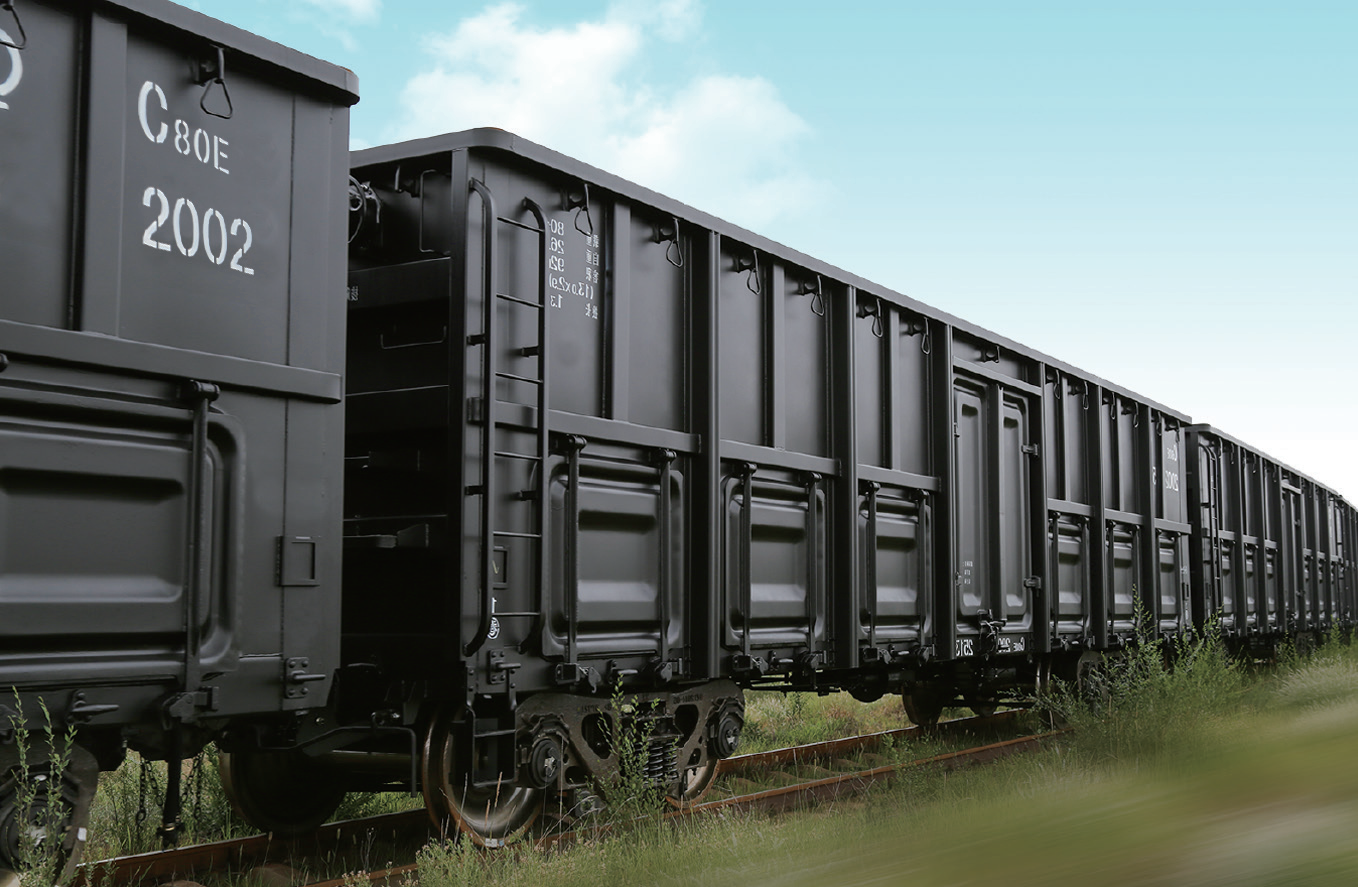
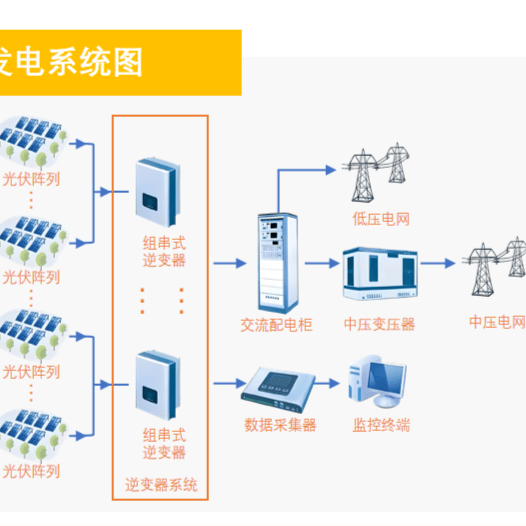
Photovoltaic and Wind Power Generation Technology
Beijing Boqi Electric Power SCI-TECH Co., Ltd.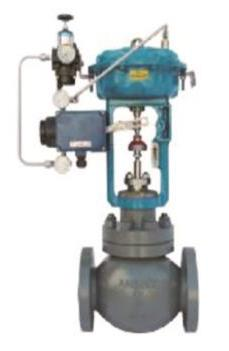
Quick-Change Single-Seat Control Valve / Quick-Change High-Pressure Single-Seat Control Valve
Beijing Consen Automation Technology Co., Ltd.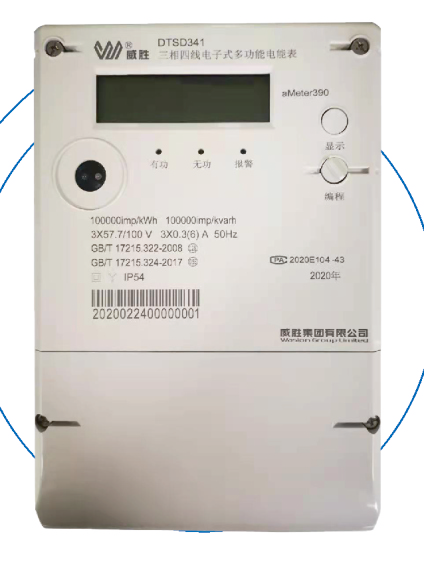
Overseas IEC Gateway Energy Meter - DTSD341/DSSD331-aMeter390
Wasion Group Limited Co., Ltd.
Off-Grid Fuel Cell Supercharging Station (180kW Configuration)
Shanghai REFIRE Group Limited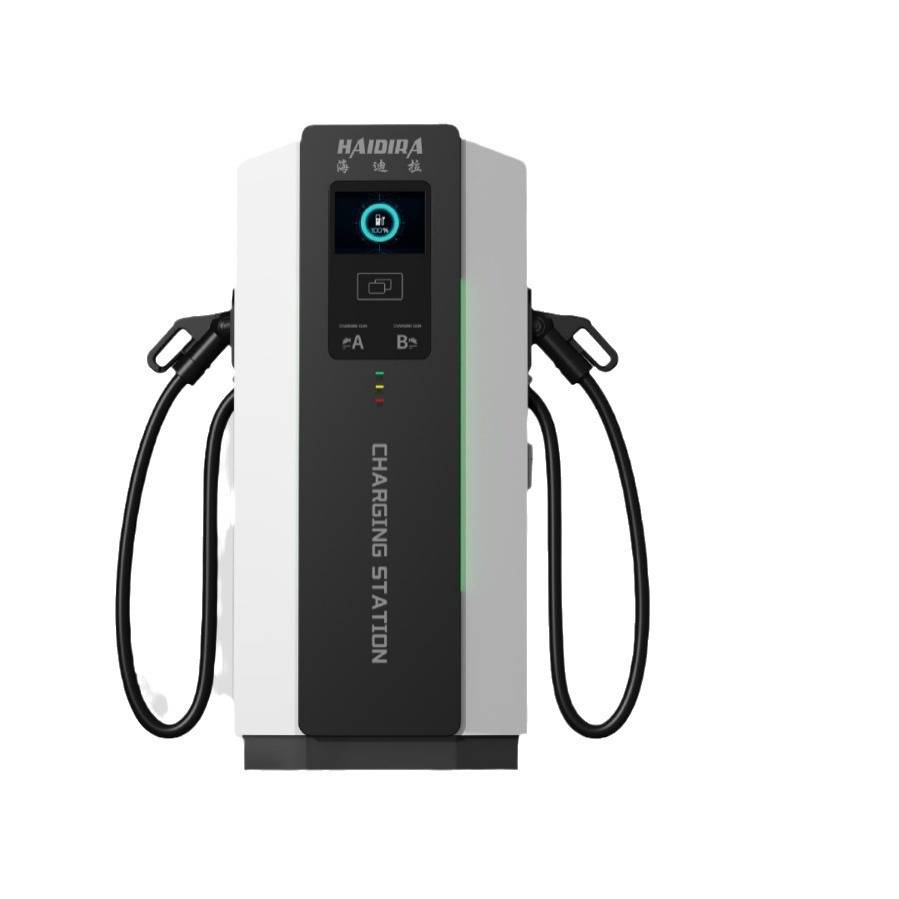
Manufacturer Direct Sales Tesla New Energy Electric Vehicle Universal DC 180kW Dual-gun Charging Pile Commercial Fast Charger
Anhui Haidira Electric Technology Co., Ltd.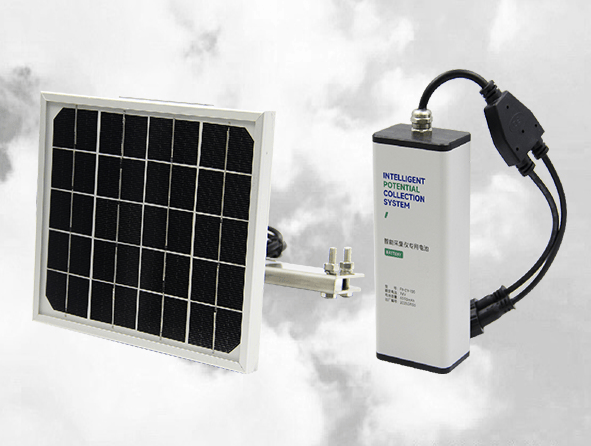
Inductive Power Harvesting Self-Powered Device - Safuneng
SELF ENERGY TECHNOLOGY (SHENZHEN) CO., LTD.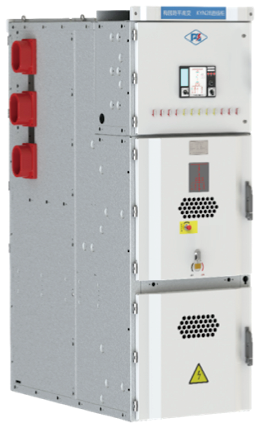
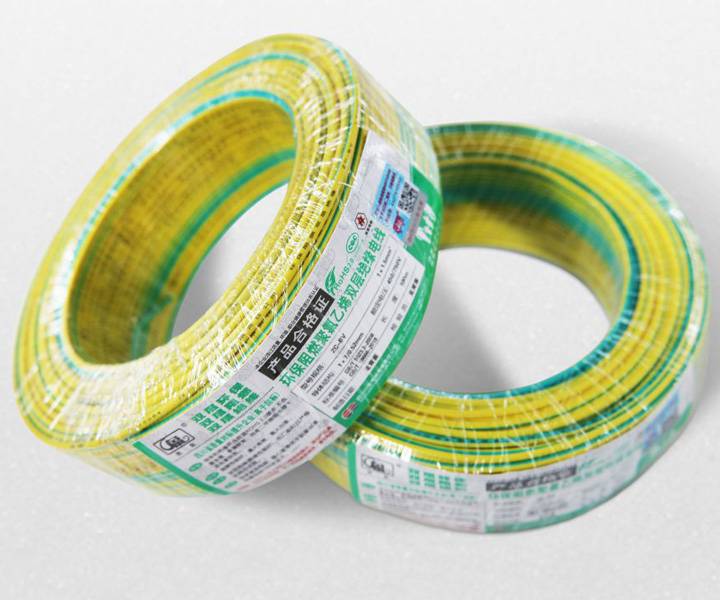
Environmentally Friendly Flame-retardant PVC Double-layer Insulated Wire
Sichuan Chndo Cable Co., Ltd.
Post-type AC Pollution-resistant Disc Suspension Porcelain Insulator (Triple Umbrella Type)
Shandong High Voltage Insulator Co., Ltd.