Rosatom and the Vietnam Academy of Science and Technology Officially Announce Quantum Technology Cooperation Plan
en.Wedoany.com Reported - One of the key events of the Russia-Vietnam Year of Science and Education — the Russian-Vietnamese Science and Technology Forum — was recently held with great enthusiasm. Ekaterina Solntseva, Director of the Quantum Technology Department at Rosatom, formally delivered a speech at the forum, announcing that the company and the Vietnam Academy of Science and Technology plan to carry out substantive cooperation in the field of quantum technology. The announcement of this cooperation coincided with the visit of To Lam, General Secretary of the Central Committee of the Communist Party of Vietnam and President of the Socialist Republic of Vietnam, to the Russian Federation. The backdrop of high-level scientific and technological exchanges between the two countries has added significant political and diplomatic weight to this cooperation.
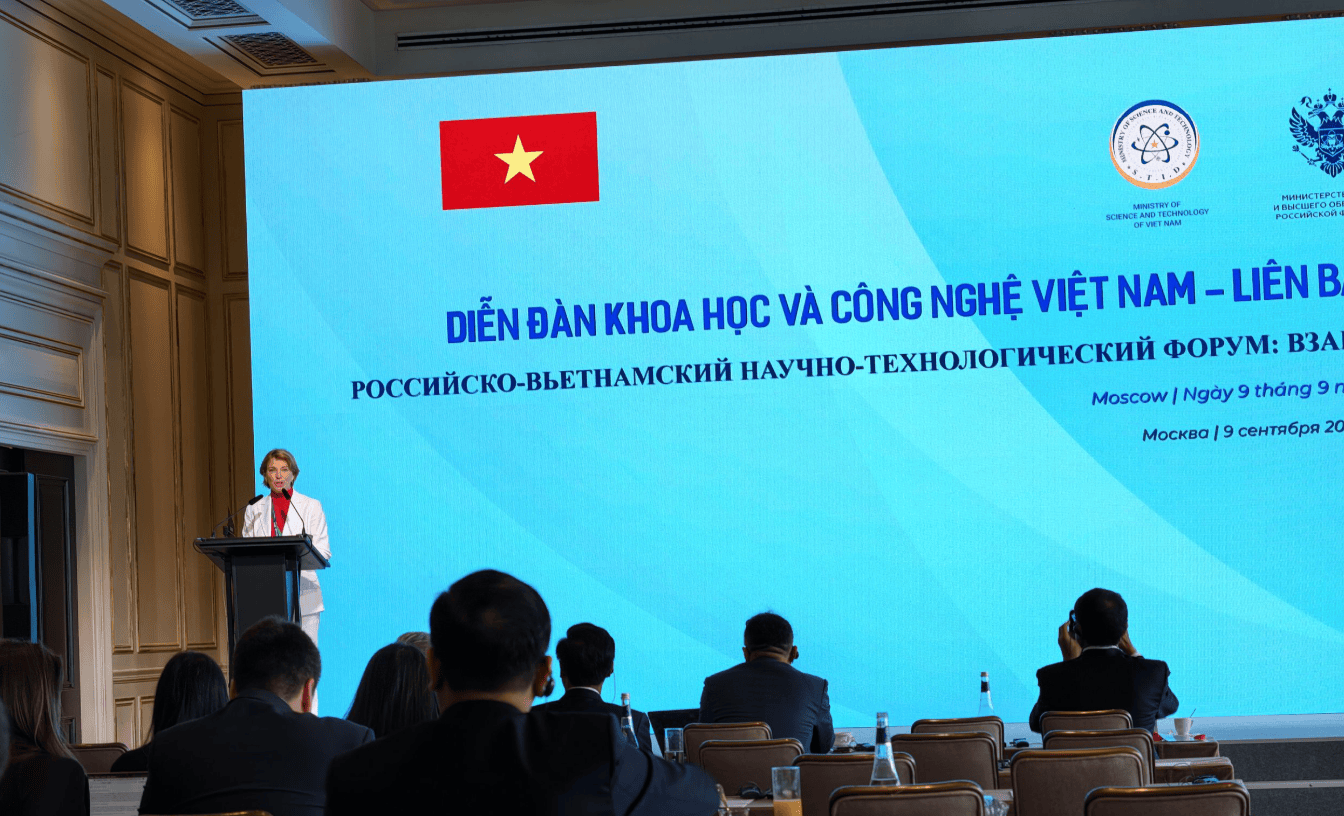
Outlining the priorities of future cooperation, Solntseva stated that the two sides will work together to formulate a roadmap for the development of quantum technology and, on that basis, design a detailed plan for building a quantum technology center in Vietnam. Secondly, the two sides will be committed to advancing the implementation of this roadmap, with a focus on establishing joint laboratories and other scientific research infrastructure to provide a permanent platform for technical exchange and cooperation between scientists of the two countries. In addition, talent cultivation has been listed as a key component of the cooperation agenda, aimed at supplying interdisciplinary professionals with specialized expertise to the quantum technology industries of both countries.
Solntseva further noted that this cooperation task is highly significant and extremely complex, because in essence, the two sides need to jointly create a new high-tech industry within a relatively short period of time. This means that the two countries must not only share existing scientific research resources and technical experience, but also reach a high degree of consensus on management mechanisms, funding investment, and the unification of technical standards. This will be a severe test for both sides' organizational structures and execution capabilities, but its long-term benefits are worth the effort of all parties involved.
Rosatom itself is a diversified science and technology holding company with major influence on a global scale. Its business portfolio covers a wide range of fields including energy, mechanical engineering, and construction. It has more than 550 enterprises and institutions under its umbrella, with a total workforce of approximately 415,000 employees. As the world's largest supplier of uranium resources and nuclear energy technology services, Rosatom has deep accumulated expertise in multiple cutting-edge technology tracks, which provides strong resource support for its leadership in international quantum technology cooperation.
Since 2020, Rosatom has been responsible for implementing the overall development roadmap in the high-tech field of quantum computing. Research work in this field forms the foundation of Rosatom's extensive quantum project, which brings together an ecosystem of 19 research institutes and universities with more than 750 researchers and engineers. Through the joint efforts of this large team, Russia has made significant progress in the hardware development of quantum computers and has successfully developed four quantum computer prototypes based on ion, atomic, photonic, and superconducting technologies.
In the global quantum computing competitive landscape, Russia ranks among the top three worldwide by the number of prototypes. To date, Russia possesses a total of seven quantum processors, five of which were developed strictly within the framework of the existing roadmap. Notably, three of these five quantum computers have achieved a qubit resolution exceeding 70, an indicator that places them at the international forefront among comparable products. These achievements demonstrate that Russia has moved from trailing to keeping pace with, or even leading, others in the field of quantum hardware.
Looking ahead to the next stage, the quantum development plan for 2025 to 2030 aims to comprehensively elevate the level of Russia's quantum technology development while focusing on promoting the practical application of quantum technology in key areas such as the Russian nuclear industry. Currently, more than 30 early-stage quantum computing projects are being implemented simultaneously in the Russian nuclear industry alone. These projects will be the first to verify the usability and reliability of quantum technology in industrial scenarios. As the technology gradually matures, it is expected to provide important underlying support for the industry's digital transformation.
As its R&D footprint expands, Rosatom began research and development work in specific areas of quantum sensors starting in 2026, further enriching the application ecosystem of quantum technology. From quantum computing prototypes to quantum sensors, and now to scientific cooperation with Vietnam, Rosatom is attempting to build quantum technology into a strategic pillar for the future. By joining hands with the Vietnam Academy of Science and Technology, Russia is expected to gain more initiative in the global quantum technology cooperation network, bringing tangible scientific and technological benefits to the peoples of both countries.
Related Products


Mine Explosion-proof and Intrinsically Safe Industrial Ethernet Ring Network (10 Gigabit/Gigabit)
Chongqing Mas Sci&Tech Co., Ltd.

Multi-function Marine Monitoring Low-altitude Detection Radar Sea-air Boundary Ocean Dynamic Environment Measurement
Chengdu Dixin Technology Co., Ltd.
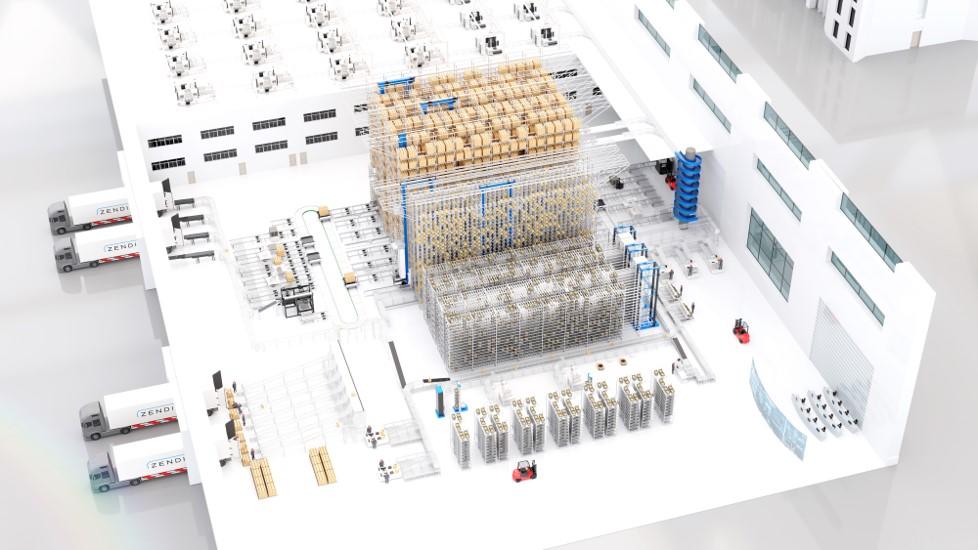
One-Stop Steward Service for the Entire Logistics System Integration Chain
Zhongding Intelligent (Wuxi) Technology Co., Ltd.
G.652.D Wavelength-extended Non-dispersion Shifted Single-mode Optical Fiber
HONGAN GROUP CO., LTD.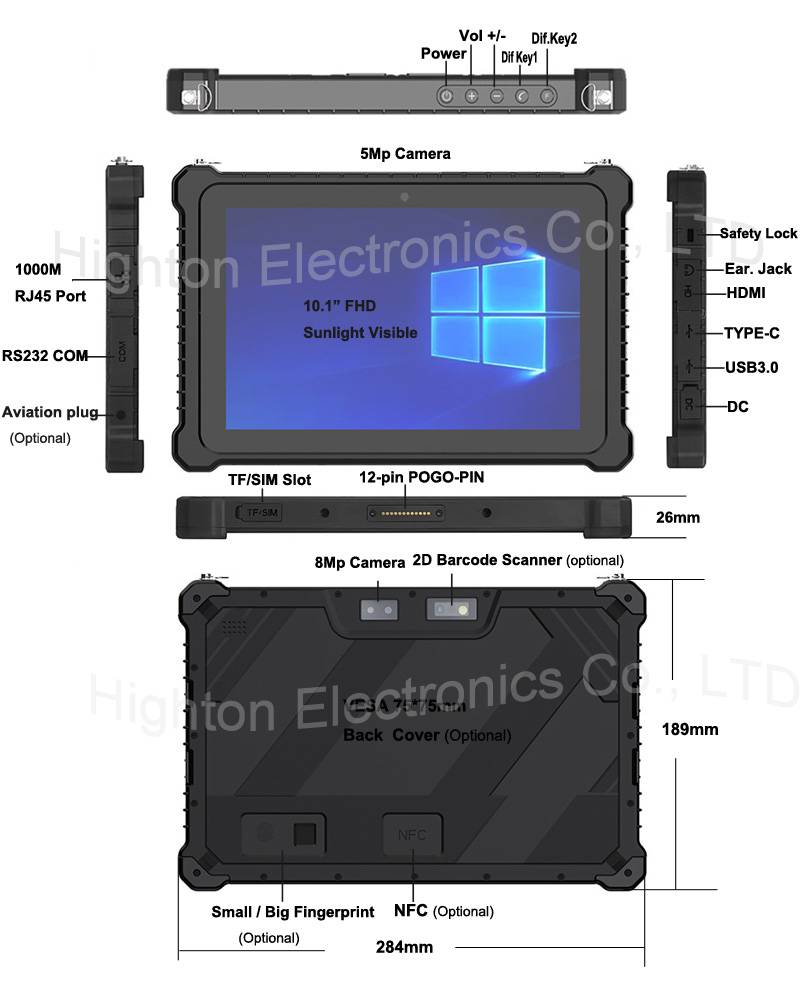
Hot Selling 10 Inch Intel N5100 I5 I7 FHD 8 +128GB 16+256GB Win10 Pro Win11 Pro 4G 5G Rugged Tablet PC Pad with NFC Barcode
Highton Electronics Co., Ltd.
20 Inch 1600*900 Full HD 60Hz TFT LED Monitor with VGA and DP Interfaces for Desktop Computers-Business Use
Guangzhou Zanying Optoelectronics Technology Co., Ltd.