Bridgewater State University Receives $380,000 Grant to Expand Quantum Laboratory
en.Wedoany.com Reported - Bridgewater State University (BSU) has received approximately $380,000 in funding from the Massachusetts Technology Collaborative (MassTech) to procure commercial-grade quantum systems, advancing undergraduate quantum technology education, hands-on laboratory training, and workforce development. The grant, awarded through MassTech's Technology and Innovation Ecosystem program, covers equipment spanning three areas: computing, sensing, and cybersecurity.
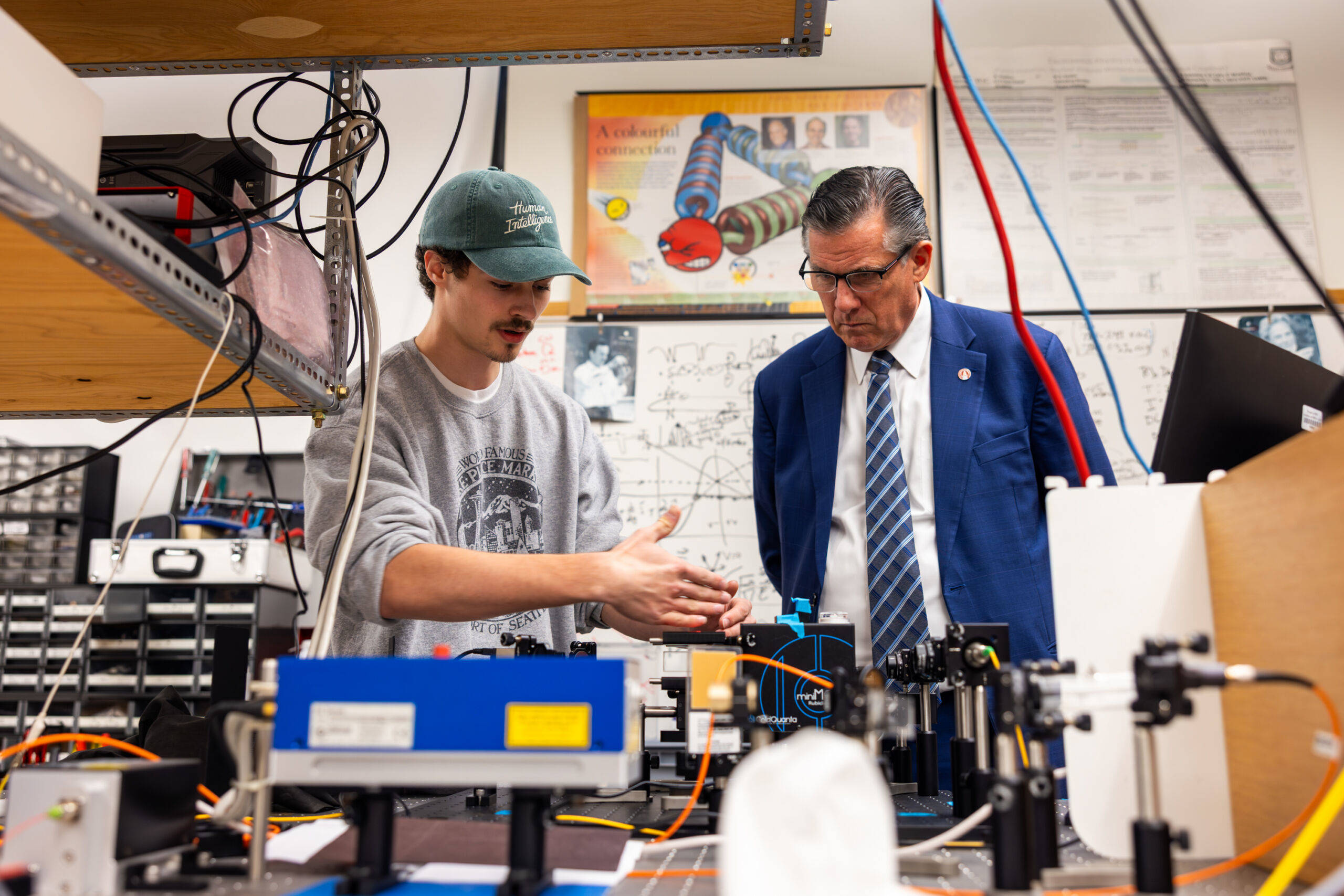
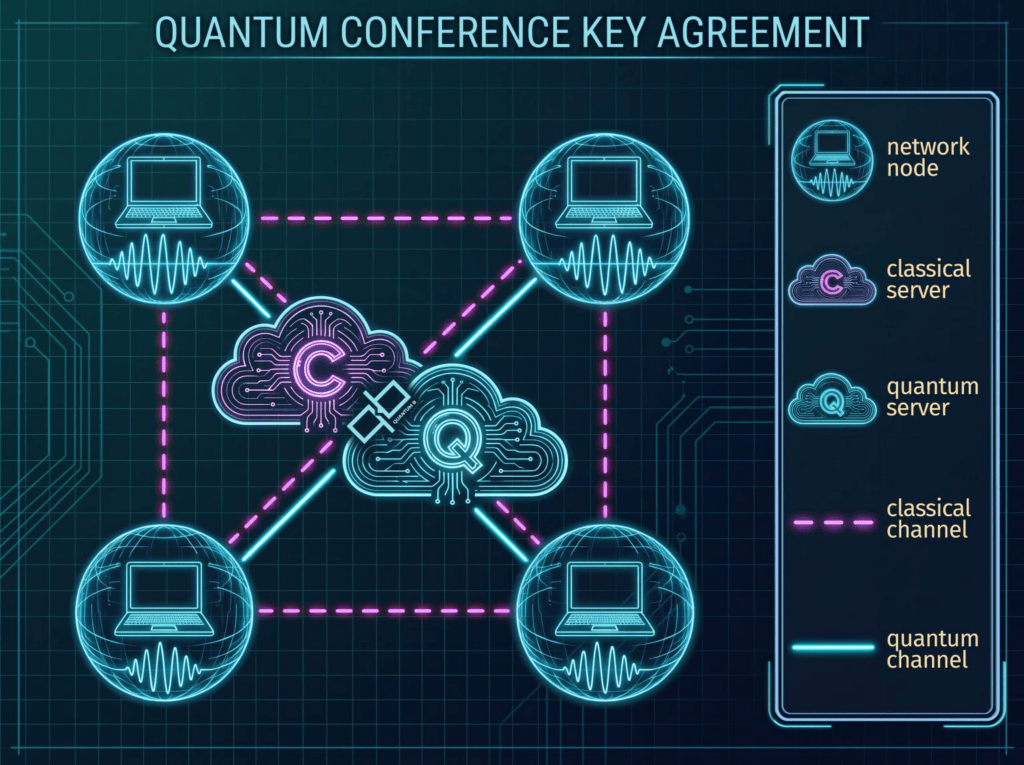
The three hardware platforms each correspond to distinct teaching focuses. For quantum computing, a two-qubit optical quantum computer has been selected for instruction in linear optics and qubit gate operations; for quantum sensing, an NV-center diamond sensing system has been equipped for teaching magnetometry and precision measurement; for quantum communication, commercial QKD and QRNG hardware has been chosen for learning quantum-secure key exchange and integration with the cybersecurity range.
The project is led by BSU Physics Professor Ed Deveney, who founded the university's quantum research laboratory in 1999. The equipment procured this time specifically includes a benchtop single-qubit optical quantum computer, a nitrogen-vacancy (NV) center diamond quantum sensing device paired with the two-qubit system, and commercial quantum key distribution (QKD) and quantum random number generator (QRNG) units.
The QKD/QRNG hardware will be integrated into BSU's existing cybersecurity range, allowing students in computer science, cybersecurity, and physics programs to study post-quantum cryptography, quantum threat vectors, and secure key exchange.
In terms of talent development, the project directly aligns BSU's degree programs with the region's deep-tech industry, connecting to Massachusetts' first Bachelor of Science program in Photonics and Optical Engineering, as well as companies along the Massachusetts technology corridor.
The equipment has been ordered and, upon delivery, will be incorporated into academic curricula, laboratory instruction, and undergraduate research projects.
Related Products



KJD127(A) Mining Explosion-Proof and Intrinsically Safe Computer
Taiyuan Xiangming Intelligent Control Technology Co., Ltd.
One-Stop Steward Service for the Entire Logistics System Integration Chain
Zhongding Intelligent (Wuxi) Technology Co., Ltd.


Automatic Aiming Laser Remote Obstacle Removal Robot
Pinggao Group Weihai High-Voltage Apparatus Co., Ltd.
Comprehensive Mining Automation Control System
Beijing Tianma Intelligent Control Technology Co., Ltd.
D12 Humanoid Robot
Automation Research Institute Co., Ltd. of China South Industries Group Corporation