Ten Years of the China-Europe Railway Express: From a Transport Corridor to the Eurasian Operating Infrastructure for Chinese Enterprises
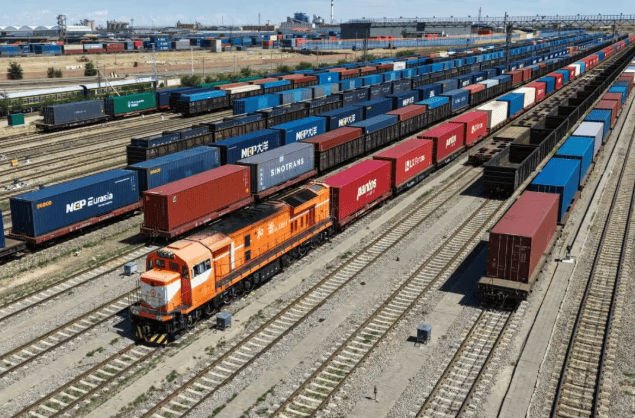
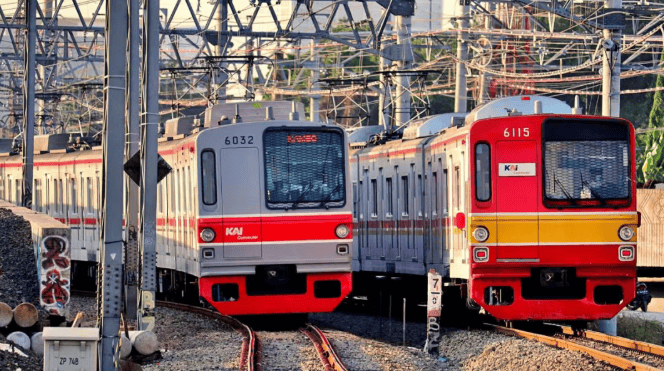
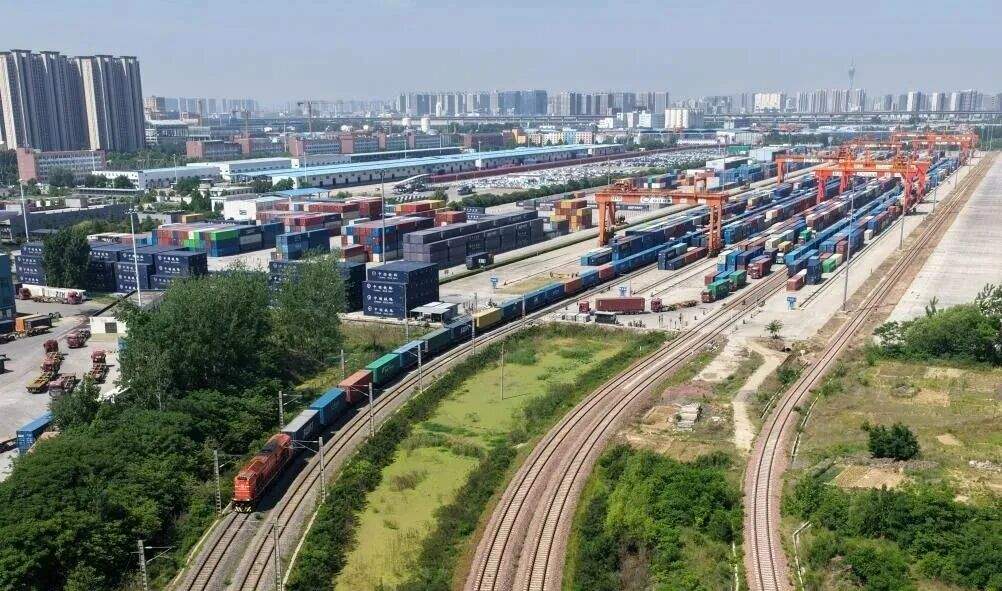
en.Wedoany.com Reported - At noon on September 14, at Putian Station in Zhengzhou, Henan, a China-Europe Railway Express train bound for Hamburg, Germany pulled out of the yard; in the early hours of September 16, at Xi'an International Port Station in Shaanxi, the Xi'an-to-Duisburg scheduled China-Europe Railway Express set off once again. In 2026, the China-Europe Railway Express marked ten full years since the launch of its unified brand, with cumulative departures exceeding 130,000 trains, the value of goods shipped surpassing US$520 billion, 129 Chinese cities connected to the network, and services reaching 236 cities in 26 European countries. Over the past decade, the China-Europe Railway Express has completed the leap from scattered operation of local routes to a unified brand, unified organization, and networked operation, and has also evolved from a pure international rail transport product into cross-regional supply chain infrastructure. For Chinese enterprises, its value has long gone beyond "having one more mode of transport" and has gradually entered business links such as production planning, inventory management, capital turnover, channel development, overseas warehouse deployment, and after-sales service.
The truly difficult part of going global has never been simply selling goods. After an order is signed, enterprises still have to deal with delivery cycles, tied-up capital, inventory risk, channel efficiency, after-sales response, and regional service capability. Whether an overseas market can be developed in depth ultimately depends on whether an enterprise can establish a stable supply system. For a long time in the past, Chinese enterprises mainly relied on sea freight for the European market. Large-volume, low-frequency transport meant that enterprises had to stock up well in advance and maintain relatively high safety stock overseas. Once market demand changed, inventory backlogs, tied-up capital, and slow replenishment would quickly become exposed. As the frequency, routes, and node network of the China-Europe Railway Express gradually stabilized, Chinese enterprises began to have another way of organizing their supply chains.
Shorter transit times change enterprises' capital turnover
The most intuitive advantage of the China-Europe Railway Express is timeliness, but for business operations, timeliness ultimately translates into capital efficiency. The longer high-value industrial goods are in transit, the higher the capital occupation borne by enterprises. For products such as machinery and equipment, auto parts, electronics and electrical equipment, power equipment, energy storage systems, and precision manufacturing equipment, the value per container is often high, and every day shortened in the transport cycle means capital enters the delivery and payment collection stage earlier.
For large industrial orders, this difference is especially obvious. If a batch of equipment worth several million yuan or even tens of millions of yuan can arrive at the customer site several weeks earlier, the enterprise can complete acceptance, invoicing, and payment collection earlier. For project-based enterprises, the logistics cycle also directly affects installation progress and project milestones; for component manufacturers, transport time determines whether the customer's production line can run continuously. The core value provided by the China-Europe Railway Express is ultimately reflected in enterprises' cash conversion cycle.
This capital efficiency is very important for enterprises rapidly expanding their overseas business. Many manufacturing enterprises appear to have fast order growth, but what truly constrains expansion is often cash being tied up in raw materials, work in progress, and overseas inventory. In the past, to avoid stockouts for European customers, enterprises usually needed to produce in advance, ship in advance, and maintain relatively high inventory levels in overseas warehouses. After the frequency of rail transport increased, enterprises could gradually reduce the scale of individual shipments and lower overseas inventory occupation through more frequent replenishment. The supply chain shifted from "holding inventory in exchange for safety" to "relying on transport certainty in exchange for efficiency."
For manufacturing enterprises with modest profit margins, this change may even be more important than reducing the per-shipment freight rate. Simply comparing the price per container between rail and sea freight cannot fully measure cost. Enterprises also need to calculate the cost of capital in transit, inventory warehousing costs, slow-moving risk, customer stockout losses, and penalty costs arising from delayed delivery. As long as the product value is high enough, or the customer is sensitive enough to delivery cycles, the comprehensive benefits brought by rail may exceed the apparent freight rate difference.
From large-volume stockpiling to rolling replenishment, the overseas inventory model is being restructured
In the early days of Chinese enterprises entering the European market, a common practice was to push a relatively large-scale inventory into overseas warehouses at one time to ensure that the channel end would not run out of stock. This method was simple, but capital efficiency was very low. Enterprises often did not accurately judge sales in a new market, and once channel expansion fell short of expectations, goods would remain stranded in overseas warehouses for a long time. For electronic products, auto parts, and equipment accessories with rapid iteration, inventory could also create depreciation risk.
After the China-Europe Railway Express began operating stably, enterprises could adopt more flexible inventory strategies. Overseas warehouses only maintain a certain period of base inventory, while Chinese factories bear the flexible inventory and dynamically replenish according to sales changes and order conditions. Enterprises can first use smaller inventory to test the market, and after customers and channels stabilize, gradually increase replenishment frequency and regional inventory scale. In this way, developing a new market no longer requires enterprises to invest a large amount of inventory capital from the outset.
For manufacturing enterprises, the greatest value of this model lies in reducing market entry costs. In the past, entering the European market often required agents to stock up first, or enterprises themselves had to bear relatively high overseas inventory. Now, some high-value products can establish shorter replenishment cycles through the railway, allowing enterprises to maintain delivery capability while reducing front-loaded inventory. Overseas market expansion has shifted from a one-time heavy investment to phased advancement: first orders, then inventory, then channels, and finally local assembly, service centers, or production bases.
Once enterprises truly establish this system, logistics is no longer an execution link after sales are completed, but moves forward into business decision-making. Which factory produces the product, from which consolidation center it is shipped, how much inventory is kept in German and Polish warehouses, which models must always be in stock, and which parts can be shipped only after orders trigger demand—all these questions will enter the enterprise's supply chain management model. The more stable the transport network, the more conditions enterprises have to keep inventory light.
After equipment is sold, what truly tests an enterprise is the after-sales supply chain
The biggest difference between industrial enterprises and consumer goods enterprises is that they still have to serve customers for a long time after the transaction is completed. Once products such as mining equipment, construction machinery, power equipment, machine tools, industrial robots, and rail transit equipment enter overseas markets, they will continue to generate demand for spare parts, wear parts, repair parts, and upgrades for years to come. The equipment itself is often only the beginning of the customer relationship; what truly determines whether an enterprise can remain in the local market for the long term is its subsequent supply capability.
Chinese equipment enterprises have often encountered a problem in overseas markets in the past: they have advantages in equipment prices and manufacturing capability, but their after-sales service networks are insufficient. When customers need key components, if everything is transported by air, costs are too high; if they rely on sea freight, delivery cycles are too long. In production scenarios such as mines, factories, and power stations, a piece of equipment being down for several days may cause losses far greater than the value of the components themselves.
The China-Europe Railway Express precisely fills the timeliness gap between sea freight and air freight. Enterprises can store frequently used wear parts in advance in regional warehouses in Europe or Central Asia, keep higher-value and lower-frequency parts in China, and once customer demand arises, quickly replenish them by rail. Truly urgent, very small parts continue to be transported by air. This forms a layered logistics system in which sea, rail, and air transport work in coordination.
This capability will directly affect how enterprises compete in overseas markets. When customers purchase industrial equipment, they compare not only equipment prices and performance, but also assess whether the supplier has regional warehouses, how long it takes for key spare parts to arrive, and how long it takes to restore production after a failure. Once Chinese equipment enterprises can establish a stable spare parts supply system, they have the opportunity to shift from one-time equipment sales to long-term service revenue, with maintenance, modification, upgrades, consumables, and spare parts all forming ongoing business. Supply chain capability thus becomes part of the industrial brand.
The China-Europe Railway Express is rewriting the going-global radius of China's inland manufacturing industry
In the past, China's export-oriented manufacturing industry was concentrated in coastal areas for a long time, an important reason being that proximity to seaports could reduce international logistics costs. For enterprises in the central and western regions, even if land, energy, and labor costs were lower, they often still needed to first transport goods to coastal ports before entering the international transport system. For a long time, international logistics distance constituted a natural disadvantage for inland manufacturing in participating in the global market.
After China-Europe Railway Express nodes in Zhengzhou, Xi'an, Chongqing, Chengdu, Wuhan, Changsha, and other cities matured, this locational gap has been partially narrowed. Inland manufacturing enterprises can directly enter the Eurasian rail network from local or nearby consolidation centers. For high-value, time-sensitive products, seaports are no longer the only export gateway. Machinery manufacturing, power equipment, auto parts, electronic equipment, and industrial materials enterprises have thus gained more direct access to European and Central Asian markets.
This will further influence enterprises' production capacity layout. In the past, when enterprises built export-oriented factories, they first considered coastal port conditions; in the future, when selecting sites for new projects, they will also consider rail hubs, train frequency, industrial supporting facilities, energy prices, and land costs. If an inland city has both a complete industrial chain and stable international rail services, it may create new appeal for export manufacturing projects.
A cyclical relationship will also form between the railway and industrial clusters. The more concentrated the industry, the more sufficient the stable cargo supply, and the higher the operating efficiency of the trains; the more stable the trains, the greater the enterprises' trust in the local logistics system, which in turn attracts more manufacturing projects. Rail hubs therefore gradually transform from pure transport nodes into industrial organization nodes, exerting a long-term impact on the internationalization of regional manufacturing.
The Central Asian market is becoming the second growth belt for Chinese industrial enterprises
In past discussions of the China-Europe Railway Express, attention often focused on the European terminus. In fact, for Chinese industrial enterprises, the importance of the Central Asian market is rising rapidly. Kazakhstan, Uzbekistan, and the Caspian coastal countries have continued to advance energy, power, mining, transportation, urban infrastructure, the automotive industry, and new energy projects in recent years, and these fields are highly compatible with Chinese enterprises' equipment manufacturing and engineering capabilities.
Central Asia differs from Europe in that many markets are still in the stage of infrastructure and industrial capacity expansion, with sustained demand for complete sets of equipment, construction machinery, power equipment, mining equipment, rail transit equipment, and new energy systems. When Chinese enterprises enter these markets, they often start with EPC, equipment supply, or project investment. Once a project is implemented, equipment operation will continuously generate demand for spare parts, consumables, and maintenance, and regional warehouses and after-sales networks will then have a commercial basis.
This forms a relatively clear path: engineering projects bring equipment exports, equipment operation creates long-term spare parts demand, spare parts demand supports the construction of regional warehouses, regional warehouses further lower the procurement threshold for local customers, and enterprises then gradually develop local channels, after-sales teams, and service centers. For enterprises in mining equipment, power equipment, pumps and valves, motors, transformers, construction machinery, and new energy equipment, this market entry method is more stable than relying solely on trading agents.
As the Trans-Caspian corridor and the Central Asian rail network continue to improve, the operating space for Chinese enterprises on the Eurasian continent will be further expanded. The European market is more mature and values standards, service, and supply chain stability; the Central Asian market is in a stage of relatively rapid investment and construction and values engineering capability, equipment supply, and project delivery more. Chinese enterprises can serve two different types of markets through the same Eurasian logistics system, and then configure warehousing, sales, and after-sales capabilities according to regional demand.
What enterprises truly need is a Eurasian supply chain
A mature going-global enterprise usually does not rely on only one mode of transport. Large-volume, low-time-sensitivity products continue to be suitable for sea freight; high-value, time-sensitive goods or goods with higher replenishment frequency can use rail; and extremely urgent small-batch parts use air. Overseas warehouses handle regional inventory, local logistics companies complete last-mile delivery, and domestic factories dynamically schedule production based on overseas sales and inventory data.
The core of this system is not transport itself, but coordination. Enterprises need to know which goods are at sea, which goods are in transit by rail, how many days of sales overseas warehouses can still support, which customers are about to need replenishment, and which spare parts must be shipped in advance. Once logistics data is connected with ERP, order systems, and overseas warehouse systems, enterprises can manage production, transport, and inventory within the same operating system.
This supply chain capability will further change the way enterprises manage. In the past, the sales department only cared about orders, the production department only cared about scheduling, and the logistics department only cared about shipping; as enterprises become more internationalized, these links must work in coordination. Sales forecasts affect overseas inventory, overseas inventory in turn affects domestic production, and transport time determines the scale of safety stock. After the China-Europe Railway Express began stable operation, it provided a more controllable time basis for this refined management.
Ultimately, what Chinese enterprises compete on in European and Central Asian markets is no longer just manufacturing cost. Whoever can predict demand more accurately, keep inventory lighter, replenish faster, and quickly deliver spare parts after customer equipment failures will find it easier to form long-term customer relationships. Supply chain efficiency is gradually becoming part of enterprises' overseas competitiveness.
From product export to regional operation, Chinese enterprises are crossing the second threshold
The globalization of Chinese manufacturing enterprises over the past two decades was largely built on cost, scale, and manufacturing efficiency. The first stage solved whether products could be sold globally. Today, more and more enterprises are entering the second stage: how to operate overseas for the long term.
Long-term operation requires enterprises to have stable sales channels, regional inventory, local after-sales service, continuous delivery, and capital management capabilities. One-time exports can rely on price advantages, but sustained operation must rely on systemic capabilities. The role played by the China-Europe Railway Express at this stage is to compress the time distance between China's manufacturing end and the Eurasian market end into a range more suitable for refined operations, enabling enterprises to support overseas business with lower inventory, faster replenishment, and more stable delivery.
When enterprises can dynamically adjust domestic production scheduling based on inventory in European warehouses, when equipment and parts needed at project sites in Central Asia can be stably dispatched from nodes such as Xi'an, Zhengzhou, and Chongqing, and when customer after-sales needs no longer depend entirely on air transport, the relationship between Chinese enterprises and overseas markets changes. Enterprises no longer merely complete production in China and sales overseas, but begin to establish inventory, service, and delivery systems around different regions.
This change will also push enterprises to rethink "going global." True globalization does not equal a higher share of overseas revenue, nor does it equal building a few overseas warehouses or establishing a few subsidiaries. The deeper capability lies in whether enterprises can replicate China's supply chain advantages in overseas markets and maintain sufficiently fast response speed. Only when factories, warehouses, transport, channels, and service form a closed loop do enterprises have the foundation to continuously expand overseas markets.
From manufacturing advantage to supply chain advantage
Ten years after the unified brand of the China-Europe Railway Express, 130,000 trains and US$520 billion in cargo value constitute a massive transport scale, but for enterprises, the more important question in the next stage is how to transform this network into operating capability. In the future, the commercial value of the China-Europe Railway Express will be more reflected on the enterprise side: helping high-value products shorten the cash conversion cycle, reducing overseas inventory pressure, improving spare parts response speed, supporting regional warehouse layouts in Central Asia and Europe, and promoting direct connection between China's inland manufacturing bases and international markets.
This is also a deeper change taking place in the globalization of Chinese enterprises. In the past, Chinese manufacturing relied on scale production and cost advantages; in the future, more and more enterprises will also need to rely on stable delivery, inventory management, after-sales response, and regional service capabilities to win markets. The boundary of product competition is extending toward the supply chain, and the logistics system is beginning to enter enterprises' core competitiveness.
For Chinese manufacturing enterprises now entering European and Central Asian markets, what the China-Europe Railway Express truly provides is a condition for reorganizing cross-border operations. Enterprises can put bulk transport, rolling replenishment, overseas inventory, and after-sales service into the same network, reduce capital occupation through shorter transport cycles, reduce inventory risk through more frequent replenishment, and then convert one-time orders into sustained revenue through regional warehouses and local service.
Ten years later, the China-Europe Railway Express has gradually entered the global supply chain system of Chinese enterprises from being a rail corridor connecting China and Europe. In the next stage, whether Chinese enterprises can truly make good use of this network depends on whether they can extend manufacturing capability into delivery, inventory, after-sales service, and regional operations, and further upgrade the export advantage formed by cost in the past into supply chain advantages and long-term service capabilities.
This is also a key step for Chinese enterprises moving from "product going global" to "system going global."
Related Products

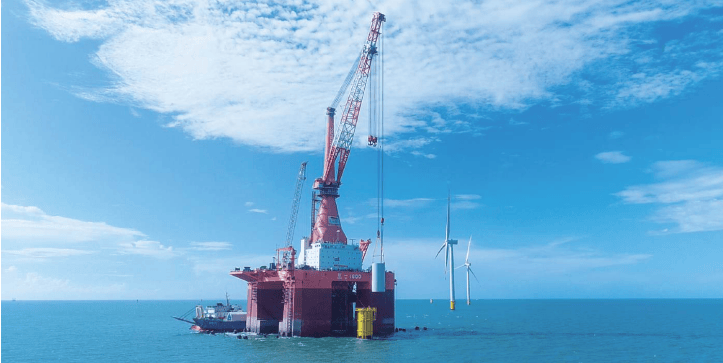
"Shunyi 1600" Deep-submerging Bottom-sitting Multi-functional Wind Power Engineering Vessel
Zhengli Offshore Engineering Co., Ltd.
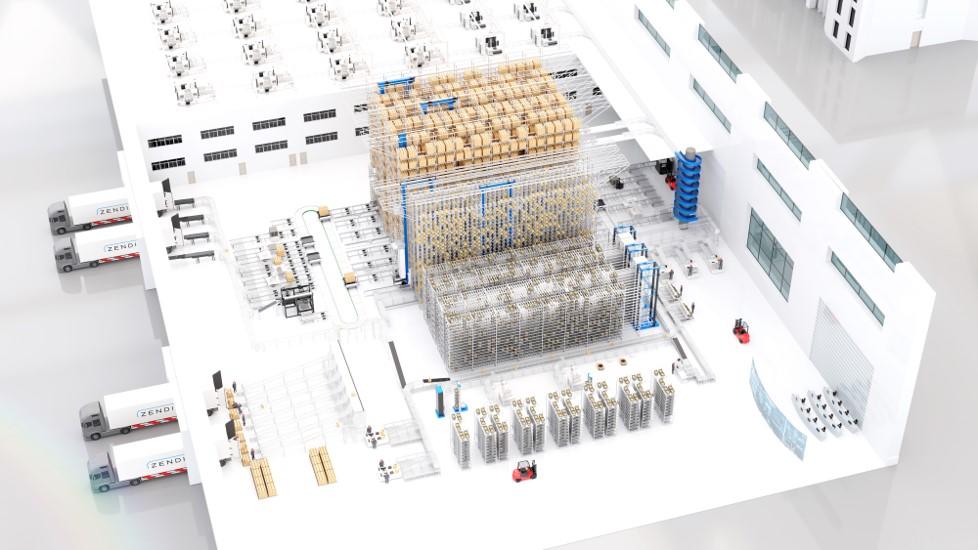
One-Stop Steward Service for the Entire Logistics System Integration Chain
Zhongding Intelligent (Wuxi) Technology Co., Ltd.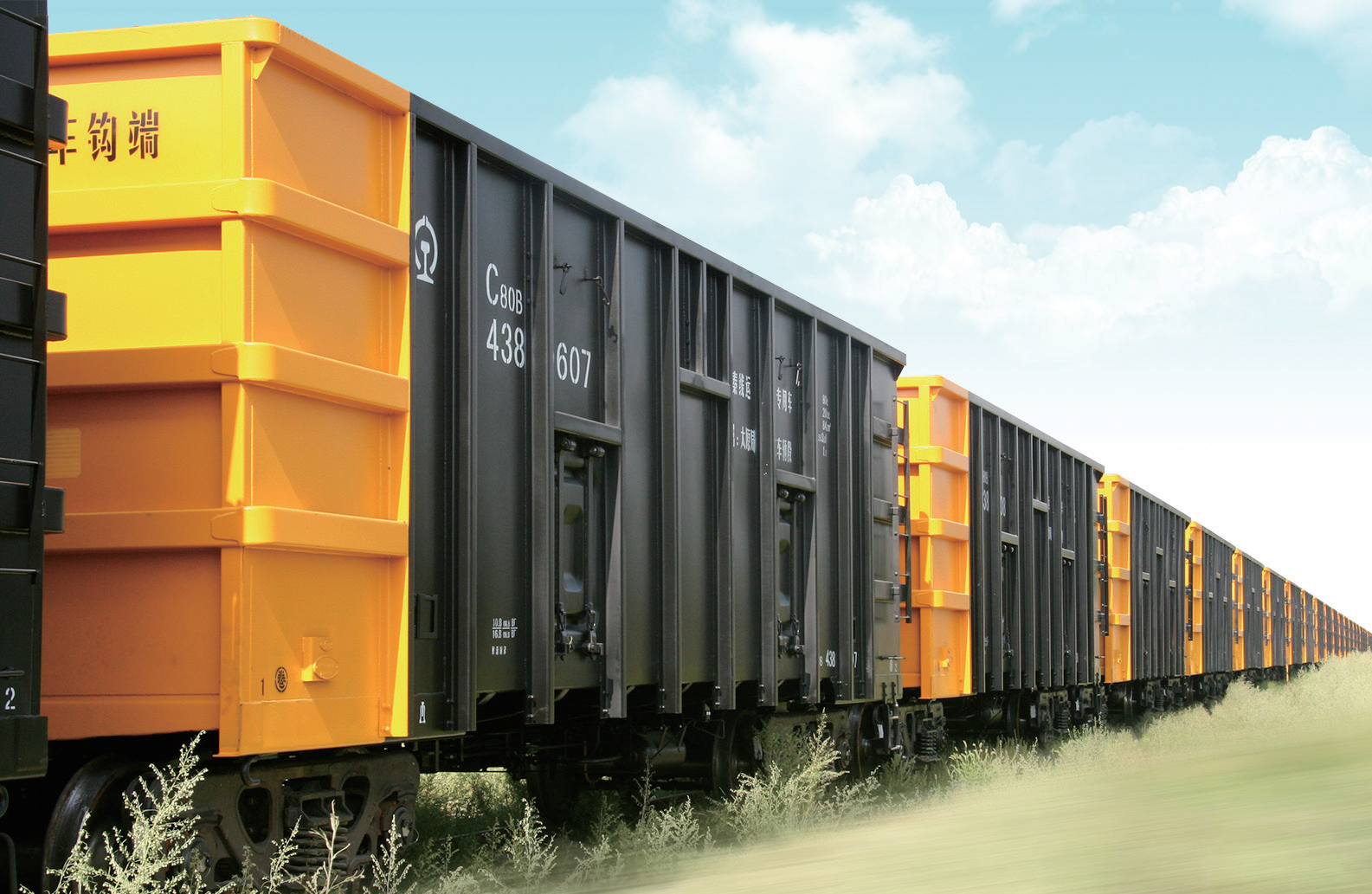
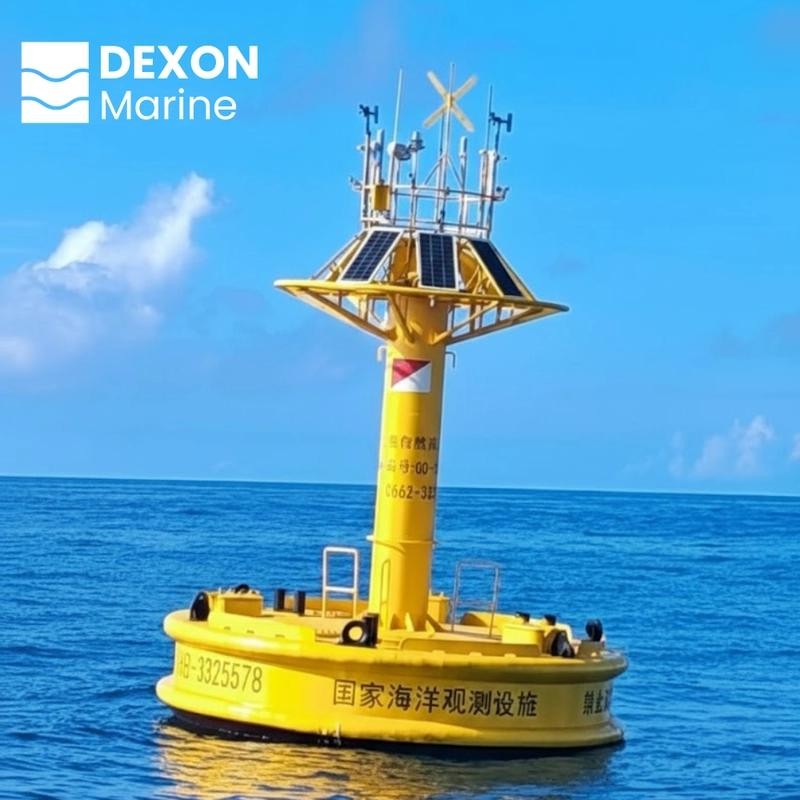
3m intelligent buoy combining navigation safety and real-time marine monitoring integrated navigation and marine monitoring system for real-time maritime data
Chengdu Dixin Technology Co., Ltd.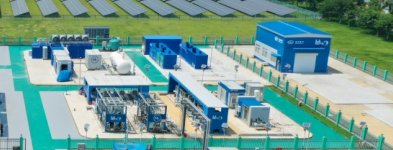
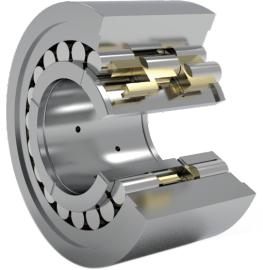
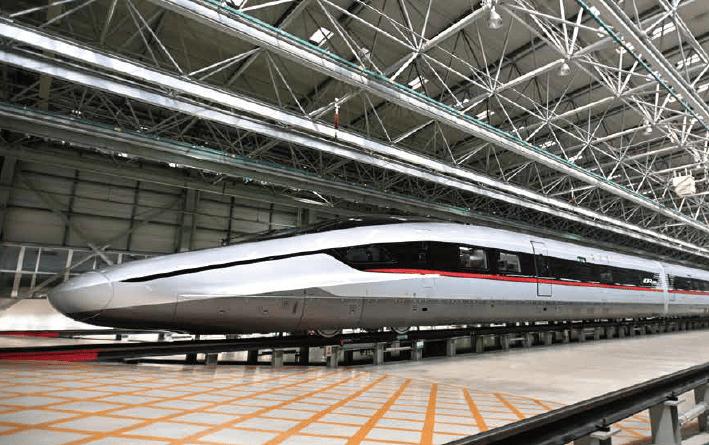
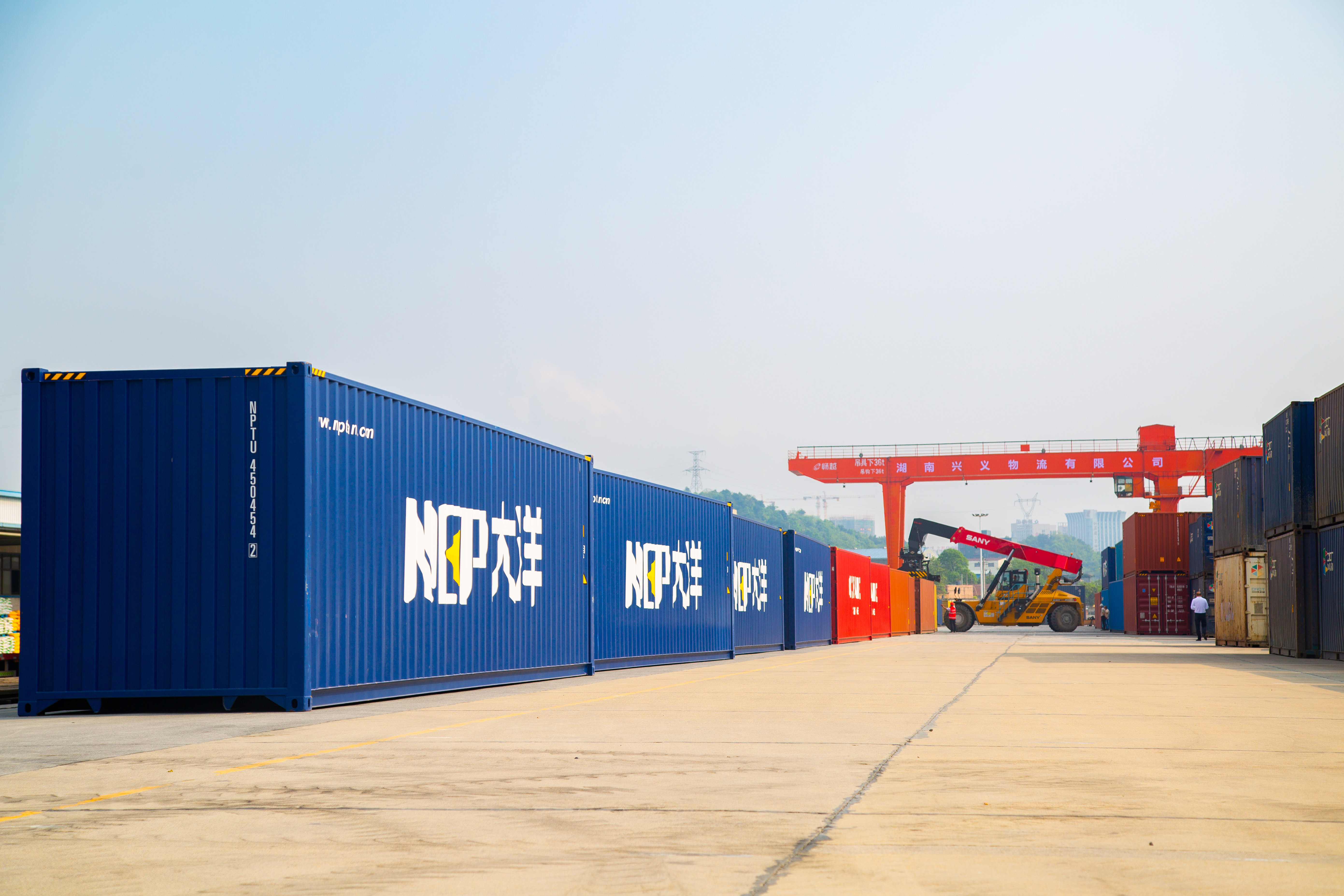
China - Alashankou/Khorgos - Europe Full Range Transportation (Mala/Hamburg/Duisburg/Budapest, etc.)
Shenzhen Neptune Logistics Co., Ltd.
GSR6-27.5kV SF6 Free Gas-insulated Metal-enclosed Switchgear
Zhejiang Juhonkia Intelligent Electric Co., Ltd.