Spanish Industrial Users Accelerate "PV + Storage + Hedging" Combination; 4-Hour Batteries Boost Self-Generation Utilization
en.Wedoany.com Reported - On September 23, AleaSoft Energy Forecasting stated in its latest European energy market analysis that large industrial users in Spain are combining power hedging, self-consumption PV, and battery energy storage to reduce direct exposure to spot electricity price volatility. The analysis was based on the 69th monthly energy market webinar held on September 17, with S&P Global Energy also participating. Currently, Spain's Q4 electricity futures price is approximately €150/MWh, Q1 2027 is approximately €130/MWh, and the full-year 2027 price range is approximately €90–95/MWh.
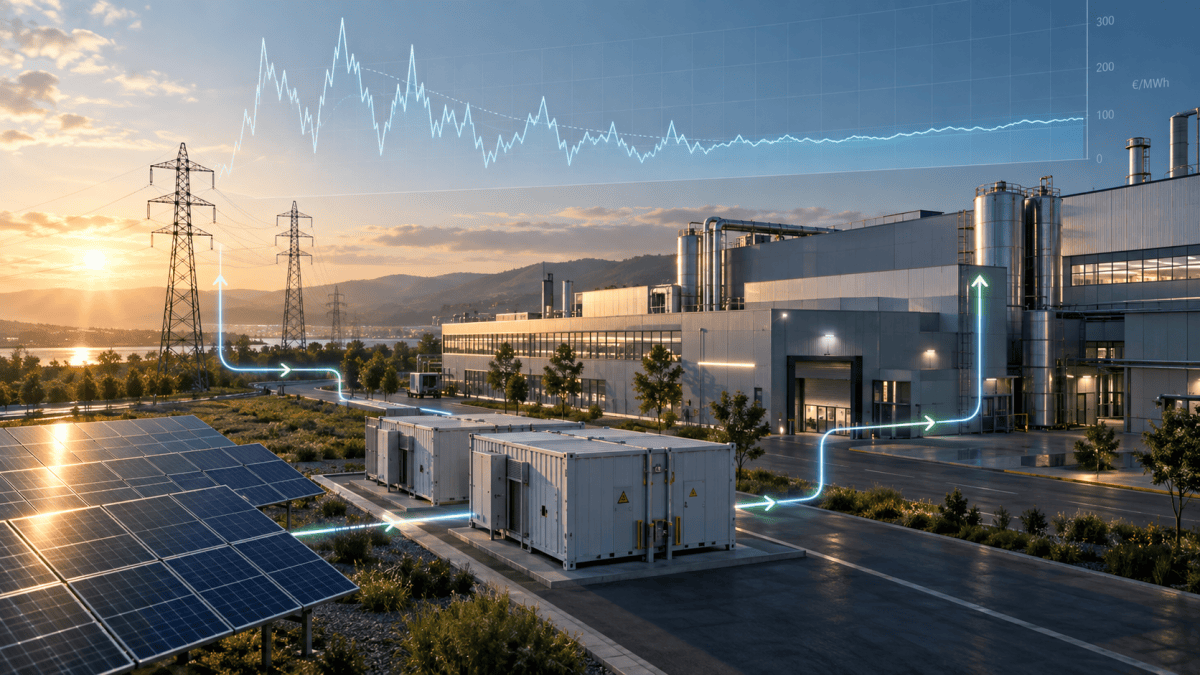
Industrial users' risk management is shifting from single power procurement to multi-tenor combinations. AleaSoft proposed that short-, medium-, and long-term hedging can be combined, with futures, bilateral contracts, and PPAs configured according to each company's electricity consumption structure. After self-consumption PV covers part of the daytime load, batteries can shift surplus PV electricity from low-price periods to higher-price periods, reducing grid purchases during high-price hours. The agency disclosed that this summer in Spain, the monthly average price spread between the daily minimum and maximum prices at one point approached €200/MWh.
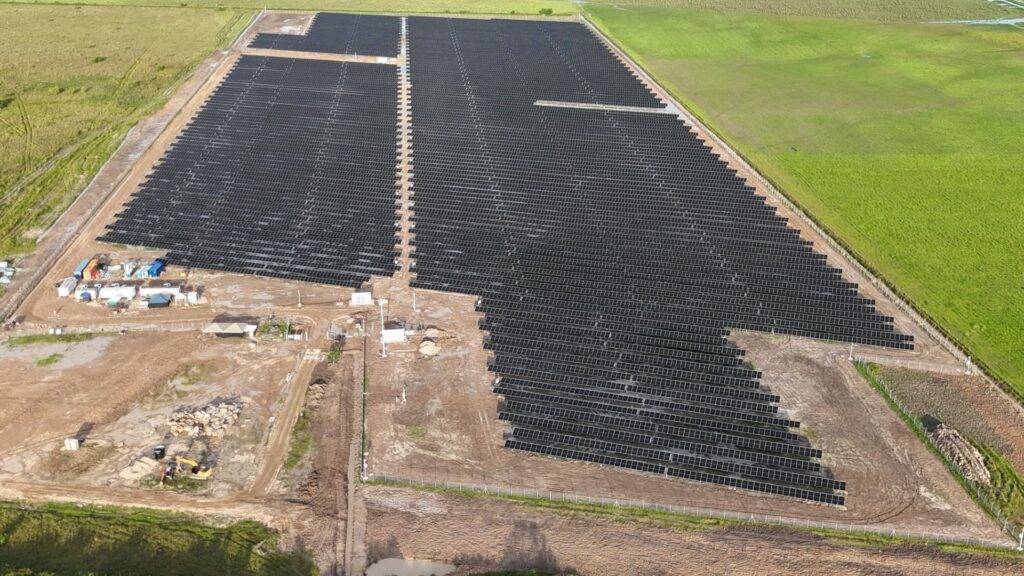
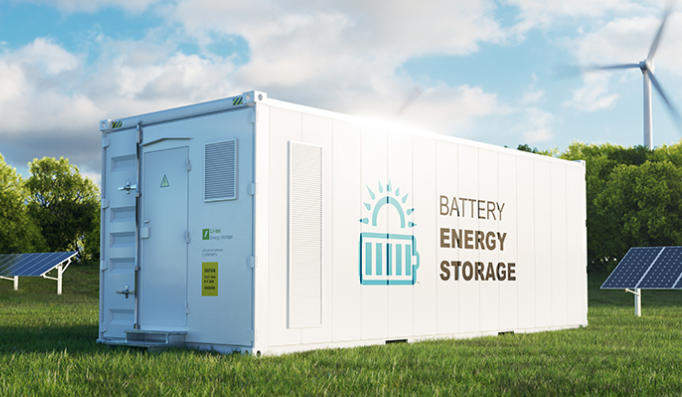
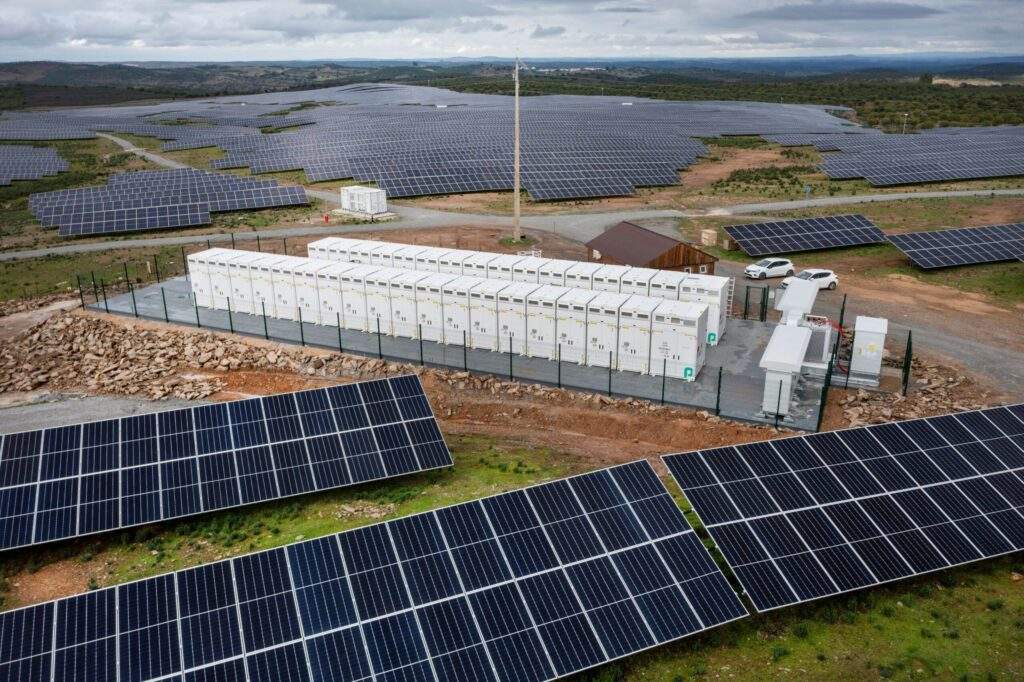
AleaSoft also published a project case for large industrial users. The project is equipped with a 4-hour energy storage system to store surplus PV electricity and release it during subsequent higher-value periods to increase the self-consumption ratio. The battery can also schedule charging and discharging based on hourly price signals and reserve part of its capacity to participate in flexibility services. The related configuration mainly focuses on reducing PV surplus exports during low-price periods and grid purchases during high-price periods.
The revenue structure of energy storage projects is also changing. Spain published a new capacity market framework in September, under which generation, energy storage, and demand-side resources can all participate in capacity auctions and receive compensation by providing available capacity or reducing load. This mechanism targets Spain's domestic power system, and both existing facilities and new projects can participate, adding a contractual revenue source for energy storage projects independent of spot arbitrage.
S&P Global Energy estimated at this webinar that Europe's new battery energy storage installations in 2026 will exceed 30 GW, nearly double the previous year; the EU's energy storage target for 2030 is approximately 200 GW. Spain plans to add 4,000 MW of energy storage during 2026–2028, while its current behind-the-meter battery scale has already exceeded 2 GW.
Spanish grid operator Red Eléctrica currently tracks self-consumption generation and energy storage installation data separately. Its September 2026 data platform shows that self-consumption systems have formed an independent statistical basis for electricity production and capacity, providing a data foundation for commercial and industrial PV and storage to subsequently participate in the market and system operations.
Related Products


Pneumatic high-pressure wear-resistant ball valve
Zhejiang Deca Control Valve Meter Co., Ltd.
40.5kV-1100kV Gas Insulated Metal-Enclosed Switchgear (GIS)
Henan Pinggao Electric Co., Ltd.
"Shunyi 1600" Deep-submerging Bottom-sitting Multi-functional Wind Power Engineering Vessel
Zhengli Offshore Engineering Co., Ltd.
Standard Nozzle Flowmeter
Jinggong Automatic Control Instrument Complete Technology Development Company