Canada Gold Mine Intersects 19.5 m Mineralized Interval Grading 17.57 g/t Gold
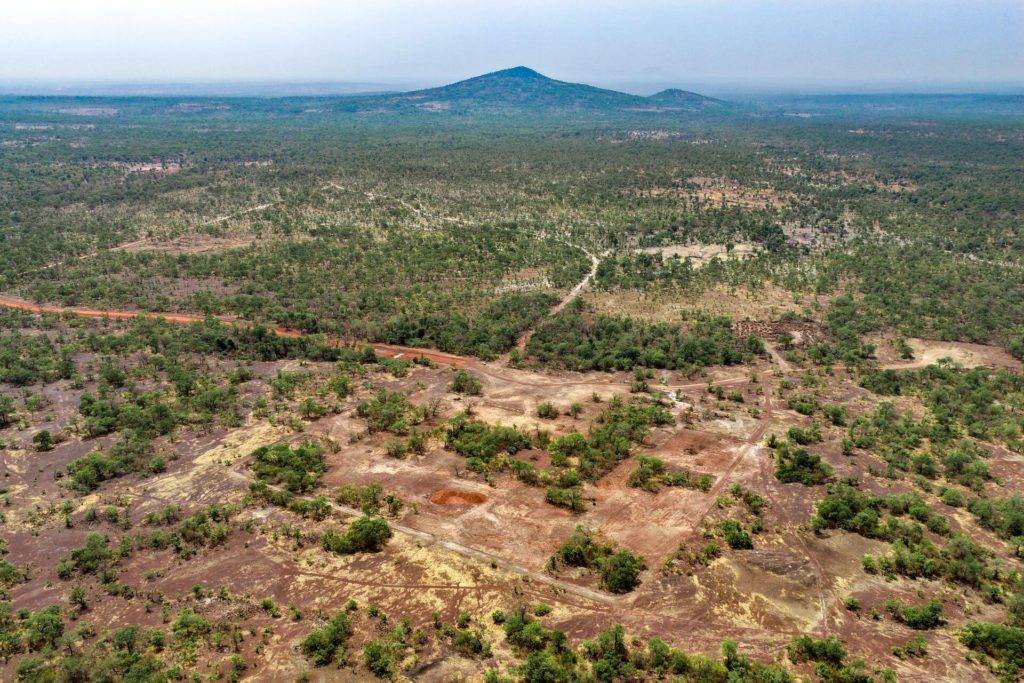
en.Wedoany.com Reported - On October 14, Canadian mining exploration company Lux Metals announced the first batch of diamond drilling assay results for 2026 from its La Grande gold project in Québec. Drill hole LG26-241 intersected a continuous 19.5 m mineralized interval averaging 17.57 g/t gold starting at a depth of 220.5 m, including an 8 m section grading 39.08 g/t gold, with a single 1 m sample reaching a maximum of 165 g/t. The hole is located in the Zone 32 mineralized trend, more than 40 m from known historical mineralized intervals, providing new data on the extension of gold mineralization.
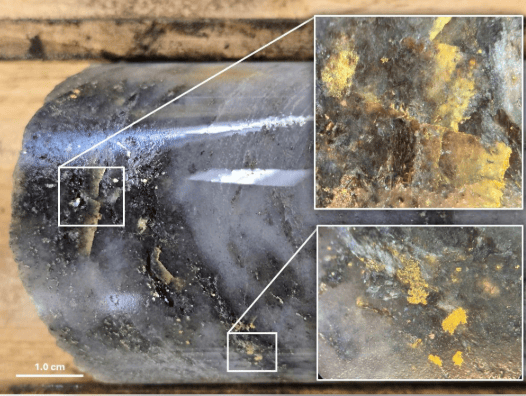
Drill hole LG26-241 reached a final depth of 297 m, with a drilling azimuth of 165° and a dip of 50°. After recalculating high-grade samples using a gold grade cap of 50 g/t, the company reported an average grade of 11.67 g/t over the 19.5 m mineralized interval, with the 8 m high-grade section adjusted to 24.70 g/t. The original assay values and the capped grades will be used respectively for subsequent mineralization evaluation and resource modeling.
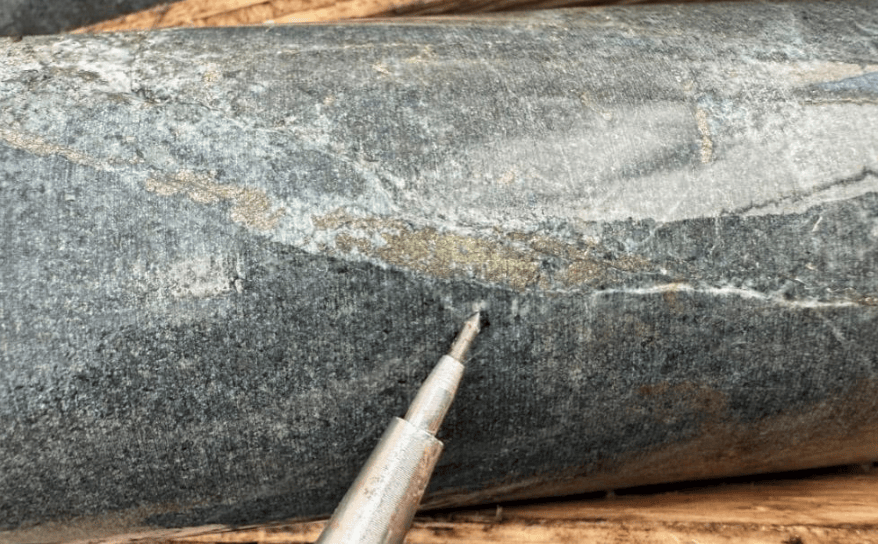
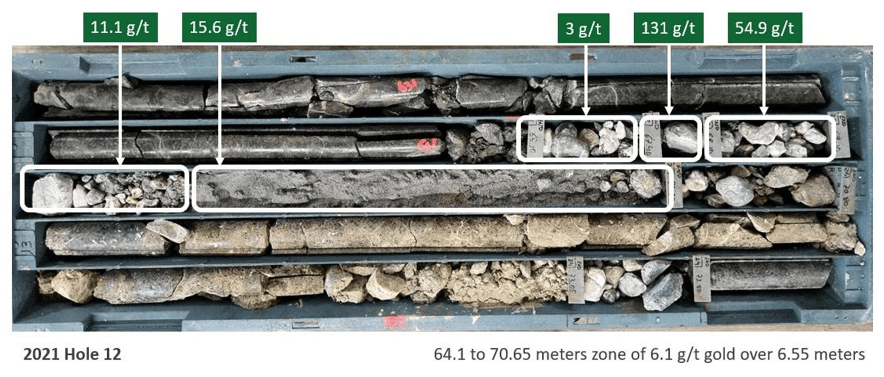
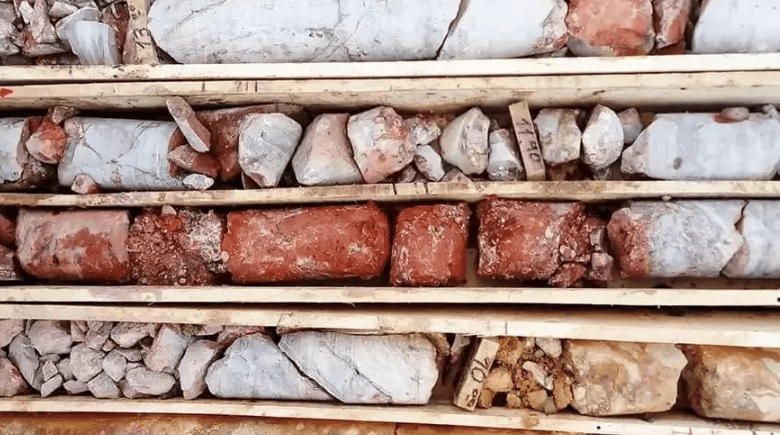
The mineralized interval intersected in this program is hosted within strongly sheared and deformed tonalite, with wall rocks exhibiting sericite alteration, disseminated chalcopyrite and pyrite, accompanied by quartz-chlorite veinlets. The drill core shows localized chalcopyrite enrichment and visible native gold particles from 232.41 m to 233.62 m depth, with visible gold recorded at 232.90 m within a quartz-chalcopyrite vein. Geological data from the drill core indicate that gold mineralization is mainly associated with shear zones, sulfide dissemination, and quartz vein distribution.
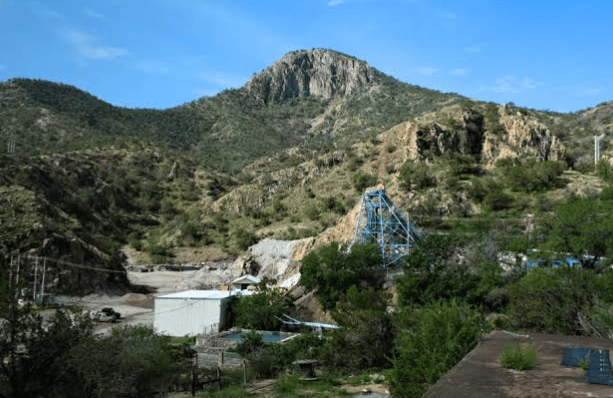
Zone 32 is located at the contact between the La Grande-Sud tonalite and the Yasinski Group volcanic rocks, belonging to an Archean gold-copper mineralized system. The project's 2026 drilling program uses infill holes to verify historical grades and mineralization continuity, while also testing new mineralized extents along the strike extension and at depth of the orebody. The mineralized interval obtained from this first hole, together with historical drilling results, will be used to revise the structural and alteration models of the orebody, accumulating drill hole data for subsequent mineral resource estimation in accordance with Canadian NI 43-101 standards.
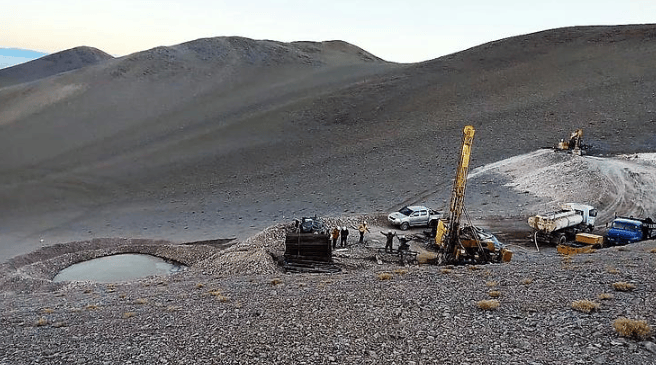
Lux Metals currently still has one diamond drill rig operating at the La Grande project, focusing on testing the eastern extension of Zone 32, as well as the deep mineralized zone identified by historical drill hole LGS12-224. The company plans to complete this round of drilling in mid-October and obtain final assay results for the remaining drill holes in mid-to-late November. Two follow-up drill holes have also been planned at depth in Zone 32 to continue testing mineralization continuity and extension.
This program used NQ-size diamond coring technology. Drill core was geologically logged, cut, and sampled on site, with samples sent to AGAT Laboratories for testing. Gold was analyzed by 50 g fire assay with atomic absorption, and samples exceeding 10 g/t were re-assayed using the gravimetric method. Repeat samples from drill hole LG26-241 showed a pronounced native gold nugget effect, with the original sample grading 165 g/t gold and the corresponding repeat sample grading 31.5 g/t. Copper and other multi-element assay results will be announced separately.