Canadian Copper-Gold-Molybdenum Project Completes 1,948 Meters of Drilling, Discovers Porphyry Mineralization System
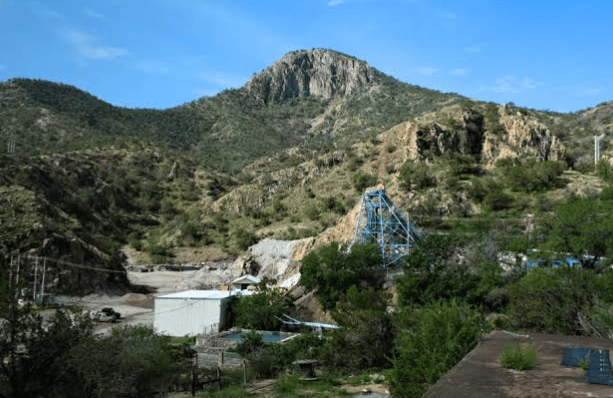
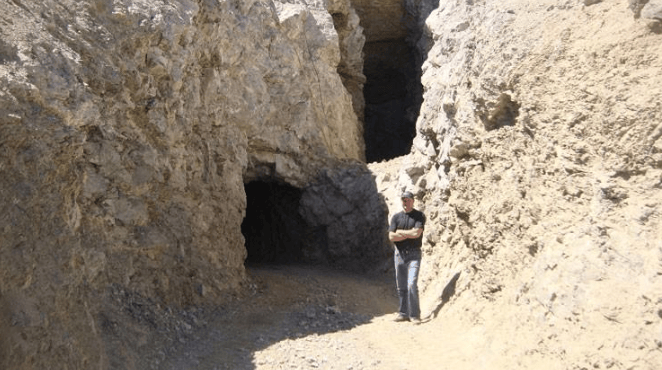
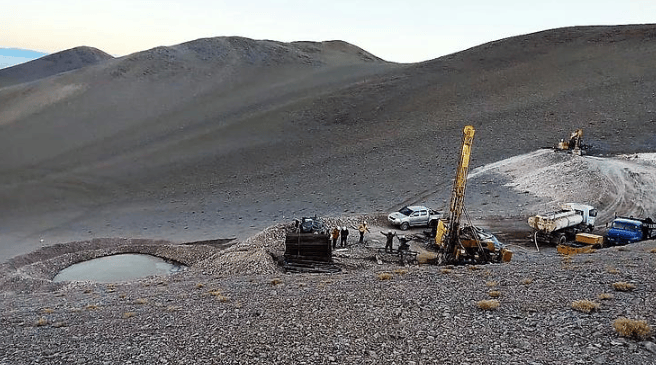
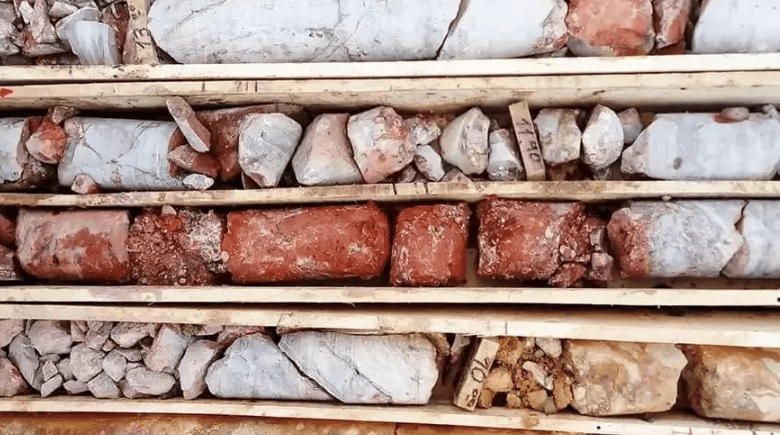
en.Wedoany.com Reported - On October 14, Canadian mining company Yukon Metals announced the 2026 drilling results from the Viper target at the AZ project in the Yukon region. Three diamond drill holes totaled 1,948 meters and all intersected copper, gold, and molybdenum mineralization, leading the company to confirm the presence of a porphyry hydrothermal mineralization system in the area. Among them, hole AZ26-008 returned 1.85% copper and 1.97 g/t gold over 0.6 meters; hole AZ26-007 returned 685 ppm molybdenum over 0.8 meters. This drilling campaign represents the first systematic underground test of the main porphyry target at Viper.
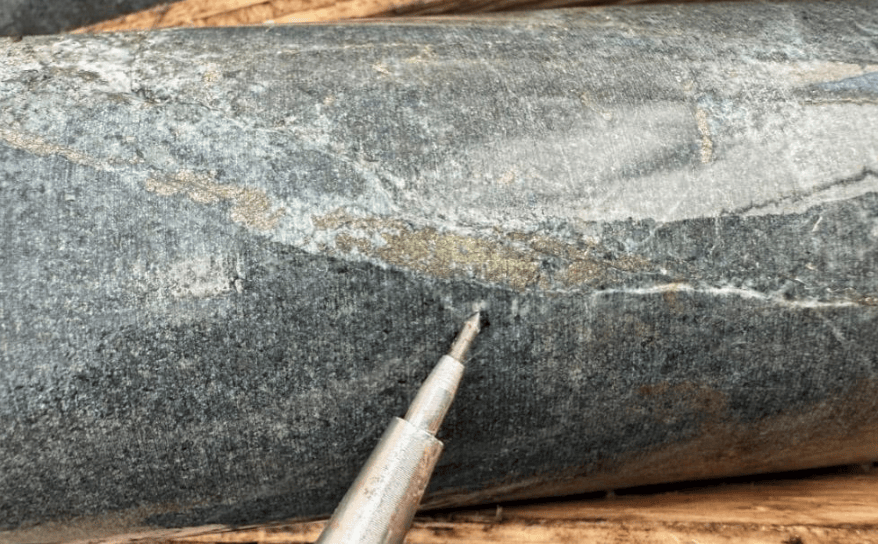
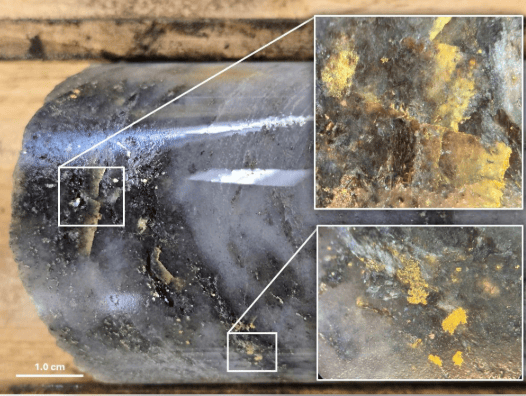
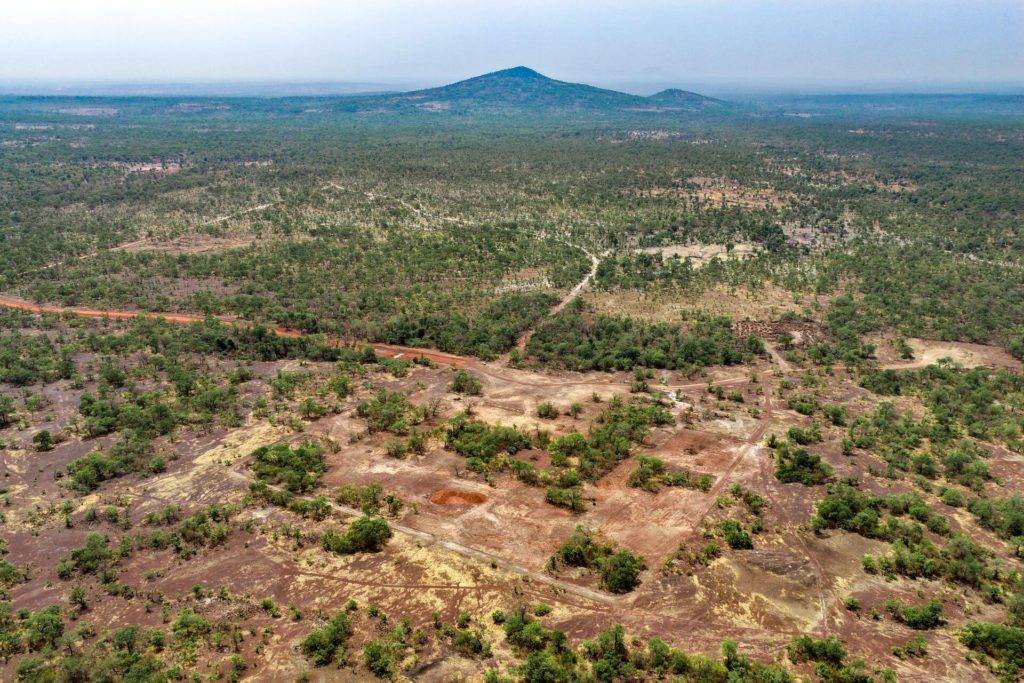
Viper is located approximately 36 kilometers south of Beaver Creek and is part of the AZ mineral claims wholly owned by Yukon Metals. The three drill holes are AZ26-006, AZ26-007, and AZ26-008, with final depths of 470 meters, 617 meters, and 861 meters, respectively, all drilled at an inclination of -65°. Drilling intersected disseminated and vein-hosted chalcopyrite, molybdenite, and pyrite within multiphase diorite-gabbro intrusive bodies, with mineralization accompanied by magnetite, actinolite, biotite, and locally potassium feldspar alteration.
Hole AZ26-007 returned a 0.5-meter mineralized interval from 476.8 to 477.3 meters depth grading 0.42% copper and 0.39 g/t gold; and a 4.4-meter mineralized interval from 590.3 to 594.7 meters depth grading 0.11% copper and 0.24 g/t gold, including a 0.9-meter subinterval grading 0.92 g/t gold. Hole AZ26-008 returned a 0.8-meter mineralized interval from 736.0 to 736.8 meters depth grading 0.50% copper and 0.40 g/t gold. This hole also encountered a strongly altered zone near 255.5 meters consisting of sericite, clay, quartz, and pyrite, including a 1.6-meter subinterval grading 1.32 g/t gold.
Yukon Metals' core observations from the three drill holes show that copper grade generally increases with depth. Quartz-sericite-pyrite alteration is present at surface and in the shallow portions of the drill holes, while magnetite-actinolite-biotite and locally potassium feldspar alteration assemblages appear at depth. Based on intrusive rock characteristics and sulfide distribution, the company interprets that this round of drilling mainly tested the upper or marginal portion of the porphyry system, and follow-up drilling is still needed to determine the location of the potential high-grade mineralization core.
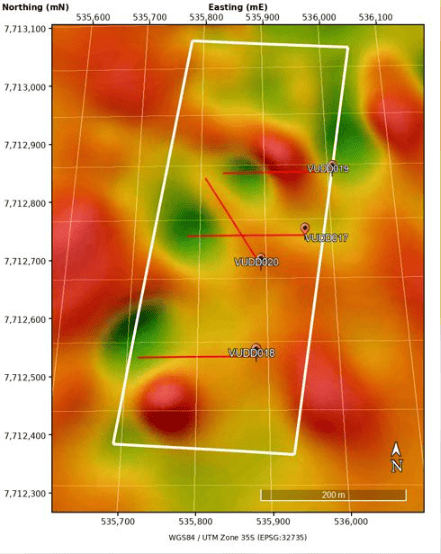
In 2025, surface soil sampling at the project identified copper, gold, and molybdenum anomalies, and a 1.8-kilometer induced polarization survey line detected subsurface high-chargeability and low-resistivity anomalies. In 2026, drone-based aeromagnetic surveying covered an area of approximately 2.5 kilometers by 3.5 kilometers, collecting approximately 400 line-kilometers of data with a line spacing of 25 meters. The new magnetic survey results identified the intersection zone of two structural trends, one of which coincides with surface copper mineralization and soil anomalies and has not yet been directly tested by existing drill holes.
Follow-up exploration will expand along the east-southeast direction from the existing drilling area. The copper, gold, and molybdenum soil anomalies in this area coincide with geological structural trends and magnetic anomaly boundaries. The company is conducting petrographic, mineralogical, spectral analysis, and whole-rock geochemical studies, and will integrate the results with existing drilling, magnetic survey, and induced polarization data to determine targets for the next round of drilling.
Related Products
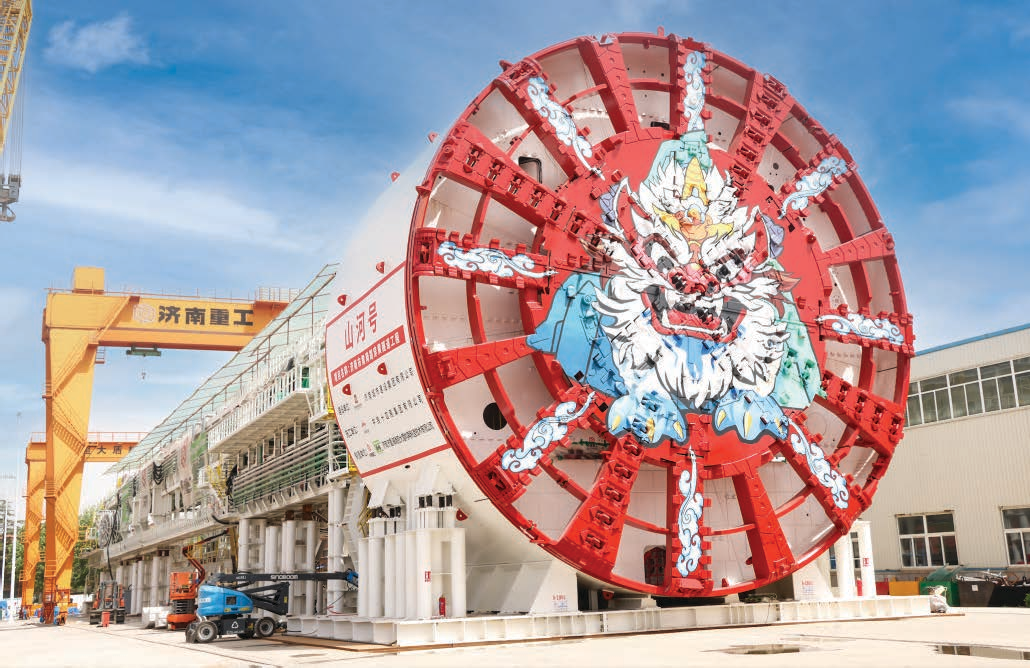

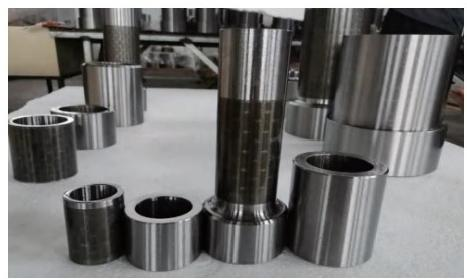
High-temperature Equal Wall Thickness High-power Screw Drilling Tool
Orient Energy & Technologies Co., Ltd.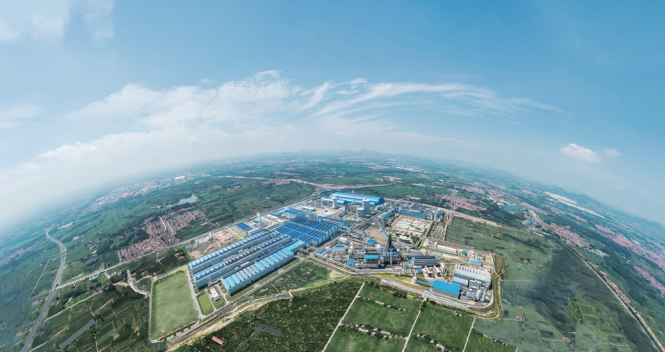
Linyi Steel Investment Special Steel 2.7 Million Tons per Year High-quality Special Steel Project
Capital Engineering & Research Incorporation Limited
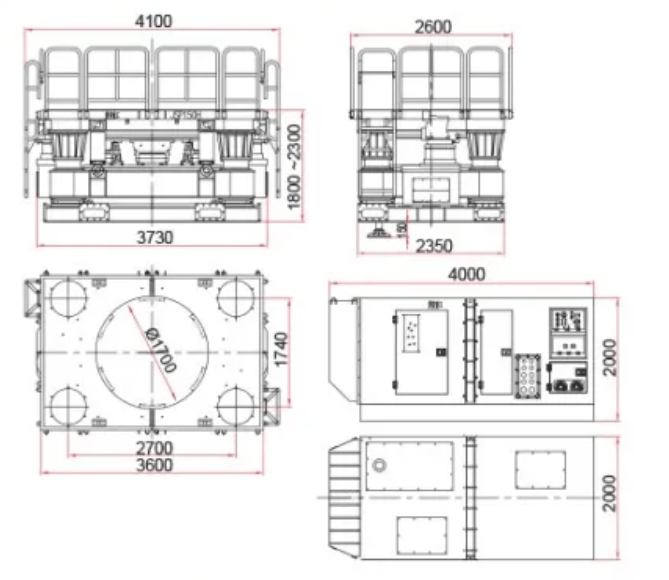
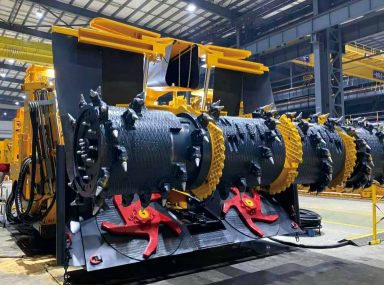
Integrated Excavation and Anchoring Machine (EJM Series)
China Railway Construction Heavy Industry Corporation Limited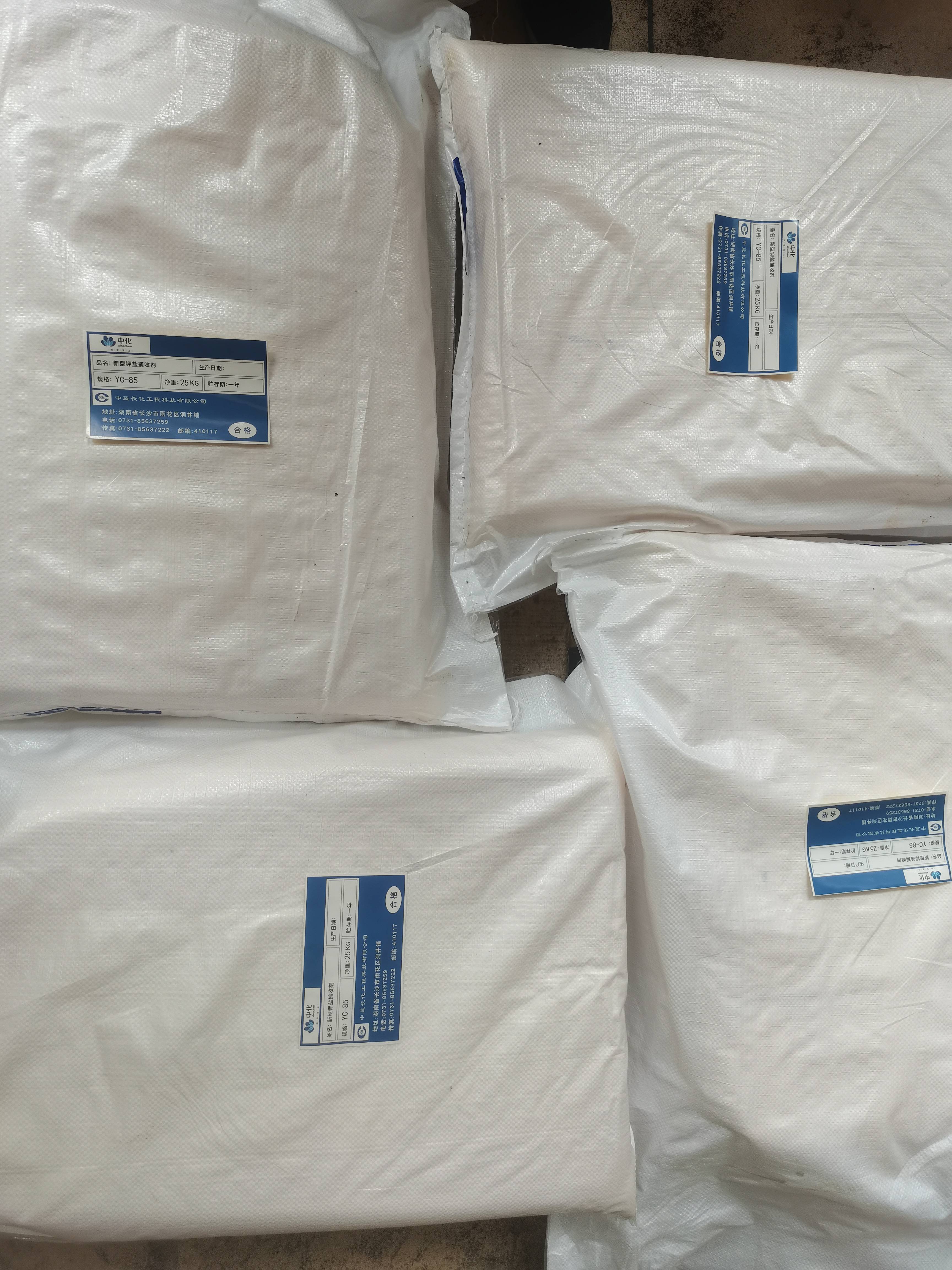
New Environmentally Friendly Green Potassium Salt Collector
Chonfar Engineering and Technology Co., Ltd.