Singapore Plans to Add 5 Gas-Fired Power Plants, Raising Generation Capacity by 26%
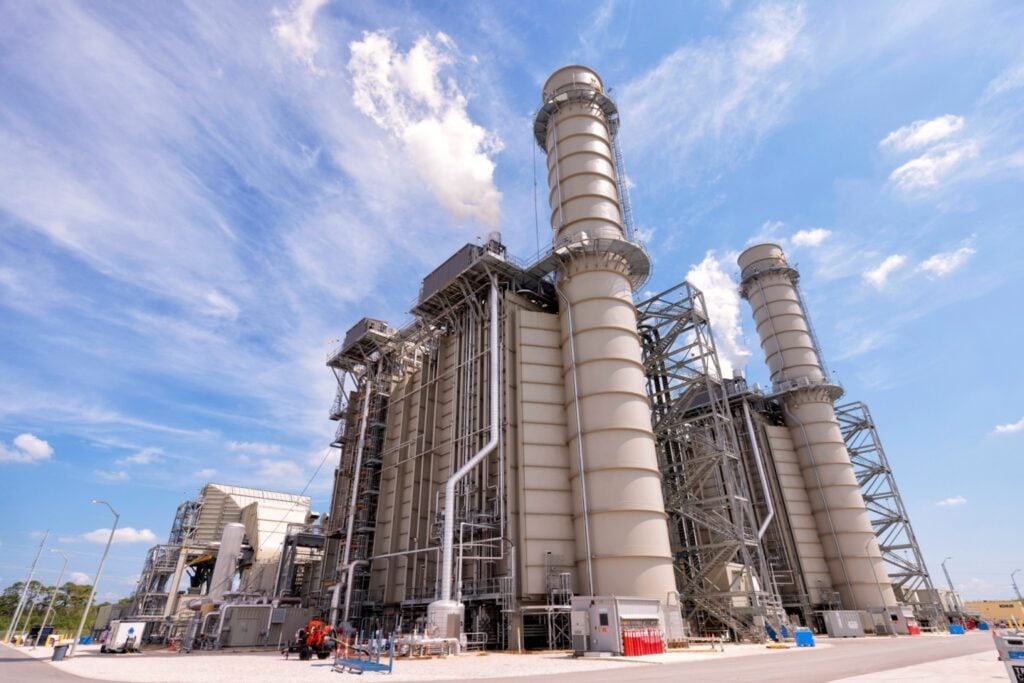
en.Wedoany.com Reported - On October 26, the Energy Market Authority (EMA) of Singapore released a five-year energy infrastructure development plan, specifying that 5 new natural gas-fired power plants will be put into operation between 2026 and 2031, increasing the national installed generation capacity by approximately 26% from the current approximately 12 million kilowatts to approximately 15.12 million kilowatts. The plan also covers liquefied natural gas (LNG) receiving, grid expansion, energy storage, and cross-border power interconnection projects to meet new electricity demand brought about by semiconductor manufacturing, data centers, and transport electrification.

The Energy Market Authority of Singapore is evaluating another batch of gas-fired power plant project proposals for which submissions closed in September 2026, with the related new generating units planned to be put into operation in 2032. The competent authority will also organize subsequent generation project solicitations over the next five years based on actual electricity demand growth. Local authorities are studying the feasibility of building an integrated energy facility on Pulau Tekong, with planning directions including hydrogen-compatible gas-fired power plants, LNG receiving terminals, and other low-carbon energy facilities.
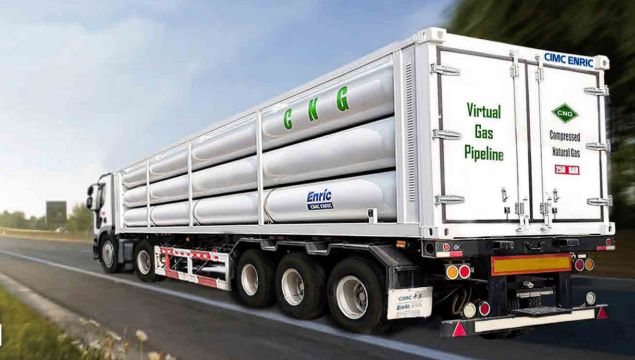
Natural gas currently accounts for approximately 95% of Singapore's electricity supply. Under the newly announced infrastructure plan, Singapore's second LNG receiving terminal at Jurong Port is expected to be commissioned in 2030, at which point the national LNG regasification capacity will increase from 10 million tons per year to 15 million tons per year. The government is also studying further expansion of the existing receiving facility on Jurong Island, along with supporting expansion of the natural gas transmission pipeline network.
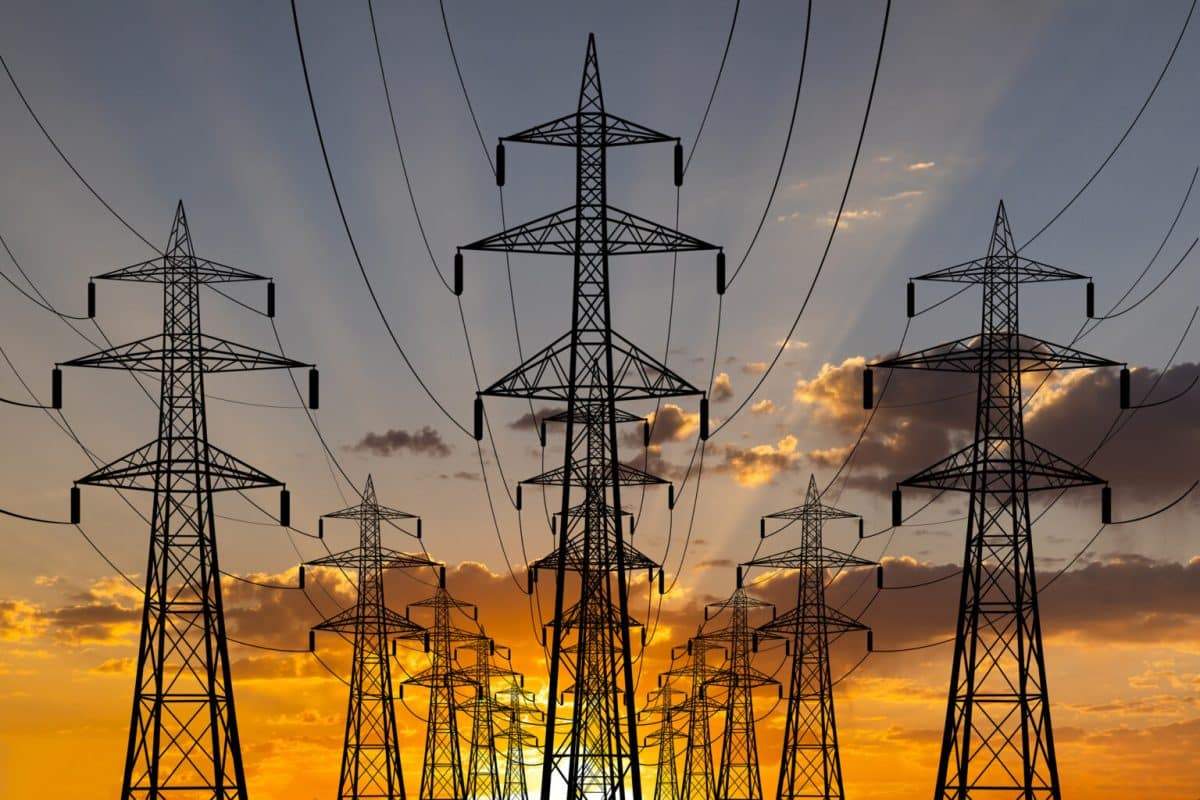
In terms of grid construction, Singapore plans to invest up to S$5.3 billion from 2025 to 2029, build 7 new transmission substations by 2031, and extend the high-voltage transmission cable network from approximately 7,700 kilometers to 9,100 kilometers by 2030. Energy storage capacity is planned to increase from the current approximately 350 megawatt-hours to more than 1,000 megawatt-hours by 2030; a feasibility study is underway for a second cross-border power interconnection line with Peninsular Malaysia, with a planned transmission capacity of up to 2 million kilowatts.
Related Products
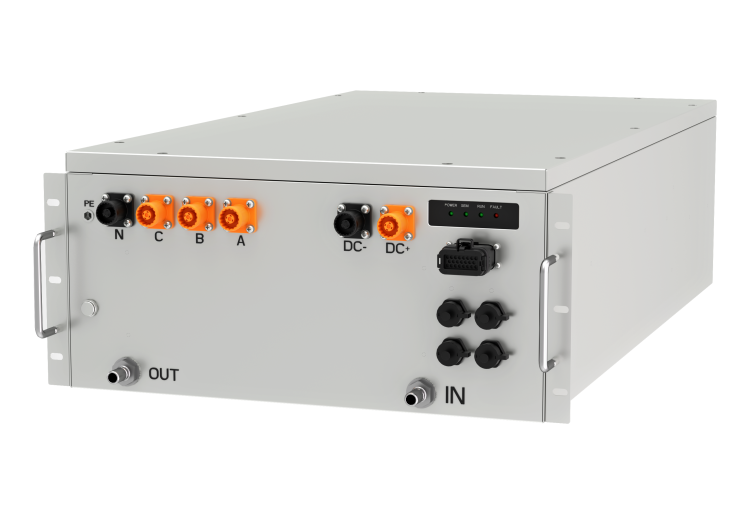

Mars (Liquid Cooling) Series Industrial and Commercial Energy Storage Converter High Protection Module
Shenzhen Winline Technology Co., Ltd.
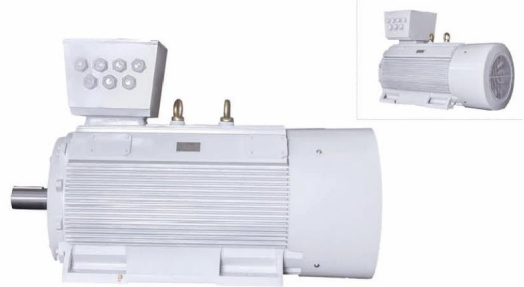
YE3 Series Low Voltage High Power Three-Phase Asynchronous Motor
Shandong Lijiu Electrical Machinery Co., Ltd.
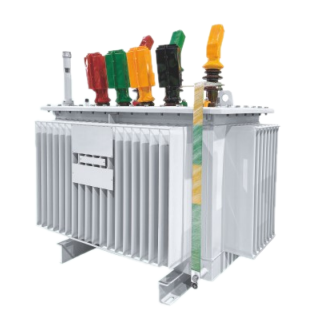
IS(B)□-M·RL Series Oil-immersed 3D Transformer (Planar / 3D Wound Core)
Guangdong Kehua Electric Power Technology Co., Ltd.
Off-Grid Fuel Cell Supercharging Station (180kW Configuration)
Shanghai REFIRE Group Limited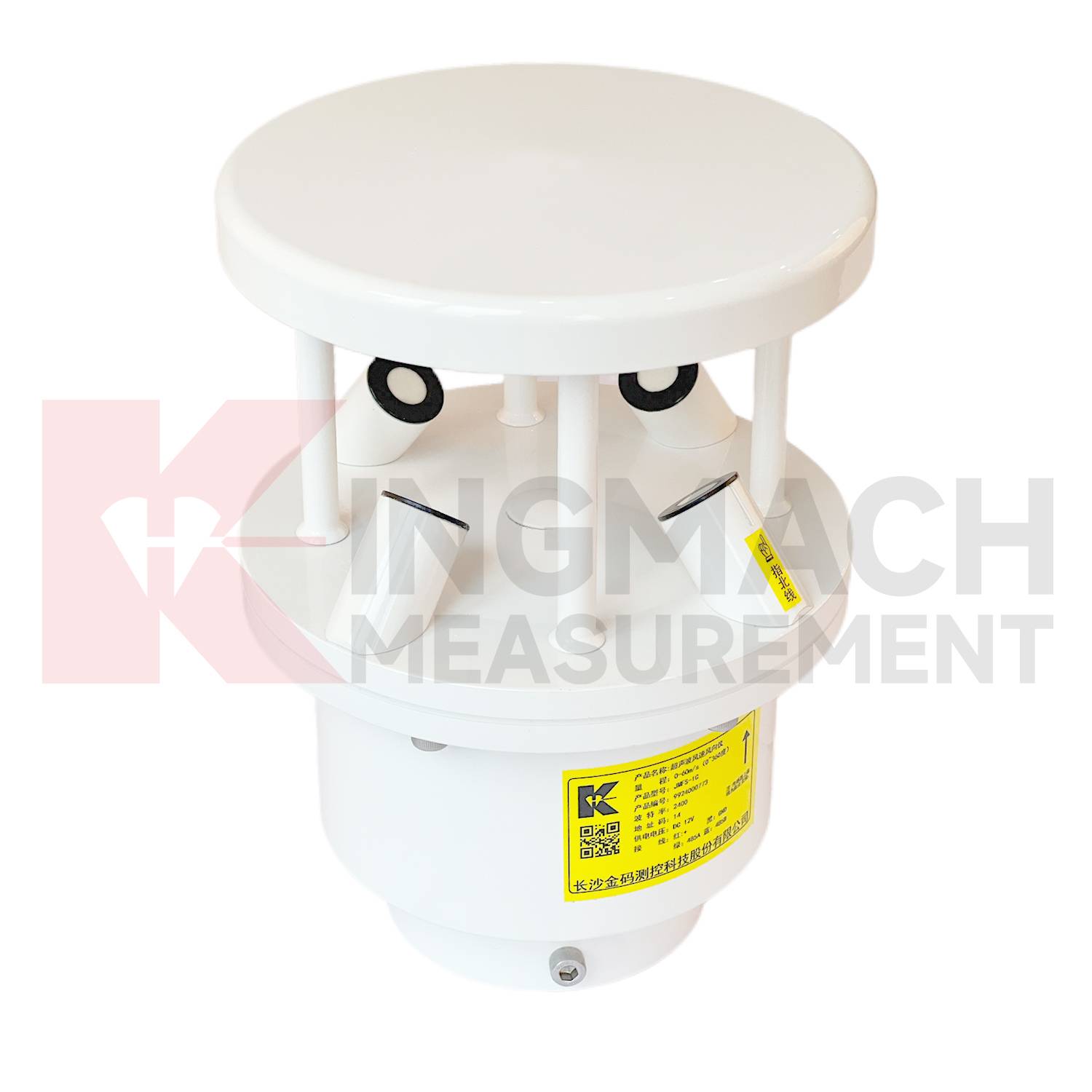
Ultrasonic Wind Speed and Direction Instrument
Kingmach Measurement & Monitoring Technology Co., Ltd.