China Releases 1-Kilometer-Resolution "Mazu" Ocean Forecast Model 2.0
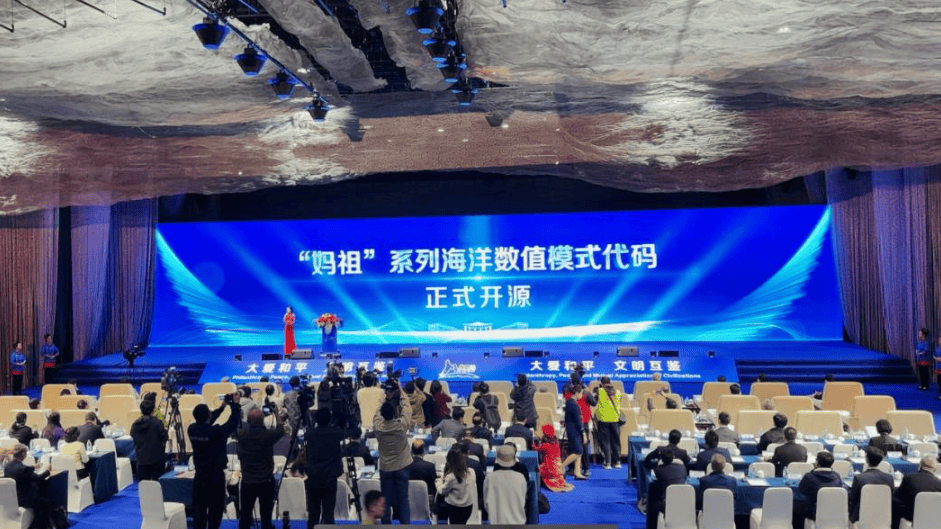
en.Wedoany.com Reported - On November 1, the National Marine Environmental Forecasting Center of China's Ministry of Natural Resources officially released version 2.0 of its self-developed "Mazu" ocean forecast numerical model at the 11th World Mazu Culture Forum held in Putian City, Fujian Province. The upgraded global ocean forecast system achieves a spatial resolution of 5 kilometers, double that of the previous generation, and reaches 1 kilometer in key sea areas such as China's coastal waters and the western Pacific. It has also completed onboard operational testing aboard the "Xuelong 2" polar research vessel.
The "Mazu·Ocean Current" version 2.0 adopts a differentiated variable-resolution configuration for key sea areas worldwide, enhancing its ability to simulate seabed topography and hydrological characteristics in critical waters. The new version also expands its sea ice and marine ecology simulation modules, covering application scenarios such as polar sea ice, marine ecological monitoring, and marine environmental forecasting for deep-sea engineering.
The "Mazu·Ocean Wave" version 2.0 upgrades its ability to simulate typhoon-induced large wave processes and expands functions including swell forecasting, maximum wave height forecasting, and wave-current coupling. This version has also completed adaptation to domestically produced Xinchuang computing equipment, retaining its technical configuration of GPU high-performance computing acceleration, lightweight design, and low energy consumption.
In onboard application verification, the "Xuelong 2" polar research vessel deployed a global ocean current and ocean wave numerical forecast system on a trial basis, enabling mobile marine environmental forecasting during research voyages. The system provides ocean current, ocean wave, and other marine environmental information for Arctic and Antarctic expedition missions.
The Ministry of Natural Resources has previously carried out "Mazu" model transplantation and technical training for Indonesia's Meteorological, Climatological, and Geophysical Agency and the Bangladesh Meteorological Department. In 2026, the National University of Defense Technology also built an independent air-sea coupled assimilation forecast system based on the "Galaxy" atmospheric model and the "Mazu" ocean model.
Related Products

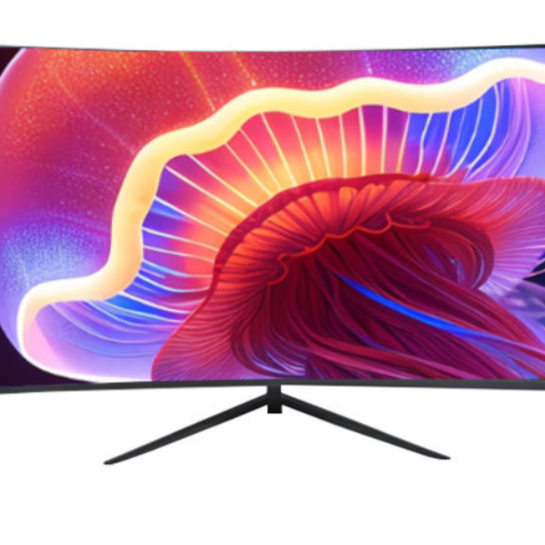
20 Inch 1600*900 Full HD 60Hz TFT LED Monitor with VGA and DP Interfaces for Desktop Computers-Business Use
Guangzhou Zanying Optoelectronics Technology Co., Ltd.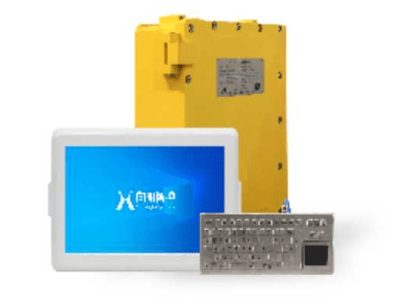
KJD127(A) Mining Explosion-Proof and Intrinsically Safe Computer
Taiyuan Xiangming Intelligent Control Technology Co., Ltd.

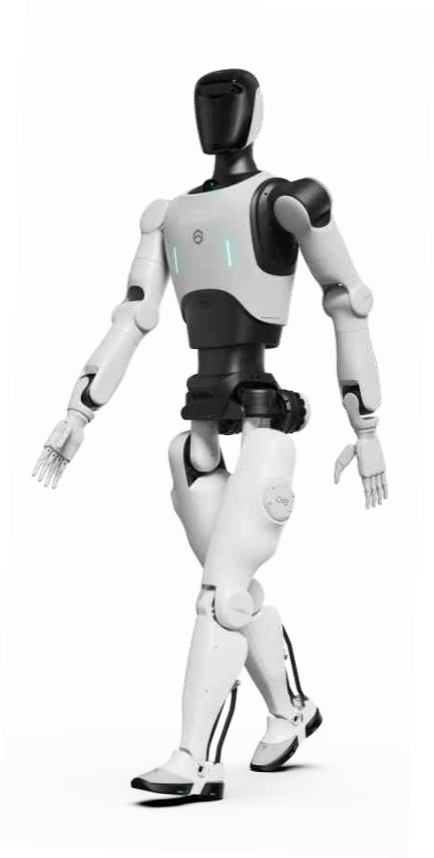
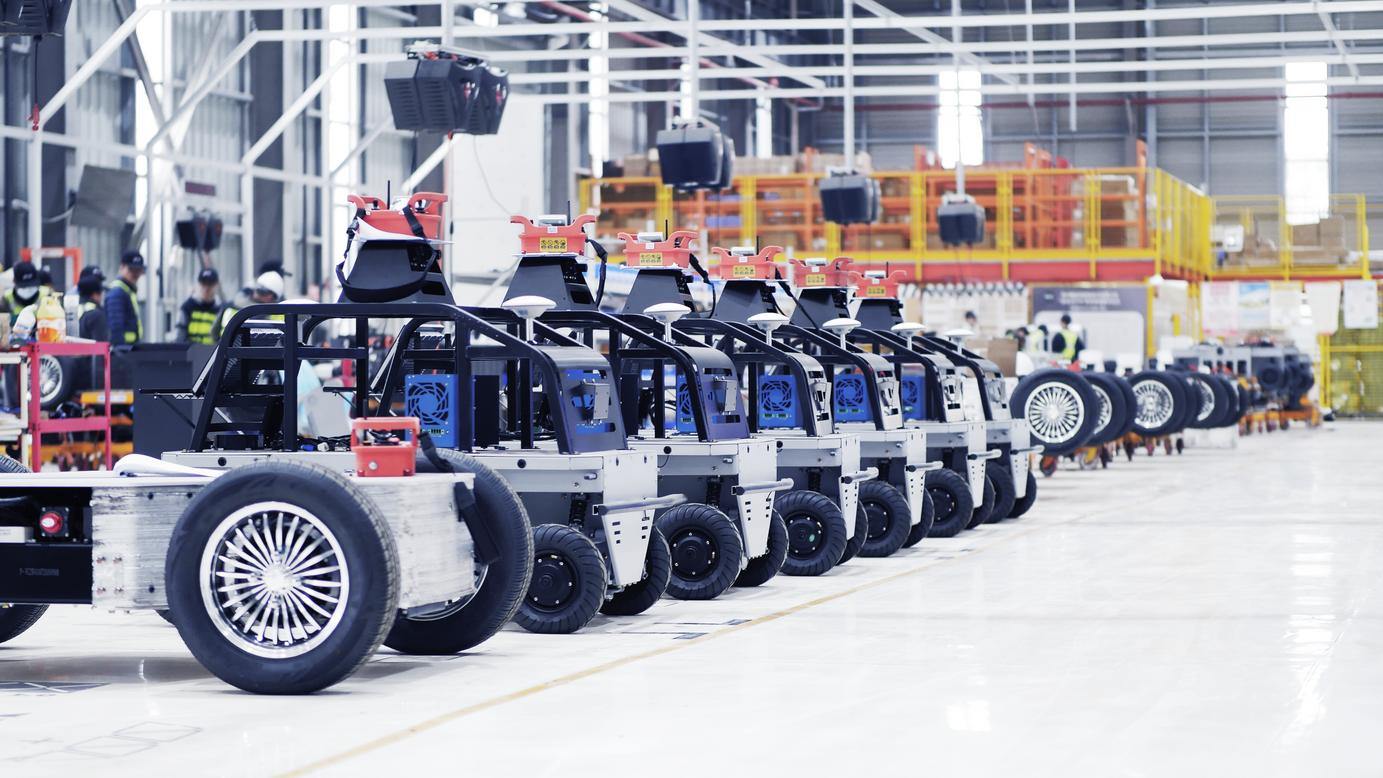
D12 Humanoid Robot
Automation Research Institute Co., Ltd. of China South Industries Group Corporation

Flat Portable Satellite Terminal 0.35m Aperture Manual Portable Terminal
China Starwin Science & Technology Co., Ltd.