India's Ministry of Power Seeks Comments on Revised New Energy and Energy Storage Procurement Rules
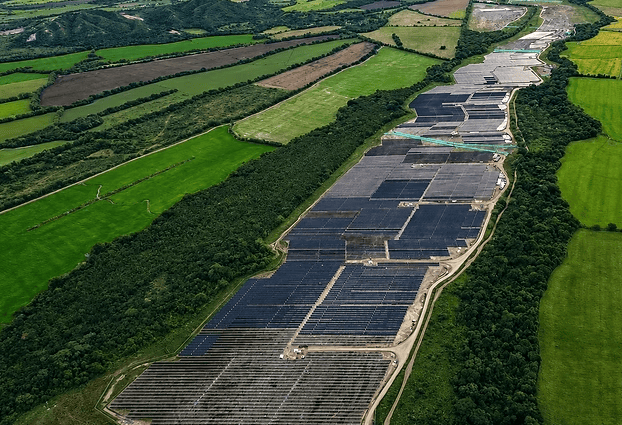
en.Wedoany.com Reported - On November 10, India's Ministry of Power sent letters to the Ministry of New and Renewable Energy, the Central Electricity Authority, the Central Electricity Regulatory Commission, state governments and power regulatory bodies, power companies, and industry associations, seeking comments on the revised draft procurement guidelines for grid-connected solar PV, wind-solar hybrid, renewable energy with storage (dispatchable), and battery energy storage systems. Relevant institutions are required to submit feedback by November 25. The revisions cover energy storage configuration, equipment localization, energy storage procurement contract duration, and project payment security mechanisms.

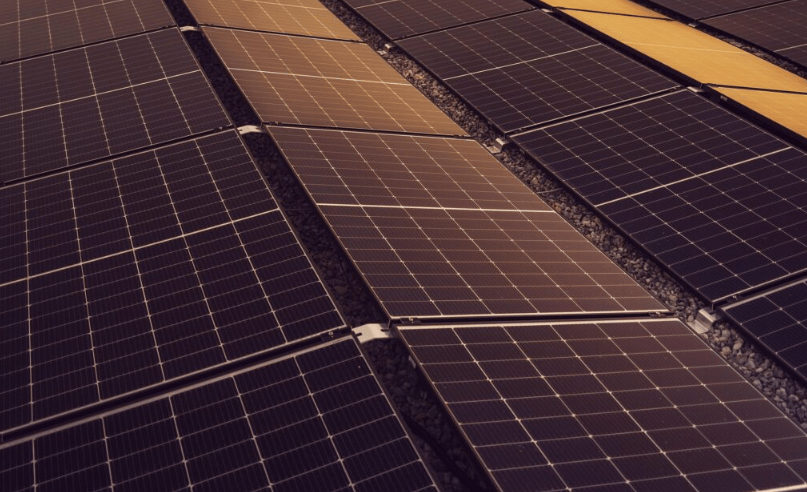
The draft proposes to clarify that power procuring entities may procure solar power with or without energy storage systems through competitive bidding, but must comply with energy storage configuration requirements stipulated by central government orders and the competent regulatory authority; if a project requires supporting energy storage, it must also meet the corresponding domestic content requirements. This adjustment links energy storage configuration requirements with solar project bidding conditions and incorporates energy storage equipment localization requirements into procurement documents.
The adjustments for wind-solar hybrid projects are more explicit. The draft proposes to change the energy storage system configuration from the original optional arrangement to a mandatory requirement, to be configured in the solar portion of hybrid projects in accordance with central government orders and regulatory provisions, while requiring relevant energy storage equipment to comply with domestic content regulations. For renewable energy with storage (dispatchable) projects, the draft also adds provisions requiring energy storage systems to meet domestic content requirements. Such projects use supporting energy storage to regulate renewable energy generation and supply power according to the demand curve specified in the bidding documents, with procuring entities primarily being state distribution companies in India.
For standalone battery energy storage procurement, the draft requires bidding documents to include domestic content compliance clauses for energy storage equipment. Procuring entities may organize tenders based on energy storage capacity, with bid pricing mechanisms including fixed payments or annuities based on available capacity, as well as Viability Gap Funding (VGF) applications against pre-determined fixed tariffs or annuities. The minimum duration of Battery Energy Storage Purchase Agreements (BESPA) is maintained at 8 years and may be extended based on procurement needs.
The draft proposes to require that the Payment Security Fund (PSF) have the capacity to cover at least 3 months of bills for relevant projects. Intermediary procuring agencies may charge battery energy storage developers a non-refundable amount not exceeding INR 500,000 per megawatt-hour to replenish the Payment Security Fund, which may be collected in installments as specified in the bidding documents. Developer participation in this contribution mechanism is voluntary; if a developer chooses to contribute, the funds and accumulated interest will be transferred to the Payment Security Fund established by the Government of India for the corresponding intermediary procuring agency.
Related Products

Aero Piston Engine - FF600 Two-Stroke Opposed Two-Cylinder Engine
China Times Prospect Science & Technology Co., Ltd.
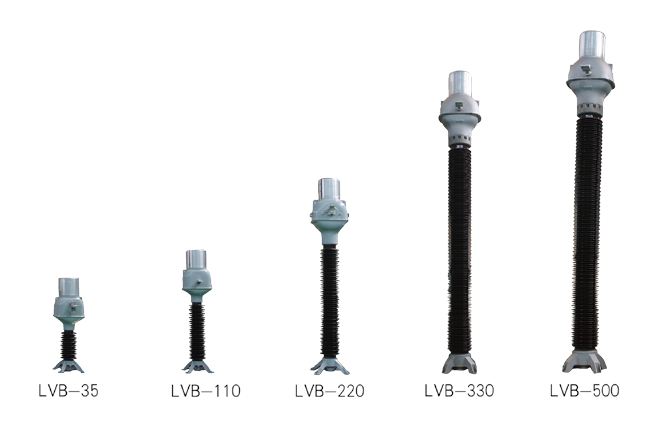
LVB Series 35-500kV Oil-immersed Inverted Current Transformer
Shandong Taikai Instrument Transformer Co., Ltd.
Off-Grid Fuel Cell Supercharging Station (180kW Configuration)
Shanghai REFIRE Group Limited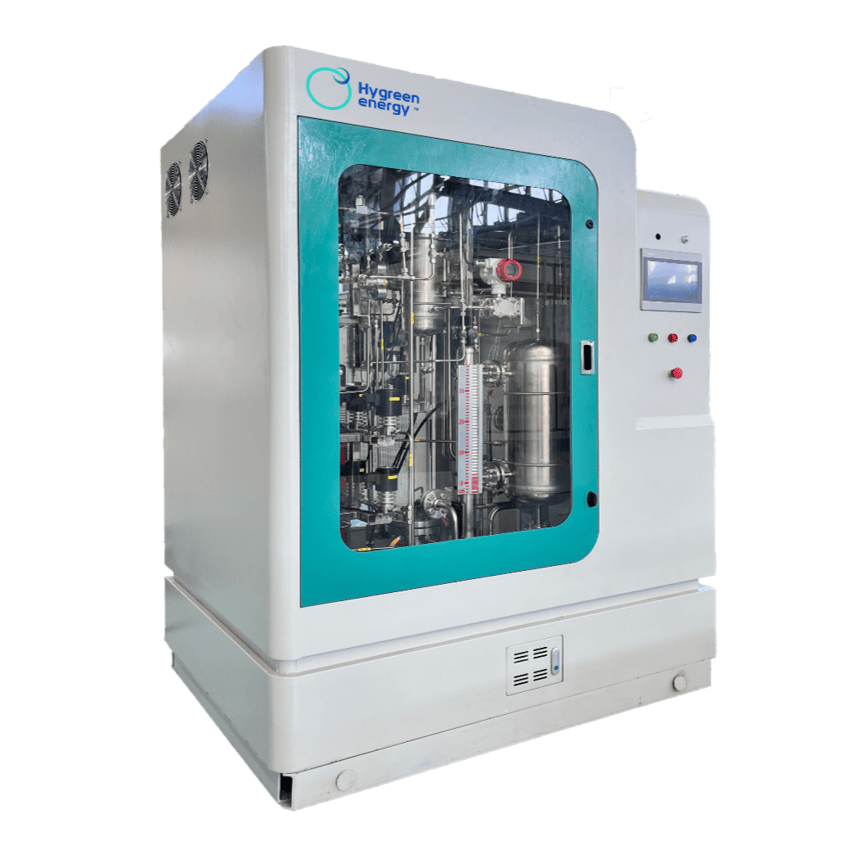
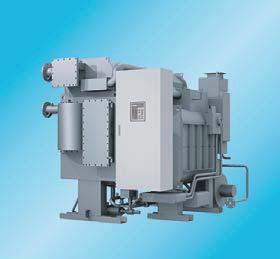
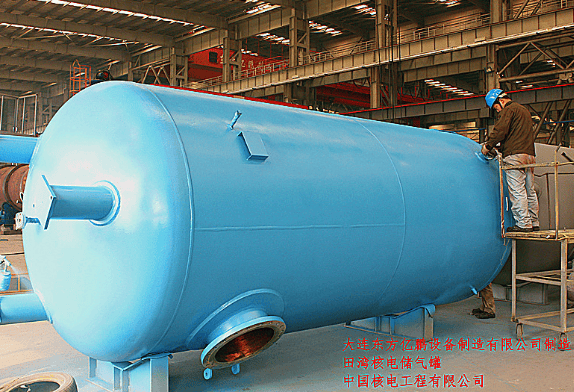
220kV and Below Voltage Level Energy-saving Oil-immersed Power Transformers
FuZhou TianYu Electric Co., Ltd.