Germany's Covestro launches aromatic recovery technology project for automotive waste
en.Wedoany.com Reported - On November 13, Germany's Covestro, together with the Fraunhofer Institute for Environmental, Safety and Energy Technology (Fraunhofer UMSICHT) and Carbon Minds, launched the CARBEX chemical recycling R&D project, which aims to extract aromatic compounds such as benzene, toluene, ethylbenzene and xylene (BTEX) from shredder residues of end-of-life vehicles. The project adopts pyrolysis and autocatalytic reforming processes and plans to achieve continuous pilot operation at a processing scale of 10 kilograms per hour by 2028, with an overall R&D period from September 2026 to August 2029.
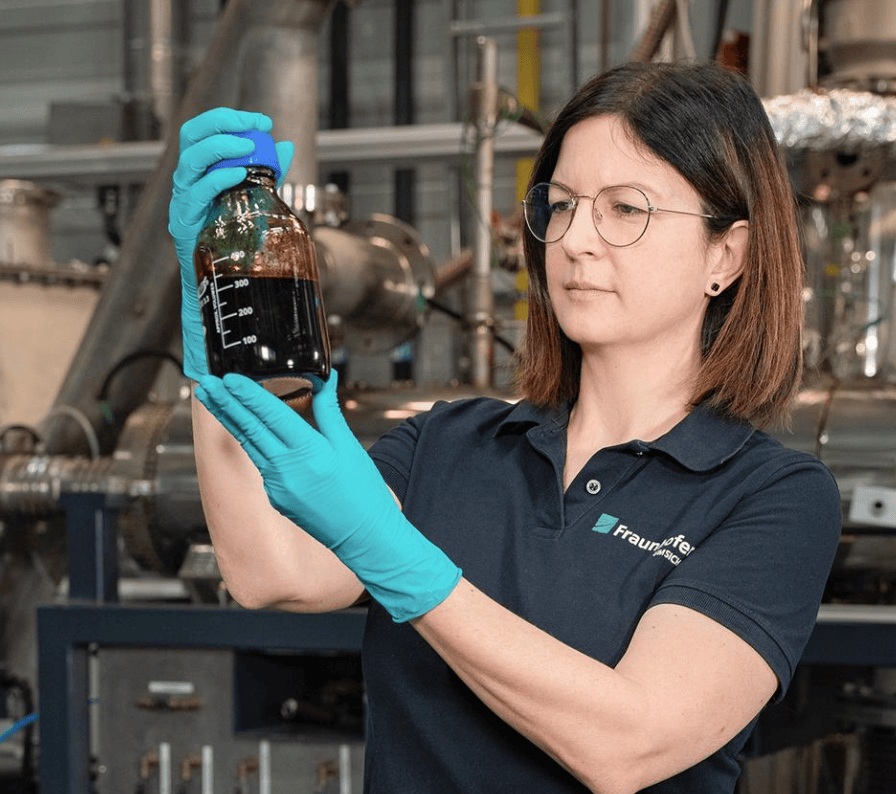
The CARBEX project uses Fraunhofer UMSICHT's patented Pyromat technology to process automotive shredder residues at approximately 500 degrees Celsius. The process uses the char produced during pyrolysis as both catalyst and adsorbent, in which components such as calcium carbonate, titanium dioxide and copper promote the formation of aromatics and adsorb halogens such as chlorine and bromine, reducing impurities entering the pyrolysis oil.
In previously conducted laboratory tests, Fraunhofer UMSICHT produced pyrolysis oil with a BTEX mass fraction of 62% from automotive shredder residues, approximately 60% higher than conventional pyrolysis oil, with halogen content reduced by up to 99%. These results come from laboratory validation before project launch and have not yet reached the continuous pilot production stage.
In the next phase, the project will modify Fraunhofer UMSICHT's existing pyrolysis test facility, converting the fixed-bed reactor to a moving-bed reactor and determining continuous operating conditions. The pilot targets include producing at least 50 kilograms of BTEX-rich pyrolysis oil and controlling its halogen content below 30 ppm to meet the feedstock requirements for subsequent industrial processing.
Covestro is responsible for the project's industrial application development and will adopt a model-driven distillation separation scheme to extract benzene and toluene from pyrolysis oil and verify their suitability for the production of diphenylmethane diisocyanate (MDI) and toluene diisocyanate (TDI). The company is also responsible for techno-economic evaluation, studying the separation costs and industrial production conditions of recovered aromatics.
Carbon Minds undertakes the full-process life cycle assessment of the project, calculating carbon emissions from raw material acquisition to product delivery in accordance with ISO standards. Fraunhofer UMSICHT estimates that the Pyromat process emits approximately 1.1 tonnes of CO2 equivalent per tonne of BTEX produced, compared with approximately 1.6 to 1.8 tonnes for the conventional naphtha steam cracking route. The potential annual emission reduction from large-scale deployment of this technology in Germany is estimated at up to 640,000 tonnes of CO2 equivalent.
The CARBEX project is funded by the KlimPro-Industrie II program of the German Federal Ministry of Research, Technology and Space and is scheduled to continue until August 2029. After completing continuous pilot validation, the project team will study the construction of a follow-up demonstration facility at technology readiness level TRL 7 based on process operation and product quality results.
Related Products

Hongxing Steel Chemical Pressure Vessel Steel Plate
Gansu JISCO Group Hongxing Iron and Steel Co., Ltd.
Steel Pipes for Refining and Coal Chemical Industries
YANGZHOU LONTRIN ENERGY EQUIPMENT CO.,LTD.
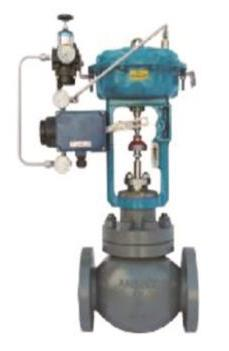
Quick-Change Single-Seat Control Valve / Quick-Change High-Pressure Single-Seat Control Valve
Beijing Consen Automation Technology Co., Ltd.
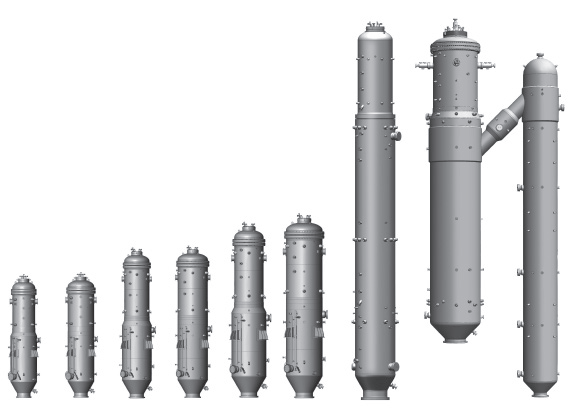
Gasification Furnace Series: Freely Combinable Aerospace Furnace
CHANGZHENG ENGLINEERING CO., LTD.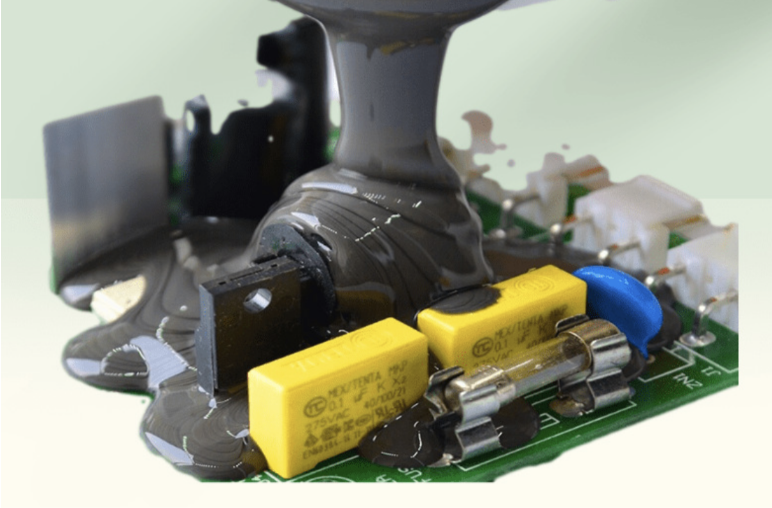
High Thermal Conductivity Encapsulating Resin
Nantong BESALL Sealing Technology Company.,Limited