NOx Emission Reduction Rate of Nitric Acid Plant at Rustavi Azot in Georgia Reaches 98.97%
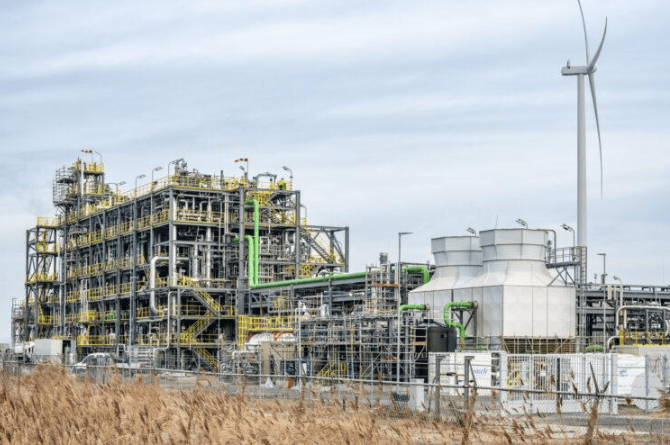
en.Wedoany.com Reported - On November 12, new operational emission reduction data were obtained for the EnviCat NSCR honeycomb catalyst used in the nitric acid production unit of Rustavi Azot in Rustavi, Georgia. The nitrogen oxide (NOₓ) removal rate reached 98.97%, and the nitrous oxide (N₂O) removal rate reached 97.8%, both exceeding the guaranteed targets of 95%. The catalyst was supplied by Clariant of Switzerland and has been installed in the existing tail gas treatment reactor, with only minor adjustments made to the existing equipment during the retrofit.
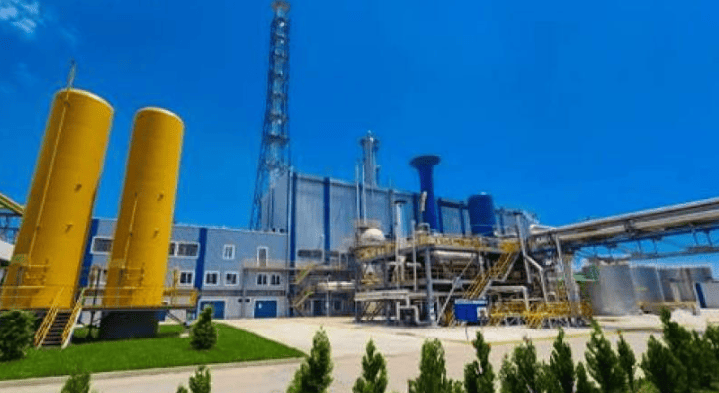
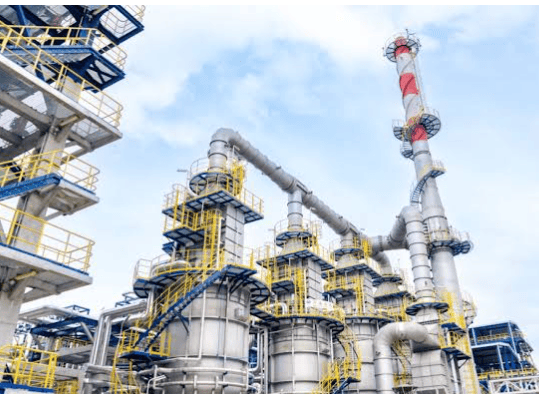
The emission reduction system retrofit was implemented with the participation of engineering partner Alvigo, adopting non-selective catalytic reduction technology and using methane as the reducing agent to treat nitric acid production tail gas. The project received partial funding support from the Nitric Acid Climate Action Group (NACAG) under the German Agency for International Cooperation (GIZ). The catalyst uses a honeycomb monolithic structure, is suitable for tail gas environments above 400°C, features low gas flow pressure drop, and allows the catalyst module configuration to be adjusted according to the structure of the existing reactor.
The original nitric acid plant at Rustavi Azot has been in operation for decades, and the last major modification of the reactor was about 15 years ago. Before this replacement, the plant used a high-palladium-loaded alumina pellet-type non-selective catalytic reduction catalyst for nitrogen oxide treatment. The new catalyst was installed using the existing reactor, reducing the engineering requirements for complete reactor replacement and associated infrastructure.
The emission reduction retrofit project had previously completed contract award in 2024, with Alvigo responsible for implementation of the emission reduction system, Clariant participating as the catalyst subcontractor, and SICK supplying the continuous emission monitoring system. The emission reduction equipment was installed and put into operation in the autumn of 2025, and a formal commissioning ceremony for the upgraded system was held on October 19, 2026.
According to project operation materials released by NACAG on November 3, the upgraded nitric acid tail gas treatment system handles nitrous oxide emissions equivalent to approximately 432,000 tonnes of CO₂ equivalent per year. Compared with the plant's 2019 emission level, it is expected to achieve a net reduction of approximately 120,000 tonnes of CO₂ equivalent per year, exceeding the reduction scale of approximately 90,000 tonnes per year anticipated when the funding agreement was signed in 2022.
Related Products

Hongxing Steel Chemical Pressure Vessel Steel Plate
Gansu JISCO Group Hongxing Iron and Steel Co., Ltd.
Nitrogen Export, Nitrogen Manufacturer, High-purity Nitrogen Supplier
Foshan Yuexin Industrial Gas Co., Ltd.
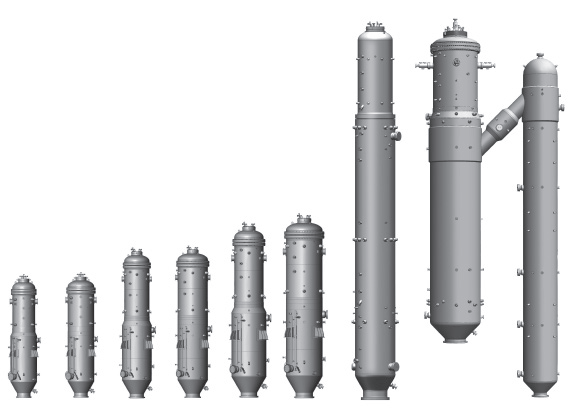
Gasification Furnace Series: Freely Combinable Aerospace Furnace
CHANGZHENG ENGLINEERING CO., LTD.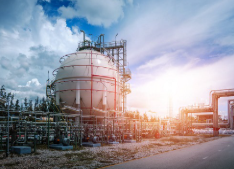
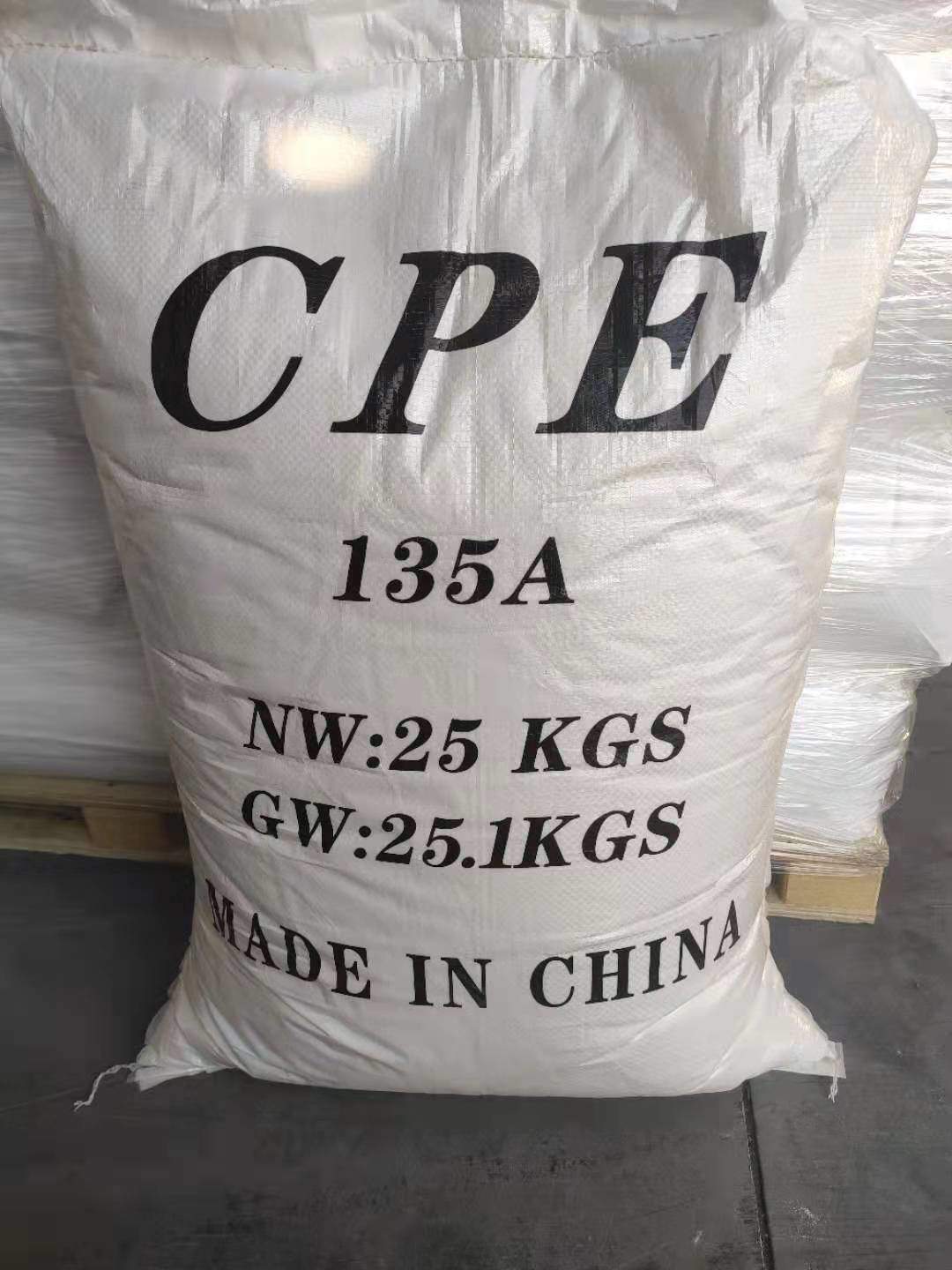
PVC Impact-Modified Chlorinated Polyethylene
Gansu Jinchuan Hengxin Polymer Technology Co., Ltd.