Design Work Progresses for Russian Molten Salt Reactor
Wedoany.com Report-Jul. 26, Russian state nuclear corporation Rosatom has completed the initial design phase for a prototype molten salt reactor, with a preliminary design unveiled in February 2024. Conducted under the scientific oversight of the Kurchatov Institute, this phase included developing materials for design documentation, outlining the nuclear installation’s elements, and preparing the initial fuel complex. “A brief description of the design of the elements of the nuclear installation and the initial fuel preparation complex was also developed, and the main characteristics of the nuclear fuel and elements of the installation were given,” Rosatom stated. These details will support environmental impact assessments and a preliminary safety report.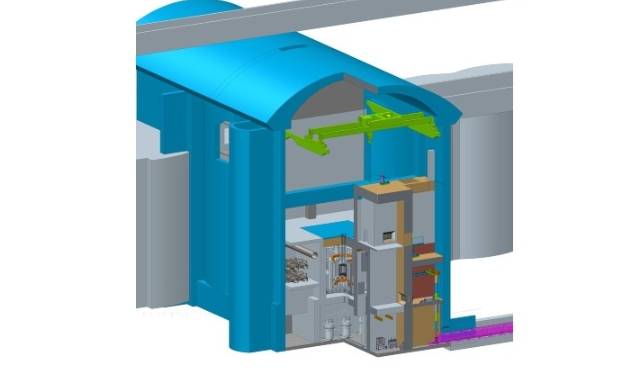
The project, part of Russia’s federal initiative to advance new materials and technologies for energy systems, aims to continue through 2027. The next phase will focus on creating technical designs for the reactor and fuel preparation complex. The prototype, targeted for launch in 2031, will use circulating molten salt fuel, a technology designed to enhance nuclear fuel cycle efficiency. Rosatom noted that ongoing research will validate technological solutions, with plans to scale the technology post-launch.
Dmitry Kolupaev, director general of the Mining and Chemical Combine, highlighted the technology’s potential: “Successful implementation of this technology will, among other things, reduce the amount of waste subject to final isolation and the duration of its storage. And in the future, it will create the basis for the development of more powerful molten salt reactors, which will be sufficient for processing the entire volume of the most dangerous components of used nuclear fuel produced by thermal reactors.” This approach aims to minimize the environmental footprint of nuclear waste.
Vasily Tinin, director of state policy for radioactive waste and nuclear facility decommissioning, emphasized the project’s environmental benefits: “The implementation of the project will allow us to take the environmental safety of nuclear power to a new level - to take a big step towards waste-free nuclear technologies.” He added that the technology, part of fourth-generation nuclear advancements, focuses on disposing of hazardous radioactive substances, such as minor actinides from VVER and RBMK reactors, reducing their potential danger period from 10,000 years to 300 years.
The initiative supports Russia’s goal of closing the nuclear fuel cycle, enhancing sustainability in nuclear energy. By developing molten salt reactor technology, Rosatom aims to improve waste management and pave the way for more efficient, environmentally responsible nuclear power solutions.
Related Products


Hydrogen production and hydrogenation charging refueling gas integrated energy station
Shenzhen Kohodo Hydrogen Energy Co., Ltd.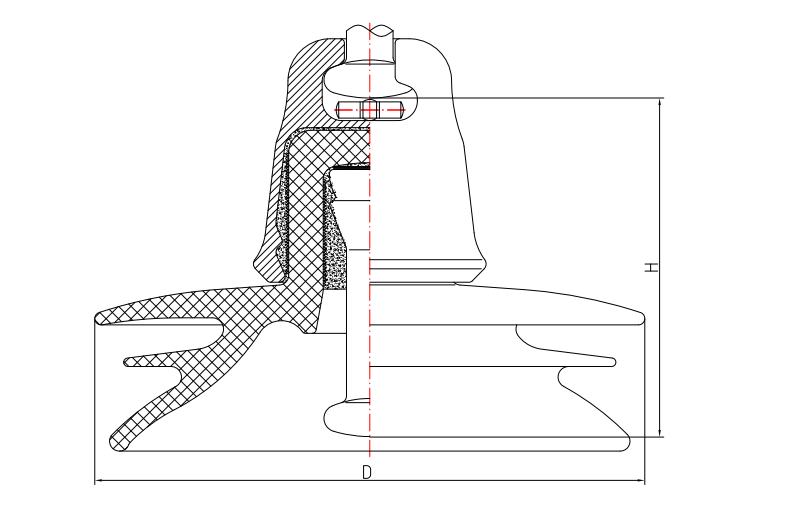
Post-type AC Pollution-resistant Disc Suspension Porcelain Insulator (Triple Umbrella Type)
Shandong High Voltage Insulator Co., Ltd.
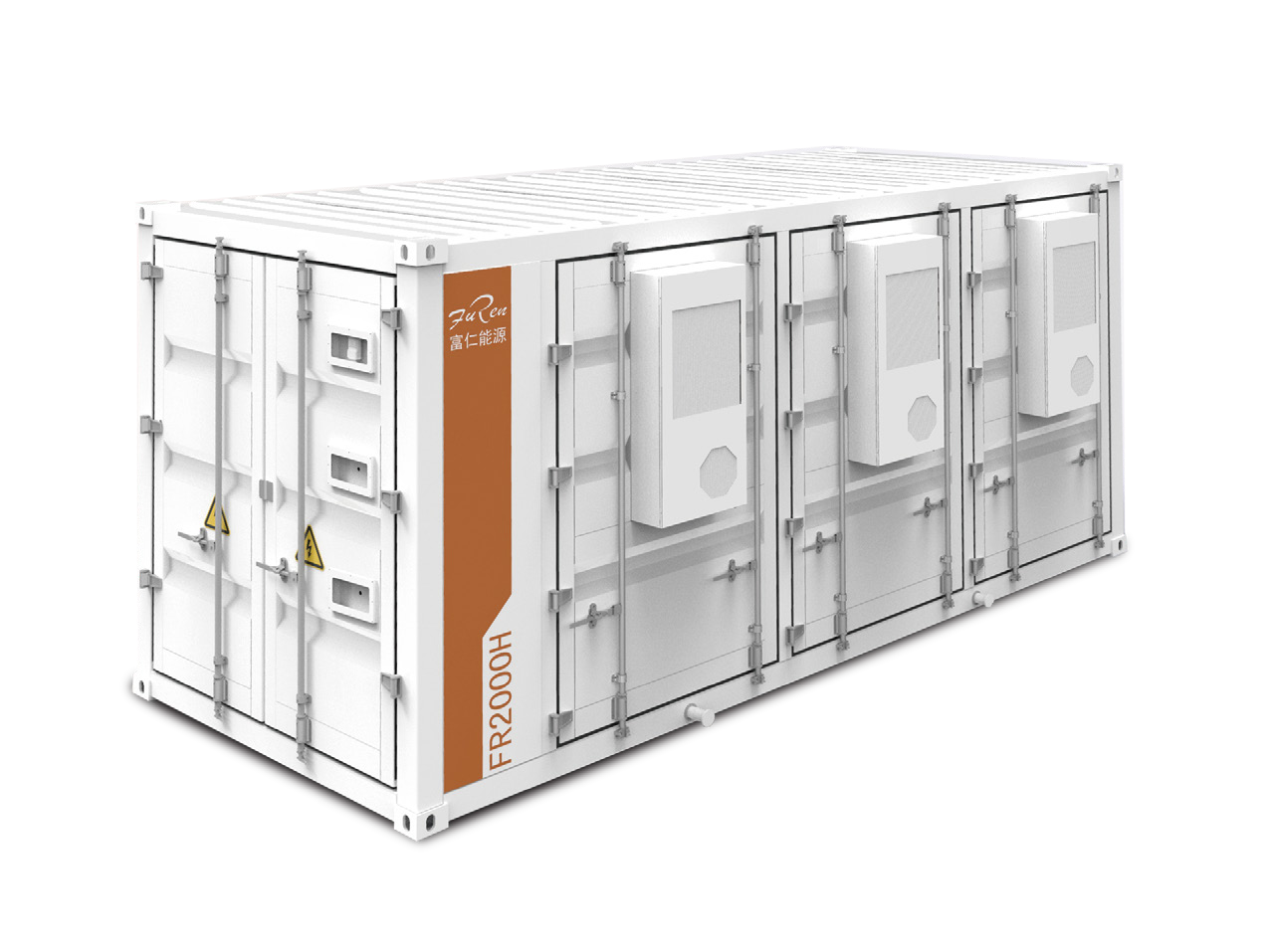
FR2000H 2.15MWh (Air-cooled) 20-foot Containerized Energy Storage System
Jiangyin Furen High-tech Co., Ltd.

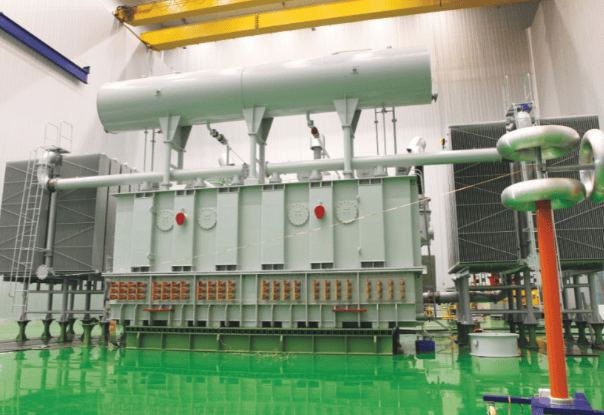

Oil-immersed Amorphous Alloy Core Distribution Transformer
Pinggao Group Smart Electric Co., Ltd.
TAI Slew-drive Single-axis Independent 1P Tracking Bracket System
ANTAI TECHNOLOGY CO., LTD.

VEG-12/24/40.5 Series Vacuum Circuit Breaker
SHANGHAI PINGGAO TIANLING SWITCHGEAR CO., LTD.