China's Bambu Lab Launches Seven-Tool Multi-Material 3D Printer with 6-Second Material Switching
en.Wedoany.com Reported - On November 24, Chinese 3D printing equipment manufacturer Bambu Lab officially released the P3C third-generation multi-material desktop 3D printer, featuring a seven-tool automatic switching architecture that supports automatic switching among different materials, colors, and nozzle specifications within a single print job, with a material switching time of approximately 6 seconds per switch. The standard configuration includes 5 independent print tools, with 2 additional tool mounting positions reserved. The base kit is priced at $1,149 (excluding tax, approximately 8,200 RMB).
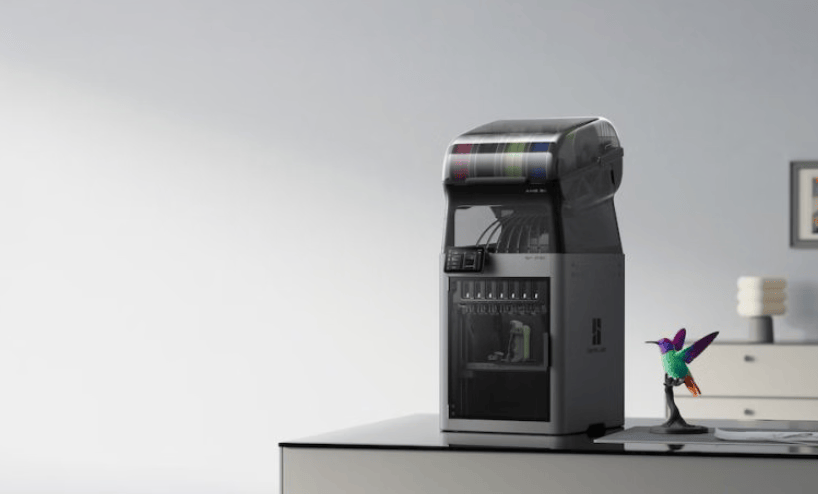
The P3C employs Bambu Lab's independently developed Swaptek seven-tool switching system. Unlike conventional single-nozzle multi-color printing devices that achieve color switching through repeated retraction, filament changing, and nozzle cleaning, this system equips each PrintTool with an independent filament channel, heating system, and power and data interfaces. The device can identify the next print task in advance and preheat the next tool while the current nozzle is working, reducing filament change waiting time and waste generation.
Of the seven tool positions, the standard configuration comes pre-installed with 5 sets of 0.4 mm nozzle print tools, while the other two positions can be configured with different nozzles or other process tools according to processing requirements. The device supports switching among 0.2 mm, 0.4 mm, 0.6 mm, and 0.8 mm nozzles within a single print job, enabling fine structure processing and large-scale material deposition to be completed in a single printing process.
The P3C is equipped with the FlexFeed extrusion system, supporting both 1.75 mm and 2.85 mm filament specifications, with 2.85 mm filament fed through a dedicated bypass. The device can process materials including polylactic acid (PLA), polyethylene terephthalate glycol (PETG), acrylonitrile butadiene styrene copolymer (ABS), polyamide (PA), polycarbonate (PC), and thermoplastic polyurethane elastomer (TPU), and also supports carbon fiber and glass fiber reinforced filaments.
Among these, the 2.85 mm feed channel can be used to print flexible TPU material with a Shore hardness of 75A. Bambu Lab states that this design improves extrusion stability for flexible materials and reduces the risk of clogging during printing. The device can also combine soft TPU with rigid engineering materials in the same product to manufacture robot joints with flexible connection parts, wearable products, and complex functional structural components.
The device integrates the AMS 3P filament management system, which can manage 7 individual spools of filament and employs a sealed storage structure to reduce the impact of ambient humidity on materials. With the optional dual-bin drying module, two spools of filament can be dried simultaneously at up to 75°C. By connecting up to 4 external AMS systems, the device supports combined printing with up to 22 colors.
The device has a build volume of 256 mm × 256 mm × 260 mm, a maximum nozzle operating temperature of 300°C, and a maximum heated bed temperature of 110°C. The nozzle is made of hardened steel with a hardness of HRC 55 or above, suitable for abrasive filaments containing carbon fiber and glass fiber. The device is also equipped with an H11-grade high-efficiency air filtration system that, combined with activated carbon and particulate filter components, can handle volatile organic compounds and fine particulate matter generated during printing.
The P3C not only supports conventional fused deposition modeling but can also perform cutting, drawing, and embossing operations by changing tool heads. The accompanying software supports task orchestration for different tools, reducing the need to transfer products between multiple devices and manual assembly steps.
Application cases demonstrated by Bambu Lab include a watch produced in a single pass using different nozzles and materials, a robot combining rigid structures with flexible joints, and footwear products manufactured with TPU materials of different hardness levels. These applications demonstrate the potential of multi-material printing in reducing part count, lowering subsequent assembly workload, and manufacturing complex structures.
Related Products
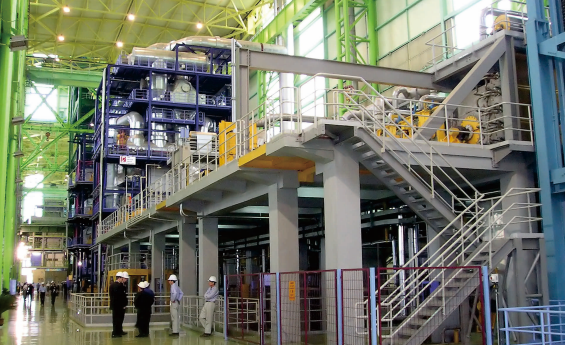

Strip Coating and Plating Production Line Equipment
MCC-SFRE HEAVY INDUSTRY EQUIPMENT CO., LTD.
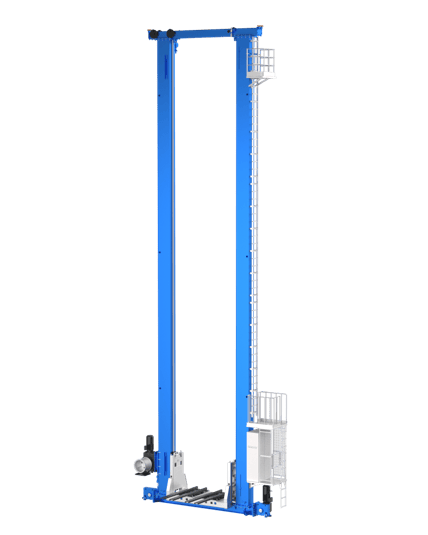
Pallet Solutions Product Line: HD3000 Double-Column Stacker Crane
Zhongding Intelligent (Wuxi) Technology Co., Ltd.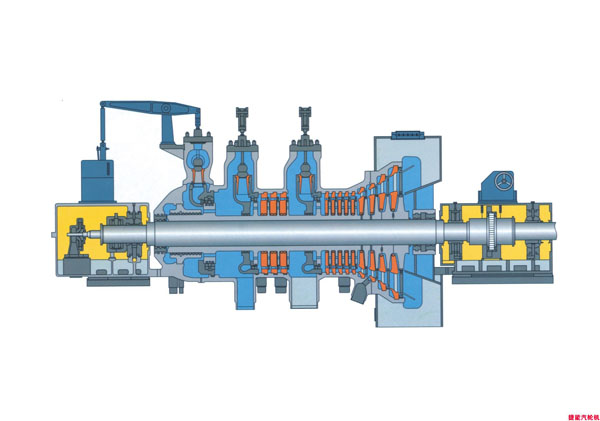
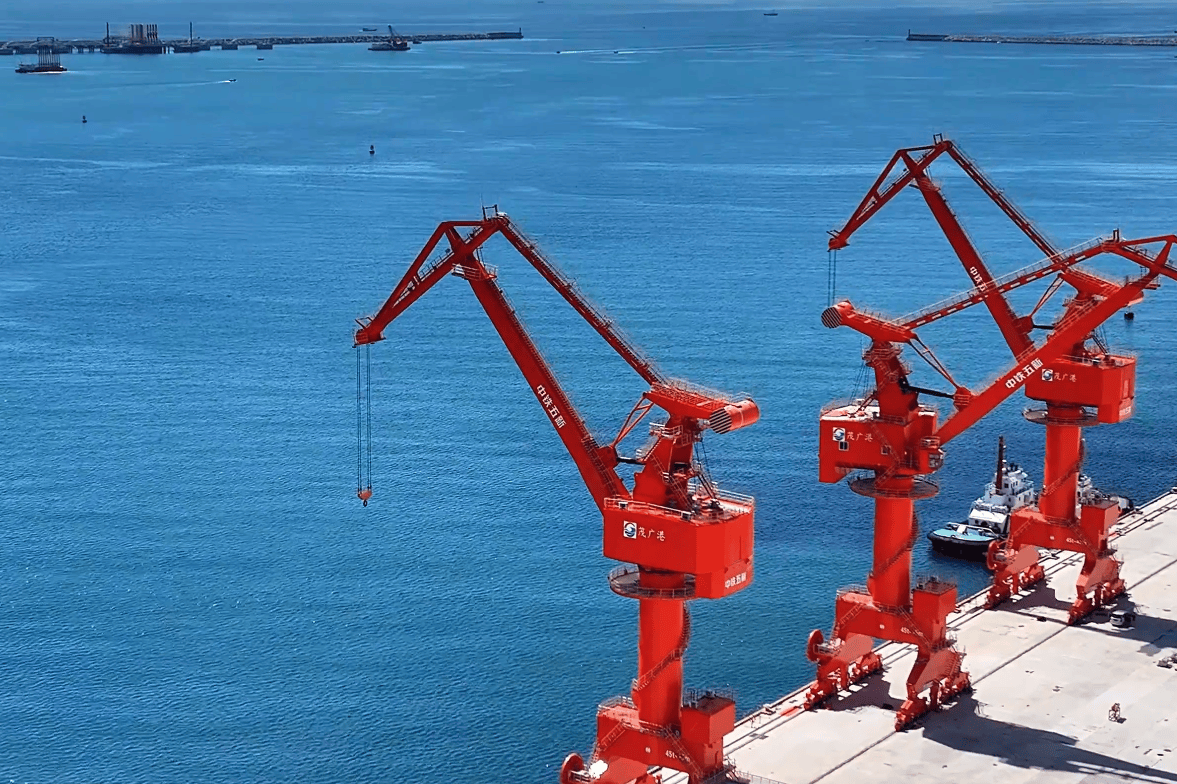
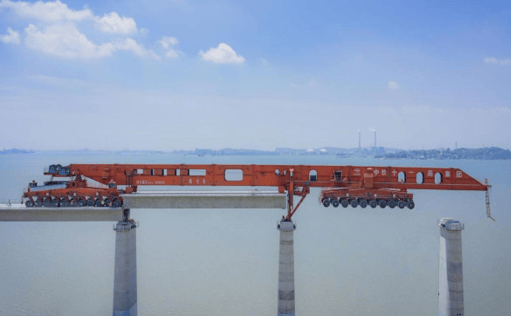
High-Speed Railway Lifting, Transporting, and Erecting Equipment: Integrated Transport and Erection Machine
Hanjiang Heavy Industry Co., Ltd. of China Railway 11th Bureau Group
Aluminum-Magnesium Alloy High-Pressure Die-Casting Molds
NINGBO HELI TECHNOLOGY CO., LTD.