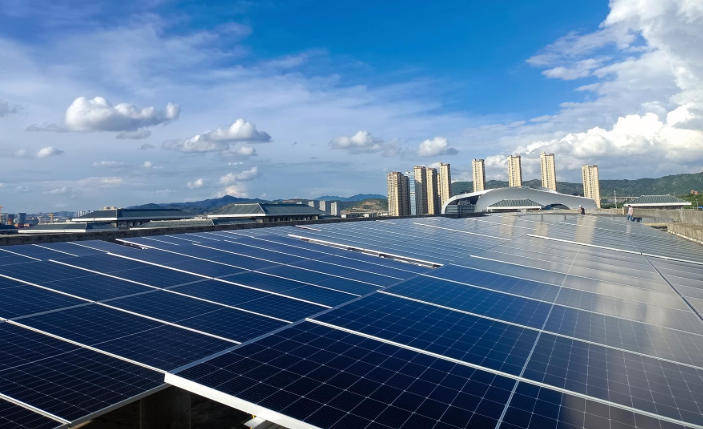
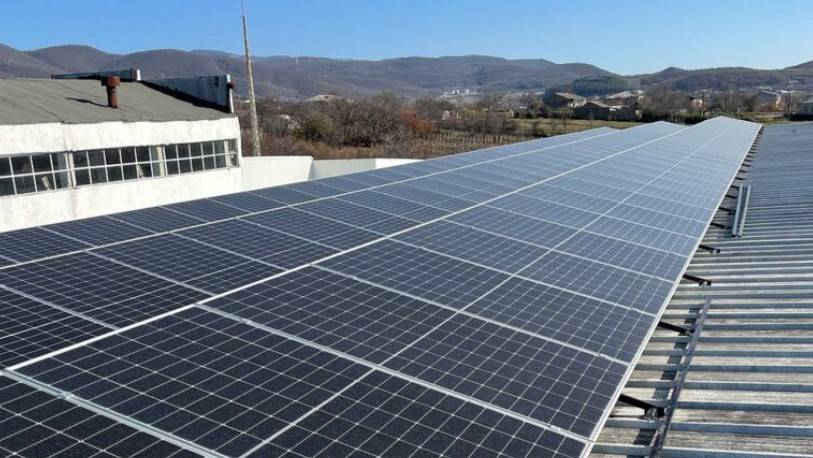
Wedoany.com Report-Aug. 17, Lithuania added 240 MW of solar capacity in the first six months of 2025, bringing the nation’s total installed solar capacity to 2,230 MW. The residential sector remains the dominant segment, contributing 1,230 MW, or over half of the total capacity. The commercial and industrial (C&I) sector accounts for 520 MW, while large-scale solar projects make up 480 MW.
Juras Ulbikas, research director at the Vilnius-based Applied Research Institute for Prospective Technologies, spoke with pv magazine about the factors driving Lithuania’s solar growth. He stated: “The very attractive prices of solar modules and inverters and a user-friendly environment for both households and developers continue to be among the main drivers for Lithuania's solar market.” Financial incentives, covering up to 30% of investment costs, further support residential and small commercial photovoltaic (PV) installations.
Net-metering remains available for residential solar users, with the government committing to maintain the system until 2030, according to Ulbikas. For businesses, a transition to net-billing began earlier this year. While the utility-scale segment is the smallest, significant progress was made with projects like a 100 MW solar plant operated by developer MolSolar, which came online in the first half of 2025. Although Lithuania currently lacks solar auctions, the Ministry of Energy is reportedly developing a Contracts for Difference (CfD) system to support large-scale solar projects.
To further accelerate solar adoption, Ulbikas recommended streamlining permitting processes. He noted: “The country’s National Energy Regulatory Council is near a decision to allow up to 250 kW of PV without permits.” He also proposed establishing a one-stop shop to simplify permit applications and grid connections, which could enhance efficiency for developers.
Looking ahead, Ulbikas forecasted that Lithuania will install approximately 270 MW of solar capacity in the second half of 2025, increasing the national total to around 2.5 GW. This follows a record-breaking 2024, during which Lithuania added 870 MW of new solar capacity. The combination of supportive policies, cost-competitive technology, and planned regulatory improvements positions Lithuania’s solar market for continued growth, reinforcing its role in the country’s renewable energy landscape.