ByteDance's Seedance 2.0 Video Generation Model Sparks Controversy: AI Video Quality Improvements Still Mired in "Garbage Content" Vortex
Wedoany.com Report on Feb 25th, Irish filmmaker Ruairí Robinson recently released a series of short films created using ByteDance's Seedance 2.0 model. These videos appear superior in visual quality compared to other generative AI products. The clips feature a digital likeness of Tom Cruise interacting with Brad Pitt, robots, and zombies, with smooth, natural movements and striking visual effects.
As these AI-generated videos spread widely online, several major Hollywood studios, including Disney, Paramount, and Netflix, have sent cease and desist letters to ByteDance, accusing it of copyright infringement. ByteDance responded by stating it would strengthen measures to protect intellectual property, but has not yet released a version of Seedance that can completely prevent the generation of unauthorized content.
Although Seedance 2.0's videos represent a technical breakthrough in areas like motion and sound design, their core still relies on imitating existing works. This has led to criticism of the model as a "garbage content" generator. Generative AI videos often lack direct artistic intent, merely simulating a sense of narrative through the programmatic processing of training data.
The short film "Jia Zhangke's Dance" by Chinese director Jia Zhangke demonstrates how Seedance 2.0 can be used to create relatively complete works. This film explores the nature of AI creation through meta-narrative. While it is smoother than tools of its kind, background characters still exhibit continuity errors, exposing the limitations of AI video generation.
Filmmakers can use techniques to circumvent the shortcomings of AI technology, such as editing short shots to create a coherent effect. However, this does not fundamentally change the fact that generative AI videos rely on infringing data. ByteDance has paused the release of the Seedance 2.0 API due to training data issues, highlighting the industry's challenges in intellectual property protection.
To shed the "garbage content" label, AI video generation companies need to prove their models can create original content based on legally licensed data. Currently, companies like Adobe are developing "IP-safe" models. However, before high-quality works can be consistently produced, the field of AI video generation will continue to face the dual challenges of quality and infringement.
Related Products




20 Inch 1600*900 Full HD 60Hz TFT LED Monitor with VGA and DP Interfaces for Desktop Computers-Business Use
Guangzhou Zanying Optoelectronics Technology Co., Ltd.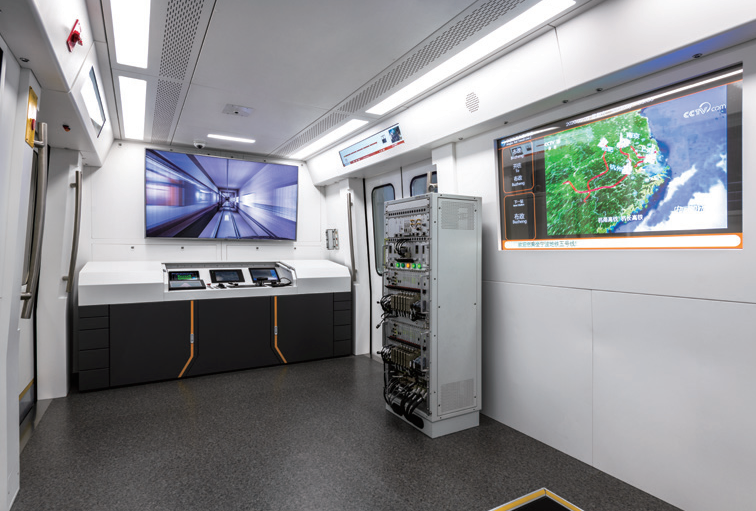


KJD127(A) Mining Explosion-Proof and Intrinsically Safe Computer
Taiyuan Xiangming Intelligent Control Technology Co., Ltd.
Comprehensive Mining Automation Control System
Beijing Tianma Intelligent Control Technology Co., Ltd.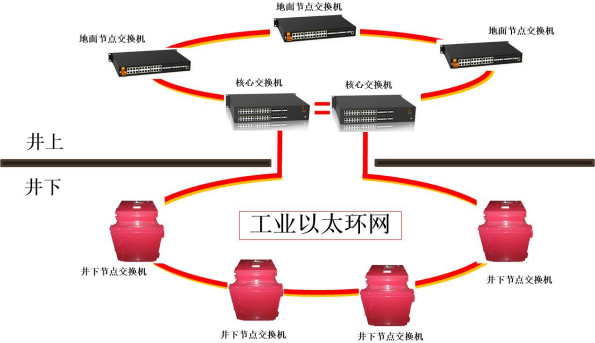
Mine Explosion-proof and Intrinsically Safe Industrial Ethernet Ring Network (10 Gigabit/Gigabit)
Chongqing Mas Sci&Tech Co., Ltd.

MUX Series Communication Interface Device for Security and Stability Control System
Nanjing NR Electric Co., Ltd.
GYTA Type Non-Self-Supporting Aerial/Duct Optical Cable
TONGDING INTERCONNECTION INFORMATION CO., LTD.