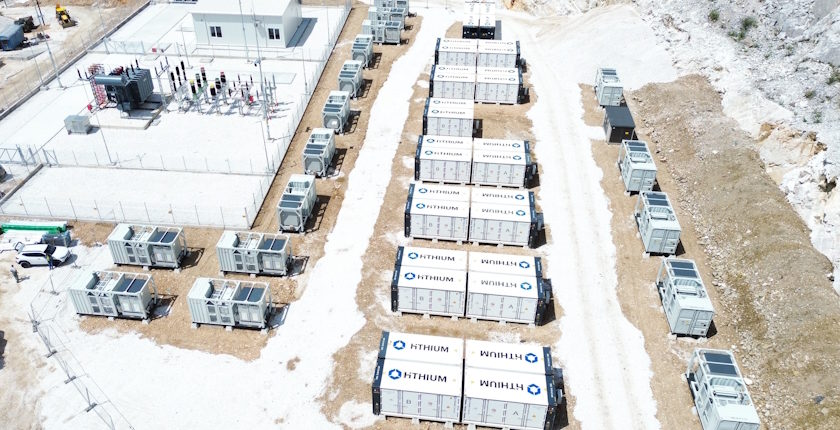
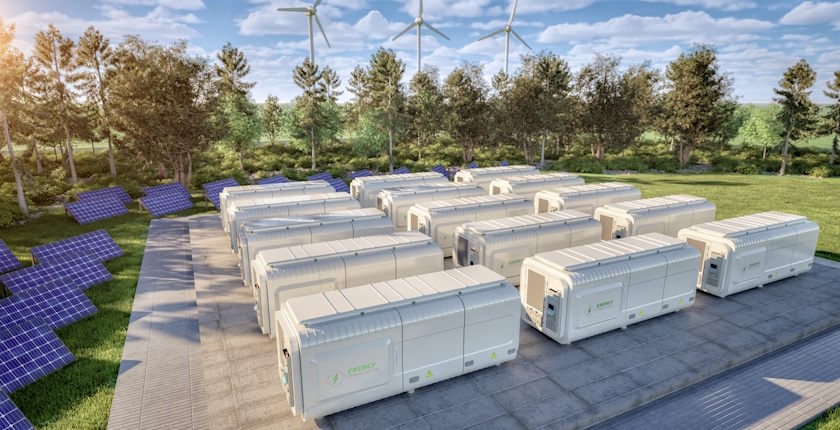
Wedoany.com Report-Sept. 16, Salt River Project (SRP) and Google have launched a research collaboration to study the real-world performance of emerging non-lithium-ion long duration energy storage (LDES) technologies, aiming to accelerate large-scale deployment. Google will fund part of the costs for LDES pilot projects on SRP’s grid, analyze operational performance data, and provide input on research and testing plans.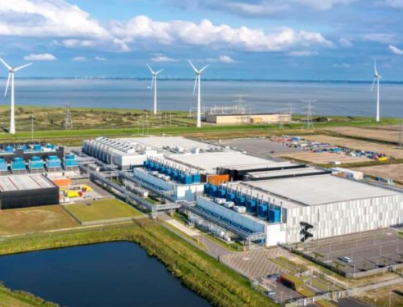
A Google data center
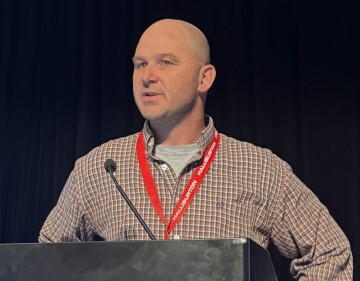
Chico Hunter, SRP Manager of Innovation and Development, said: “We believe that long duration energy storage will play an essential role in meeting SRP’s sustainability goals and ensuring grid reliability. This first-of-its-kind research collaboration with Google will bring additional insight into the viability of these new technologies that could move them to maturity more quickly.”
SRP, a not-for-profit utility serving more than 2 million people in central Arizona, is targeting net-zero carbon emissions by 2050. Google is pursuing 24/7 carbon-free energy for its global data centers and offices and net-zero emissions across its operations and value chain. Lucia Tian, Head of Advanced Energy Technologies at Google, said: “Long duration energy storage is a key technology in the portfolio of advanced energy solutions that we want to bring to market faster — to unlock stronger, cleaner, more resilient grids. Through our collaboration with SRP, we aim to accelerate the innovation and technological advancements necessary to deploy LDES solutions at scale so communities in Arizona and beyond can meet their power needs reliably and cost-effectively for years to come.”
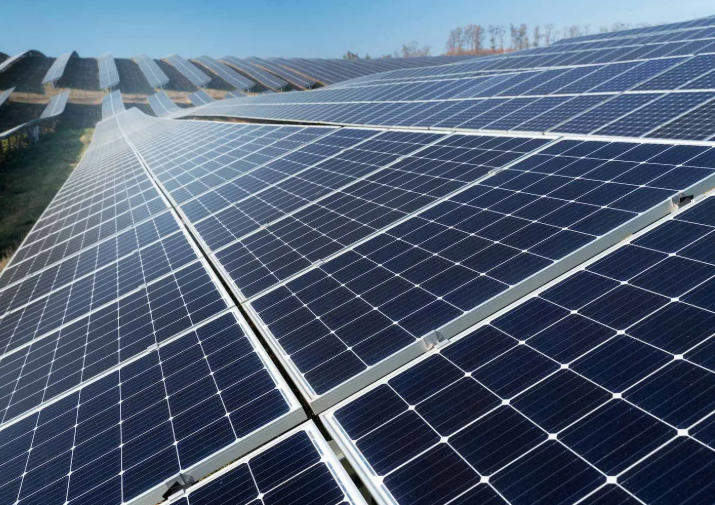
SRP issued RFPs in 2022 and 2024 for LDES demonstration projects and will explore including multiple projects under this collaboration. Google and SRP have previously partnered on several facilities to support Google’s future data center in Mesa, Arizona. These include Sonoran Solar Energy Center (260MW solar with 1GWh battery), Storey Energy Center (88MW solar with battery storage), and Babbitt Ranch Energy Center (161MW wind). These projects are projected to allow Google’s Arizona operations to reach at least 80% carbon-free energy hourly by 2026.
SRP plans to at least double its generating resources in the next 10 years to maintain top-tier reliability and resilience in the Phoenix metropolitan area. The utility currently operates nearly 1,300MW of energy storage, including 1,100MW of battery storage across eight facilities and 200MW of pumped hydro storage.
Research from the US National Renewable Energy Laboratory indicates the country could require 125–680GW of long-duration storage capacity (up to 12 hours) by 2050 to support a renewable-dependent grid. Challenges remain as current market structures do not adequately reward storage beyond four hours, while technical complexity and high capital costs continue to limit adoption.
This collaboration between SRP and Google represents a strategic step to overcome these hurdles, test new LDES technologies, and support sustainable, reliable, and scalable energy solutions for Arizona and beyond.