Lag in Ukrainian Grain Exports From Last Year’s Figure Reached 5 Mln Tons
Wedoany.com Report-Oct. 25, Ukraine's grain and leguminous crop exports for the 2025/26 marketing year reached 8.3 million tons as of October 22, according to data from the State Customs Service. This figure represents a decrease of nearly 5 million tons, or 38%, compared to the same period in the previous season, reflecting adjustments in production and market dynamics.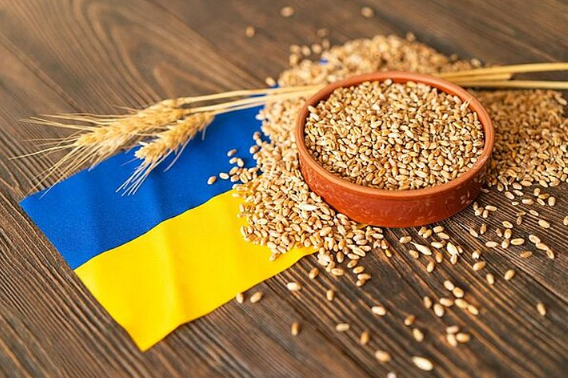
Wheat shipments totaled 5.8 million tons, marking a 21% reduction from last year's levels. This staple crop continues to form the bulk of Ukraine's agricultural outflows, supporting global food supplies despite the lower volume. Barley exports stood at over 1 million tons, down 39% from the prior season's equivalent date. The decline highlights shifts in demand and harvest outcomes for this feed grain.
Rye exports were notably limited, amounting to just 0.2 thousand tons—a tenfold drop from the 10.6 thousand tons recorded at this stage last year. Corn shipments reached 1.3 million tons, which is one-third of the previous season's volume, influenced by factors such as weather patterns and logistical considerations. Additionally, flour exports from Ukraine totaled 19.5 thousand tons, a 16% decrease year-over-year, affecting processed grain trade.
For context, the full 2024/25 marketing year saw total grain and leguminous crop exports of 40.6 million tons. This included 15.7 million tons of wheat, 2.3 million tons of barley, 10.8 thousand tons of rye, 22 million tons of corn, and 71.1 thousand tons of flour. These benchmarks underscore Ukraine's established role in international grain markets, even as current figures indicate a slower start to the new cycle.
The reductions in export volumes stem from various operational elements, including harvest yields and transportation routes. Ukraine's agricultural sector remains resilient, with ongoing efforts to optimize storage and distribution networks. Early-season data suggests potential for stabilization as the marketing year progresses, particularly if favorable conditions support later shipments.
Broader implications for global markets include moderated supply pressures on key commodities. Wheat and corn, as primary exports, influence pricing and availability for importing nations. The leguminous crop segment, though smaller, contributes to diversified trade. Ukrainian officials continue to monitor these trends through customs records, ensuring accurate reporting for stakeholders.
As the 2025/26 season unfolds, focus remains on enhancing efficiency in export corridors. This includes alternative pathways that have sustained flows amid challenges. The data as of October 22 provides a snapshot of progress, with expectations for incremental growth in subsequent months. Ukraine's contributions to world food security persist, balancing domestic needs with international commitments.
In summary, while volumes are lower than the previous year, the foundational strengths of Ukraine's grain sector support steady engagement in global trade. Continued tracking by the State Customs Service will offer further insights into seasonal performance.
Related Products




714CD Series C-Band Weather Radar
Chengdu Zhongdian Jinjiang Information Industry Co., Ltd.
Industrial and Commercial Point-Type Gas Detector
Jinan Benan Technology Development Co., Ltd.

4HS-8 High-efficiency Peanut Inverted-laying Harvester
Hebei Yongfa Hongtian Agricultural Machinery Manufacturing Co., Ltd.