Malaysia’s Palm Oil Production Will Reach 20 Mln Tons for the First Time
Wedoany.com Report-Dec.12, Malaysia's palm oil production is projected to surpass 20 million tonnes in 2025 for the first time on record, according to trade and industry sources cited by Reuters. The milestone, driven by supportive weather conditions, enhanced labour availability and contributions from higher-yielding new plantations, exceeds the Malaysian Palm Oil Board's (MPOB) official estimate of 19.5 million tonnes.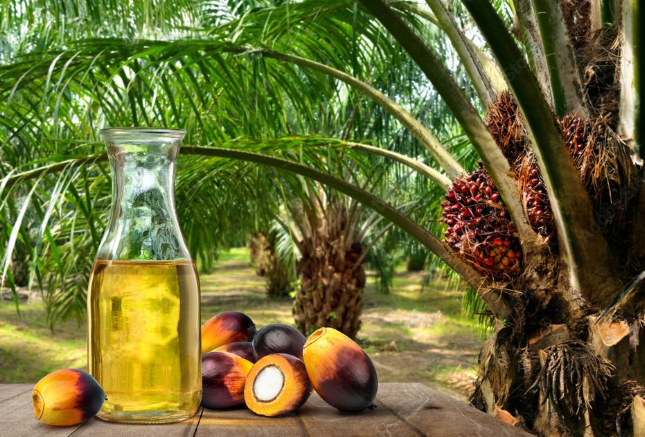
As the world's second-largest palm oil producer, Malaysia's expanded output is anticipated to bolster end-of-year inventories, potentially exerting downward pressure on benchmark futures, which have already declined to a five-month low. In October, monthly production climbed 11% from the previous month to 2.04 million tonnes, the highest level since August 2015, per MPOB data.
Inventories reached 2.84 million tonnes in November, the highest in more than 6.5 years, primarily due to subdued export volumes. Although shipments are expected to strengthen in the coming months, stocks are forecasted to climb further, possibly hitting 3 million tonnes by December's end. This accumulation reflects seasonal production peaks and persistent demand dynamics in the global edible oils sector.
Despite the inventory buildup, analysts indicate that a supply shortfall in the international vegetable oil market, which surfaced earlier in 2025, will persist into 2026. The deficit stems from weather-related disruptions in competing oilseed regions and steady consumption growth worldwide.
The planted area for oil palm in Malaysia continues to expand gradually, underpinning long-term production potential. As of mid-2025, mature acreage stood at approximately 5.15 million hectares, incorporating both registered estates and smallholder plots. This growth supports sustainable yield improvements through better agronomic practices and varietal advancements.
The sector's performance aligns with broader efforts to enhance efficiency amid fluctuating global prices. Palm oil remains a staple in food processing, cosmetics and biofuels, with Malaysia's exports directed mainly to India, China and the European Union. The anticipated record harvest underscores the crop's resilience, even as end-users monitor inventory levels closely for pricing signals.
Overall, the 2025 outlook positions Malaysia to meet rising international needs while navigating domestic stock management. MPOB's forthcoming annual review in January will provide refined figures based on year-end data.
Related Products


Industrial and Commercial Point-Type Gas Detector
Jinan Benan Technology Development Co., Ltd.
714CD Series C-Band Weather Radar
Chengdu Zhongdian Jinjiang Information Industry Co., Ltd.

4HS-8 High-efficiency Peanut Inverted-laying Harvester
Hebei Yongfa Hongtian Agricultural Machinery Manufacturing Co., Ltd.