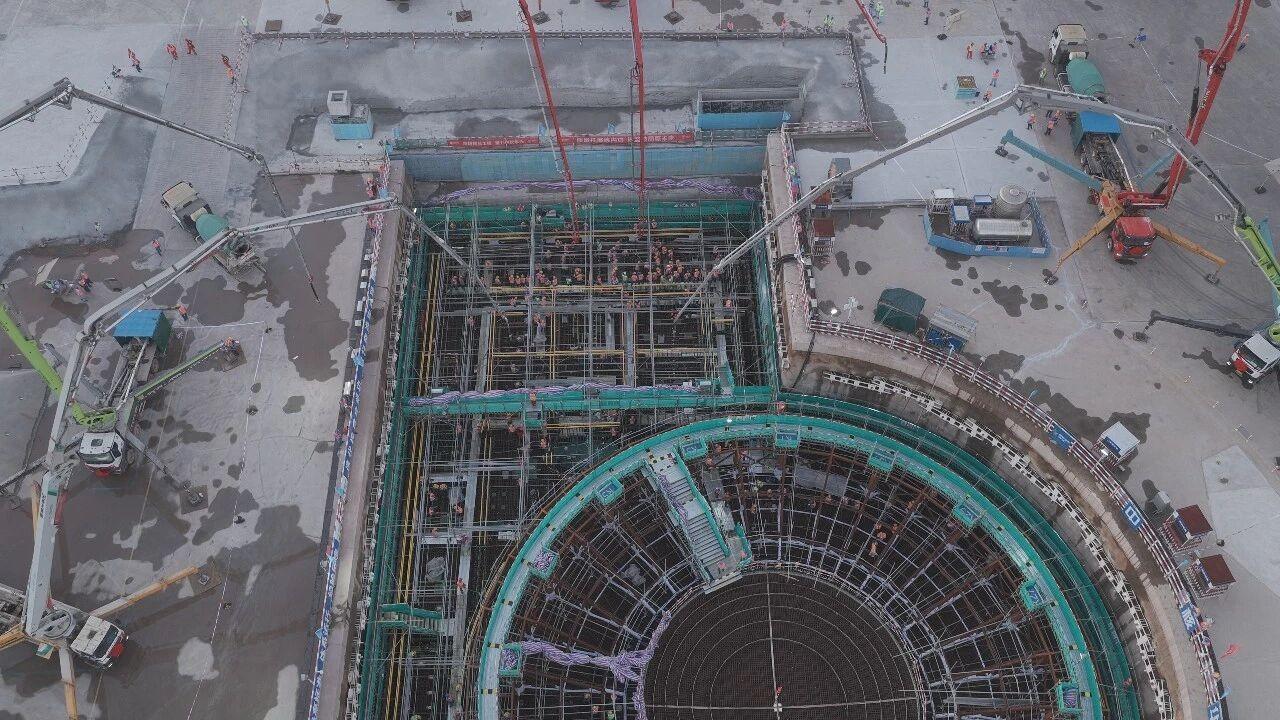
India’s Atomic Energy Bill Tabled in Parliament
Wedoany.com Report-Dec.21, On December 12, 2025, Minister of State Jitendra Singh introduced the Sustainable Harnessing and Advancement of Nuclear Energy for Transforming India Bill, 2025, or SHANTI, in the Indian parliament. Approved by the cabinet on the same day, the proposed legislation aims to replace the Atomic Energy Act, 1962, and the Civil Liability for Nuclear Damage Act, 2010, with a unified framework tailored to India's current and future energy demands.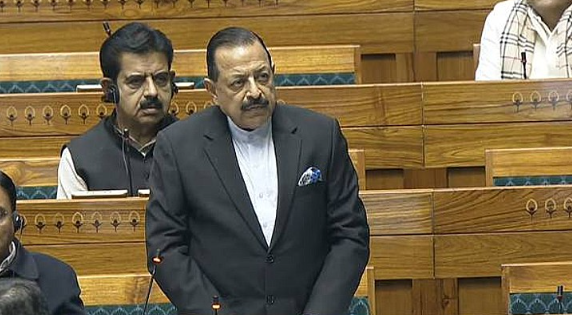
"According to the Statement of Objects and Reasons accompanying the Bill, sustained research and development have enabled India to achieve self-reliance across the nuclear fuel cycle and to operate its nuclear power programme in a responsible manner. With this experience in place, the government sees scope to significantly enhance nuclear installed capacity to support clean energy security and provide reliable round-the-clock power for emerging needs such as data centres and future-ready applications," stated the Department of Atomic Energy.
The bill supports India's ambition to reach 100 gigawatts of nuclear power capacity by 2047, emphasizing the need for greater utilization of domestic nuclear resources and collaboration between public and private sectors. It also positions India as a contributor to the global nuclear energy landscape while advancing decarbonization objectives.
The legislation outlines provisions for licensing and regulating nuclear and radiation technologies across sectors like healthcare, agriculture, industry, and research. It introduces an updated civil liability framework for nuclear damage, grants statutory recognition to the Atomic Energy Regulatory Board, and strengthens protocols for safety, security, quality assurance, and emergency preparedness.
Private companies, including joint ventures, will be permitted to apply for licenses to establish and operate nuclear facilities and handle nuclear fuel transportation. However, activities such as uranium enrichment, used fuel management, and heavy water production will remain under central government control.
"By introducing the Bill, the government has signalled its intent to modernise nuclear governance in line with India's energy transition, technological progress and international obligations," the Department of Atomic Energy noted. "The proposed legislation seeks to balance expansion of nuclear energy with safety, accountability and public interest, placing nuclear power within the broader national effort towards energy security and a lower-carbon future."
India currently operates 24 nuclear reactors with a combined capacity of 7,943 megawatts, has six reactors under construction totaling 4,768 megawatts, and plans for an additional 10 units with approximately 7 gigawatts in early development stages. The SHANTI Bill facilitates private sector involvement, previously restricted under the 1962 law, to accelerate capacity growth and support sustainable energy objectives.
This legislative step reflects a structured approach to modernizing nuclear infrastructure, ensuring alignment with global standards while addressing domestic energy needs through diversified participation.
Related Products

Perfluorinated Ionic Membrane-CM-10N Series Membrane
Guizhou Juneng Century Technology Co., Ltd

Double-slide Triple-sealed Hot Air Isolation Door
Xi'an Yingchuan Electric Power Equipment Co., Ltd.
Pneumatic high-pressure wear-resistant ball valve
Zhejiang Deca Control Valve Meter Co., Ltd.

Modular Multifunctional Water Supply and Drainage Vehicle (18T)
Changsha Dewater Machinery Technology Co., Ltd.
TAI Slew-drive Single-axis Independent 1P Tracking Bracket System
ANTAI TECHNOLOGY CO., LTD.

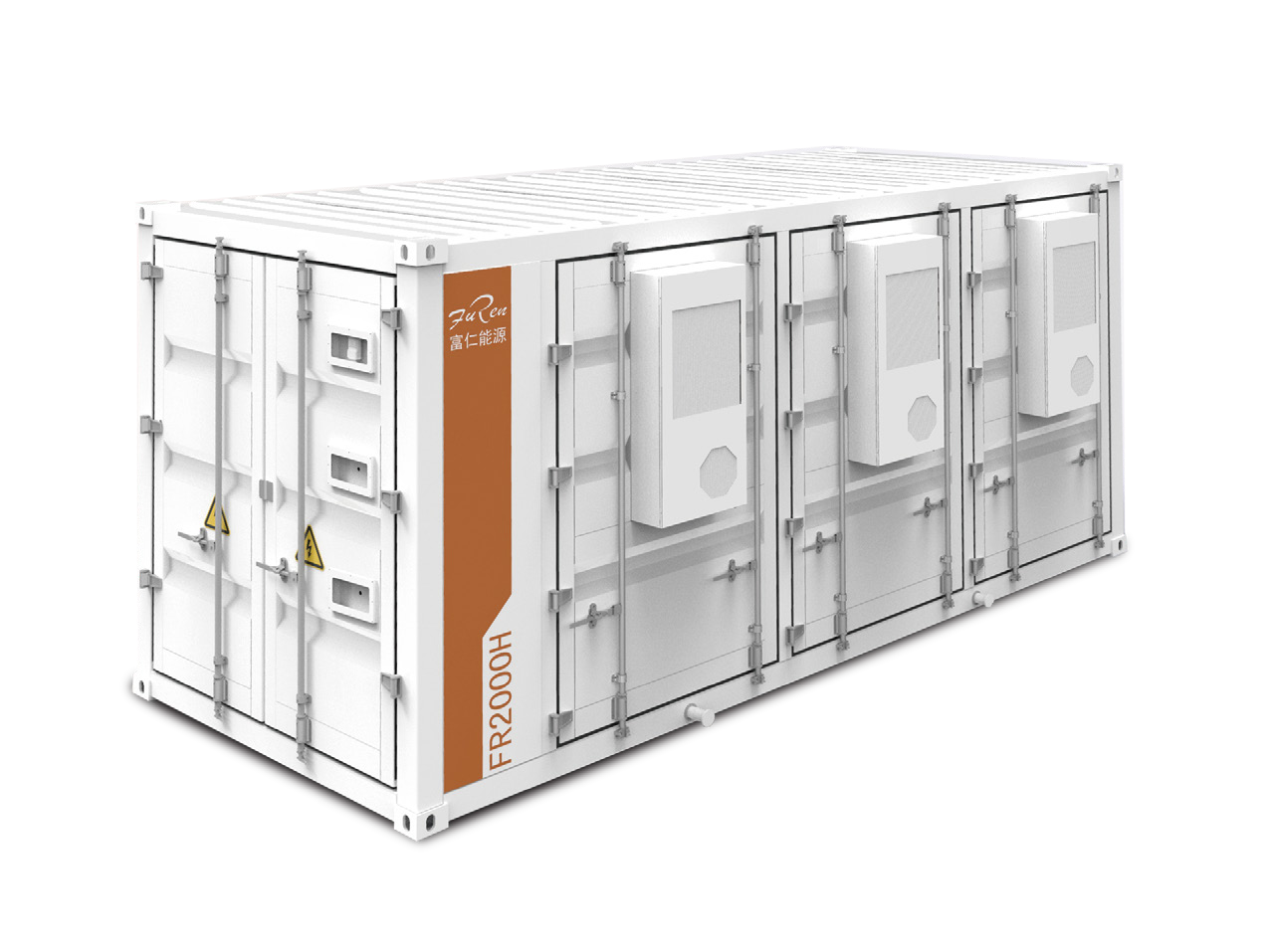
FR2000H 2.15MWh (Air-cooled) 20-foot Containerized Energy Storage System
Jiangyin Furen High-tech Co., Ltd.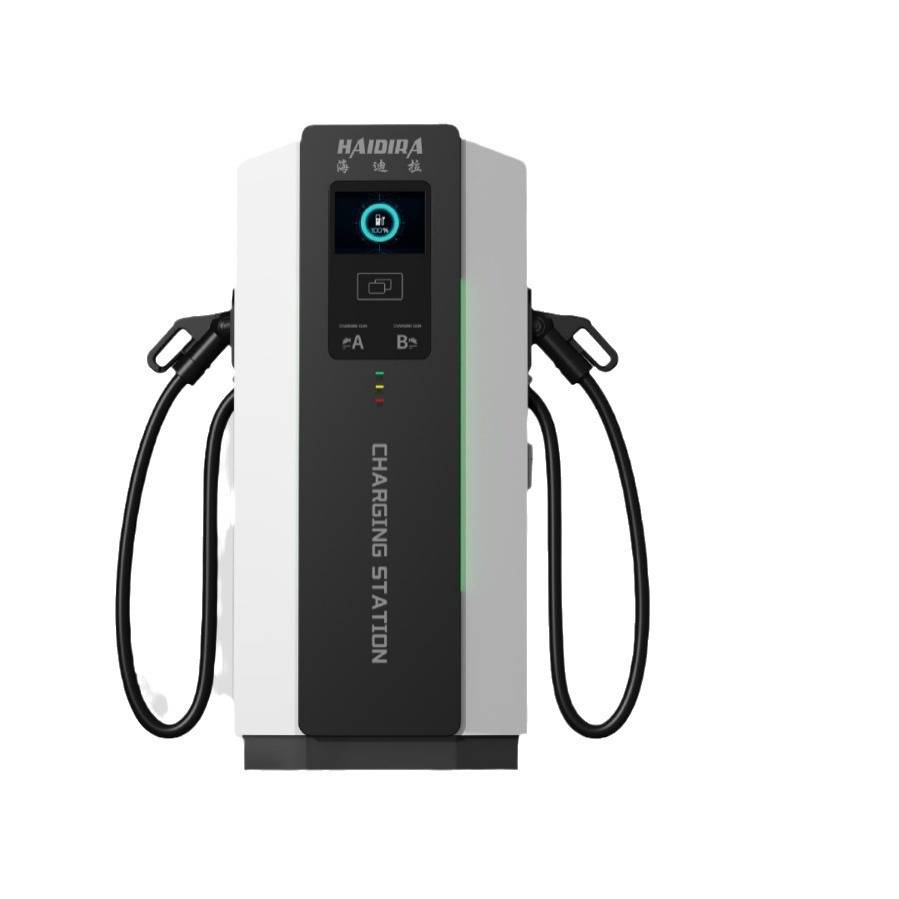
Manufacturer Direct Sales Tesla New Energy Electric Vehicle Universal DC 180kW Dual-gun Charging Pile Commercial Fast Charger
Anhui Haidira Electric Technology Co., Ltd.