Malaysia to Keep Zero Expansion Policy for Palm Oil
Wedoany.com Report-Dec.17, Malaysia has reaffirmed its commitment to a zero-expansion approach for palm oil plantations, prioritizing replanting initiatives, yield improvements, and innovation to ensure the sector's enduring viability and contribution to export revenues.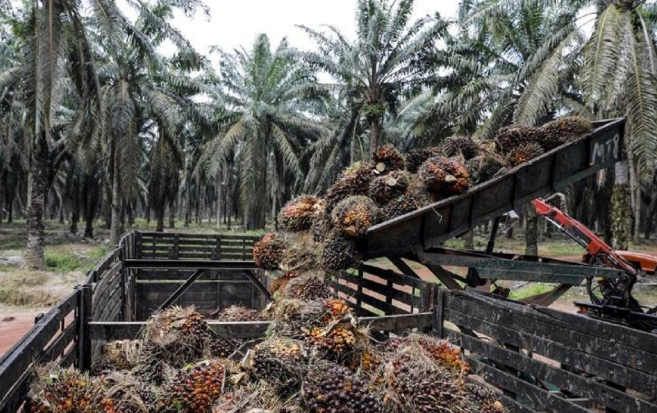
Plantation and Commodities Minister Datuk Seri Johari Abdul Ghani indicated that the industry enters 2026 on stable ground, supported by robust international demand, advanced downstream processing, and favorable pricing levels, even without additional plantation development.
"We stop deforestation. We are now focusing on what we already have by increasing yields through good planting material, good agricultural practices and technology," he told reporters after attending Malaysian Palm Oil Board (MPOB) Awards at its headquarters today.
Approximately one-quarter of existing oil palm trees have passed their optimal productive age, underscoring the importance of replanting to maintain production volumes within current land boundaries.
"The way forward is replanting, but it must be done in a staggered manner so planters can still maintain income," he said.
To facilitate this process, the government provides RM100 million each year to aid independent smallholders in replanting activities. Without such support, reduced productivity could affect their economic stability.
"If we don't help them, they cannot put food on the table to take care of their families," he said.
Regarding revenue policies, Johari noted that introducing a windfall profit levy presents difficulties, given ongoing subsidies for household cooking oil.
"We are subsidising about RM1.4 billion for cooking oil, so the windfall tax is effectively offset by what we give back to the rakyat," he said.
Current palm oil prices are sustained above RM4,000 per tonne, a notable increase from earlier ranges of RM1,800 to RM2,000 per tonne, driven by expanded utilization in industrial and specialized non-food sectors.
Johari emphasized that ongoing research efforts by the Malaysian Palm Oil Board will play a pivotal role in identifying novel applications, helping the industry remain competitive amid evolving global standards for responsible production.
This strategy centers on maximizing efficiency from established areas through superior agronomic methods and technological integration, avoiding further land conversion.
Replanting programs, conducted gradually, allow growers to preserve cash flow while refreshing plantations with higher-performing varieties.
Financial assistance targeted at smallholders addresses barriers to adoption, safeguarding rural incomes tied to the crop.
The balanced fiscal approach recognizes the interplay between industry earnings and consumer affordability through continued support for essential goods.
Elevated price levels reflect diversified demand beyond traditional edible uses, including materials for manufacturing and energy-related products.
Investment in development ensures adaptability, opening pathways for palm oil derivatives in emerging markets while aligning with international expectations for environmental stewardship.
By concentrating on intensification rather than extension, Malaysia sustains its position as a major supplier, contributing reliably to global vegetable oil supplies.
The emphasis on research-driven progress positions the sector for resilient growth, balancing economic objectives with resource conservation.
Overall, these measures foster a mature industry model that enhances output per hectare, supports livelihoods, and meets multifaceted market requirements effectively.
Related Products



4HS-8 High-efficiency Peanut Inverted-laying Harvester
Hebei Yongfa Hongtian Agricultural Machinery Manufacturing Co., Ltd.
714CD Series C-Band Weather Radar
Chengdu Zhongdian Jinjiang Information Industry Co., Ltd.
Industrial and Commercial Point-Type Gas Detector
Jinan Benan Technology Development Co., Ltd.