Saudi Arabia Wheat Imports to Fall, Barley Imports to Surge in 2025-26
Wedoany.com Report-Dec.17, Saudi Arabia's wheat imports for the 2025-26 marketing year are projected to decline by 10 percent, reaching an estimated 3.1 million tonnes compared to 3.402 million tonnes in the previous period, as outlined in a report from the Foreign Agricultural Service of the United States Department of Agriculture.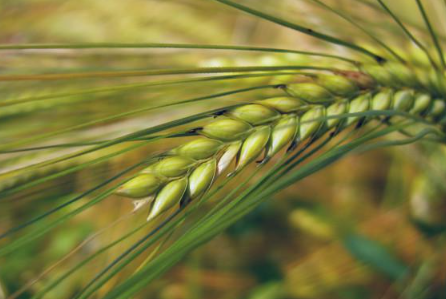
Key suppliers include Russia, Brazil, Uruguay, and Bulgaria.
Local wheat output is anticipated to total 1.1 million tonnes. The Ministry of Environment, Water, and Agriculture supports this through a set procurement rate of 1,750 SAR ($467) per tonne. “This pricing strategy aims to shift the farmers focus away from water intensive alfalfa hay, which has historically offered higher profitability,” the FAS said.
Barley imports, however, are forecasted to rise substantially, from 1.9 million tonnes in 2024-25 to 4.2 million tonnes in 2025-26. "Imported barley in Saudi Arabia is used exclusively for animal feed, and a small quantity is used for brewing nonalcoholic beer," the FAS report stated.
This growth stems from favorable international pricing amid increased global availability, encouraging greater purchases. Additional factors include initiatives to expand livestock sectors in support of food supply stability. Leading sources comprise Argentina, Russia, Romania, Australia, and Turkey.
Corn requirements remain robust, driven by ongoing development in poultry farming and feed processing facilities within the country. Supplies primarily originate from Latin America and North America, with the United States prominent due to advantageous costs and reliable standards.
These projections reflect adjustments in import volumes across grains, influenced by domestic production incentives, market price dynamics, and strategic priorities in agriculture and animal husbandry.
The wheat reduction aligns with efforts to optimize water resources by encouraging crops with lower irrigation needs, while maintaining overall grain availability through targeted local cultivation.
Elevated procurement pricing for wheat guides planting decisions, promoting shifts from more resource-demanding alternatives like alfalfa.
Barley's expanded role in feed supports growing animal protein production, capitalizing on accessible global supplies.
Corn's steady position underscores its importance in efficient feed formulations, sustaining expansion in efficient poultry operations.
Supplier diversity across regions ensures resilience in procurement, balancing quality, cost, and availability.
The report highlights interconnected trends where policy measures, international market conditions, and sector-specific demands shape import patterns.
By fostering domestic wheat output, authorities aim for balanced self-reliance in staple grains without compromising feed sector needs met through imports.
Lower barley prices present opportunities for cost-effective stocking, aiding livestock program objectives.
Consistent corn sourcing from established partners maintains operational continuity for processors.
Overall, these estimates indicate adaptive strategies in grain management, supporting food-related industries while addressing resource considerations effectively.
Related Products



4HS-8 High-efficiency Peanut Inverted-laying Harvester
Hebei Yongfa Hongtian Agricultural Machinery Manufacturing Co., Ltd.


Industrial and Commercial Point-Type Gas Detector
Jinan Benan Technology Development Co., Ltd.