India Plans $100 Billion Investment in Oil and Gas Sector to Expand Exploration and Refining Capacity
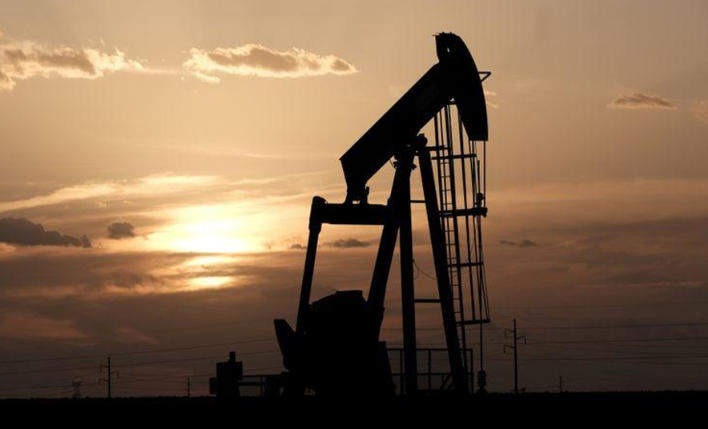
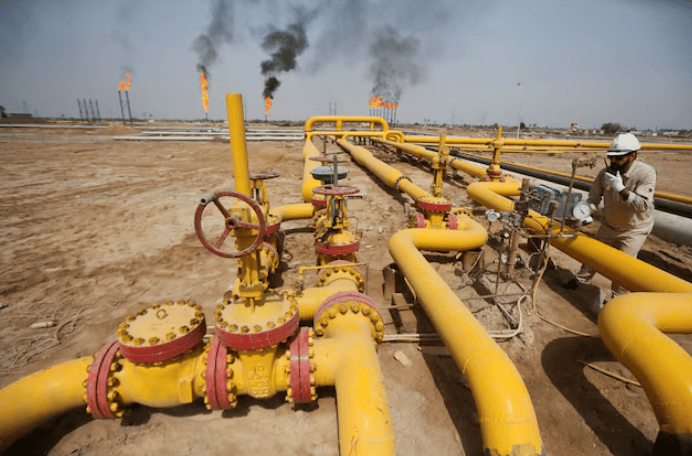
Wedoany.com Report on Feb 2nd, Indian Prime Minister Narendra Modi announced on Tuesday, while inaugurating the fourth edition of India Energy Week 2026 via video conference, that India plans to increase investment in the oil and gas sector to $100 billion by the end of this decade. He emphasized that India is actively engaging in global cooperation across various sectors and pointed out the extensive investment opportunities in the energy field.
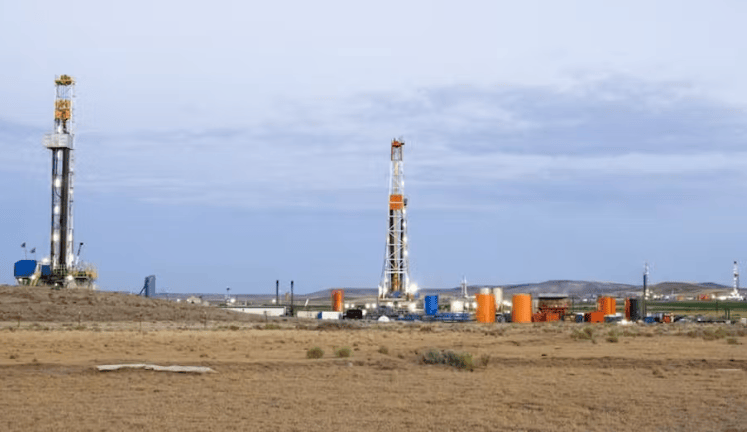
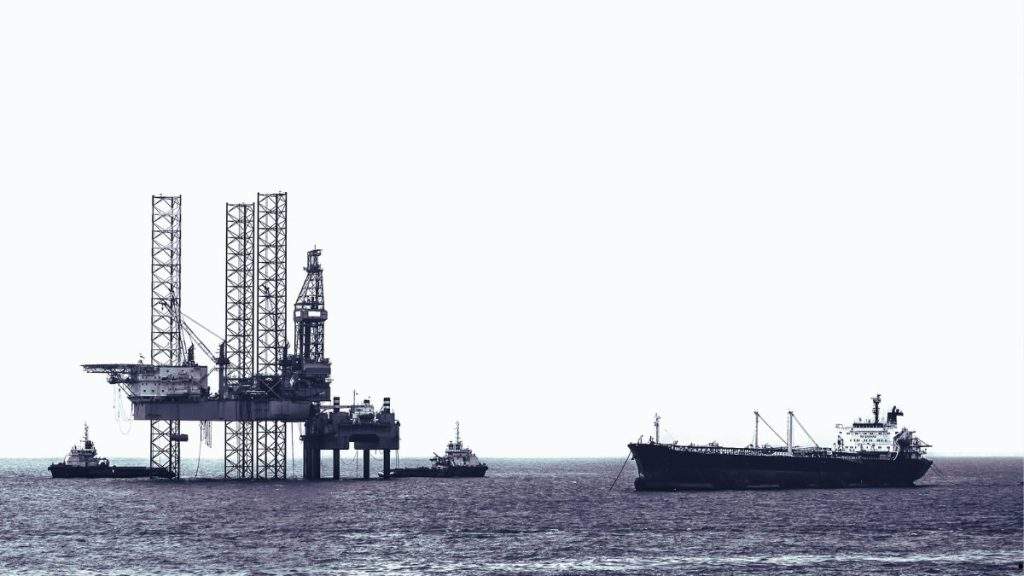
Speaking at the Oil and Natural Gas Corporation in Betul, Goa, Modi revealed plans to expand exploration coverage to one million square kilometers, with over 170 blocks already awarded. He stated, "The Andaman and Nicobar basins are emerging as new hydrocarbon resource areas." India Energy Week has become an international dialogue platform showcasing India's investment potential in the energy sector.
Regarding the development of India's oil and gas industry, Modi noted, "India is among the world's top five exporters of petroleum products, with products sold to over 150 countries." Several reforms have been implemented in the exploration sector, including the reduction of no-go areas for exploration, with recommendations from previous Energy Week editions incorporated into regulatory amendments. He expressed confidence that companies investing in exploration would achieve good returns.
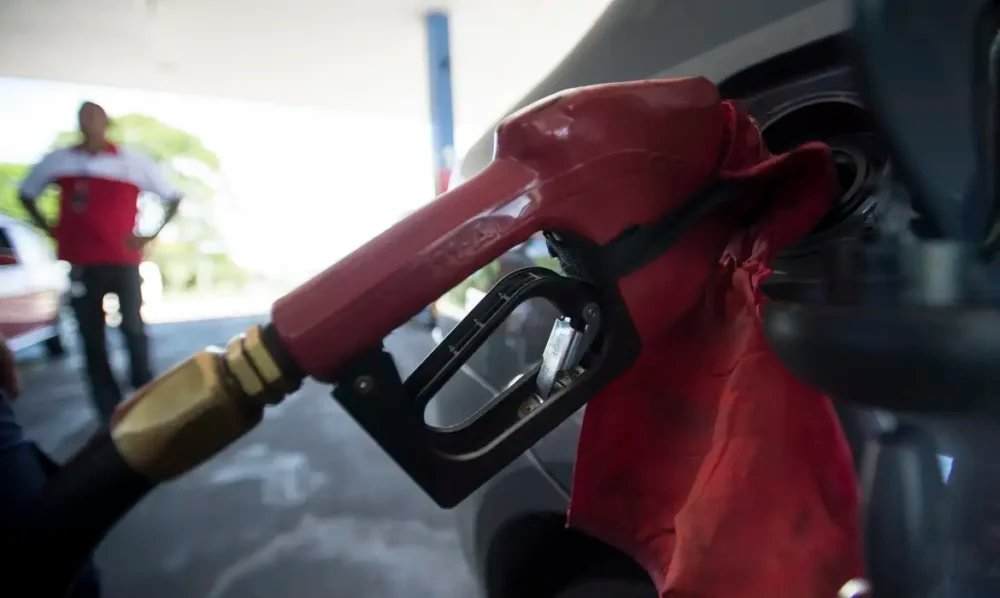
On refining capacity, Modi highlighted that India currently ranks second globally with an annual processing capacity of approximately 260 million tonnes and is striving to increase it to over 300 million tonnes. "India will soon become the country with the world's strongest refining capacity." He added that LNG demand continues to grow, with India aiming to meet 15% of its energy needs through LNG and advancing work across the entire value chain.
To support the development of the oil and gas industry, India has launched a 7 trillion rupee shipbuilding program aimed at constructing LNG carrier vessels domestically. Modi emphasized that significant investment opportunities have been created in building LNG terminals and regasification projects at ports, further driving energy infrastructure development.
Related Products
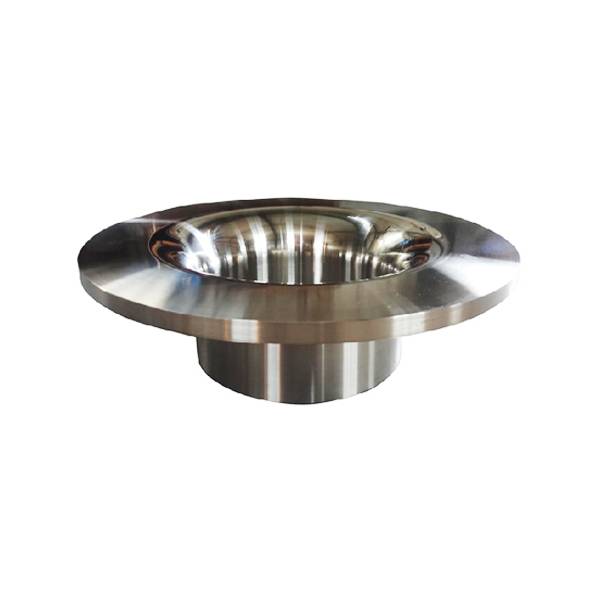

Standard Nozzle Flowmeter
Jinggong Automatic Control Instrument Complete Technology Development Company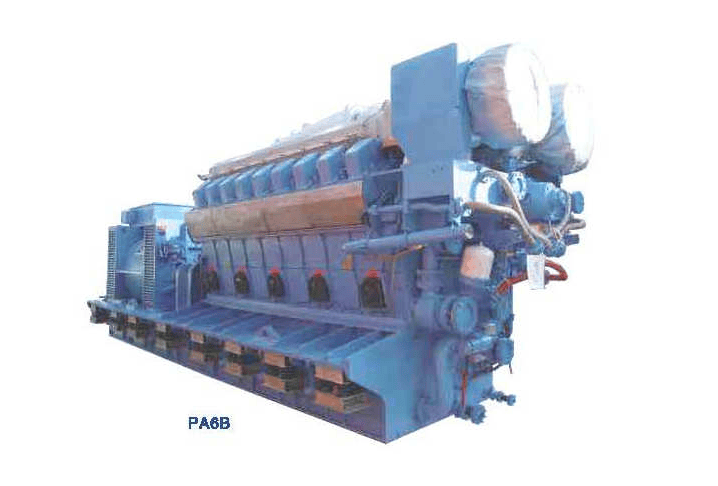
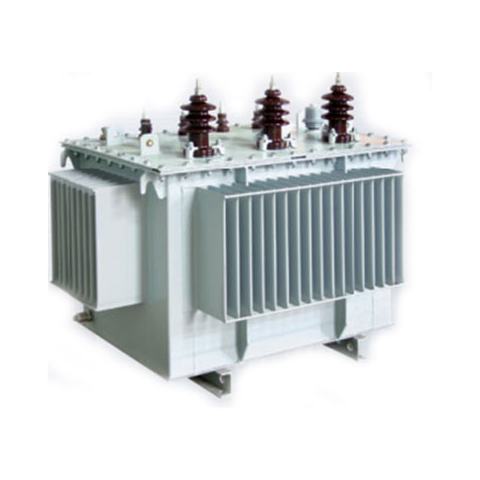
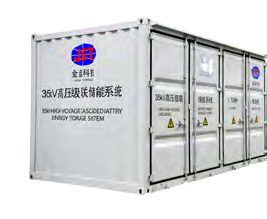
6kV-35kV Medium and High Voltage Direct-Connected Energy Storage System
Hainan Jinpan Smart Technology Co., Ltd.
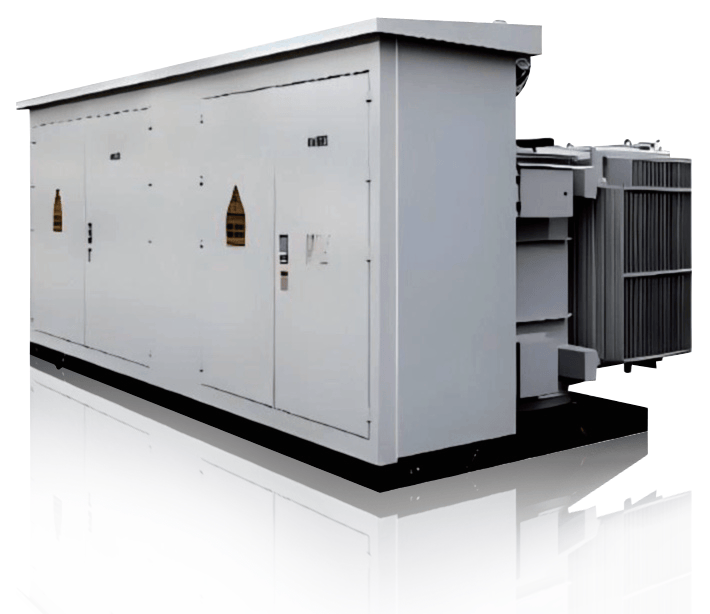
H-40.5/0.4~1.14kV New Energy Power Generation Dedicated High Voltage/Low Voltage Prefabricated Substation
XJ (Xiamen) Intelligent Power Equipment Co., Ltd.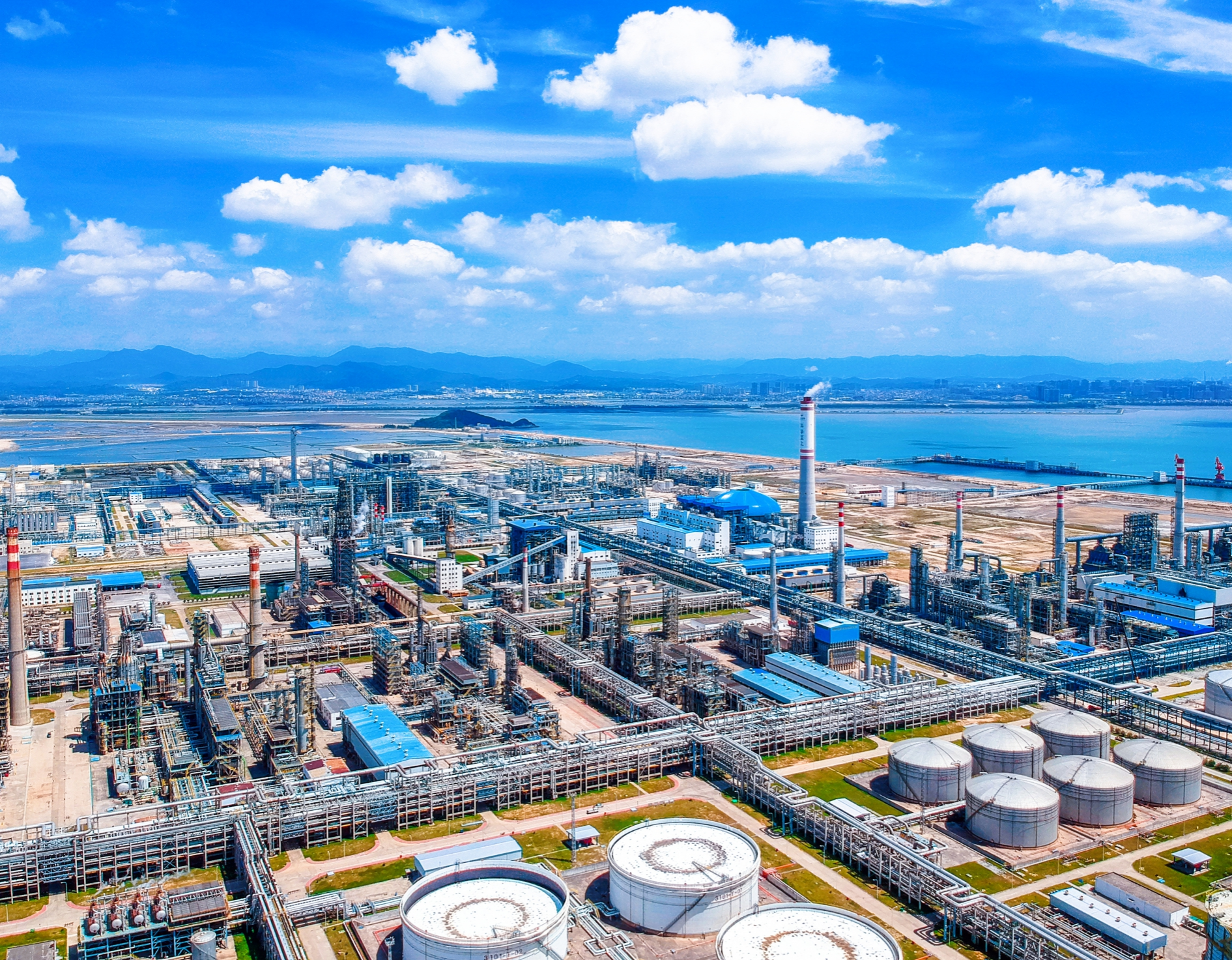
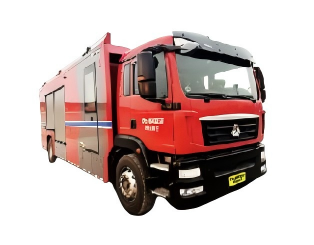
Modular Multifunctional Water Supply and Drainage Vehicle (18T)
Changsha Dewater Machinery Technology Co., Ltd.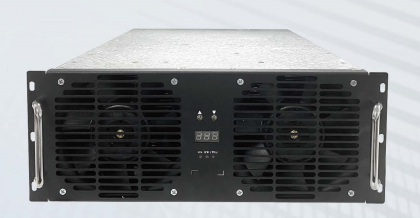
80kW Megawatt Supercharging Module TH80F10030C9
Shijiazhuang Tonhe Electronics Technologies Co., Ltd.