Ethanol Capacity Grows but Distilleries Face Profit Squeeze, Supply Glut Pressure Highlights
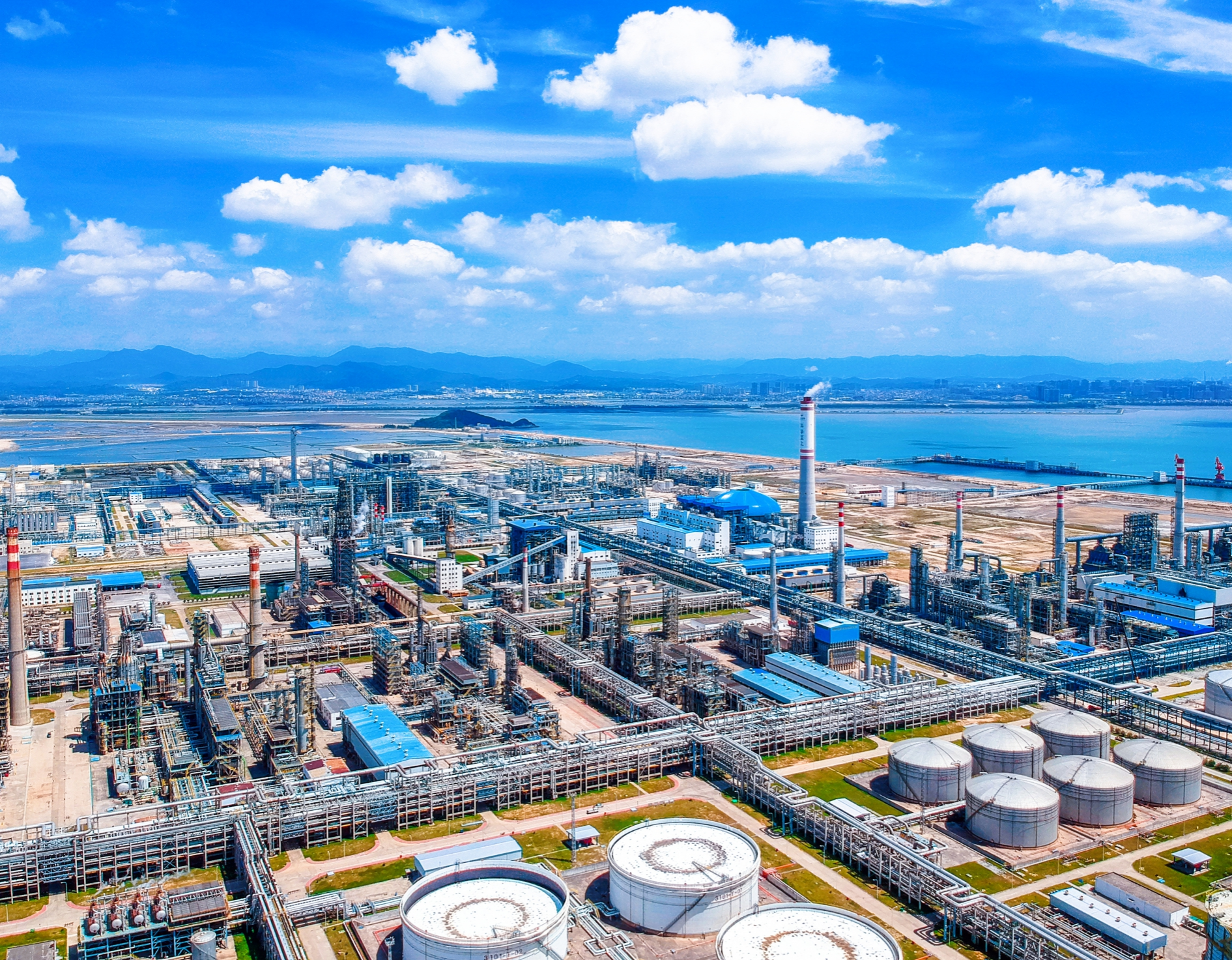
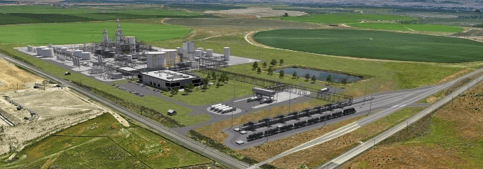
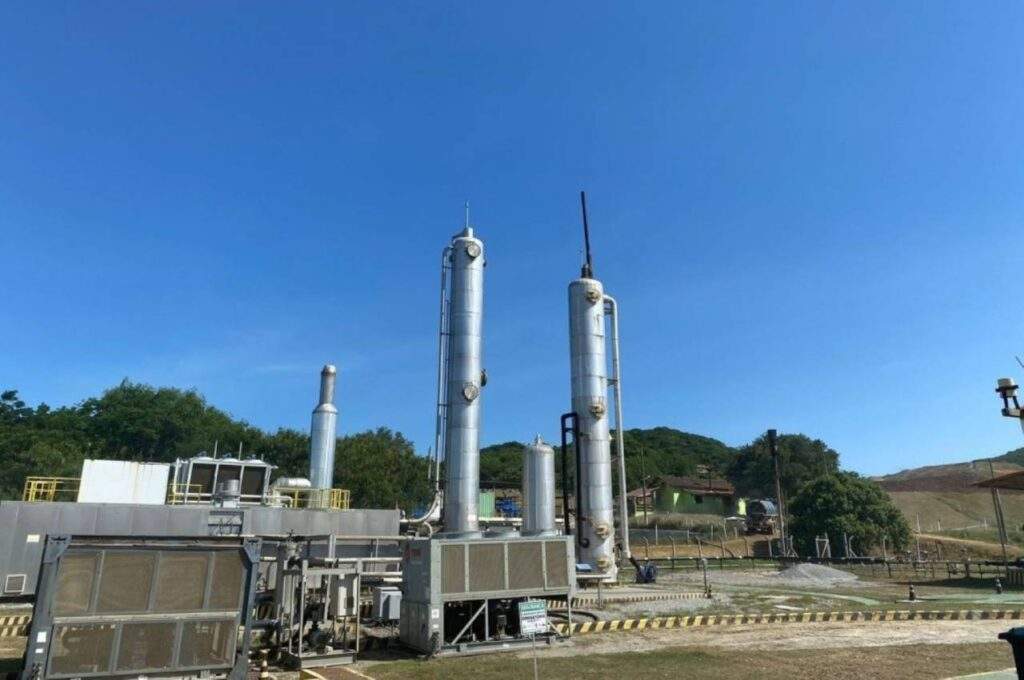
Ethanol production capacity continues to grow, but due to market oversupply, distillery utilization rates are expected to remain under pressure. Although state-owned oil marketing companies' ethanol procurement is projected to increase only slightly this year, new production facilities are still coming online. Industry executives warn that the supply glut is impacting the sector, particularly as the 20% ethanol blending mandate effectively caps demand growth.
Currently, India's annual ethanol production capacity is approximately 18 billion liters. With the completion of plants under construction, this figure will rise to around 21 billion liters. Sanjay Kanar, interim CEO of Bharat Petroleum Corporation Ltd., noted: "Ethanol supply has surged dramatically, presenting new challenges for the industry. The growth in supply is outpacing the absorption capacity of the fuel retail system."
During the ethanol supply year ending October 2025, oil companies blended about 11 billion liters of ethanol. For the current year starting November, demand is estimated to be between 11 and 12 billion liters, roughly in line with gasoline consumption growth. State-owned fuel retailers procure ethanol to blend with gasoline based on the 20% mandate.
Gasoline sales have grown by about 6% this fiscal year, and ethanol demand may expand at a similar pace, but it remains well below the projected increase in capacity. As new distilleries become operational, oil companies plan to procure ethanol from both new and old units, potentially reducing the capacity utilization of older plants. Producers have urged oil marketing companies to increase procurement to alleviate supply pressure, but the latter have limited flexibility because the 20% blending requirement restricts ethanol absorption. Policymakers have discussed raising the blending target, but progress slowed after social media concerns emerged about potential damage to vehicle engines. While the government has refuted these concerns, it has not yet announced any further increase in the blending mandate.
Motorists have called for a reduction in the price of ethanol-blended gasoline, citing its lower energy efficiency. Ethanol contains about one-third less energy than pure gasoline, and a 20% blend is estimated to reduce fuel efficiency by approximately 6%. The Petroleum Ministry has rejected calls for a price adjustment, stating that ethanol costs remain higher than gasoline, making a price cut commercially unviable. India's ethanol blending program aims to partially replace gasoline with domestic biofuel to reduce crude oil imports and support sugarcane and corn farmers. However, with capacity expanding rapidly and demand growth capped by the 20% blend, the industry faces a balancing challenge. According to chinimandi.com, without policy changes or higher fuel consumption growth, distilleries may continue to operate below optimal levels, intensifying financial pressure.
Related Products



Hydraulic Turbine Genset
Dongfang Electric Corporation Dongfang Electric Machinery Co., Ltd.
High-voltage Direct Current (HVDC) Transmission System Research and Integrated Design
XI'AN XD POWER SYSTEMS CO., LTD.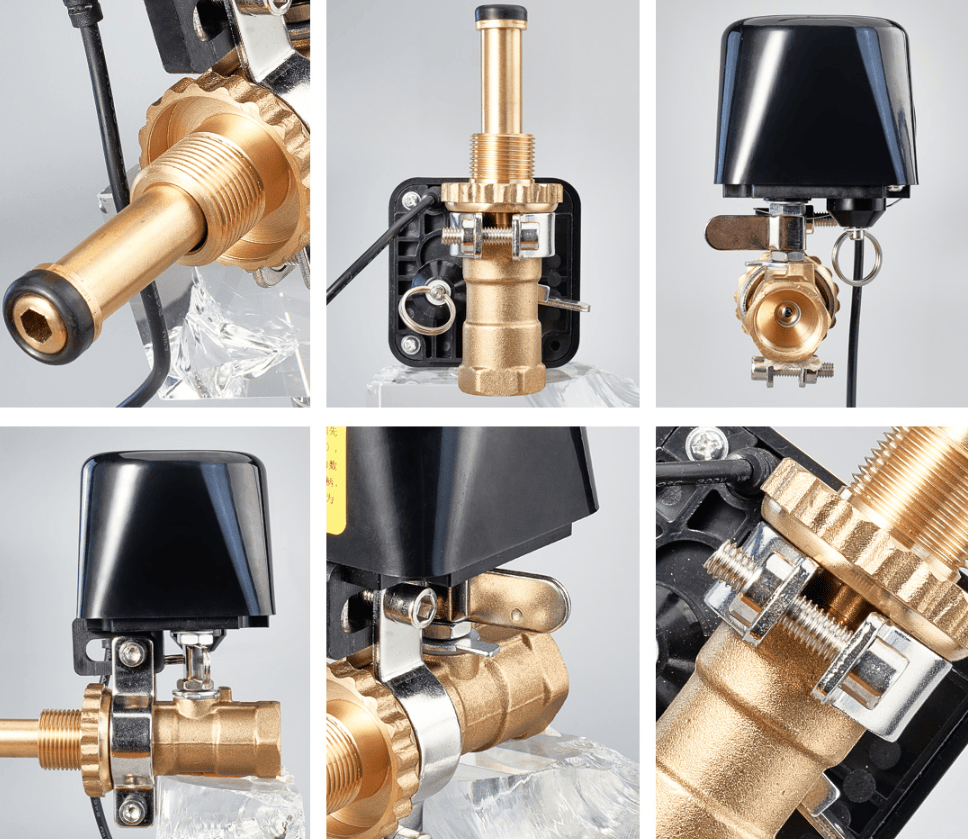
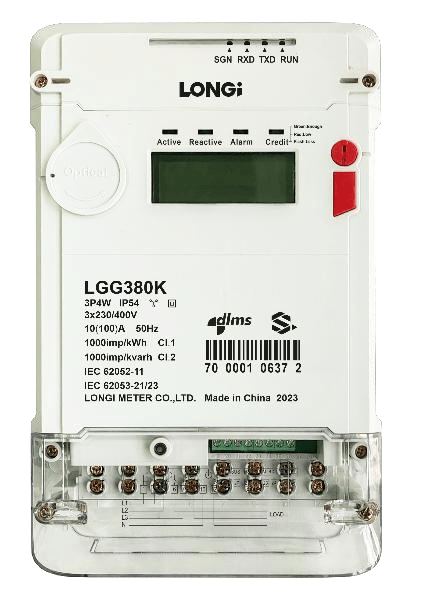


Industrial and Commercial Point-Type Gas Detector
Jinan Benan Technology Development Co., Ltd.