High-Temperature Superconducting Thrusters Help Satellite Propulsion Systems Reduce Power Consumption and Mass
Small satellites have demonstrated immense potential in space missions due to their low cost and high flexibility, but they have long been constrained by the lack of compact, efficient propulsion systems that can operate effectively in the vacuum of space. Traditional chemical rockets are relatively inefficient, with over 90% of launch mass typically dedicated to propellant, limiting payload capacity and increasing mission costs.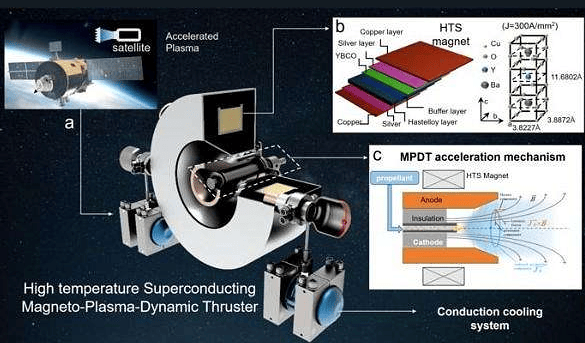
Electric propulsion technology offers an alternative, using electrical energy to accelerate charged particles or plasma to generate thrust. Magnetoplasmodynamic thrusters (MPDTs) are a high-performance option within electric propulsion, but traditional MPDTs rely on bulky copper electromagnetic coils, often weighing over 150 kilograms and consuming up to 200 to 300 kilowatts of power, making them difficult to integrate into micro-spacecraft platforms.
A research team led by Professor Zheng Jinxing from the Institute of Plasma Physics at the Hefei Institutes of Physical Science, Chinese Academy of Sciences, has developed China's first compact high-temperature superconducting magnetoplasmodynamic thruster. The team replaced the copper coils with YBCO superconducting material, which operates at around -196 degrees Celsius using liquid nitrogen. This improvement reduces power consumption from 285 kilowatts to less than 1 kilowatt and system mass from 220 kilograms to 60 kilograms, enabling a lighter, more economical satellite propulsion system while reducing the demand for onboard power.
Experimental results for the new thruster show that at an input power of 12 kilowatts, its specific impulse reaches 3,265 seconds, indicating the ability to provide sustained thrust with extremely low propellant consumption. In comparison, typical chemical rockets have a specific impulse of about 300 seconds, meaning the superconducting MPDT offers an order-of-magnitude improvement in propellant efficiency. This performance can help reduce spacecraft fuel requirements and launch costs, particularly for missions requiring large velocity changes or extended operational lifetimes.
Beyond the hardware demonstration, the research team also established a comprehensive analytical magnetohydrodynamic model linking magnetic field strength, mass flow rate, and thrust performance in the high-temperature superconducting MPDT. This model describes the synergistic interaction between plasma behavior and electromagnetic forces within the thruster channel, providing a predictive tool for future design optimization.
This breakthrough suggests that future spacecraft equipped with high-temperature superconducting MPDTs could achieve mission objectives with significantly reduced propellant mass and system weight. Such capability could support deep space exploration, agile maneuvering of satellite constellations, and lower the barrier to entry for emerging space participants. As high-temperature superconducting materials and cryogenic technology mature, compact superconducting thrusters are poised to become a key component of next-generation, highly efficient space transportation architectures.
Related Products



GYTA Type Non-Self-Supporting Aerial/Duct Optical Cable
TONGDING INTERCONNECTION INFORMATION CO., LTD.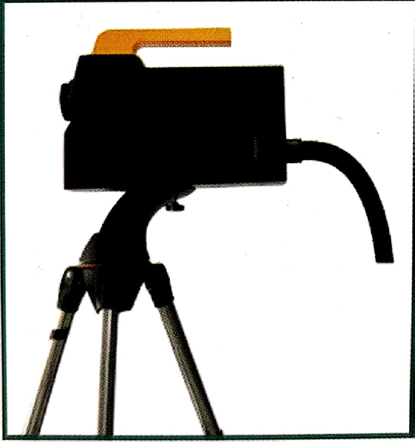
Automatic Aiming Laser Remote Obstacle Removal Robot
Pinggao Group Weihai High-Voltage Apparatus Co., Ltd.
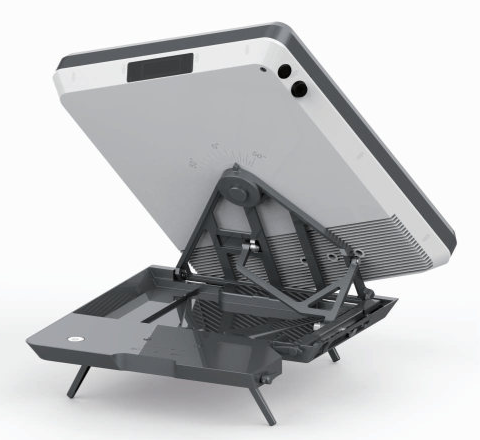
Flat Portable Satellite Terminal 0.35m Aperture Manual Portable Terminal
China Starwin Science & Technology Co., Ltd.
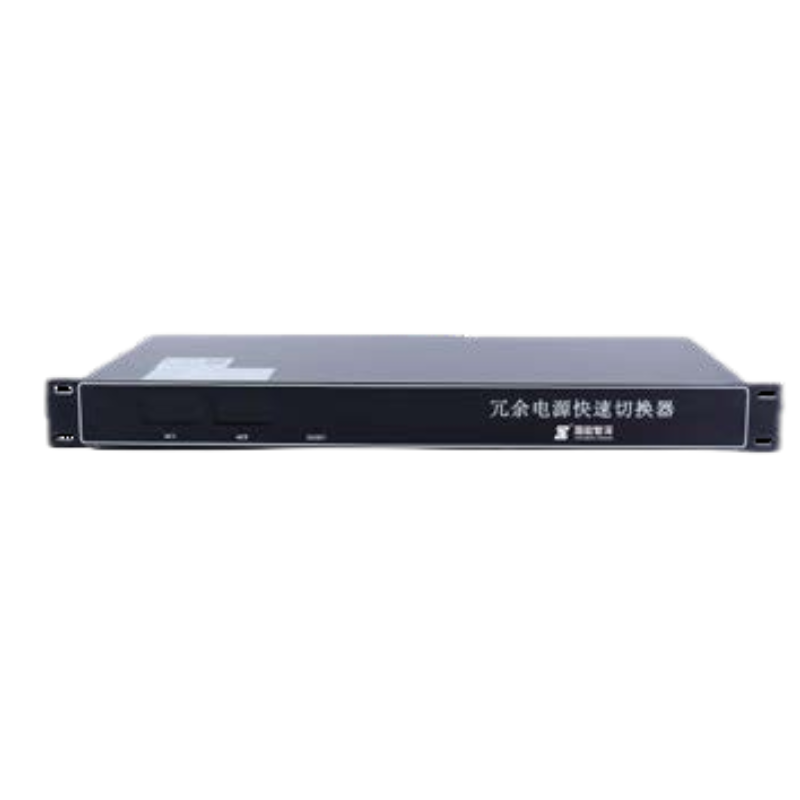

MUX Series Communication Interface Device for Security and Stability Control System
Nanjing NR Electric Co., Ltd.
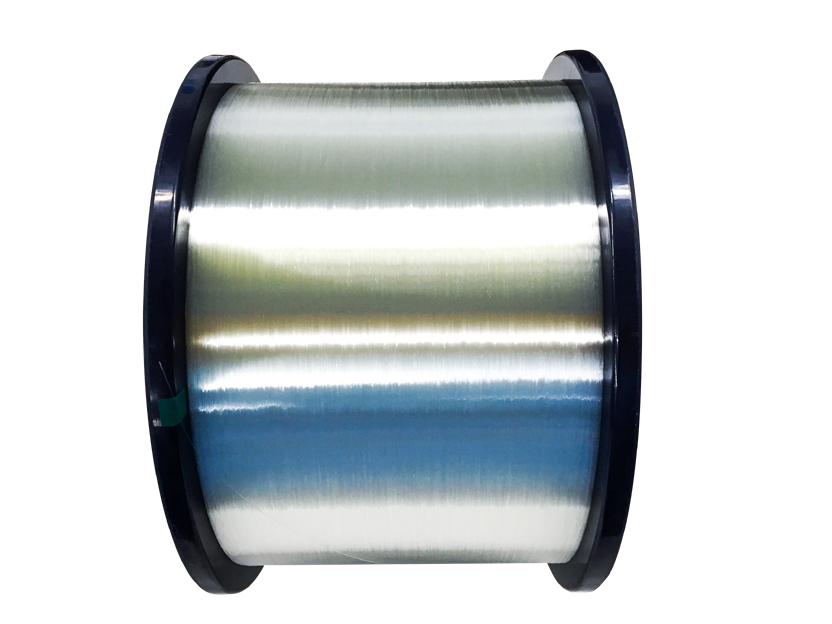
G.652.D Wavelength-extended Non-dispersion Shifted Single-mode Optical Fiber
HONGAN GROUP CO., LTD.
KJD127(A) Mining Explosion-Proof and Intrinsically Safe Computer
Taiyuan Xiangming Intelligent Control Technology Co., Ltd.