Wedoany.com Report on Feb 26th, The U.S. Chemical Safety and Hazard Investigation Board (CSB) recently released the final investigation results of the fatal hydrogen sulfide leak incident that occurred on October 10, 2024, at the PEMEX Deer Park Refinery in Deer Park, Texas. The accident resulted in the deaths of two contract workers, sent 13 people to the hospital, and led to dozens receiving on-site treatment. It released over 27,000 pounds of hydrogen sulfide gas and triggered a shelter-in-place order for neighboring cities.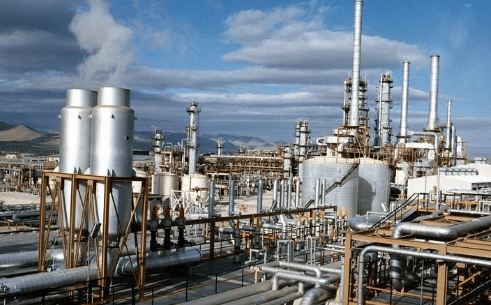
The leak occurred at approximately 4:23 p.m. that day during maintenance on the refinery's amine treating unit. Workers from Repcon mistakenly opened a flange on a pipe containing pressurized hydrogen sulfide, instead of the correct flange on another pipe located five feet away. The gas release caused fatal injuries to one Repcon worker on-site. The hydrogen sulfide vapor then drifted into an adjacent unit, causing another worker from contractor ISC to die from inhalation.
The leak continued for nearly an hour until emergency responders reassembled the flange, stopping the release. Deer Park and Pasadena issued shelter-in-place orders for several hours. Although the refinery sustained no physical structural damage, it reported property damage of approximately $12.3 million, involving the amine treating unit and disruption to downstream processes.
CSB Chairman Steve Owens stated, "Two people died and the surrounding community was put at risk because of a completely preventable mistake. Companies must ensure hazards are clearly identified and effective procedures are in place to protect workers at such facilities, as well as residents who live and work nearby."
The investigation concluded that the incident stemmed from a failure to positively identify the correct equipment, leading to the opening of the hydrogen sulfide pipeline instead of the non-toxic gas pipeline. The refinery did not adequately assess the hazards of opening a pipe in an active unit located near other worker areas, and deviations from established policies and procedures exacerbated the accident.
The report highlighted several key safety issues: insufficient positive equipment identification, with the refinery lacking an effective method to clearly identify the correct flange before work; unclear drawings and labels, and the absence of a unified industry standard; deficiencies in work permits and hazard controls, with permits being broad and lacking clear hold points, and workers bypassing safety steps; improper management of turnaround contractors, where workers were abruptly reassigned to an operating unit without being informed of the risks; and gaps in operational execution, where written procedures did not match actual practice, leading to failed assessments.
CSB Lead Investigator Tyler Nelson said, "Opening hazardous process piping is a common maintenance activity that can be performed safely with effective equipment identification and work permit practices. This tragic event underscores the critical importance of equipment identification methods that are clearly and consistently verified by facility operators and contract workers before equipment is opened. Robust equipment marking practices, effective work control, and disciplined operations are essential to preventing such fatal releases."
The report issued safety recommendations to the PEMEX Deer Park Refinery and the American Society of Mechanical Engineers (ASME), including marking pipes according to the ANSI/ASME A13.1 standard, implementing hazard communication procedures, establishing an operational execution system, and developing equipment marking guidelines. The CSB, as an independent federal agency, is dedicated to investigating chemical hazard incidents and making recommendations for prevention.