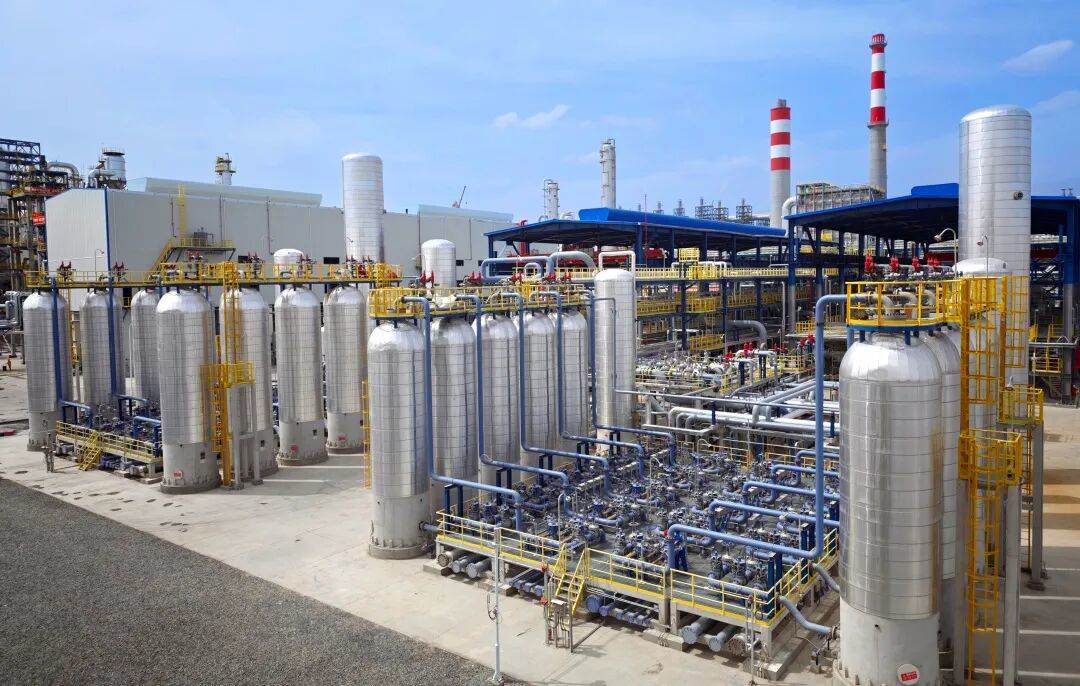
Reciprocating compressors play a crucial role in refining processes, being applied in areas such as hydrotreating and hydrocracking, aiding in the production of clean fuels. This type of equipment is also a key machine in the green hydrogen market for reducing carbon emissions. Their unique advantage lies in providing high pressure ratios and flexible capacity control, but the reciprocating motion of moving parts also introduces specific failure risks.
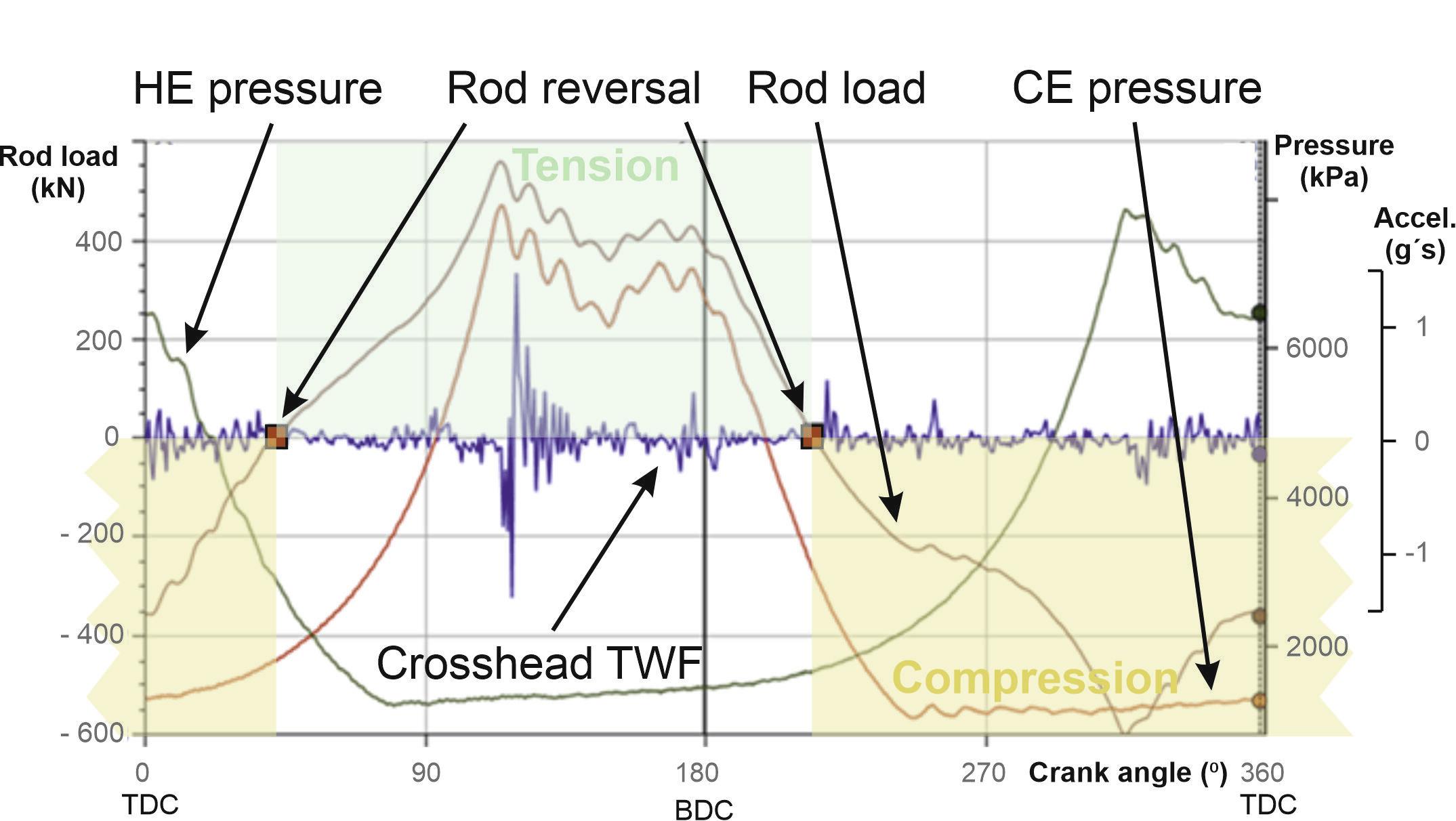
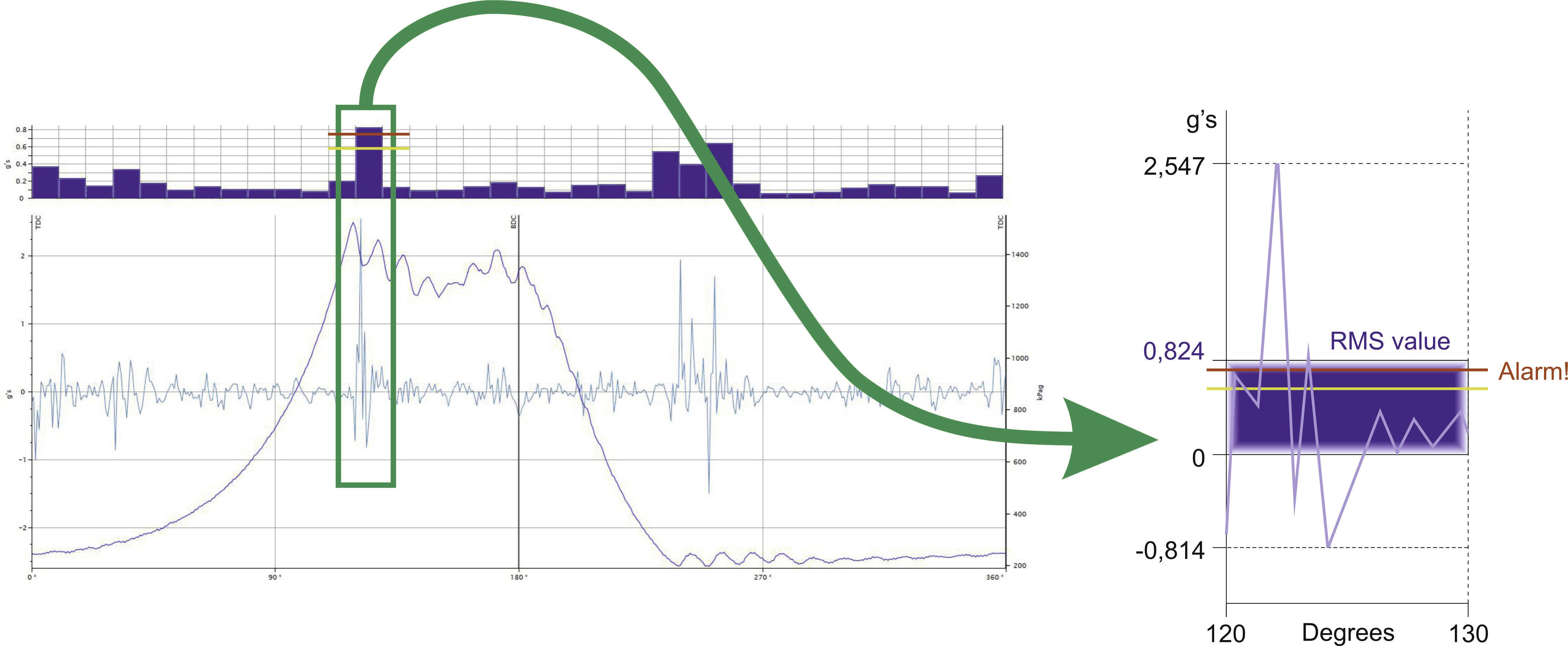
Vibration monitoring is a core technology for assessing the health condition of reciprocating compressors. Unlike rotating machinery, the vibration impacts generated by reciprocating compressors manifest as short-duration, high-acceleration peaks, often caused by component clearance or looseness, creating a "ringing" effect. These impacts are difficult to detect using standard overall vibration monitoring methods, but accelerometers can capture the critical signals.
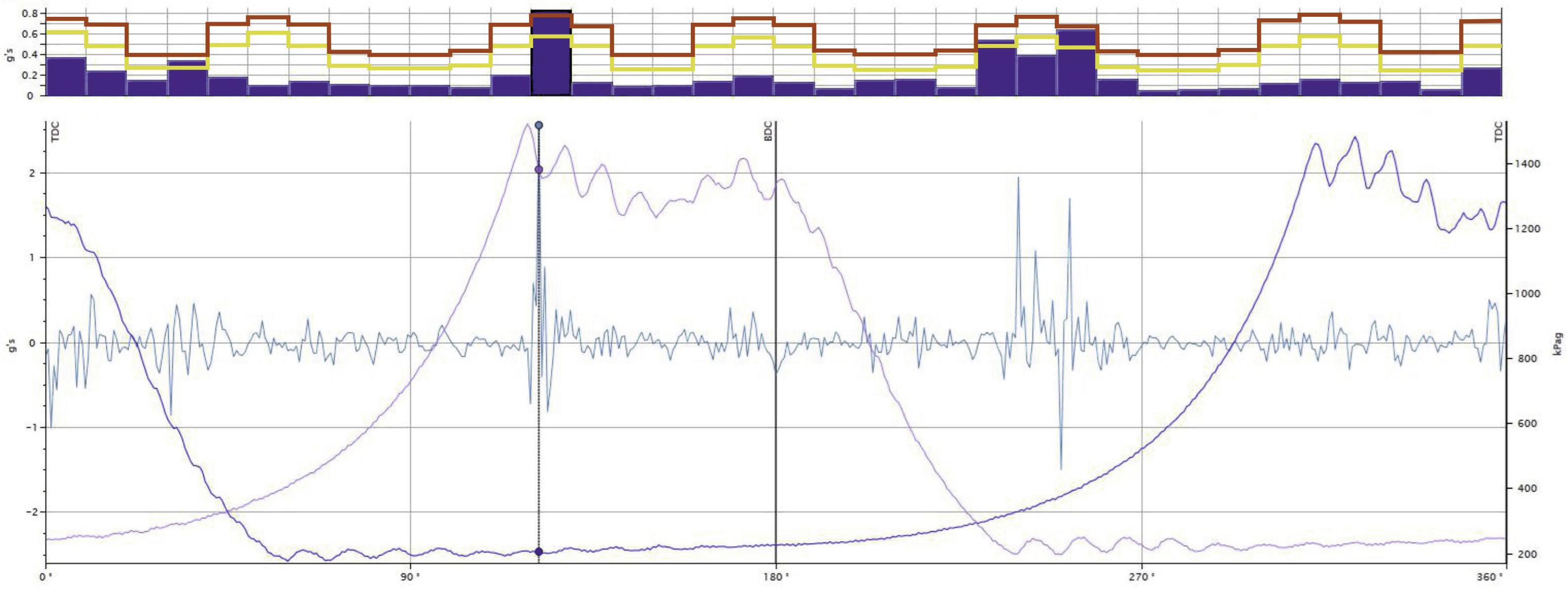
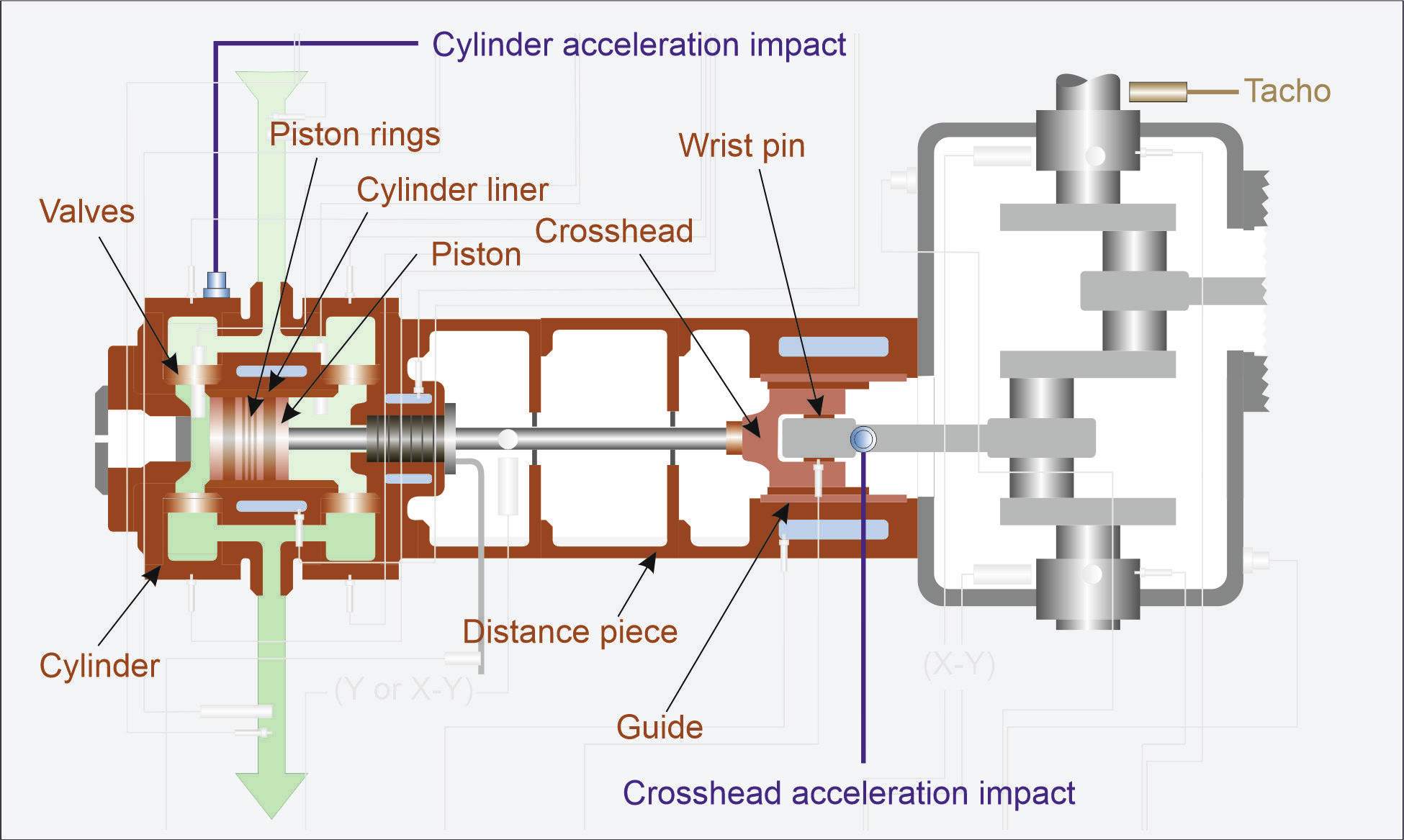
Monitoring vibration impacts helps operators identify failure modes, such as piston seizure or liquid ingestion, earlier. However, it is also necessary to filter out false peaks to avoid unnecessary shutdowns. In areas like the crosshead and cylinders, vibration impact monitoring can cover various potential issues, including component looseness and the effects of pressure pulsation.
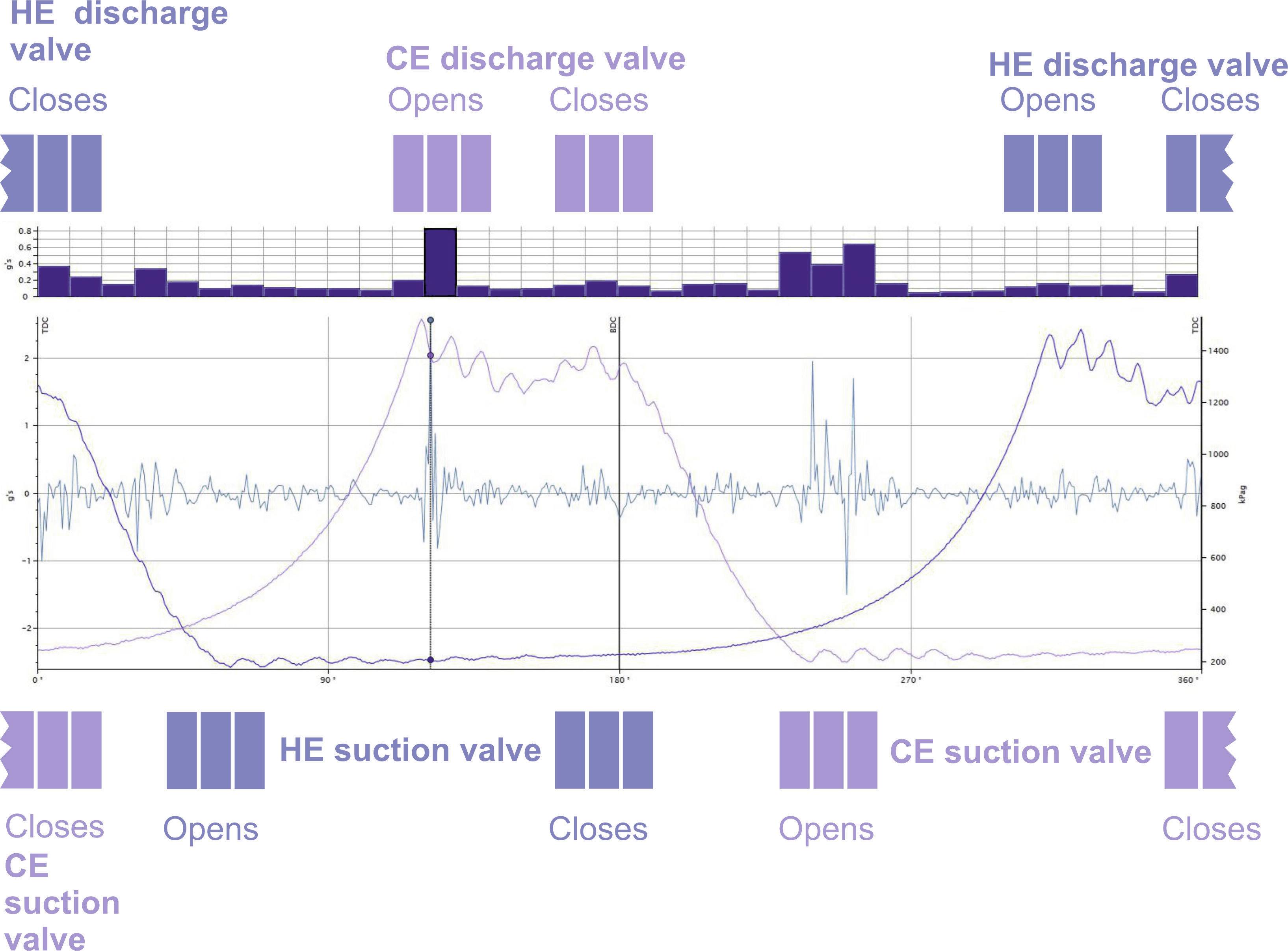
Operators typically use accelerometers and tachometers for monitoring, extracting descriptors such as vibration segments and impact counts from time waveform signals. Vibration segments are suitable for tracking events at specific crankshaft angles, while impact counts are used for automatic alarms, enhancing protection effectiveness. These methods require adjustment based on operating conditions to improve reliability.
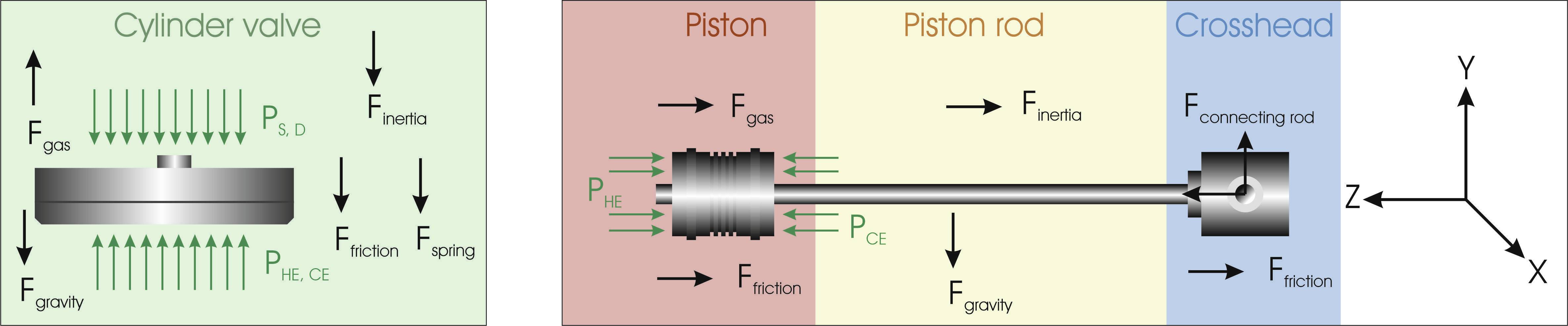
An effective vibration monitoring strategy should integrate process parameters and other measurements, such as valve temperature or piston rod displacement, to enhance diagnostic capabilities. Adopting enterprise-level data management systems and incorporating AI support can optimize monitoring processes and reduce maintenance costs.
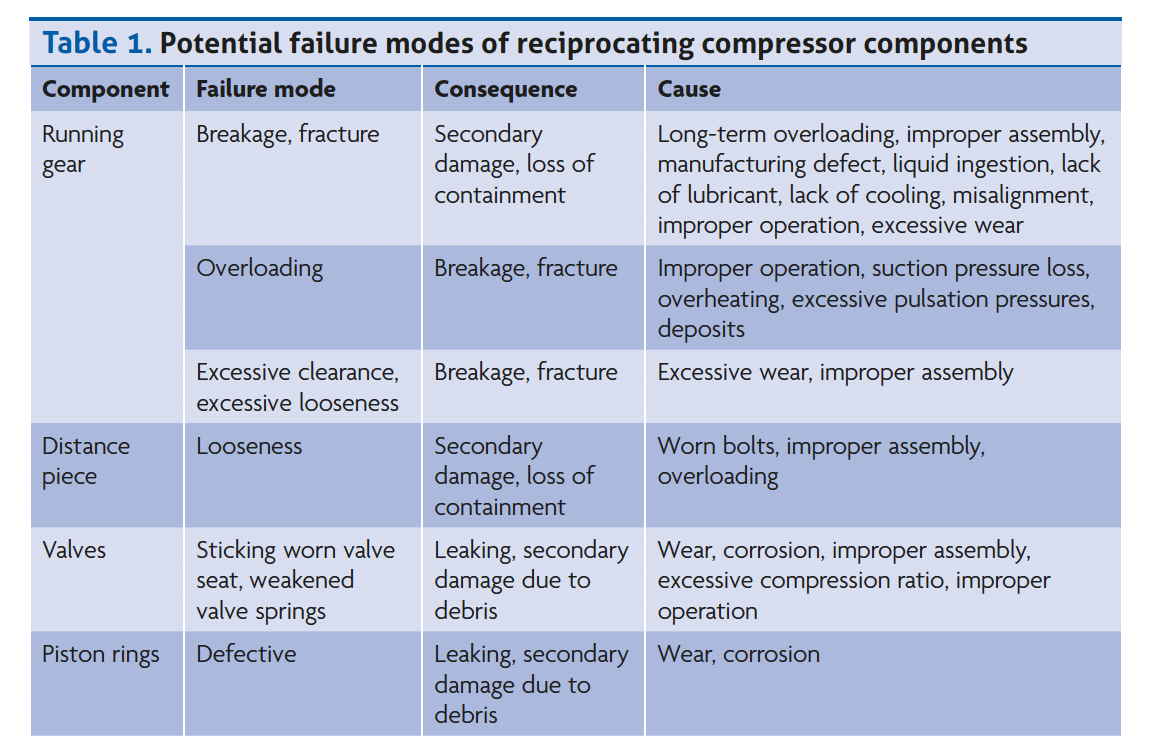
Vibration monitoring is crucial for the maintenance of reciprocating compressors, especially for crosshead and valve areas. Through refined monitoring techniques, equipment operational efficiency can be improved, and failures can be prevented.