
| Notice Type | Tender Notice |
|---|---|
| Bid Type | Other |
| Notice Number | 127711976 |
| Description |
Project Title: New Construction of Student Dormitory Künzelsau – KG 430 Ventilation System Nature of the Project: Open tender (non-accelerated procedure), re-tendering due to previous unsuccessful tender. Legal Basis: EU Directive 2014/24/EU and German VOB/A-EU (Construction Contract Procedures). Core Procurement Content: Supply and Installation of Equipment: 69 independent ventilation units (expected decentralized residential unit ventilation devices). 1 centralized exhaust unit with an exhaust air volume of not less than 600 m³/h. Approximately 300 meters of galvanized spiral ducting, diameter range DN 80 to DN 160. 88 DN 125 ceiling penetration sleeves / fire stopping components. Equipment Supply Requirements: Technical Compliance: All supplied equipment, including fans, exhaust units, ducting, and accessories, must fully comply with the detailed technical specifications in the tender document appendix, construction drawings, and the following applicable standards. German and European Standards: Such as DIN EN 13053 (Ventilation Units), DIN EN 13141 (Performance of Ventilation Products for Residential Buildings), DIN 24194 (Ductwork Systems), etc. Energy Efficiency and Ecodesign Directives: Motors and ventilation equipment must comply with the latest energy efficiency requirements of the EU Ecodesign Directive (e.g., EU 327/2011 and its amendments). Safety and Certification: Electrical equipment must bear the CE marking and declarations of conformity with the Low Voltage Directive and EMC Directive. Key safety components may require additional GS certification or DGUV test marks. Materials and Workmanship: Galvanized spiral ducts must meet the requirements of DIN EN 1507 for leakage class and structural strength. Fire-rated penetration sleeves must provide official fire resistance certification (e.g., F90, F120) and be suitable for the specific building structure. Performance Parameters: Fans: Complete performance curves (Q-P curves) must be provided, indicating air volume, power, efficiency (static pressure efficiency/total efficiency), and noise levels at specified static pressures. Centralized Exhaust Unit (600 m³/h): Its total pressure, motor power, control method (e.g., variable frequency drive) must be specified, and it must be equipped with inspection doors and measuring ports complying with DIN EN 12097. Manufacturer Qualification: The use of brand products with a good reputation in the German or EU market, capable of providing local technical support and sufficient spare parts supply, is encouraged. A letter of commitment for technical support from the manufacturer may be required. Origin and Proof: Equipment must be able to provide clear proof of origin and, in case of dispute, demonstrate that its production and distribution path complies with EU laws and regulations. Delivery and Packaging: Equipment must be properly packaged for long-distance transport and on-site storage, with all markings clear. Large equipment should include a description of positioning and installation plans. Scope of System Implementation: Includes, but is not limited to, the transportation, installation, connection, commissioning of the aforementioned equipment, as well as the laying of related ductwork systems, insulation, sealing to building structures, and all other work for the complete ventilation system construction. Design and Coordination: The bidder must carry out detailed design based on architectural drawings to ensure the system meets building requirements, energy efficiency standards, and relevant German technical regulations, and must closely coordinate with other trades such as civil works and electrical. Spare Parts and Special Tools: The bid price must include all special tools necessary for installation and commissioning. An initial recommended spare parts list (e.g., belts, filters, bearings, etc.) and its quotation must be provided for the client's optional purchase to ensure maintenance needs during the initial operation of the system. Detailed Requirements for Equipment Installation: General Installation Principles and Standards Regulation Compliance: All installation work must strictly adhere to the tender documents, approved construction drawings, and currently valid key German technical regulations, mainly including: VOB/C: General technical contract conditions for ventilation and air conditioning system installation. VDI 2050: Guidelines for quality requirements in HVAC system installation. DIN EN 12097: Ventilation ducts – Ductwork components to facilitate maintenance of air handling systems. DIN 1946-6: Ventilation in residential buildings – Requirements for design and construction. TRGI/DVGW Rules: Relevant safety regulations concerning gas appliances or potential contact with gas pipelines. Coordination and Protection: Detailed coordination with the main contractor and other trades (e.g., electrical, plumbing, fire protection, structural) must be carried out before installation to establish the installation sequence and interface plan. Adequate protection measures must be taken for completed building structures and the work of others (e.g., walls, floors, ceilings) during installation. Specific Itemized Installation Requirements Ductwork System Installation: Positioning and Support: Install strictly according to drawing elevations and locations. The spacing, type, and load-bearing capacity of hangers and supports must comply with DIN EN 1993 (Steel Structures) and system supplier requirements, using approved seismic braces if required. Connection and Sealing: All duct connections (including connections to equipment, air terminals, dampers) must be sealed airtight using suitable sealing materials (e.g., EPDM gaskets, sealant) to ensure the system achieves the specified leakage class (typically requiring leakage class B or higher) under normal operating pressure. Penetrations and Fire Protection: When ducts penetrate fire compartments, walls, and ceilings, the specified DN 125 ceiling penetration sleeves / fire stopping components or other certified fire stopping systems must be used. Installation must strictly follow product instructions and the approved building fire protection plan to ensure the original fire resistance rating of building components is not compromised. Insulation: Insulate supply/return air ducts, exhaust ducts, and sections prone to condensation located in non-heated areas (e.g., ceiling voids, shafts) as required by technical specifications. The fire rating and thickness of insulation materials must comply with regulations. Equipment Installation: Foundation and Fixing: Large equipment such as the centralized exhaust unit must be installed on solid, level concrete foundations or load-bearing supports approved by a structural engineer, with vibration isolation measures (e.g., spring isolators, rubber pads) to prevent structure-borne noise transmission. Independent Fan Installation: The 69 independent fans (typically wall-mounted or ceiling-mounted) must be installed in accurate locations, securely fixed, and accessible for future filter replacement and routine maintenance. Inlet and outlet connections must be sealed and without additional resistance. Electrical Connection: Power supply wiring and control circuit connections for all equipment must be performed by qualified electricians and comply with VDE (German Association of Electrical Engineers) standards. Clear wiring diagrams and terminal identifications must be provided. Control System and Testing: Commissioning and Balancing: After system installation, comprehensive commissioning must be performed, including but not limited to: checking the operating direction of all equipment, adjusting fan speeds to design airflows, measuring and adjusting airflow at all terminal outlets to design values (air balancing) using anemometers or flow hoods. Noise Testing: Operational noise tests must be conducted in key areas (e.g., bedrooms, study rooms) to ensure compliance with German statutory noise standards (e.g., DIN 4109 or stricter requirements in the tender documents). Functional Testing: Test all control functions (e.g., start/stop, speed variation, interlocking, etc.) and necessary safety functions (e.g., frost protection, filter alarm, etc.). Documentation: Provide a complete commissioning report including all measurement data, balancing results, test records, and as-built drawings. Safety, Cleaning, and Completion Site Safety: Must comply with German occupational safety and health regulations (e.g., BGV), and develop and implement a site safety plan. System Cleaning: After installation, debris, dust, and protective films must be removed from inside the ductwork system and all equipment to ensure internal cleanliness. Final Acceptance: Upon completion of installation work, cooperate with the client or their appointed supervising engineer for final acceptance and provide all necessary operational training. Documentation Delivery: Equipment supply must be accompanied by complete technical documentation, including but not limited to: German-language operation and maintenance manuals Product data sheets, test reports, and copies of certificates Spare parts list and parts diagrams Control system schematic diagrams and software documentation (if applicable) Place of Performance: Künzelsau, Hohenlohekreis (NUTS-3 code: DE119), Baden-Württemberg, Germany. Contract Type: Construction works contract. Main CPV Code: 45331000 (Heating, ventilation and air-conditioning installation work). Key Requirements for Bidders: Qualification Requirements: Must provide proof of relevant education and professional qualifications, proof of meeting required economic and financial standing, and valid commercial registration documents (via self-declaration using the standard form "Eigenerklärung Formblatt 124"). Bid Submission Method: Electronic bids only, submitted via the official platform (https://www.subreport.de/E85967497), language is German. Bid Strategy: Submission of technically sound "alternative solutions" is permitted, but submission of multiple offers for the same lot is not allowed. Price Composition: The quotation must clearly include equipment, installation, auxiliary materials, profit, etc., and must separately list any discounts, compensation amounts based on "wage escalation clauses," and optional "maintenance service quotations." The corrected total price will be compared during bid evaluation. Contract Management: The contract will be awarded electronically, and electronic invoicing and electronic payment are required. Project Characteristics and Opportunities: SME-Friendly: The client explicitly states that this project is particularly suitable for micro, small, and medium-sized enterprises as well as freelancers, start-ups, and self-employed individuals. Funding Source: The project is not funded by EU funds; the rules of the Government Procurement Agreement apply. Key Timelines: Bid Deadline / Public Bid Opening: March 3, 2026, 10:00 AM (Central European Time). Bid Validity Period: At least 35 days from the bid opening date. Right to Clarify: The client reserves the right, after the deadline, to request bidders to supplement missing documents or provide clarifications according to VOB/A §15a, but is under no obligation to do so. |
| File |  Tender for Ventilation System at Heidelberg University Student Dormitory.pdf (10.5 K) Tender for Ventilation System at Heidelberg University Student Dormitory.pdf (10.5 K) |
Expired Tender for Ventilation System at Heidelberg University Student Dormitory
Favorite
| Organization | Studierendenwerk Heidelberg AöR | Country | Germany |
|---|---|---|---|
| Contact | Studierendenwerk Heidelberg AöR | Tel. | View more |
| View more | Address | 69115 Heidelberg , | |
| Release Date | 2026-02-02 | Validity | 2026-03-03 |
Details
The tender information on this website is provided for reference only. If you intend to bid, please verify the authenticity and accuracy of the information with the tendering party. Our company reserves the right to adjust website content at any time and assumes no direct or indirect liability for it.Email: news@wedoany.com
Related Tenders
Related Products
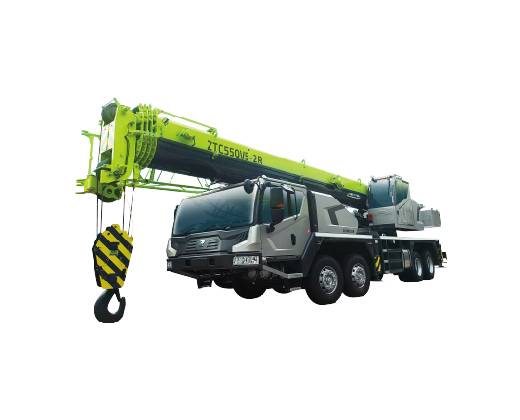
Crane
Negotiable
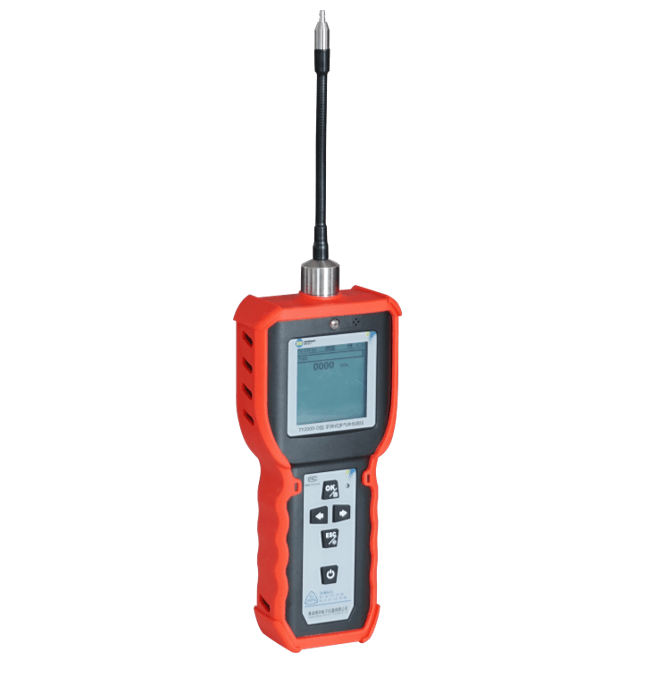
TY2000-D Portable Multi-Gas Detector
Negotiable
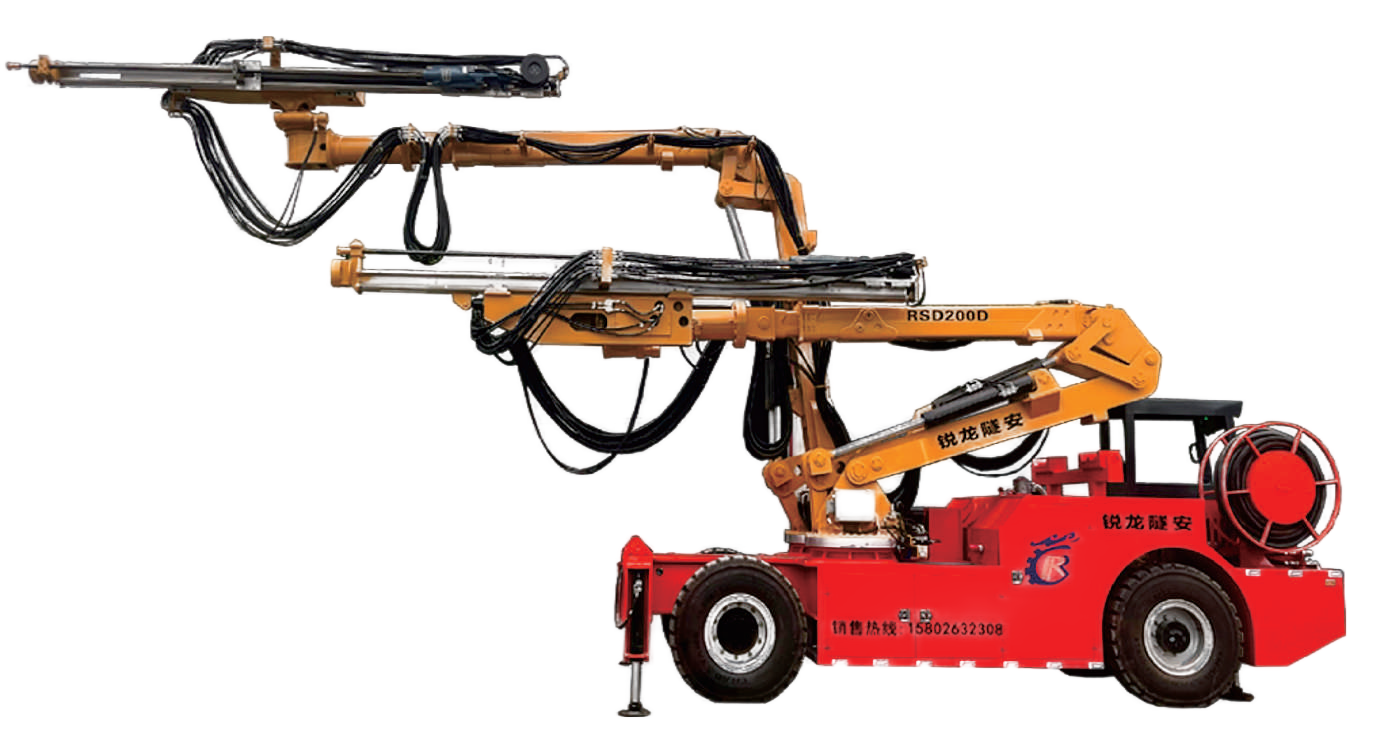
Dual-curved Arm Rock Drilling Trolley RSD200D
Negotiable
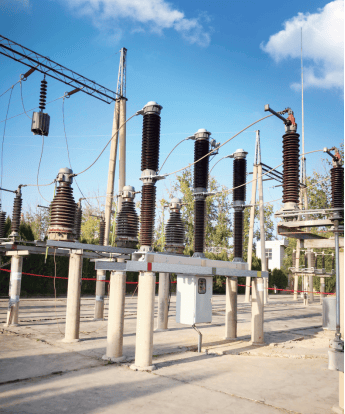
145kV Porcelain Column Type Sulfur Hexafluoride Circuit Breaker
Negotiable
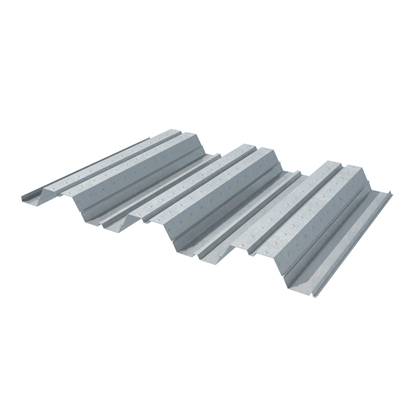
Profiled Steel Composite Floor Deck
Negotiable /m²
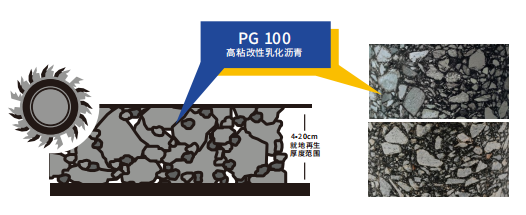
High-toughness in-Situ Cold Recycling Technology for Original Structural Layers
Negotiable /m²
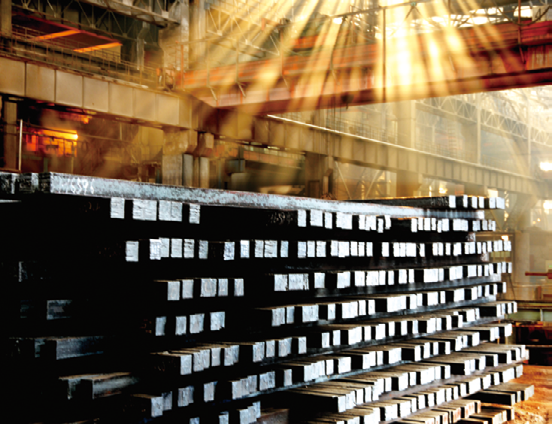
Steel billet
Negotiable
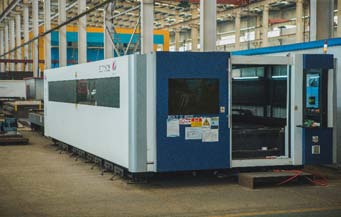
CNC Fiber Laser Cutting Machine
Negotiable
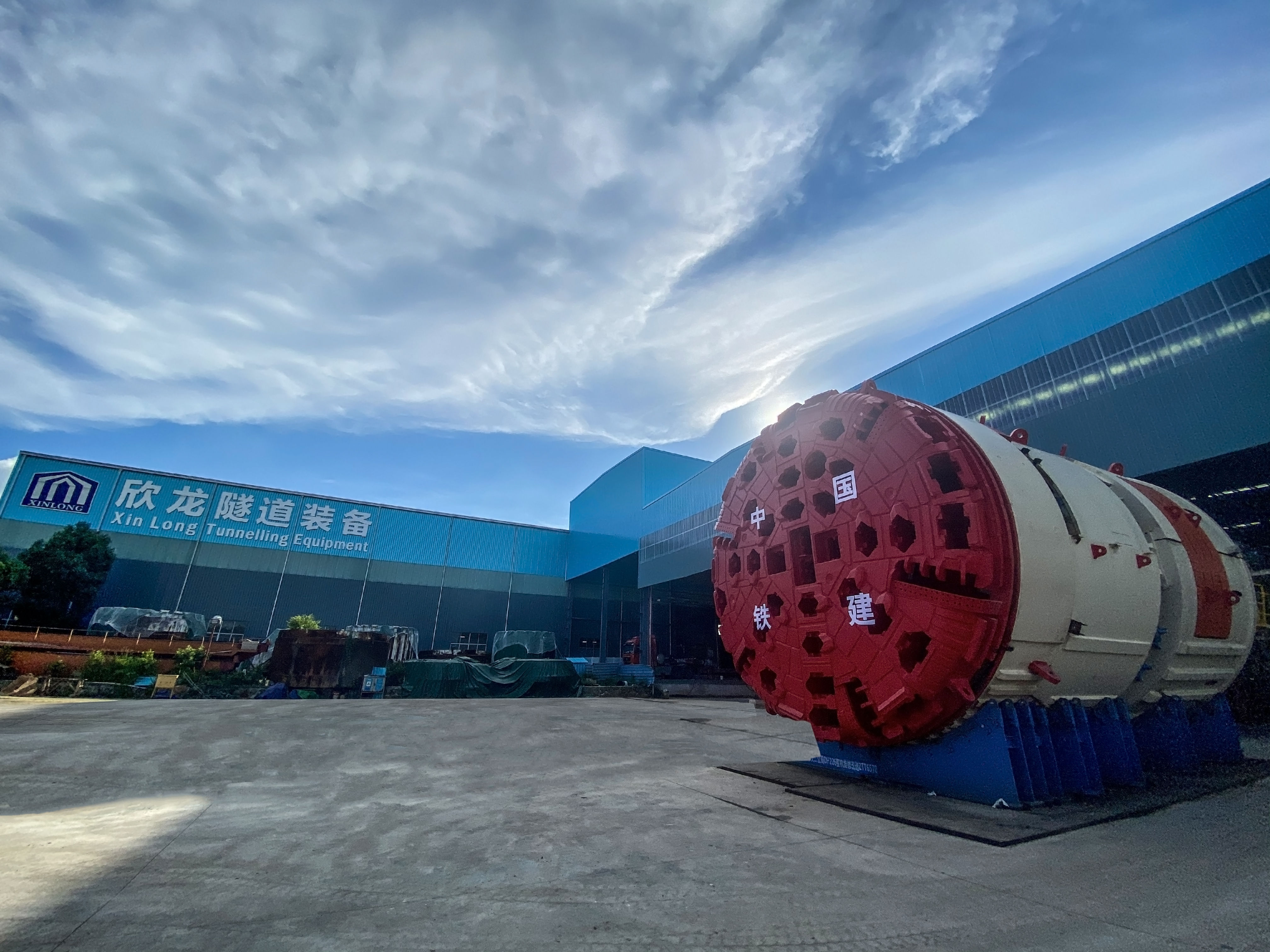
Shield Machine Remanufacturing DH226
Negotiable
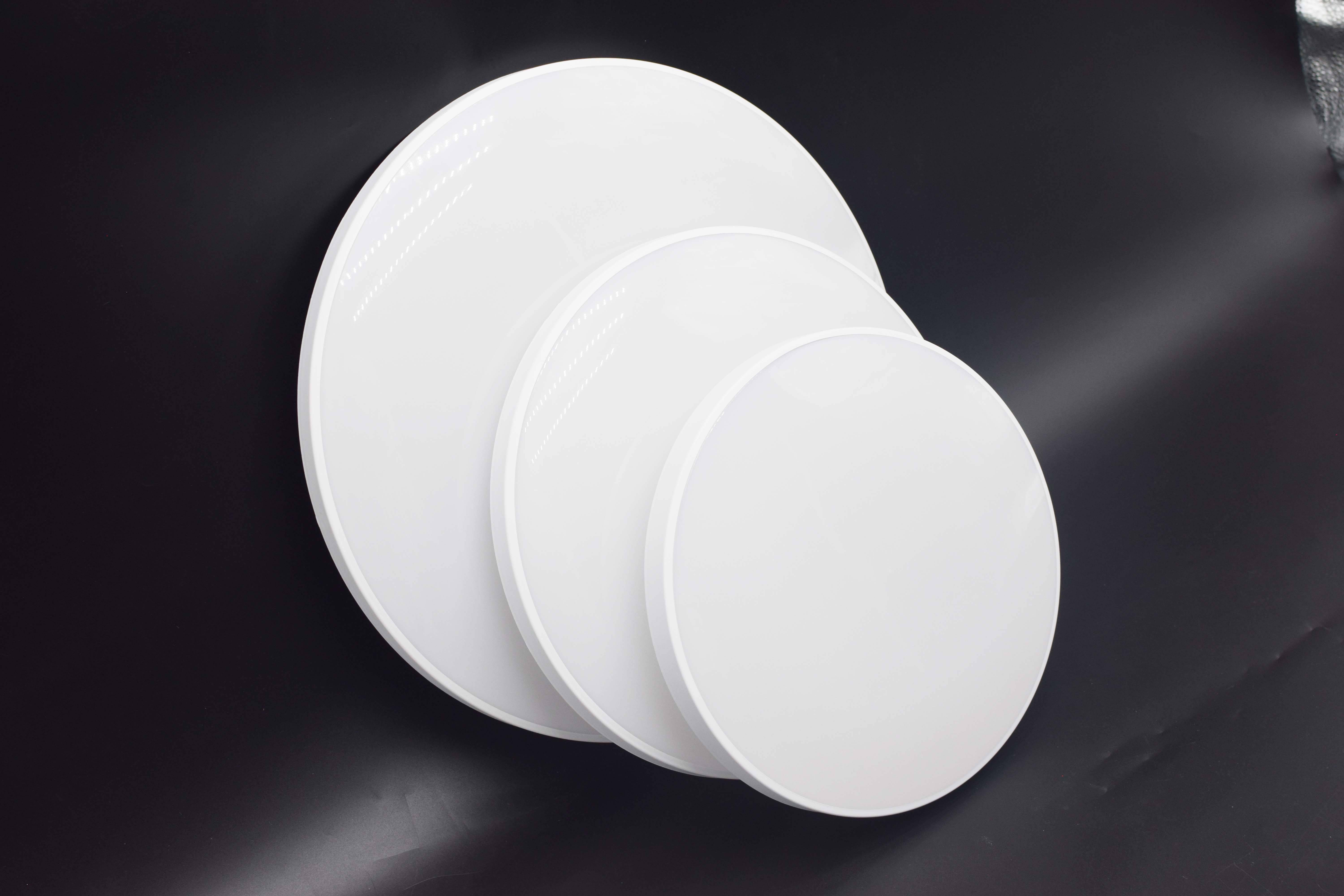
Ceiling light | led Ceiling Light | LED Indoor light | LED Ceiling lighting
Negotiable /PCS
Bus Facial Payment All-in-One Machine
Negotiable
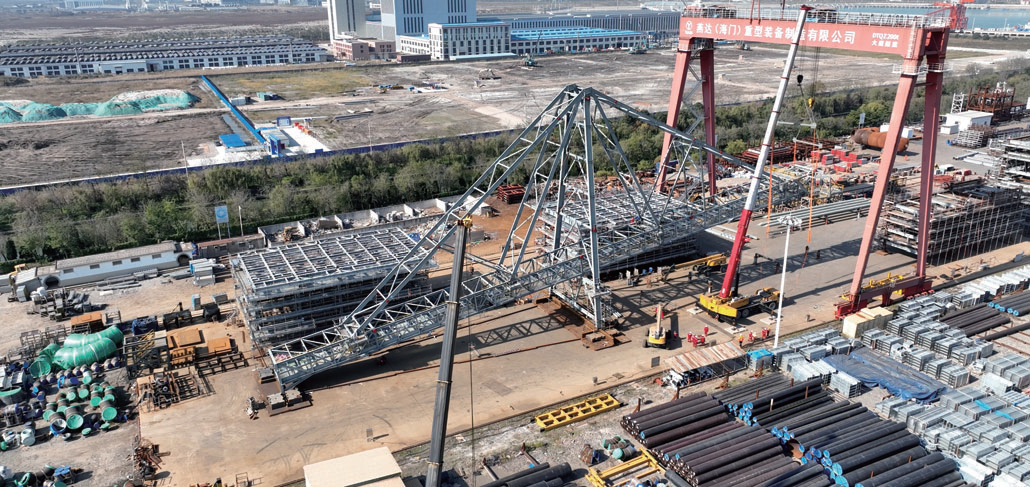
Steel Structures
Negotiable