
| Notice Type | Tender Notice |
|---|---|
| Notice Number | 128683284 |
| Description |
Project Name: Public Tender for Lot 64 - Comprehensive Energy Efficiency Services for Buildings of the Central Apulia Housing Agency - Using Project Financing, in accordance with Article 193 and subsequent articles of Italian Legislative Decree No. 36/2023 Tender Procedure: Open Tender Legal Basis: EU Directive 2014/23/EU (Concession Contracts) Contract Nature: Works CPV Code: 45261420 (Roof-waterproofing works) Total Estimated Project Value (excl. VAT): €22,164,738.55 Project Location: Gravina in Puglia, Province of Bari, Apulia Region, Italy Project Description: This project is Lot 64, employing a project financing model to provide comprehensive, all-inclusive energy efficiency services for multiple public residential buildings in Gravina in Puglia. The scope covers full lifecycle management from design and construction to long-term operation and maintenance, as part of a strategic energy retrofit program under EU funding frameworks. Design and Engineering Energy Diagnosis and Condition Assessment Building Envelope Thermal Survey: Use infrared thermography to detect thermal bridges, air leakage defects, and moisture ingress paths; use blower door tests to determine air change rate n50, target value ≤0.6 h⁻¹. Equipment System Efficiency Testing: Conduct on-site efficiency tests for existing boilers, pumps, fans, and lighting systems, producing seasonal energy efficiency ratio and thermal efficiency reports based on UNI 10349 standard. Indoor Environmental Quality Baseline Survey: Deploy continuous monitoring points in typical apartment layouts, recording 7×24-hour temperature, relative humidity, CO₂ concentration, PM2.5, and illuminance distribution to identify areas of thermal discomfort and ventilation dead zones. Renewable Energy Potential Analysis: Use PVGIS tool to assess rooftop and façade photovoltaic installation potential, combined with building shadow simulation, recommending optimal tilt angle and installed capacity (suggested ≥20 kWp/building). Resident Energy Consumption Behavior Profiling: Cluster analysis of historical utility bills to categorize high, medium, and low-energy consumption households, providing data support for behavioral guidance strategies. Preliminary Design, Final Design, and Construction Drawings BIM Full-Process Collaboration: Use Autodesk Revit or Archicad to develop LOD 350 models, integrating architectural, structural, and MEP disciplines for clash detection and MEP coordination optimization, with a target clear height ≥2.4 meters. Passive Design Optimization: Use PHPP or DesignBuilder to simulate the impact of different insulation schemes (EPS, rock wool, aerogel blankets) on annual heating demand, ensuring post-retrofit primary energy consumption ≤50 kWh/(m²·a). Active System Selection: Compare technical-economic feasibility of air-source heat pumps, ground-source heat pumps, and gas condensing boilers, calculate lifecycle costs, and recommend optimal configuration. Digital Delivery Standards: Design phase deliverables must include IFC-format BIM models, NWC lightweight viewing files, and PDF/A-3 long-term archival documents. Equipment Selection and Technical Specification Preparation Core Equipment Performance Thresholds: Heat Pumps: IPLV ≥ 4.5, refrigerant GWP ≤ 750, noise ≤ 55 dB(A) @ 10m; Windows: Whole-window thermal transmittance Uw ≤ 0.85 W/(m²·K), solar heat gain coefficient g-value 0.45~0.55, sound insulation Rw ≥ 38 dB; LED Luminaires: Luminous efficacy ≥ 140 lm/W, adjustable color temperature 3000-4000K, color rendering index CRI ≥ 90, lifetime L70 ≥ 50,000 h. Additional Environmental Requirements for Materials: Insulation materials must have EPD (Environmental Product Declaration) certification, VOC emissions must comply with EU EMICODE EC1 Plus standard. Energy Performance Certification Simulation and Compliance Submission NZEB Compliance Verification: Based on DM 26/06/2015 and UNI/TS 11300 series standards, establish a national calculation engine model, output APE (Energy Performance Certificate) draft, ensuring post-retrofit buildings achieve Nearly Zero-Energy Building level. Incentive Policy Alignment: Assist the client in applying for Conto Termico 2.0 (Thermal Account subsidy) or Ecobonus 110% (if policy continues), prepare technical-economic feasibility reports and monitoring & verification plans. Construction and Implementation Building Envelope Insulation Retrofit External Wall Insulation System: Insulation Thickness: Determined based on linear thermal bridge optimization calculation, recommended ≥120 mm (λ ≤ 0.032 W/(m·K)); Anchors: Stainless steel or polyamide expansion anchors, tensile capacity ≥ 0.60 kN; Finish Coat: Silicone resin textured paint, water permeability ≤ 15 g/L, self-cleaning grade compliant with ISO 27448. Roof Refurbishment: Inverted Insulation System: XPS extruded polystyrene board (λ ≤ 0.034 W/(m·K)), slope ≥2%, covered with protection layer (gravel or concrete pavers); Waterproofing Layer: Double-layer APP modified bitumen membrane (thickness ≥4+3mm), seams heat-welded, overlap width ≥100mm. Basement Ceiling: Sprayed polyurethane foam (λ ≤ 0.026 W/(m·K)), thickness ≥80 mm, with compatible fire-retardant coating (class B-s1,d0). Roof Waterproofing and Refurbishment Existing Waterproofing Removal: Use low-noise scraping equipment, strictly prohibit destructive methods damaging structural slab, waste sorted and temporarily stored, included in asbestos screening procedure. Detail Reinforcement: Parapet flashing height ≥250 mm, termination with galvanized trim + sealant; Roof penetration bases use prefabricated conical collars, additional waterproofing layer upstand ≥300 mm; Gutters lined with stainless steel sheet, slope ≥1%, end connected to rainwater outlet. Green Roof Provision: After structural load verification, reserve 5% roof area for lightweight green roof (Sedum substrate thickness ≥80 mm), compliant with UNI 11235 standard. Window Replacement Installation Methodology: Sub-frame Installation Method: Aluminum or PVC sub-frame mechanically fixed to structural wall, gaps filled with polyurethane foam, eliminating thermal bridges; Air Permeability Class: Class 4 (EN 12207), Water Tightness Class E1950 (EN 12208); Wind Load Resistance: Class C5 (EN 12210). Integrated Shading: South-facing windows integrate external electric roller blinds (solar-powered), shading coefficient ≥ 0.8, linked to indoor light sensors. Heating/Cooling System Upgrade Heat Pump Plant Room Retrofit: Configure inverter-driven low-temperature air-source heat pump units, adjustable flow temperature range 25-55°C; Buffer tank volume sized at 10% of total system water volume, with stainless steel inner tank; Weather Compensation Control: Automatically adjusts supply temperature curve based on outdoor temperature. Terminal Unit Upgrade: Remove existing cast iron radiators, replace with low-temperature aluminum radiators (flow/return 45/35°C) or fan coil units (low-noise type ≤35 dB); Install thermoelectric actuators on in-apartment manifold for individual room temperature control. LED Lighting System Retrofit and Smart Control Common Areas: Stairwells and basements use radar-sensing LED panel lights, standby power ≤ 0.5W, illuminance auto-adjusts from 50 lx (unoccupied) → 150 lx (occupied); Underground parking lanes use linear LED luminaires, with group control + time schedule. In-Apartment Recommended Package: Provide basic LED lighting package (including downlights, ceiling lights, vanity lights); Pre-wire for smart home interface (ZigBee 3.0), supporting mobile APP scene settings. Renewable Energy System Installation Photovoltaic System: Monocrystalline silicon modules (≥21% efficiency), string inverters (MPPT efficiency ≥98%); Grid Connection: Self-consumption with grid feed-in, configure bidirectional electricity meter; Monitoring Platform: Real-time display of power generation, self-consumption rate, CO₂ reduction. Solar Thermal Hot Water System: Flat plate collectors (efficiency ≥ 75%), pressurized storage tanks (capacity ≥300L/household); Auxiliary Heat Source Integration: Automatically activates heat pump for supplementary heating when stored water temperature <45°C. Operation and Management Long-term Operation Management of Energy Facilities Service Desk Setup: Establish a 7×12 hour customer service center to handle repairs, inquiries, and complaints, with 30-minute response time and 4-hour resolution for common faults. Preventive Maintenance Plan: Develop annual maintenance calendar based on equipment manufacturer manuals, including heat pump refrigerant pressure checks, PV module cleaning (twice yearly), filter replacement, etc. Spare Parts Inventory: Establish a local warehouse for common spare parts, critical components (compressors, controllers) available within 24 hours. Energy Consumption Monitoring and Optimized Dispatch Tiered Metering Architecture: Tier 1: Building master meters (electricity, water, gas); Tier 2: Common areas, heat pump plant room, PV generation; Tier 3: Pilot in-apartment (10 sampled households) smart plugs. AI Energy-saving Algorithm: Based on historical load and weather forecast, predict 24-hour heat load, optimize heat pump start-stop and thermal storage strategy, expected energy saving rate ≥8%. Carbon Footprint Dashboard: Install digital screen in apartment lobby to display real-time community energy savings, PV generation, and carbon reduction achievements, enhancing resident pride. End-user Energy-saving Behavior Guidance In-home Training: Distribute "Energy Saving Handbook" to each household upon handover, containing advice on AC settings (Summer 26°C, Winter 20°C), reminders to unplug standby appliances, etc. Competition and Incentive Mechanism: Conduct monthly "Green Family"评选, award property fee deduction vouchers (€20/month) to households with electricity consumption 15% below baseline. Mobile Application: Develop a simplified APP for residents to view their energy consumption ranking, receive energy-saving tips, and report faults. Maintenance Services Preventive Periodic Maintenance Monthly Inspection: Common area lighting, exit signs, elevator intercom system; Quarterly Inspection: Heat pump refrigerant pressure, heat exchanger fin cleaning, PV inverter cooling fan; Annual Inspection: Insulation layer integrity, waterproofing layer aging assessment, electrical system insulation resistance test. Fault Response and Emergency Repair Graded Response Mechanism: Level 1 (Safety Hazard): On-site within 30 minutes, control situation within 1 hour; Level 2 (Loss of Function): On-site within 2 hours, restore within 4 hours; Level 3 (Comfort Issue): Handle by next working day. Backup Unit Strategy: Configure one mobile backup heat pump in plant room for rapid connection during main unit failure, ensuring basic heating supply. Major Overhaul Cycle Planning and Execution Mid-term Plan (Years 5-7): Heat pump compressor overhaul or replacement, PV inverter replacement, window gasket survey and replacement; Long-term Plan (Years 10-12): Complete waterproofing layer re-installation, insulation system sample repairs, elevator modernization. Safety Remediation Structural Safety Reinforcement Balcony Parapet Reinforcement: For parapets with concrete carbonation depth >2mm, use carbon fiber wrap + stainless steel chemical anchors. External Wall Cladding Inspection: Hammer tap test to survey delamination area, redo areas with delamination >0.1m² to avoid falling hazard. Fire Safety Facility Upgrade Fire Alarm System: Add smoke detectors (EN 54-7) in common corridors, manual call point spacing ≤30m; Emergency Lighting: Replace nickel-cadmium batteries with lithium iron phosphate, runtime ≥3 hours; Fire Extinguisher Provision: Add 6kg ABC dry powder fire extinguishers per light hazard classification, minimum 2 per floor. Hazardous Material Removal and Disposal Asbestos Survey: Engage ISO 17025 accredited laboratory to sample roof sheets, pipe gaskets, etc., for qualitative and quantitative analysis via polarized light microscopy. Removal Plan: Set up negative pressure containment, workers wear Class A protective suits, waste sealed and labeled with electronic manifest, transported to licensed landfill; Resident Protection: Organize temporary relocation for affected households during removal, compensation standard per Apulia regional regulations. Existing Facility Retrofit Electrical System Capacity Increase and Smart Upgrade Incoming Distribution Cabinet Upgrade: Replace circuit breakers and metering devices, increase household connection capacity from 3 kW to 6 kW; Household Distribution Board: Add SPD surge protective device, refine circuit division (lighting, sockets, AC, kitchen); Electric Vehicle Charging Provision: Pre-install conduits and junction boxes in underground parking spaces, reserve capacity for 30% of spaces for future EV charger installation. Water Supply and Drainage Pipe Network Renewal Riser Replacement: Use PP-R polypropylene quiet pipes, wrapped with 10 mm closed-cell rubber insulation; External Water Metering: Centrally install smart water meters (NB-IoT remote reading) in stairwell pipe shafts, accuracy class R100; Leak Detection: Install electromagnetic leak detectors at each household's main water shut-off valve, linked to automatic shut-off valve. Ventilation System Compliance Retrofit Kitchen Make-up Air: Add exterior wall-mounted electric air inlets, interlocked with range hoods to maintain negative pressure balance; Bathroom Exhaust: Replace with low-noise centrifugal fans (power ≤25W), with delayed shut-off function (5 minutes); Basement Ventilation: Install CO concentration sensors, interlocked to start/stop exhaust fans, threshold set at 30 ppm. Full Lifecycle Guarantee CommitmentPerformance Guarantee: Sign EPC (Energy Performance Contract), commit to ≥50% comprehensive building energy saving rate post-retrofit, contractor compensates for the difference if actual consumption fails to meet target. Digital Archive: Deliver final user manual (paper + QR code), BIM FM model, and 5-year electronic inspection records. Green Finance Facilitation: Assist client in applying for European Investment Bank ELENA fund technical assistance to cover part of design consultancy costs. Contract Duration: 30 months Estimated Commencement Date: June 15, 2026 Funding Source: Fully or Partially Funded by EU Funds Subject to GPA Bid Submission: Recipient: Arca Puglia Centrale Processing Entity: Arca Puglia Centrale Submission Platform: https://arcapugliacentrale.traspare.com/announcements/389 |
| Files |  Attachment.pdf (90.41 K) Attachment.pdf (90.41 K) |
Expired Tender for Comprehensive Building Energy Efficiency Retrofit by the Central Apulia Housing and Environment Regional Agency
| Organization | Arca Puglia Centrale- Agenzia Regionale per la Casa e l'Ambiente | Country | Italy |
|---|---|---|---|
| Contact | Arch. Cesare Elia | Tel. | View more |
| View more | Address | Via Francesco Crispi 85/A Bari | |
| Release Date | 2026-02-25 | Validity | 2026-03-03 |
Details
The tender information on this website is provided for reference only. If you intend to bid, please verify the authenticity and accuracy of the information with the tendering party. Our company reserves the right to adjust website content at any time and assumes no direct or indirect liability for it.Email: news@wedoany.com
Related Tenders
Related Products
Section Steel
Negotiable
West China Xiamen Hospital of Sichuan University
Negotiable
"Tiebiding + Tubiding" Waterproofing Service System
Negotiable
CITIC Heavy Industries Tunneling Equipment Tunnel Engineering Shield Machine
Negotiable
Steel Structure
Negotiable /ton
ABS Lithium Bromide Unit
Negotiable
China World Trade Center Project
Negotiable
Hot-rolled Products
Negotiable
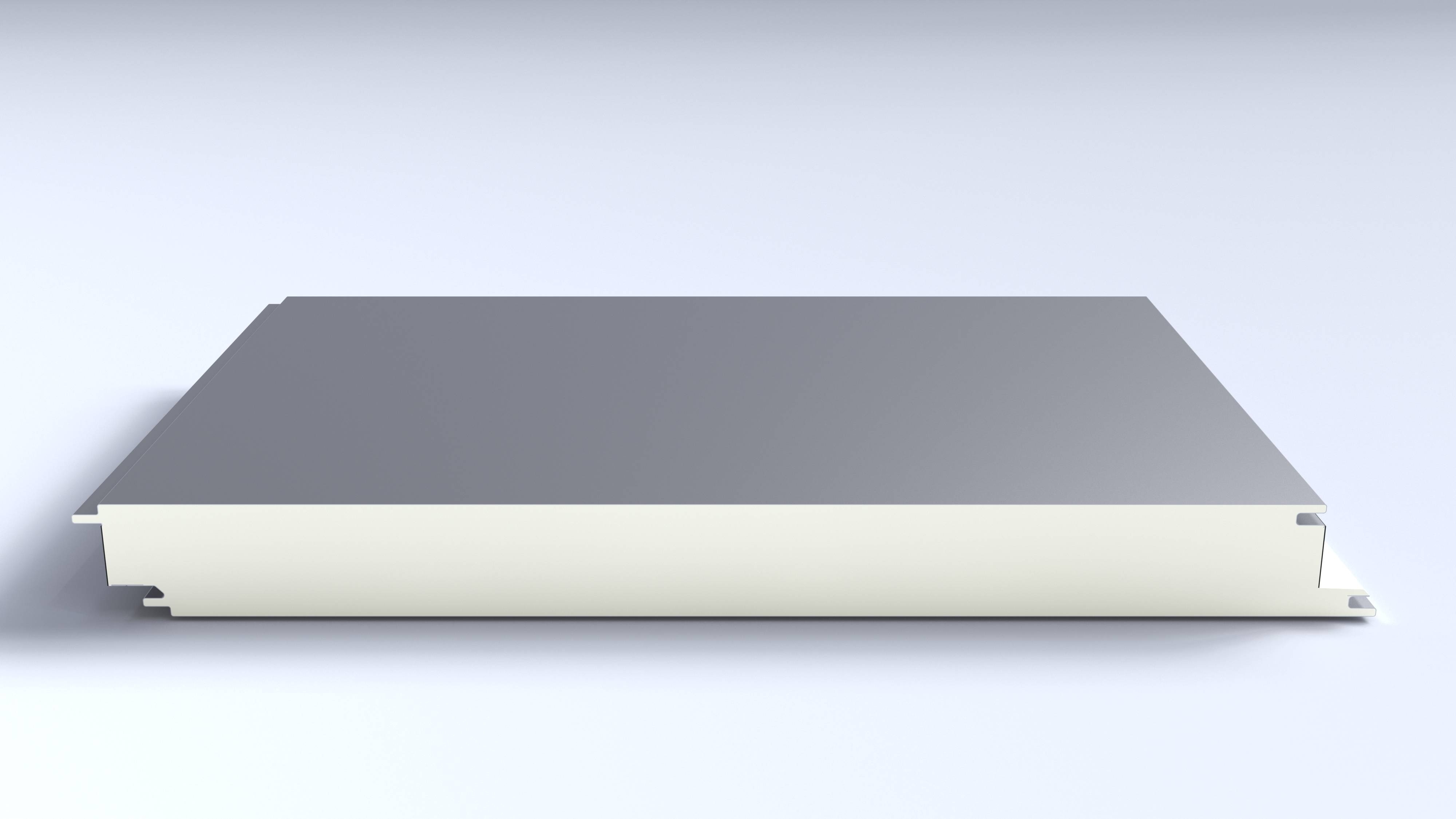
Pure Polyurethane Wall Panel BD-AEF-PIR-01
Negotiable
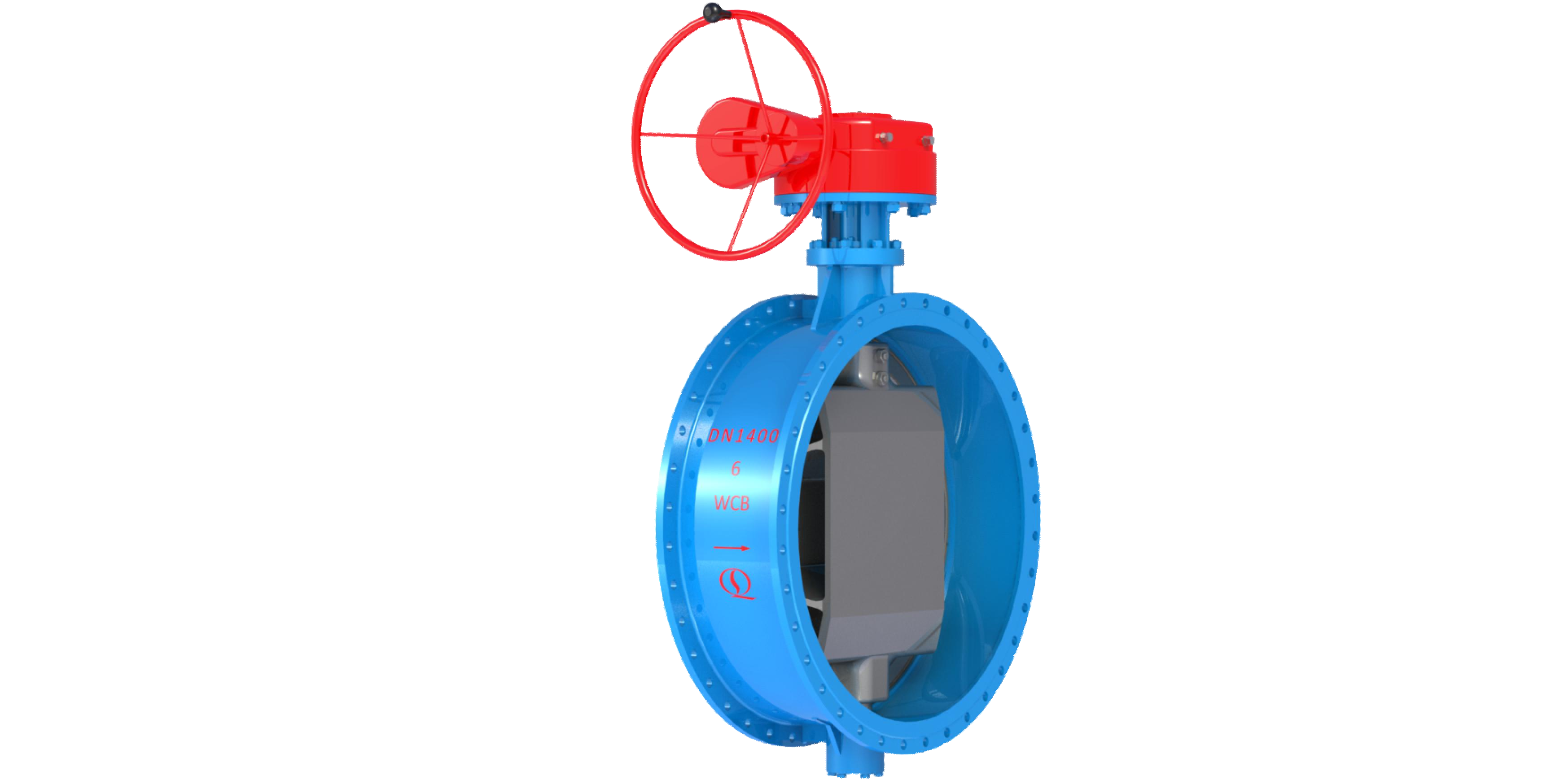
Bidirectional Metal Hard Sealed Seawater Butterfly Valve
Negotiable
Ultra-Pure Ferrite Stainless Steel Products
Negotiable
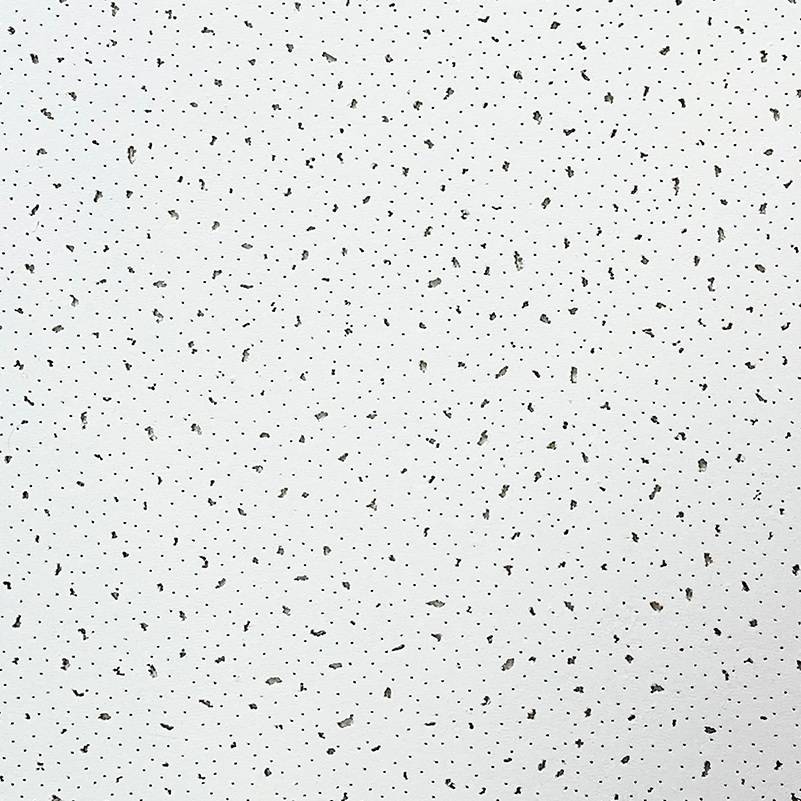
Acoustic Mineral Fiber Ceiling Tile 595x595x12mm
Negotiable /square meter